
Trees
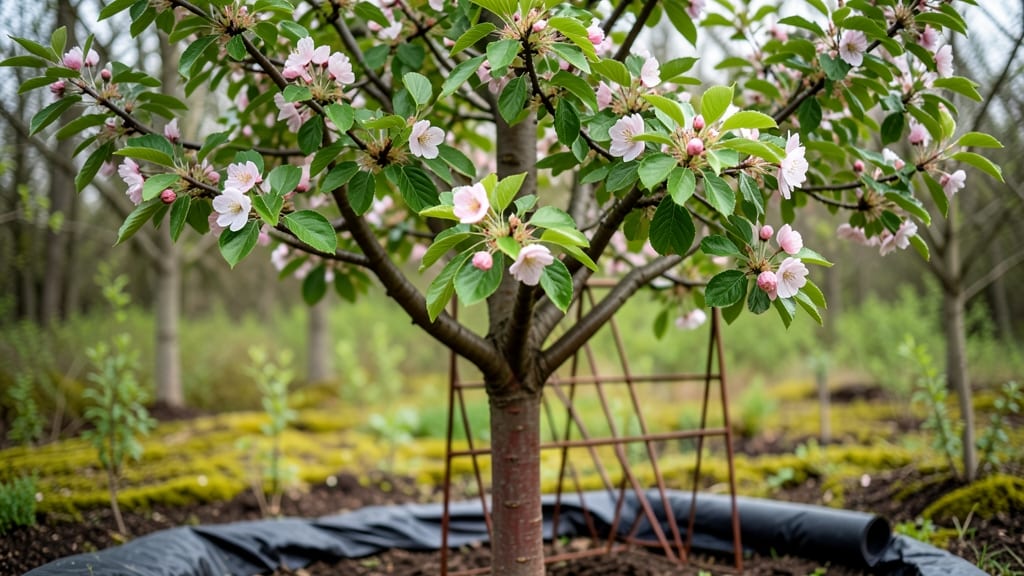
Ohio’s cold winters and humid summers make growing cherry trees a challenge—but I’ve found hardy varieties that thrive despite the extremes. 🌳 The key is choosing disease-resistant types like Stella or Montmorency, which produce sweet-tart fruit even when temperatures dip below zero.
These aren’t just survivor trees; they reward you with bountiful harvests that local orchards envy.
Planting them in well-draining soil with a pH between 6.0 and 7.0 gives them the best start, and spacing them 15–20 feet apart prevents future crowding. Spring or fall are ideal planting times—just avoid Ohio’s scorching summers or deep freezes.
Most varieties need a pollinator partner, so plan to plant at least two trees for fruit production.
Once established, they’re low-maintenance but need consistent care: deep watering during dry spells, annual pruning to shape and air out the canopy, and a light winter mulch to protect roots. Ohio’s biggest threats—brown rot and borers—can be managed with copper fungicides and proper sanitation, keeping your trees productive for decades.
Whether you’re dreaming of homemade preserves or just love the spring blossoms, these varieties deliver. The first harvest will feel like a small-town Ohio victory—sweet, satisfying, and all yours. Let’s get those roots in the ground!
📚 In This Guide
- What you need
- Instructions
- Tips and common mistakes
- Wrapping up and next steps
What you need
- ● Cherry Tree Saplings: Choose hardy Ohio varieties like Montmorency (sour), Stella® (sweet), or Black Tartarian. Buy 2–4 trees for cross-pollination (if self-pollinating, 1 will suffice). Opt for 1–3 year-old bare-root or container-grown trees for best results.
- ● Shovel or Digger: A round-point shovel (for planting holes) or a post-hole digger (for larger roots).
- ● Garden Gloves: Heavy-duty, waterproof gloves to protect your hands from thorns and soil.
- ● Pruning Shears: Bypass pruners (for clean cuts) or a hand saw for thicker branches.
- ● Mulch: 3–4 inches of organic mulch (wood chips, straw, or pine bark) to retain moisture and regulate soil temperature.
- ● Soil Amendments: Compost or well-rotted manure (1–2 buckets per tree) to improve drainage and fertility.
- ● Tree Stakes & Ties: 2–3 stakes per tree (if needed for support) and soft tree ties (not wire!).
- ● Watering Can or Hose: A soaker hose or drip irrigation system for deep, consistent watering.
- ● Tree Guard: A plastic or metal tree collar to protect young trunks from rodents and lawnmowers.
- ● Fertilizer: Slow-release, balanced fertilizer (e.g., 10-10-10) for the first planting season.
- ● Pest/Disease Control: Copper fungicide (for bacterial spots) or neem oil (for pests like tent caterpillars).
- ● Soil Test Kit: To check pH (6.0–7.0 ideal for cherries) and nutrient levels before planting.
- ● Seasonal Protective Wrap: Tree wrap (for winter protection in harsh Ohio winters).
Step-by-step guide for planting hardy cherry trees in Ohio
Ohio's cold winters demand smart planning—here's how to establish cherry trees that survive and flourish.
🌱 Step 1: Choose the Right Variety for Your Ohio Zone
Ohio spans USDA zones 5-6, so select tart cherries like Montmorency or Balaton—they handle -20°F winters without bud damage. Avoid sweet cherries like Bing unless you're in southern Ohio, as they're less cold-hardy. I always check the Ohio State University Extension recommendations for local disease resistance, since wet springs here encourage bacterial canker.
Buy 1- to 2-year-old bare-root trees in early spring (March-April) for best establishment. Younger trees adapt faster to Ohio's unpredictable springs. If planting in fall, do it 6-8 weeks before first frost—roots need time to anchor before winter. Look for trees with multiple scaffold branches already forming; these establish structure faster.
🪴 Step 2: Prepare the Planting Site with Proper Drainage
Cherry trees need full sun (6+ hours daily) and well-drained soil—critical in Ohio's clay-heavy regions. Test your soil: if it stays soggy for more than 24 hours after rain, amend with 2-3 inches of compost mixed into the top 12 inches of soil. I use a shovel and broadfork to loosen compacted layers without disturbing the entire area.
Dig a hole twice as wide as the root ball but no deeper—planting too deep suffocates roots. The top of the root flare (where roots meet trunk) should sit 1-2 inches above ground level. If your soil is alkaline (common in Ohio), add sulfur or peat moss to lower pH to 6.0-6.5—cherries hate alkaline conditions. Water the hole thoroughly before planting.
☀️ Step 3: Plant and Stake for Winter Protection
Place the tree in the hole so the root flare is visible at the soil line. Spread roots outward gently—don't bend them. Fill one-third of the hole with native soil, then water deeply to settle it. Finish filling, tamping lightly with your foot to eliminate air pockets. The first 4-6 weeks are critical: keep soil evenly moist (not soggy) to encourage root growth.
Stake the tree only if needed—Ohio's winds can topple young trees. Use two stakes on opposite sides, tied with soft tree ties (not wire). Prune any broken branches immediately, but avoid heavy pruning—wait until summer to remove water sprouts and crossing branches. Mound 4-6 inches of mulch (wood chips) around the base, keeping it 6 inches away from the trunk to prevent rot.
✂️ Step 4: Establish Yearly Care for Long-Term Health
Ohio's humid summers create perfect conditions for bacterial canker and powdery mildew. Spray trees preventively in early spring with copper fungicide (follow label rates). Thin fruit in late May to 1 per cluster—this improves size and reduces limb stress. I always harvest tart cherries when they easily detach with slight pressure (usually late July-August in Ohio).
Fertilize annually in early spring with 10-10-10 (1 pound per inch of trunk diameter). Water deeply once weekly during dry spells—cherry trees need 1-1.5 inches of water per week. In winter, wrap the trunk with tree guard if rabbits or voles are a problem. Prune dormant branches in late winter (February-March) to maintain an open center—this prevents disease buildup in dense foliage.
Tips & tricks for planting hardy cherry trees in Ohio
Ohio's climate throws curveballs—here's how to give your cherry trees the best shot at thriving through winter and beyond.
Variety Selection Matters: When choosing between Montmorency and Balaton tart cherries, consider your specific Ohio microclimate. Montmorency handles colder northern Ohio winters better, while Balaton adapts slightly better to southern Ohio's milder winters. I always verify local disease resistance by checking Ohio State University Extension reports—wet springs here are perfect for bacterial canker, so disease-resistant varieties are non-negotiable. The -20°F cold hardiness rating is what makes these varieties work in Ohio's harshest winters.
Soil Preparation is Critical: Ohio's clay-heavy soils need special attention. Before amending with 2-3 inches of compost, I recommend testing your soil's pH—cherries thrive at 6.0-6.5, and Ohio's alkaline soils often need sulfur or peat moss to achieve this. The broadfork technique mentioned for loosening compacted layers is particularly effective in Ohio's dense clay—it creates vertical channels for roots without disturbing the entire soil structure. Remember, the root flare should always sit 1-2 inches above ground level; planting too deep suffocates the tree.
Winter Protection Strategies: The 6-8 week window before first frost for fall planting is crucial—roots need time to establish before winter sets in. In windy Ohio regions, I've found that using two stakes with soft tree ties creates better stability than single-staking methods. For additional winter protection, consider wrapping the trunk with tree guard if you're dealing with rabbits or voles—these pests can girdle young trees in a single winter. The 4-6 inches of mulch should be kept 6 inches away from the trunk to prevent moisture buildup that could cause rot.
Long-Term Health Maintenance: The annual spring fertilization with 10-10-10 at 1 pound per inch of trunk diameter is perfect for Ohio's growing conditions. However, I've noticed that trees in northern Ohio often need slightly more nitrogen in their second year. For watering, the 1-1.5 inches per week guideline works well, but during Ohio's summer droughts, you may need to supplement with additional deep waterings. The late May fruit thinning to 1 per cluster is particularly important—this reduces limb stress and improves fruit size, which is especially valuable given Ohio's unpredictable summer weather patterns.
Pro Tips for Cherry Trees In Ohio
- Ohio's climate throws curveballs—here's how to give your cherry trees the best shot at thriving through winter and beyond.
- Variety Selection Matters: When choosing between Montmorency and Balaton tart cherries, consider your specific Ohio microclimate.
- Soil Preparation is Critical: Ohio's clay-heavy soils need special attention.
Frequently asked questions
Got questions about growing cherry trees in Ohio’s chilly climate? You’re not alone! Here are some of the most common concerns—plus straightforward answers to help you plant with confidence.
What are the coldest-hardy cherry tree varieties for Ohio?
Ohio’s Zone 5-6 winters call for Prunus avium (sweet cherries) like ‘Stella’ or ‘Montmorency’ (sour cherries), both rated for -20°F to -30°F. Dwarf varieties (e.g., ‘North Star’) are also great for smaller spaces. Always check your microclimate—urban areas may need extra protection!
When is the best time to plant cherry trees in Ohio?
Plant bare-root trees in late winter or early spring (March–April) when the ground is workable but before buds swell. Container-grown trees can go in until fall (October–November), but avoid planting in summer heat. Ohio’s frost dates are critical—give roots time to establish before winter!
Do cherry trees need cross-pollination, and how do I ensure fruit?
Yes! Most sweet cherries need two compatible varieties (e.g., ‘Stella’ + ‘Lapins’). Sour cherries like ‘Montmorency’ are self-pollinating. Plant trees 25–40 feet apart for optimal pollination. Bees love Ohio’s spring blooms—just ensure no pesticides harm them during bloom time (April–May).
What pests or diseases should I watch for in Ohio cherry trees?
Ohio’s humid summers bring cherry leaf spot, brown rot, and borers. Prevent issues with:
- Fungicide sprays (copper-based) in spring.
- Pruning to improve airflow (remove dead wood in late winter).
- Monitoring for Japanese beetles—handpick or use neem oil.
Can I grow cherry trees in containers, or do they need ground planting?
Dwarf varieties (e.g., ‘North Star’) thrive in large containers (15+ gallons) with well-draining soil. Use a mix of potting soil + compost and repot every 2–3 years. Note: Container trees may need winter protection (burlap wraps, frost cloth) in Zone 5. Ground planting is ideal for standard-sized trees—roots love Ohio’s clay-loam soil!
Pro Tip:
Ohio’s late frosts can damage blossoms. Use frost cloth or a sprinkler system to protect flowers in spring (March–April). Even a few degrees of warmth can save your crop!
Wrapping up and next steps
Ohio’s chilly winters don’t have to stop you from growing cherry trees—hardy varieties like Montmorency or Stella prove that beauty and bounty can thrive even in cold climates! 🌳 Whether you’re dreaming of fragrant blossoms in spring or juicy cherries in summer, these trees offer year-round charm for your landscape.
Ready to take the next step? Start small—research local nurseries, test soil pH, and pick a spot with full sun. Then, roll up your sleeves and plant your future Ohio orchard! 🌱