
Trees
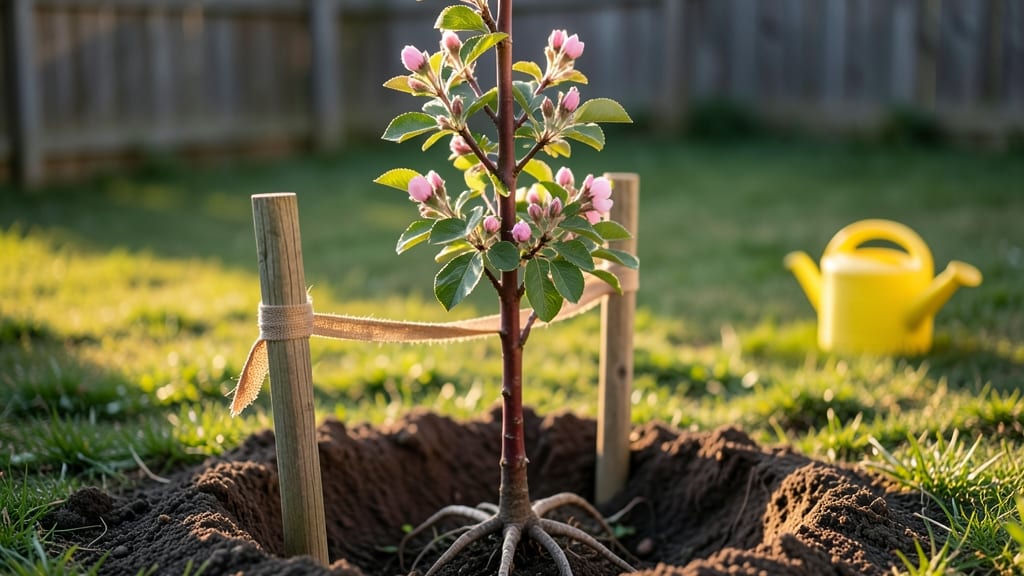
Staking young trees isn’t just about keeping them upright—it’s about giving their roots the chance to establish strong, wind-resistant anchors without bending or breaking. 🌳 I’ve seen too many newly planted trees topple in the first storm because they weren’t properly supported, and the difference between a flimsy setup and a foolproof one comes down to a few key choices.
The right stakes—whether biodegradable wood, flexible plastic, or sturdy metal—make all the difference. You’ll need at least two per tree (placed diagonally), plus soft ties that won’t girdle the trunk as it grows.
The goal is to let the tree sway slightly in the wind (which builds strength) while preventing dangerous lean. I’ve learned the hard way that cheap, rigid stakes can actually hurt young trees by restricting movement.
By following the proper spacing and angle, you’ll see roots develop deeper and faster, with the tree standing tall even in gusty conditions. The stakes can come out after 1-2 years, once the trunk is thick enough to support itself.
No more worrying about snapped trunks or wasted saplings—just steady growth from the start.
Works for any young tree—fruit, shade, or ornamental—and adapts to different soils and climates. The key is starting early (right after planting) and checking ties every few months. Let’s get those trees standing strong!
📚 In This Guide
- What you need
- Instructions
- Tips and common mistakes
- Wrapping up and next steps
What you need
- ● Tree stakes: 4–6 stakes per young tree (depending on size and wind exposure). Material: Pine, cedar, or treated wood (avoid pressure-treated wood near edible plants). Length: 2–4 feet tall (taller for windy areas). Diameter: 1–2 inches (thick enough for stability).
- ● Staking straps or soft tree ties: 2–4 per tree (avoid wire or metal straps—they can girdle the trunk!). Material: Nylon webbing, rubber, or fabric (adjustable and breathable).
- ● Mulch or wood chips: 2–3 inches (to protect the root zone and retain moisture).
- ● Garden gloves: 1 pair (to protect your hands from splinters or rough bark).
- ● Shovel or trowel: 1 (for adjusting soil or stakes as needed).
- ● Measuring tape or ruler: 1 (to ensure stakes are placed at the right distance from the trunk).
- ● Tree guards or collars: Protects the trunk from damage during staking.
- ● Anti-splinter treatment: For wooden stakes (e.g., linseed oil) to extend their lifespan.
- ● Concrete or sandbags: For extra stability in high-wind areas (use sparingly to avoid root suffocation).
- ● Watering can or hose: To keep the soil moist while the tree establishes.
Step-by-Step guide to staking young trees for wind protection
Here's how I keep saplings standing strong through their first growing season.
🪴 Step 1: Choose the Right Stakes and Placement
Use 2-3 stakes per tree, positioned at 45-degree angles from the trunk. I prefer 2-foot wooden or metal stakes for most young trees—long enough to provide support but not so heavy they damage roots. Place one stake on the windward side (the direction wind most frequently comes from) and the others spaced evenly around the trunk.
Drive the stakes 6-8 inches into the soil, but leave 12-18 inches above ground. The top should extend about 1 foot above the tree's current height—this gives room to adjust as the tree grows. I like to use a mallet for wooden stakes or a sledgehammer for metal ones, but never pound them directly into the trunk. Keep at least 6 inches of clearance between the stake and the tree's trunk to prevent girdling.
🌱 Step 2: Attach the Stakes with Flexible Fasteners
Never tie stakes too tightly—you want to allow some movement to encourage trunk thickness. I use soft tree ties or wide rubber strips (about 1-inch wide) and attach them in a figure-eight pattern around the trunk and stake. The top tie should be 6-8 inches below the tree's lowest branch, and the bottom tie should be 12 inches above the soil line.
Leave some slack in the ties—you should be able to fit 1-2 fingers between the tree and the stake. Check the ties every 4-6 weeks and loosen them as the tree grows. I've seen trees strangle themselves when ties cut into the bark over time. If using metal ties, wrap them with a soft material like felt or rubber to prevent abrasion.
☀️ Step 3: Position for Wind Protection and Growth
Install stakes immediately after planting, before the tree has a chance to lean. The windward stake should face the prevailing winds in your area—check local weather patterns or ask at your nursery. If your yard has multiple wind directions, use 3 stakes arranged in a tripod formation for maximum stability.
After staking, give the tree a gentle push to test stability. It should sway slightly but not topple. If it feels too loose, adjust the ties or add a third stake. I also like to water the soil around the stakes thoroughly after installation—this helps settle the roots and prevents the stake from shifting as the ground dries out.
⏰ Step 4: Monitor and Adjust Through the Growing Season
Check the stakes and ties every 4-6 weeks during the growing season. Trees grow faster than you might expect, and what was loose at planting can become too tight in just a few months. If the tree outgrows the stakes, remove them and replace with longer ones—never let the ties bind the trunk.
Watch for signs of stress: yellowing leaves, leaning growth, or bark damage from ties. If you see any of these, adjust immediately. Most trees can be staked successfully for 1-2 growing seasons, but some may need support for up to 3 years depending on species and wind exposure. I always mark the planting date on the stake so I remember when to remove them.
Tips & tricks for perfect tree staking
Here's what I've learned from years of keeping young trees standing strong—these little details make all the difference.
Stake Selection: Wooden stakes work beautifully for most trees, but for heavy winds or larger saplings, metal stakes provide extra durability. I've found that bamboo stakes are a great budget-friendly option—they're lightweight yet sturdy enough for most young trees. Just make sure they're at least 2 feet tall to provide proper support as specified in Step 1.
Tie Material Matters: Never use wire or narrow ties—they can cut into the bark as the tree grows. Soft tree ties or wide rubber strips (about 1-inch wide) are perfect because they stretch with the tree. I keep a roll of these in my gardening toolbox for quick adjustments. The figure-eight pattern in Step 2 distributes pressure evenly, preventing any single point from damaging the trunk.
Wind Direction Check: Before installing stakes, spend 5 minutes observing your yard to identify prevailing winds. Most nurseries can tell you typical wind patterns for your area. I've seen too many trees fail because the windward stake wasn't positioned correctly. If you're unsure, place a weather vane near your planting site for a week to track wind direction before staking.
Seasonal Adjustments: In windy seasons, check your stakes every 4-6 weeks as instructed, but also after major storms. I've had stakes bend or even break during heavy winds. If you notice any movement in the stakes, re-drive them deeper into the soil immediately. For trees in exposed areas, consider adding a third stake in a tripod formation for extra stability during storm season.
Pro Tips for Tree Stakes For Young Trees
- Here's what I've learned from years of keeping young trees standing strong—these little details make all the difference.
- Stake Selection: Wooden stakes work beautifully for most trees, but for heavy winds or larger saplings, metal stakes provide extra durability.
- Tie Material Matters: Never use wire or narrow ties—they can cut into the bark as the tree grows.
Frequently asked questions
Got questions about keeping your young trees steady and thriving? You’re not alone—tree stakes can feel like a puzzle at first! Here’s a quick breakdown of the most common concerns to help you stake (and restake) with confidence.
How deep should I bury tree stakes for young trees?
Bury stakes about 1/3 of their length into the soil, leaving 12–18 inches above ground. This ensures stability without strangling the trunk as it grows. Use a mallet for even depth—no need to go deeper than 6–8 inches total, or you risk damaging roots.
When is the best time to install tree stakes?
Plant stakes at the same time as the tree—or within a few weeks—to prevent uprooting during wind or watering. If you’re retrofitting, do it in early spring or fall when the ground is workable. Avoid winter unless you’re in a high-wind zone, as frozen soil can make installation tricky.
How often should I check or adjust tree stakes?
Inspect stakes every 4–6 weeks for looseness or leaning. Adjust as needed, especially after storms. Most trees need stakes for 1–2 years, but remove them once the trunk is 1–2 inches thick or the roots are visibly anchored. Over-reliance can weaken stems!
Can I use bamboo stakes or other DIY alternatives?
Yes! Bamboo stakes are lightweight and biodegradable, but avoid plastic or metal if you plan to remove them later (they can damage bark). For DIY options, rebar wrapped in fabric or sturdy wooden dowels work too. Just ensure they’re non-toxic and won’t girdle the tree as it grows.
What if my tree is still leaning even with stakes?
If the tree persists in tilting, it may need additional support like a tree tie (a soft strap to the stake) or multiple stakes (3–4 at 45° angles for large trees). Check for uneven root growth—if roots are circling, gently tease them outward. For extreme cases, consult an arborist to rule out disease or poor planting.
Still stumped? Drop your question below—we’ve got you covered!
Wrapping up and next steps
Investing in tree stakes for young trees is a small but mighty step toward ensuring their long-term health and resilience. 🌱 By providing the right support, you’re giving your trees a fighting chance against wind, storms, and uneven growth—helping them thrive for years to come.
Ready to take action? Start by gathering your stakes, tools, and a little patience—your future forest begins with this simple yet powerful foundation!
💡 Pro Tip: Check stakes every few months to adjust as your tree grows—consistency is key!