
Trees
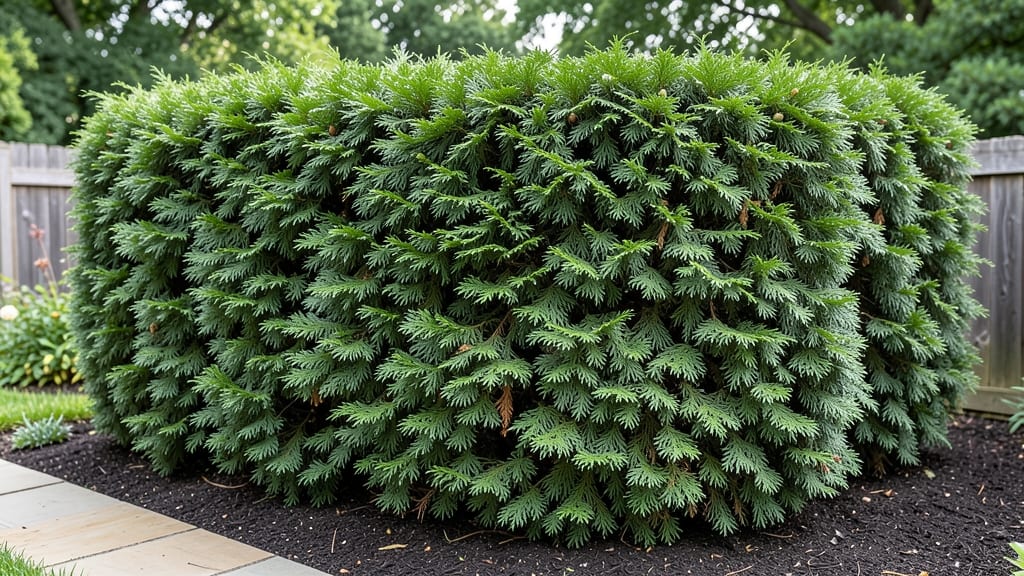
Planting wind-blocking trees isn't just about stopping gusts—it's about creating a calmer, more productive outdoor space where plants thrive and you can finally relax on the patio. 🌳 I learned this the hard way after my wind-tossed garden left me with bent tomato stakes and shredded leaves every spring.
The right trees can slash wind speeds by up to 50% just 10 feet from your property line, while also adding year-round beauty.
Evergreens like arborvitae or emerald green cedar are the unsung heroes of stormy climates—they stay dense all winter and block wind when you need it most. Deciduous options like silver maple or black locust work too, but they’ll need seasonal adjustments for airflow.
The key is spacing: plant trees 15-20 feet apart for a solid barrier, but leave gaps if you want filtered breezes rather than a complete wall.
What you’ll gain is a transformed yard—less soil erosion, stronger plants, and that peaceful feeling of stepping into a sheltered oasis. Imagine tomatoes growing upright instead of flopping, or finally enjoying your morning coffee without a gusty drama.
The best part? These trees also boost property value and curb appeal while doing their job.
Works for urban backyards, rural homesteads, or even large-acre farms—just adjust spacing based on your space. Let’s pick the perfect trees for your climate and design the windbreak of your dreams.
📚 In This Guide
- What you need
- Instructions
- Tips and common mistakes
- Wrapping up and next steps
What you need
- ● Wind-blocking tree species (3–5 mature trees, depending on property size): Evergreens (e.g., Thuja occidentalis – Arborvitae, Pinus sylvestris – Scots Pine, or Juniperus virginiana – Eastern Red Cedar) for year-round coverage.
- ● Deciduous options (e.g., Populus deltoides – Eastern Cottonwood or Salix babylonica – Weeping Willow) if seasonal windbreaks suffice.
- ● Planting supplies: High-quality potting soil (50 lbs) or native topsoil (enough to fill planting holes).
- ● Organic compost (20–30 lbs) or slow-release fertilizer (e.g., 10-10-10, 5 lbs).
- ● Mulch (3–4 cubic feet of wood chips or pine straw).
- ● Tools: Shovel or digging spade (for planting holes 2–3x wider than the root ball).
- ● Wheelbarrow (for soil/compost transport).
- ● Garden hose with nozzle (for watering).
- ● Measuring tape (to space trees 10–20 ft apart for optimal wind deflection).
- ● Tree stakes & ties (for young saplings in windy areas).
- ● Drip irrigation kit (to automate watering during dry spells).
- ● Soil pH test kit (to ensure ideal growing conditions, pH 6.0–7.5 for most trees).
- ● Native plant guide (to check local regulations or eco-friendly options).
How to plant and maintain a functional windbreak tree line
Here's the straightforward method I've used to protect gardens from harsh winds—tested in coastal and prairie climates alike.
🌱 Step 1: Choose the Right Tree Species for Your Climate
Fast-growing evergreens like Thuja occidentalis (arborvitae) or Picea glauca (white spruce) work best for year-round wind protection. Deciduous options like Populus deltoides (eastern cottonwood) grow quickly but lose coverage in winter. Check your hardiness zone—trees need to thrive where you plant them.
Spacing matters too. For a dense barrier, plant trees 6-8 feet apart in rows 10-15 feet apart. This creates a staggered windbreak that deflects gusts rather than letting them funnel through. I always sketch the layout first to visualize wind flow patterns around my property.
🪴 Step 2: Prepare the Planting Site and Dig Holes
Choose a location where the wind hits hardest—usually the north or west side of structures. Dig holes twice as wide as the root ball but no deeper. Amend the native soil with 2-3 inches of compost mixed into the bottom of each hole to encourage root spread.
Don't rush this step. Loosen the roots of container-grown trees before placing them in the hole—you'll see a noticeable difference in how quickly they establish. Water each hole thoroughly before planting to settle the soil and eliminate air pockets around the roots.
☀️ Step 3: Plant Trees at the Correct Depth and Stake for Support
Position the tree so the top of the root ball sits 1-2 inches above ground level. Backfill with native soil mixed with compost, tamping gently as you go to eliminate gaps. For trees over 10 feet tall, install two stakes 18-24 inches from the trunk at opposite sides and secure with flexible ties to prevent trunk damage.
Water deeply immediately after planting—1-2 gallons per tree—to help soil settle around roots. Mulch with 2-3 inches of wood chips in a 3-foot radius, keeping it 6 inches away from the trunk to prevent rot. This mulch ring retains moisture and regulates soil temperature.
💧 Step 4: Water and Maintain Through the First Growing Season
Water newly planted trees 2-3 times per week for the first 6-8 weeks, providing 1-2 gallons per watering. You'll know you're doing it right when the soil stays consistently moist but not soggy to a depth of 6 inches. Overwatering suffocates roots just as much as underwatering.
Fertilize lightly in early spring with a balanced 10-10-10 formula at half-strength. Avoid heavy feeding the first year—you want roots establishing, not rapid top growth. Prune only to remove dead or crossing branches in late winter, never more than 25% of the canopy at once.
Tips & tricks for perfect windblocking tree lines
Real talk: A well-placed windbreak isn't just about planting trees—it's about strategic placement and long-term care that most people overlook. Here's how to get it right from day one.
Species Selection Matters: While evergreens like Thuja occidentalis provide year-round protection, don't overlook native species that thrive in your specific hardiness zone. For example, in Zone 5, I've had great success with Juniperus virginiana (eastern red cedar) because it handles both wind and cold better than some commercial options. The key is matching the tree's natural wind resistance to your climate's worst storms.
Layout Strategy: The 6-8 foot spacing between trees in rows 10-15 feet apart isn't arbitrary—it creates a staggered barrier that disrupts wind flow more effectively than a solid wall. Here's what I do: I mark the planting locations with stakes first, then use string to visualize the windbreak's curvature. This helps me adjust for property contours and ensures the windbreak follows the natural wind patterns rather than creating funnels.
Root Establishment is Critical: That 2-3 inches of compost in the planting hole isn't just filler—it's the foundation for strong root growth. I've seen trees fail when people skip this step because the native soil doesn't provide enough nutrients for new roots. Pro tip: Mix in a handful of mycorrhizal fungi powder with the compost. These beneficial fungi help roots absorb water and nutrients more efficiently, especially in the first critical year.
Watering Wisdom: The 2-3 times per week for 6-8 weeks might seem like a lot, but here's why it works: Young roots need consistent moisture to establish. I use a simple test—stick your finger 6 inches down. If it's dry, water. If it's soggy, wait. Overwatering is just as deadly as underwatering for new trees. Consider installing soaker hoses buried 6 inches deep to deliver water directly to the root zone without wasting water through evaporation.
Pro Tips for Wind Blocking Trees
- Real talk: A well-placed windbreak isn't just about planting trees—it's about strategic placement and long-term care that most people overlook.
- Species Selection Matters: While evergreens like Thuja occidentalis provide year-round protection, don't overlook native species that thrive in your specific hardiness zone.
- Layout Strategy: The 6-8 foot spacing between trees in rows 10-15 feet apart isn't arbitrary—it creates a staggered barrier that disrupts wind flow more effectively than a solid wall.
Frequently asked questions
Got questions about wind-blocking trees?
You’re not alone—planning, planting, and maintaining them can feel overwhelming. Here are answers to the most common queries to help you make the best choices for your property.
What are the fastest-growing wind-blocking trees?
If you need quick results, opt for species like Leyland Cypress or Green Giant Arborvitae, which grow 3–5 feet per year. For slower but sturdy options, Eastern Red Cedar or Black Hills Spruce offer dense foliage and long-term wind protection.
How long does it take for wind-blocking trees to become effective?
Most wind-blocking trees take 3–5 years to reach full effectiveness, depending on the species and growing conditions. Dwarf varieties may take slightly longer, while fast-growing evergreens can start providing noticeable protection within 1–2 years.
Are there low-cost alternatives to traditional wind-blocking trees?
Yes! Consider hedgerows (like Osage Orange or Russian Olive), living snow fences (fast-growing shrubs), or even windbreaks made from recycled materials. These options reduce costs while still offering wind protection.
Do wind-blocking trees work in heavy snow or hurricane-prone areas?
Trees like Eastern White Pine or Douglas Fir are tough enough to handle heavy snow loads, while Bald Cypress thrives in hurricane zones. Just ensure they’re planted 10–15 feet apart for optimal structural support.
How do I troubleshoot if my wind-blocking trees aren’t working?
Check for gaps in spacing (too far apart = less protection), poor soil quality (amend with compost), or pests/disease (inspect leaves for damage). If needed, supplement with windbreak netting or additional shrubs until trees mature.
Wrapping up and next steps
In stormy climates, wind-blocking trees aren’t just a landscaping choice—they’re a game-changer for comfort, energy savings, and even property protection. 🌳 From evergreens like spruce and pine to deciduous options like oak and maple, the right species can slash wind chill, reduce heating costs, and create a cozy microclimate.
Whether you’re planting for privacy, wildlife habitat, or resilience, these trees deliver year-round benefits.
Ready to transform your outdoor space? Start by assessing your property’s wind patterns and soil conditions, then pick the perfect trees for your climate. Your future self—and your wallet—will thank you! 🌿