Pruning
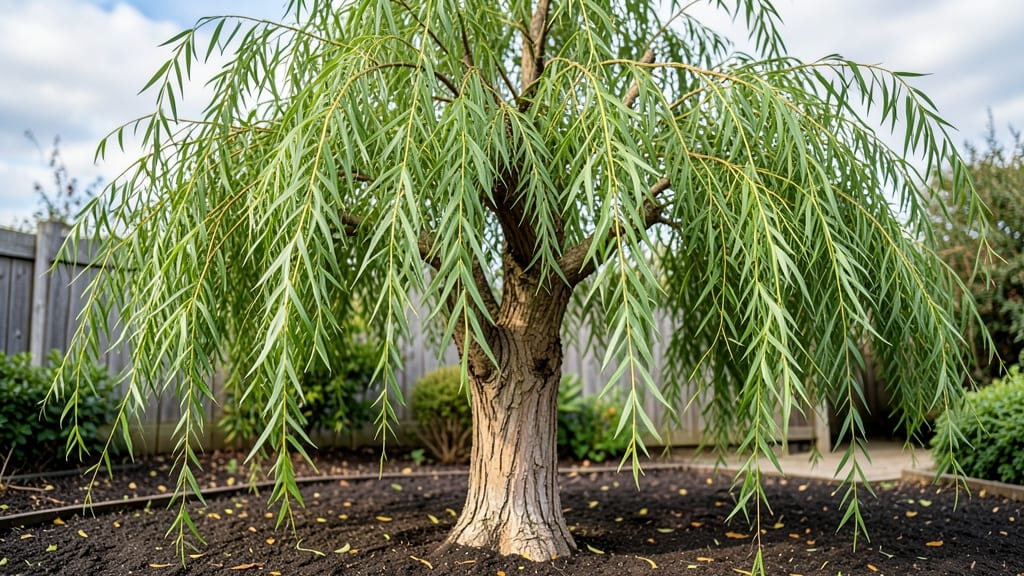
Buying a weeping willow tree means choosing between a delicate whisper of branches and a lifetime of maintenance decisions—because that 20-foot sapling today will one day stretch toward the sky like a living sculpture. 🌿 I learned this the hard way when my first willow needed a 30-foot clearance that my yard simply couldn’t provide.
The mature height and root ball size aren’t just numbers; they’re the difference between a stunning focal point and a tree that outgrows its welcome in a decade.
Start with your space: weeping willows need at least 30 feet of horizontal room for their sprawling branches and 50 feet if you want that classic, dramatic silhouette. The root ball size—usually measured in diameter—determines how quickly it establishes itself.
A 15-gallon container tree will need less immediate attention than a 75-gallon burlap-wrapped specimen, but that bigger root ball means it’s ready to handle wet soil and poor drainage right out of the gate.
You’ll end up with a tree that casts dappled shade, attracts birds with its seed pods, and frames your property like a natural watercolor painting.
Plant it near a pond or stream (willows love water), pair it with shade-tolerant perennials like hostas or ferns, and prepare for the annual ritual of trimming those low-hanging branches to keep sidewalks clear. The payoff? A living centerpiece that feels like it’s been there for generations.
Fair warning: willows are fast growers, so check local regulations—some areas restrict them due to invasive roots. If you’re in a smaller yard, consider a dwarf cultivar like ‘Nana’ or ‘Pendula,’ which tops out at 15-20 feet but still delivers that signature weeping form.
The key is matching the tree to your space, not the other way around.
📚 In This Guide
- What you need
- Instructions
- Tips and common mistakes
- Wrapping up and next steps
What you need
- ● Weeping willow tree (mature size: 10–20+ ft tall, root ball 12–18+ inches in diameter—check local nurseries for options!)
- ● Shovel or digging spade (wide, 12–18 inches—rent if needed!)
- ● Wheelbarrow or bucket (for soil/amendments, 5+ gallons)
- ● Compost or organic matter (e.g., aged manure, 2–3 cubic feet)
- ● Mulch (wood chips or straw, 3–4 inches deep, 10+ sq ft)
- ● Watering can or hose with nozzle (gentle spray setting for new roots!)
- ● Garden gloves (to protect hands from thorns or rough bark)
- ○ Stakes & twine (optional but helpful) (if planting in windy areas, 2–4 stakes)
- ● Planting location: Full sun (6+ hours/day), at least 20–30 ft from structures/septic systems (roots spread aggressively!).
- ○ Soil test kit (optional but recommended): Check pH (6.0–7.5 ideal) and drainage—willows hate soggy feet!
- ● Permits: Verify local regulations (some areas restrict willows due to invasive roots).
- ● Season timing: Plant in early spring or fall (avoid extreme heat/cold).
How to select the perfect weeping willow tree for your space
Here's the straightforward approach I've used to avoid costly regrets with weeping willows.
🌿 Step 1: Determine Your Space Requirements First
Measure both your planting area and the mature height of your property. Weeping willows can grow 30-50 feet tall with a 25-40 foot spread, so check overhead clearance for power lines, roofs, and driveways. I always sketch a rough outline on graph paper—this helps visualize the tree's mature size before purchase.
Check local regulations too. Some areas restrict planting near sewer lines or foundations due to the aggressive root system. A quick call to your city's planning department saves headaches later. If your space is limited, consider dwarf varieties like 'Nana' which max out at 15-20 feet tall—they're perfect for smaller yards.
🪴 Step 2: Inspect the Root Ball for Health and Size
Look for a root ball that's at least 18-24 inches in diameter for a 5-gallon container size—the minimum for proper stability. The roots should be white or light tan, not brown or mushy. I run my fingers through the soil to check for compacted areas—if it feels like concrete, the tree will struggle to establish.
Check the container's drainage holes too. If they're plugged, the roots will suffocate. Gently squeeze the root ball—if it crumbles easily, it's ready for planting. A healthy root ball should hold together but still feel loose when handled. Avoid trees with circling roots—they'll strangle the trunk as it grows.
☀️ Step 3: Evaluate the Tree's Structure and Health
Examine the trunk for any signs of cracks, holes, or discoloration—these indicate disease or pest damage. The bark should be smooth and grayish-brown, not peeling or oozing sap. I always check the lower branches too; they should be evenly spaced and flexible, not brittle or dead.
Look at the foliage next. Healthy leaves should be vibrant green, not yellow or brown. Tap the branches gently—if they're too brittle, the tree has been stressed. A good weeping willow has a natural, graceful arch to its branches, not a stiff, upright posture. Avoid trees with more than 20% bare branches—they'll struggle to recover.
⏰ Step 4: Verify Season and Planting Readiness
Spring or early fall are the best times to plant weeping willows. Avoid winter planting—the roots won't establish before freezing. If you're buying in late summer, ask the nursery for trees in 5-gallon or larger containers—they'll have stronger root systems to handle transplant shock.
Ask when the tree was last watered. Roots should be moist but not soggy. If the soil is bone-dry, the tree has been neglected. I always request a root flare check—the base of the trunk should sit slightly above the soil line, not buried. A buried trunk leads to rot and poor growth.
Tips & tricks for perfect weeping willow selection
Between us, skipping these details can turn your dream tree into a costly mistake. Here's how to avoid the pitfalls I've seen too often.
Space Visualization: I can't stress enough how important it is to sketch your space to scale before buying. That 30-50 foot height mentioned in Step 1 isn't just a suggestion—it's the reality. I've seen people plant willows under power lines after the fact, and trust me, the cleanup isn't pretty. Use graph paper to draw your property with those dimensions marked out. Pro tip: Add 10 feet to both height and spread measurements to account for the tree's natural growth beyond what's listed.
Root Ball Reality Check: The 18-24 inch diameter root ball in Step 2 is your anchor for stability. I've watched trees topple in strong winds because they were planted with undersized root systems. When you're at the nursery, ask to see the tree's full container—sometimes what looks like a 5-gallon pot from the outside is actually much smaller inside. Also, if you're planting in clay soil, consider adding a 6-inch layer of compost to the planting hole—it'll help those roots establish faster in heavy ground.
Healthy Tree Hack: For Step 3's foliage check, here's what nobody tells you: Look at the undersides of the leaves too. Yellowing or spots there mean pest issues or disease before you see them on top. I also check the branch flexibility by gently bending a small branch—if it snaps instead of bending, that tree's been stressed. One more thing: Count the branches—you want at least 8-10 strong branches for proper canopy formation. Fewer than that means the tree might not fill out as promised.
Seasonal Timing: Spring and early fall planting times in Step 4 are non-negotiable for best results. But here's the thing about late summer purchases: If you must buy then, look for trees in 7-gallon or larger containers—they'll have stronger roots to handle transplant shock. And always ask when they were last watered. A tree that's been sitting bone-dry in a hot nursery for weeks will shock your system when you plant it—literally. I've seen trees wilt dramatically within hours of planting because of this.
Pro Tips for Buying A Weeping Willow Tree
- Between us, skipping these details can turn your dream tree into a costly mistake.
- Space Visualization: I can't stress enough how important it is to sketch your space to scale before buying.
- Root Ball Reality Check: The 18-24 inch diameter root ball in Step 2 is your anchor for stability.
Frequently asked questions
about buying a weeping willow tree—whether you're a first-time buyer or a seasoned gardener—can save you time and frustration. Here are some of the most common questions to help you make the best choice for your space and needs.What’s the best time of year to plant a weeping willow tree?
Plant your weeping willow in early spring or fall when temperatures are mild. This gives the tree time to establish roots before extreme heat or cold. Avoid planting in winter (risk of frost damage) or peak summer (water stress). If you must plant in summer, choose a cloudy day and water deeply afterward!
How much space does a mature weeping willow need?
A fully grown weeping willow can spread 30–50 feet wide and reach 30–50 feet tall. Plant it at least 20–30 feet from structures, fences, or septic systems to avoid root or branch damage. If space is limited, consider dwarf varieties like ‘Nana’ or ‘Pendula’, which stay smaller.
Can I grow a weeping willow from a cutting or seed?
While possible, buying a nursery-grown sapling is easier. Cuttings (hardwood or softwood) require patience—rooting takes 4–8 weeks—and success rates vary. Seeds are even trickier: germination is slow, and seedlings may not retain the weeping habit. For faster, reliable growth, opt for a 1–3 year old tree with a healthy root ball.
Are weeping willows invasive? Should I avoid them?
Weeping willows can be invasive due to aggressive roots and seed spread. They’re best for large properties with plenty of water access. If you’re near water bodies (ponds, streams), check local regulations—some areas restrict them to prevent ecological disruption. For smaller yards, consider non-invasive alternatives like weeping cherry or dwarf willow varieties.
How do I choose the right root ball size for my tree?
Root ball size depends on the tree’s age and intended lifespan. For a 1-year-old sapling, a 6–12 inch root ball is typical. Mature trees (5+ years) need 18–24 inch+ root balls for stability. Bigger isn’t always better—match the size to your planting site’s soil quality and drainage. Pro tip: Look for fibrous roots (not circling roots) and a healthy, moist root ball!
What if my weeping willow’s branches are dying or yellowing?
Yellowing leaves or dead branches often signal overwatering, root rot, or nutrient deficiency. Check the soil—willows thrive in moist but well-drained areas. If roots are waterlogged, improve drainage or prune affected branches. Yellow leaves on new growth may mean iron deficiency; apply chelated iron or mulch with compost. Never ignore large dieback—it could indicate disease (e.g., willow blight) or pest damage.
Wrapping up and next steps
Buying a weeping willow tree is an exciting step toward adding beauty and tranquility to your landscape—just remember, size matters! 🌳 Whether you’re choosing a mature specimen for instant impact or a smaller sapling for future growth, prioritize a healthy root ball and consider your space’s long-term needs.
With the right prep and care, your weeping willow will thrive for years to come.
Ready to take the next step? Measure your space, compare root ball sizes, and visit a trusted nursery to find your perfect match. Happy planting! 🌱