Pruning
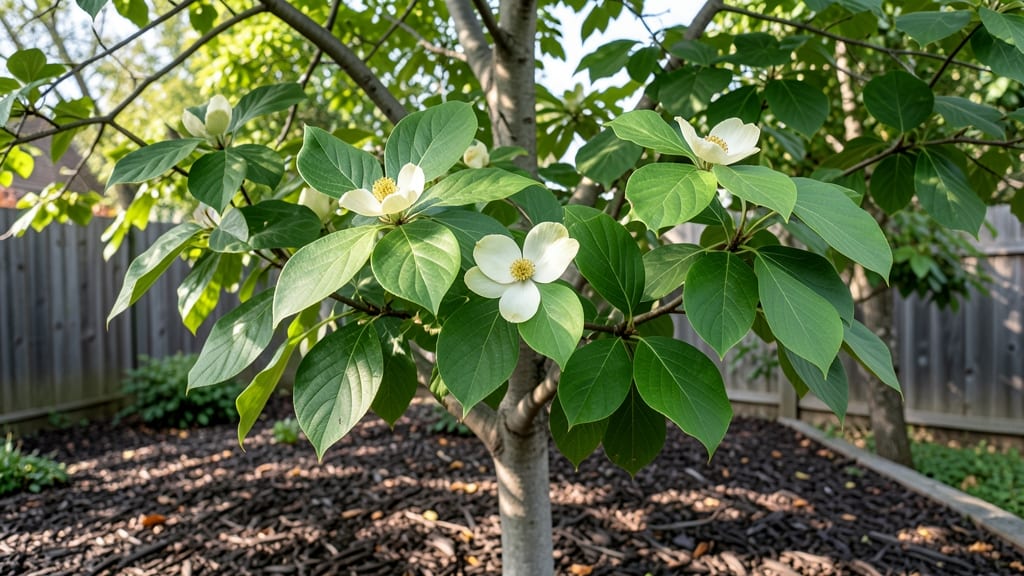
How to take care of a dogwood tree starts with unlocking that showstopping display of spring blooms and vibrant fall foliage—though I’ve learned the hard way that neglecting seasonal pruning turns those promises into disappointment. 🌸 The key isn’t just cutting branches; it’s understanding when, why, and how to shape the tree for maximum health and beauty year after year.
Dogwoods thrive with 6 hours of sunlight daily, well-draining soil rich in organic matter, and consistent moisture—especially in their first two years. Pruning isn’t just about aesthetics; it strengthens the tree’s structure and prevents disease, which dogwoods are surprisingly prone to.
I’ve seen healthy trees turn ragged in a season when pruning was skipped, so timing matters.
By following a three-season pruning schedule—light shaping in late winter, deadwood removal in summer, and cleanup in early fall—you’ll keep your dogwood’s blooms abundant and its branches sturdy.
The payoff? A tree that stays disease-resistant, puts on fresh green growth, and rewards you with stunning spring flowers and fiery autumn leaves every year.
Whether you’re dealing with powdery mildew or struggling to find the right pruning tools, I’ll walk you through the specifics—so you can avoid my early mistakes and enjoy a dogwood that’s the star of your landscape for decades.
📚 In This Guide
- What you need
- Instructions
- Tips and common mistakes
- Wrapping up and next steps
What you need
- ● Pruning shears: Bypass pruners (sharp, clean, and sterilized with rubbing alcohol) for small branches.
- ● Loppers: 6–8" loppers for medium-sized branches (up to 2" in diameter).
- ● Pruning saw: A folding pruning saw for thicker branches (2"–4" diameter).
- ● Gloves: Heavy-duty, cut-resistant gloves (dogwood bark can be sharp!).
- ○ Disinfectant: 70% isopropyl alcohol or a pruning sealant (optional but recommended).
- ● Extension pole: 6–10 ft (for hard-to-reach branches).
- ● Marking twine or flags: For tagging branches to prune (if needed).
- ● Wheelbarrow or bucket: For collecting debris.
- ● Watering can or hose: With a gentle spray nozzle (for post-pruning hydration).
- ● Pruning paint: For sealing large cuts (prevents disease entry).
- ● Tree bag or wrap: To protect the trunk from sunburn after heavy pruning.
- ● Mulch: 2–3 inches of organic mulch (like shredded bark) to retain moisture.
- ● Fertilizer: Slow-release, balanced fertilizer (10-10-10 ratio) for post-pruning nourishment.
- ● Safety gear: Goggles and long sleeves (dogwood thorns can be sneaky!).
Step-by-step guide to year-round dogwood tree care
Dogwoods reward patience with stunning blooms and graceful form—here’s how to keep yours thriving through every season.
🌿 Step 1: Spring Maintenance for New Growth
Start by inspecting your dogwood for winter damage in early spring. Look for broken branches or areas where the bark has split—these need immediate attention. Dogwoods bloom on last year’s wood, so avoid heavy pruning now unless you’re removing dead or diseased limbs. Use sharp, clean pruners to make cuts just outside the branch collar (the swollen area where the branch meets the trunk).
Apply a 2-3 inch layer of organic mulch around the base, keeping it 6 inches away from the trunk. This conserves moisture and regulates soil temperature, which is critical during the tree’s active growth phase. Water deeply once a week if rainfall is below 1 inch—dogwoods prefer consistently moist but well-drained soil. You’ll know you’ve got the right balance when the top 2 inches of soil feel slightly damp but not soggy.
☀️ Step 2: Summer Care for Bloom and Health
During the growing season, focus on watering during dry spells. Dogwoods are drought-sensitive, so aim for 1-2 inches of water per week. The best time to water is early morning—this reduces evaporation and fungal risks. You’ll notice healthy dogwoods developing glossy, dark green leaves and sturdy stems. If you spot yellowing leaves, it’s often a sign of overwatering or poor drainage.
Monitor for pests like borers or scale insects, which target stressed trees. Look for sawdust-like frass or sticky residue on branches. If you find signs, treat with horticultural oil or insecticidal soap in the late afternoon when bees are less active. Prune any suckers or watersprouts that appear at the base—they drain energy from the main trunk and should be removed at ground level.
✂️ Step 3: Fall Pruning for Next Year’s Blooms
Late fall is the ideal time for structural pruning. Remove any branches that cross or rub against each other, as well as those growing inward toward the center of the tree. Thin the canopy by up to 25% to improve air circulation and sunlight penetration. Dogwoods respond well to open, airy forms, so avoid heavy topping—it weakens the tree and reduces flowering potential.
After pruning, apply a balanced, slow-release fertilizer (10-10-10 or similar) around the drip line in early fall. This gives roots time to establish before winter dormancy. Water thoroughly after fertilizing to help nutrients penetrate the soil. By late fall, your dogwood should have shed most of its leaves—this is normal, but ensure the tree isn’t stressed by over-pruning or poor soil conditions.
⏰ Step 4: Winter Protection and Dormancy Prep
Dogwoods are generally cold-hardy, but young trees or those in harsh climates benefit from winter protection. Wrap the trunk with tree guard or burlap to prevent sunscald and rodent damage. Avoid heavy mulching in winter—stick to 2-3 inches to prevent rot. If you’re in a region with heavy snow, gently brush accumulated snow off branches to prevent breakage.
Resist the urge to prune in winter, as dormant trees are more vulnerable to disease. Instead, plan your spring tasks now. Check for signs of winter burn (brown, crispy edges on leaves) in late winter—this is usually temporary and resolves with new growth. If your dogwood is established, it should emerge in spring with vibrant foliage and next year’s flower buds already forming.
Tips & tricks for perfect year-round dogwood care
Between us, dogwoods are the unsung heroes of landscaping—elegant, low-maintenance, and packed with seasonal surprises. Here’s what nobody tells you about keeping yours thriving through all four seasons.
Spring Inspection Secret: When examining your dogwood in early spring, pay special attention to the branch collars—the swollen areas where branches meet the trunk. These are the tree’s natural healing points, and cutting just outside them (as instructed) prevents unsightly wounds that can attract pests. I’ve seen too many dogwoods decline because pruning cuts were made too close to the collar, creating entry points for disease. Use a sharp pruner and make clean cuts at a slight angle to minimize damage.
Mulching Mastery: That 2-3 inch layer of organic mulch isn’t just decorative—it’s a moisture regulator and temperature stabilizer. The key is keeping it 6 inches away from the trunk to prevent rot and pest infestations. I recommend using shredded bark or wood chips, which break down slowly and improve soil structure over time. Pro tip: Refresh the mulch annually in early spring to maintain its protective properties throughout the growing season.
Watering Wisdom: Dogwoods are drought-sensitive, but overwatering is just as damaging. The goal is consistently moist but well-drained soil—think of it as maintaining a damp sponge, not a swamp. In Step 1, when you’re checking soil moisture, press your finger about 2 inches deep. If it feels like a wrung-out sponge, you’re golden. If it’s bone dry, water deeply until moisture reaches that depth. Early morning watering is non-negotiable—it reduces fungal risks and gives roots time to absorb moisture before the heat of the day.
Fertilizer Timing: That fall fertilizer application (10-10-10 or similar) is your tree’s winter prep course. The critical detail here is applying it around the drip line—not just at the base—so nutrients reach the outer roots where most feeding happens. After fertilizing, water thoroughly to help nutrients penetrate the soil. I’ve found that splitting the fertilizer into two applications—once in early fall and again in late winter—gives roots a steady nutrient supply without overwhelming the tree. Just avoid fertilizing in late summer or fall, as new growth won’t have time to harden off before winter.
Pro Tips for Take Care Of A Dogwood Tree
- Between us, dogwoods are the unsung heroes of landscaping—elegant, low-maintenance, and packed with seasonal surprises.
- Spring Inspection Secret: When examining your dogwood in early spring, pay special attention to the branch collars—the swollen areas where branches meet the trunk.
- Mulching Mastery: That 2-3 inch layer of organic mulch isn’t just decorative—it’s a moisture regulator and temperature stabilizer.
Frequently asked questions
Got questions about keeping your dogwood tree thriving? Here are some common ones—and their answers!
When is the best time to prune a dogwood tree?
Prune your dogwood tree after flowering (late spring to early summer) to avoid cutting off next year’s blooms. Light shaping can also be done in late winter or early spring before buds swell, but avoid heavy pruning in fall—it can stress the tree.
Why are my dogwood leaves turning brown or yellow?
Brown or yellow leaves often signal fungal disease (like powdery mildew) or environmental stress. Check for pests, overwatering, or poor drainage. If disease is suspected, prune affected branches and apply fungicide. Ensure proper spacing for airflow to prevent future issues.
Do dogwood trees need winter protection?
Young or newly planted dogwoods may benefit from mulch (2–3 inches around the base) to insulate roots. Mature trees usually handle winter well, but avoid heavy snow buildup on branches—gently shake it off to prevent breakage.
Can I grow a dogwood tree in a container?
While possible, dogwoods thrive best in ground plantings due to their extensive root systems. If container-grown, use a large pot (15+ gallons) with well-draining soil and repot every 2–3 years. Expect slower growth and smaller blooms compared to in-ground trees.
Are dogwood trees toxic to pets or wildlife?
Yes! All parts of the dogwood tree contain toxic compounds (like cyanogenic glycosides) that can cause vomiting or diarrhea if ingested. Keep pets and curious critters away from fallen leaves or fruit. If poisoning is suspected, contact a vet or wildlife rehabilitator immediately.
Wrapping up and next steps
Caring for your dogwood tree is a rewarding journey that brings year-round beauty to your landscape!
By following seasonal pruning tips, ensuring proper watering, and protecting against pests, you’ll help your tree thrive for decades. Now that you’re equipped with the know-how, it’s time to roll up your sleeves and give your dogwood the love it deserves.
Ready to transform your yard? Start by scheduling your next pruning session—whether it’s shaping those delicate branches in late winter or cleaning up after spring blooms. Review the step-by-step guide one last time, then grab your tools and get growing! 🌿✨