Pruning
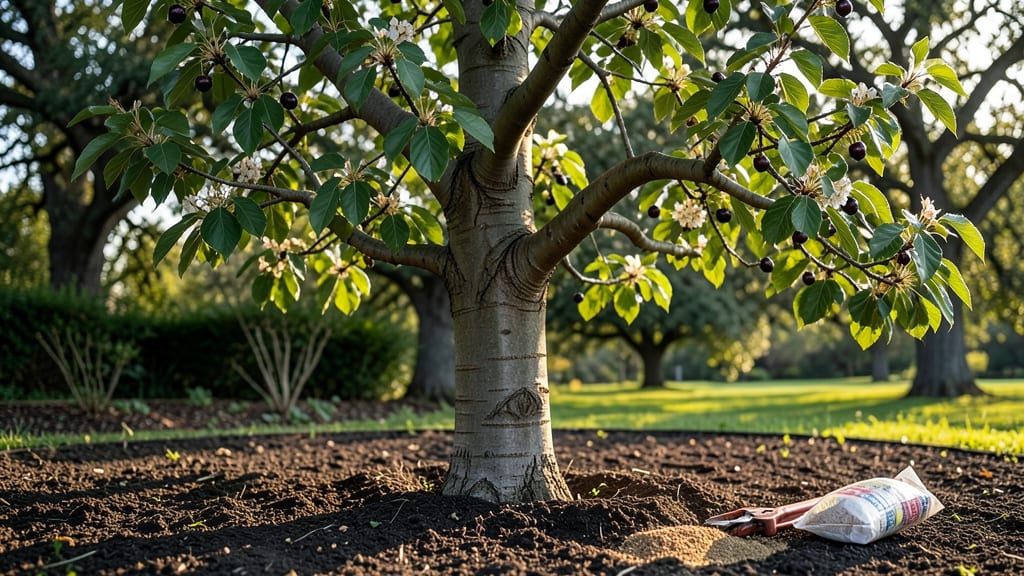
Pruning your cherry tree in Houston’s late winter isn’t just about shaping—it’s about preparing for the brutal Texas heat ahead. 🌿 I’ve learned the hard way that skipping this step means weaker branches, fewer cherries, and trees struggling to handle Houston’s relentless humidity.
The right cuts now mean a stronger canopy come summer, when temperatures can push 100°F.
You’ll need sharp pruning shears, a ladder (for taller trees), and a clear day to work—Houston’s sudden afternoon thunderstorms can turn a pruning session into a soggy mess. Focus on removing dead wood first, then thinning out crowded branches to improve airflow.
This isn’t just about aesthetics; it’s about survival in our climate. My ‘Stella’ cherry tree went from half-bare to lush and fruitful after one proper pruning session.
What you’ll end up with is a tree that handles Houston’s heat with ease—thicker branches, more shade, and better fruit production. The key is timing: prune after the last frost but before new growth starts, usually in February.
You’ll see new shoots within 4-6 weeks, and by summer, your tree will be the envy of the neighborhood. The best part? Fewer pests and diseases clinging to crowded branches.
Works for both ornamental and fruit-bearing varieties like ‘Royal Lee’ or ‘Bing’, though dwarf varieties need less aggressive pruning. Houston’s heat means you’ll need to water deeply after pruning—think 1-2 inches per week—to help the tree recover. Let’s get those branches in shape for summer!
📚 In This Guide
- What you need
- Instructions
- Tips and common mistakes
- Wrapping up and next steps
What you need
- ● Pruning shears: Bypass pruners (sharp, clean, and sterilized with rubbing alcohol to prevent disease spread). Size: 6–8 inches for small branches.
- ● Loppers: For thicker branches (½–1½ inches). Quantity: 1 pair with bypass blades (avoid anvil types—they crush wood).
- ● Pruning saw: For branches >1½ inches. Type: Curved-tooth saw for clean cuts.
- ● Gloves: Heavy-duty, cut-resistant gloves (Houston’s thorns aren’t joking!).
- ● Ladder: Sturdy, extendable (20–30 ft) with a non-slip base for tall trees.
- ● Disposable pruning bags: 2–3 large bags (10–15 gallon) to collect debris.
- ● Rubbing alcohol (70%+) or bleach solution: For sterilizing tools between cuts.
- ○ Tree wound sealant (optional but recommended): Pruning paste for cuts >½ inch (helps prevent disease in Houston’s damp climate).
- ● Work boots: Steel-toe or composite-toe for protection.
- ● Safety glasses: To shield eyes from debris.
- ● Water spray bottle: Small, for dampening saw blades to reduce dust.
- ● Pole pruner: For high branches (extends reach up to 12 ft).
- ● Tree spray: Fungicide (e.g., copper-based) if your tree has signs of disease.
- ● Marking twine: To outline cuts before pruning.
- ● Portable leaf blower: For quick cleanup (Houston’s heat = no time for sweeping!).
- ● First-aid kit: Just in case (Houston’s thorns + ladders = oops potential).
Step-by-Step guide for pruning cherry trees in Houston’s late winter
Here’s how to shape your tree for Texas summers while keeping it healthy.
🌿 Step 1: Assess and Plan Your Pruning Strategy
Start by examining the tree’s structure in natural light—early morning works best. Look for dead, diseased, or crossing branches (those rubbing against each other). These are your top priorities. Houston’s humidity means fungal issues spread fast, so removing compromised wood first prevents bigger problems later.
Next, identify the tree’s natural growth pattern. Cherry trees often grow in a vase shape—thicker branches at the bottom, tapering upward. Preserve this form by focusing cuts on suckers (shoots at the base) and water sprouts (vertical shoots in the canopy). Sketch a rough plan if needed; I always jot down which branches to keep or remove to avoid over-pruning.
✂️ Step 2: Use Proper Tools and Techniques for Clean Cuts
Grab your bypass pruners for branches under ½ inch thick and a pruning saw for anything larger. Always make cuts at a 45-degree angle, just outside the branch collar (the swollen area where the branch meets the trunk). This ensures the tree seals the wound properly and reduces disease entry points.
For larger branches, make a undercut first to prevent tearing the bark. Start about 12 inches out from the trunk, then cut downward to avoid bark stripping. Houston’s heat can stress trees, so limit yourself to removing no more than 25% of the canopy in one session. This keeps the tree’s energy focused on recovery, not regrowth.
🌱 Step 3: Remove Deadwood and Thin the Canopy
Dead branches snap easily—if a limb breaks under slight pressure, it’s dead. Remove these first, cutting back to the branch collar. Next, thin the canopy by selecting branches that improve air circulation. Aim for a 6-8 inch spacing between branches to reduce humidity buildup, which is critical in Houston’s climate.
Watch for water sprouts—those fast-growing vertical shoots. While they might seem harmless, they steal energy from fruit production. Snip them off at the base. For suckers at the tree’s base, cut them flush with the ground. These aggressive shoots can overtake the tree if left unchecked, especially in warm winters like Houston’s.
☀️ Step 4: Shape for Sun Exposure and Summer Resilience
Step back and visualize how sunlight will hit the tree in summer. Houston’s intense sun can scorch leaves if the canopy is too dense. Open the center slightly to let light penetrate to the inner branches. This also improves fruit ripening, as cherries need full sun for sweetness.
Focus on creating an open vase shape**—this allows air to flow through the tree, reducing fungal risks. Avoid heavy pruning on one side, as this can cause uneven growth or stress. If you’re unsure, prune symmetrically to maintain balance. A well-shaped cherry tree in Houston will handle the heat better and produce more fruit.
💧 Step 5: Post-Pruning Care for Recovery
After pruning, water the tree deeply to help it recover. Houston’s dry spells can stress newly trimmed trees, so aim for 1-2 inches of water per week, either from rain or irrigation. Avoid fertilizing immediately—pruned trees need time to heal before adding nutrients.
Keep an eye on the tree for the next few weeks. If you see oozing sap or fungal growth at cut sites, apply a pruning sealant (optional but helpful in humid climates). Most importantly, resist the urge to over-prune. Cherry trees are resilient, but Houston’s heat demands patience. Your tree will thank you with stronger growth and better fruit next season.
Tips & tricks for pruning cherry trees in Houston
Here's what I learned after years of pruning cherry trees in Houston's brutal heat—these tricks make all the difference.
Timing is Everything: Houston's late winter (February-March) is ideal because the tree is dormant but about to wake up. Prune just before bud break—you'll notice tiny swellings on branches. This timing prevents stressing the tree during active growth and gives it time to heal before summer's heat arrives. The 25% canopy rule from Step 2 becomes even more critical in Houston's heat, where trees struggle with rapid regrowth.
Tool Prep Matters: Sharpen your bypass pruners and pruning saw before starting—dull tools tear bark and create larger wounds. I always clean tools with rubbing alcohol between cuts, especially in Houston's humidity where fungal spores spread quickly. For larger branches, make your undercut about 12 inches out from the trunk, then cut downward to preserve the branch collar. This technique prevents bark stripping that can invite pests and disease in our warm climate.
Visual Cues for Houston's Climate: When thinning the canopy (Step 3), look for branches that cast shadows on others—these block sunlight and create humidity pockets perfect for fungal growth. Aim for that 6-8 inch spacing between branches to maximize airflow. In Houston's heat, even small improvements in air circulation can mean the difference between a healthy tree and one struggling with brown rot or other fungal issues. The open vase shape from Step 4 isn't just aesthetic—it's essential for summer resilience.
Post-Pruning Recovery Hack: After pruning, I always water deeply to help the tree recover, but here's the Houston-specific tip: apply a thin layer of mulch around the base (but not touching the trunk) to retain moisture. Our clay soil drains too quickly, and newly pruned trees need consistent moisture. The 1-2 inches of water per week mentioned in Step 5 should come from a combination of rainfall and irrigation—don't rely on rain alone during our dry spells. Watch for oozing sap at cut sites, which is normal but can attract insects if left unchecked.
Pro Tips for Cherry Tree Houston
- Here's what I learned after years of pruning cherry trees in Houston's brutal heat—these tricks make all the difference.
- Timing is Everything: Houston's late winter (February-March) is ideal because the tree is dormant but about to wake u...
- Tool Prep Matters: Sharpen your bypass pruners and pruning saw before starting—dull tools tear bark and create larger...
Frequently asked questions
Got questions about pruning your cherry tree in Houston? You’re not alone! Whether you're a first-time pruner or just want to refine your technique, here are some of the most common concerns—and their answers—to help you prepare for late-winter trimming.
When is the best time to prune a cherry tree in Houston?
Late winter (February to early March) is ideal for pruning Prunus serrulata or Prunus avium varieties in Houston’s climate. This timing promotes healthy growth before spring blooms while avoiding late-season pests. Pro tip: Prune after the last frost but before buds swell—aim for mid-February for optimal results.
How much can I trim without harming my cherry tree?
Never remove more than 25% of the tree’s canopy in a single session. For Houston’s heat, focus on light shaping and deadwood removal—avoid heavy cuts. Over-pruning stresses the tree, especially in Texas’s intense summers. Tip: Use a sharp bypass pruner for clean cuts to prevent disease.
Will pruning attract pests like borers or aphids?
Pruning opens the tree to pests, but proper technique minimizes risks. Sanitize tools with rubbing alcohol between cuts, and seal larger wounds with pruning sealant (optional for Houston’s humidity). Time your cuts for dry, cool days to reduce stress. Watch for: Sawdust-like frass or sticky sap—signs of infestation.
Can I prune a cherry tree in Houston’s summer heat?
Avoid pruning during peak summer (June–September)—the heat and humidity stress the tree, and open wounds invite fungal infections. If you must trim, do it early morning or late evening and water thoroughly afterward. Warning: Summer pruning can delay blooming and fruit production.
Will pruning reduce my cherry tree’s fruit yield?
Not if done correctly! Pruning improves airflow and sunlight, which actually boosts fruit quality and yield over time. Remove water sprouts and crossing branches first—these compete with fruit-bearing limbs. Goal: Aim for an open-center shape to maximize harvest potential.
What if I missed the late-winter window? Can I still prune?
Yes, but adjust your approach. Spring pruning (March–April) is acceptable for light maintenance, but avoid heavy cuts. For dormant pruning, wait until next winter. If your tree is overgrown, space trims over 2–3 years to avoid shock. Pro move: Focus on deadwood removal first.
Wrapping up and next steps
Pruning your cherry tree in Houston during late winter isn’t just about shaping—it’s about setting the stage for a thriving, heat-resistant tree that rewards you with stunning blooms and delicious fruit.
By following the right techniques, timing, and tools, you’ll protect your tree from Texas’s intense summers while encouraging strong growth and vibrant health. 🌳✨
Ready to give your cherry tree the care it deserves? Grab your pruners, mark your calendar for February or early March, and get started—your tree (and future fruit harvests!) will thank you. Happy pruning!