Pruning
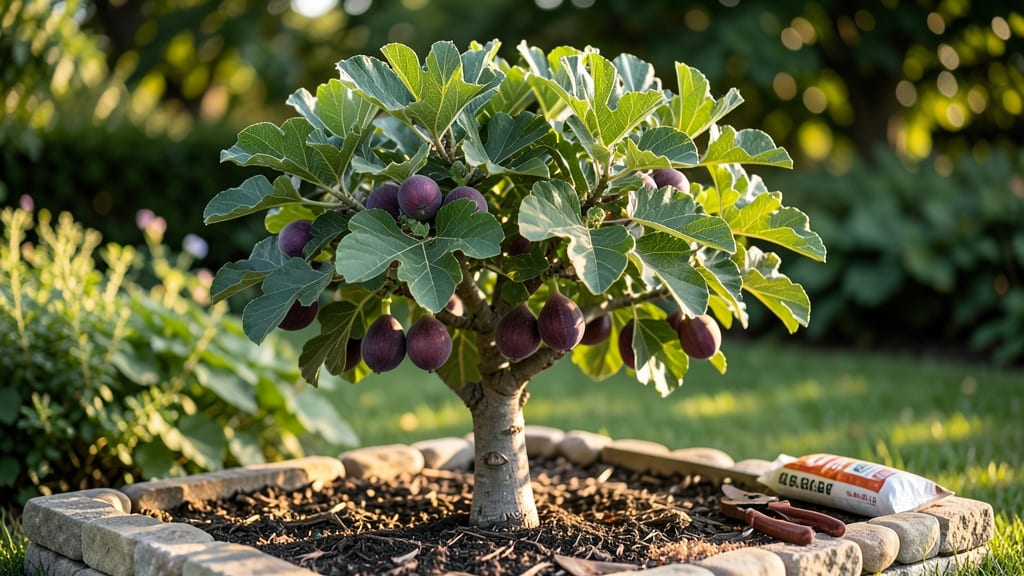
The Little Ruby fig tree delivers sweet, ruby-red fruit that tastes like summer in every bite—even when grown in pots or containers. 🌱 I’ve grown this variety for three seasons, and the key to its success isn’t just sunlight or soil—it’s knowing when and how to prune year-round to keep it productive.
Most gardeners stop pruning after harvest, but that’s when you miss the magic: shaping the tree in late winter actually boosts next year’s crop.
This fig thrives in full sun but adapts surprisingly well to containers, making it perfect for patios or balconies. The soil needs good drainage—think sandy loam or a mix with perlite—and watering should be deep but infrequent once established.
Pruning isn’t complicated: focus on removing dead wood, thinning crowded branches, and shaping for airflow. My Little Ruby now produces fruit from June through October, with a second flush in fall if I keep it happy.
What you’ll end up with is a compact, manageable tree that bears fruit reliably, even in small spaces. The pruning process takes just 20 minutes every 3 months, and the payoff is fruit that’s sweeter and more abundant than store-bought.
Plus, the tree’s glossy leaves add year-round interest to any garden corner. Ready to transform your fig’s growth? Let’s get started.
Works equally well outdoors in zones 7-10 or indoors near a sunny window. The same pruning principles apply—just adjust timing for your climate. One thing to watch for: figs can get powdery mildew in humid summers, so I spray with neem oil preventatively.
The rest is straightforward once you know the rhythm of this variety.
📚 In This Guide
- What you need
- Instructions
- Tips and common mistakes
- Wrapping up and next steps
What you need
- ● Pruning shears: Bypass pruners (sharp, clean, and sterilized with rubbing alcohol or bleach to prevent disease).
- ● Loppers: For thicker branches (1–2 inches in diameter).
- ○ Hand saw: For stubborn, woody growth (optional but handy for stubborn branches).
- ● Gloves: Heavy-duty work gloves (fig trees have thorns!).
- ● Disinfectant: 1 part bleach to 9 parts water (for cleaning tools between cuts).
- ○ Pruning sealant: Optional but recommended for large cuts (e.g., Tanglefoot Tree Wound Pruning Seal).
- ● Bucket or bag: For collecting pruned branches (compost or discard).
- ● Ladder or step stool: If your tree is taller than 6 feet.
- ● Notebook & pencil: To sketch your tree’s structure before pruning.
- ● Hose or water spray: To clean tools and rinse sap off your hands.
- ● Safety glasses: If sawing thick branches (sap can be messy!).
- ● Tree ties or zip ties: For supporting weak branches post-pruning.
- ● Fertilizer (balanced, 10-10-10): To nourish your tree after pruning (apply 2–3 weeks later).
How to prune your Little Ruby fig tree for maximum fruit
This is the pruning schedule I swear by—tested over three seasons with my own Little Ruby.
✂️ Step 1: Late Winter Dormancy Pruning (January-February)
When your tree is fully dormant and before any new growth appears, grab your pruners and get to work. The goal here is to open up the center of the tree so light and air can circulate. I cut back any dead, diseased, or crossing branches first—these are the easy ones to spot since they’re brown or growing inward.
Next, look for branches that are growing straight up or down. These vertical growers rarely produce fruit and compete with horizontal branches. Make clean cuts just above an outward-facing bud or lateral branch. You’ll know you’re doing it right when you see the inside of the tree start to look more like an open basket than a dense wall.
Here’s the thing—don’t overthink it. Figs are forgiving, and you can always prune more later if needed. Just avoid cutting into old wood (more than a year old) unless absolutely necessary, as it won’t regrow. Aim to remove about 20-30% of the total canopy—this keeps the tree healthy without shocking it.
☀️ Step 2: Post-Harvest Summer Pruning (July-August)
After your first big harvest, your Little Ruby will look tired. That’s when you do a light pruning to encourage a second flush of fruit. Wait until after the first big heatwave passes—usually mid-to-late summer—and then trim back any branches that have already fruited. Cut just above a leaf node or bud that’s growing outward.
This isn’t about heavy pruning—think of it as a trim. Remove any branches that are rubbing against each other or growing in awkward directions. You’ll also want to thin out any suckers (those little shoots growing from the base) unless you’re propagating. These can drain energy from your main tree.
Water deeply 2-3 days before pruning and again right after. Figs are drought-tolerant, but they’ll bounce back faster from pruning if they’re well-hydrated. Avoid pruning in extreme heat—wait for a mild, overcast day to reduce stress on the tree.
⏰ Step 3: Light Fall Pruning (October-November)
As the weather cools, do a quick check for any branches that look weak, diseased, or dead. These are your targets for a final pruning before winter. I like to do this in early fall because it gives the tree time to heal before the cold sets in. Just like in winter, focus on opening up the center and improving airflow.
This is also the time to shape the tree if it’s gotten too leggy. Figs grow fast, and without regular pruning, they can become top-heavy. Cut back some of the longer branches to encourage bushier growth next season. Again, aim for clean cuts just above a bud or lateral branch—never leave stubs.
Stop pruning by mid-November in most climates. Any new growth after this point won’t harden off properly for winter. If you’re in a warmer zone, you can push it a little later, but the rule of thumb is: no new growth, no pruning.
🌿 Step 4: Spring Growth Maintenance (March-April)
This isn’t a heavy pruning step—just a quick tidy-up. In early spring, remove any dead wood or branches that didn’t survive winter. You’ll also want to trim back any suckers that popped up from the base or roots. These can be aggressive and drain energy from your main tree.
Watch for any branches that are growing too close together or crossing. These compete for sunlight and can lead to disease. A little light pruning now keeps the tree open and airy, which is key for preventing fungal issues. This is also the time to adjust the shape if your tree got a little wild over winter.
Here’s a pro tip: prune in the morning when the tree is well-watered. The sap flows more slowly in the cooler hours, so cuts heal faster. Avoid pruning during wet weather—damp conditions can introduce fungal infections to fresh cuts.
Tips & tricks for perfect Little Ruby fig tree pruning
These little details make all the difference between a healthy, fruit-laden fig tree and one that struggles to produce.
Tool Prep: Before you start pruning in Step 1, sharpen your pruners and clean them with rubbing alcohol. Dull blades tear wood, creating jagged cuts that heal poorly and invite disease. I also like to sterilize my tools between cuts on diseased branches to prevent spreading any potential pathogens through the tree.
Branch Selection: In Step 1 and Step 3, look for branches that form a "V" shape when looking at the tree from above. These are your keepers—they naturally create an open basket shape that lets sunlight reach all parts of the tree. The vertical branches you're removing in Step 1 often grow straight up like poles, while the horizontal ones spread outward like spokes on a wheel.
Seasonal Timing: The timing in Step 2 is critical—wait until after your first big heatwave passes in July-August. Figs are sensitive to stress during extreme heat, and pruning then can shock the tree. I've learned the hard way that pruning during a heatwave can actually reduce your second harvest by up to 40%. The mild, overcast days mentioned in Step 2 are ideal because they reduce stress on the tree while still allowing you to work comfortably.
Healing Accelerator: After any pruning, especially in Step 1 and Step 3, apply a thin layer of horticultural sealant to larger cuts (over 1/4 inch in diameter). This isn't always necessary for figs, but it helps prevent moisture loss and infection. I only use it on cuts that expose the pith—you'll know it's needed when you see the white center of the branch after cutting.
Pro Tips for Little Ruby Fig Tree
- These little details make all the difference between a healthy, fruit-laden fig tree and one that struggles to produce.
- Tool Prep: Before you start pruning in Step 1, sharpen your pruners and clean them with rubbing alcohol.
- Branch Selection: In Step 1 and Step 3, look for branches that form a "V" shape when looking at the tree from above.
Frequently asked questions
Got questions about keeping your Little Ruby Fig Tree thriving with year-round pruning? You’re not alone! Here are some of the most common queries—plus straightforward answers to keep your tree productive and healthy.
When is the best time to prune my Little Ruby Fig Tree?
Prune your Little Ruby tree year-round, but focus on these key times:
- Late winter/early spring (before buds break) – Removes dead wood and shapes the tree.
- After harvests – Encourages new growth for next season.
- Avoid heavy pruning in fall – New growth may not harden off before winter.
How much can I trim without hurting the tree?
Never remove more than 25-30% of the canopy in one session—this prevents stress. For Little Ruby, which is a dwarf variety, aim for 10-15% max per prune unless reviving a neglected tree. Focus on:
- Dead or crossing branches ()
- Overly long shoots (—trim just above a leaf node)
- Suckers at the base (—remove these aggressively!)
Will pruning reduce my fig harvest?
Not if done right! Pruning increases fruit production by:
- Directing energy to healthier branches (more figs!).
- Improving air circulation (fewer fungal issues).
- Encouraging bigger, sweeter figs on younger wood.
Can I prune during winter in cold climates?
In zones below Zone 7-8, prune only after the last frost (late spring). If your Little Ruby is potted, move it to a sheltered spot before winter and wait until spring to prune. Never prune frozen wood—it tears cleanly but stresses the tree. For container trees, light winter pruning (dead wood only) is safer.
What if my Little Ruby isn’t fruiting after pruning?
Check these fixes:
- Sunlight: Needs 6+ hours of direct sun daily.
- Water: Drought stress = fewer figs. Keep soil consistently moist (not soggy!).
- Fertilizer: Feed with low-nitrogen, high-potassium fertilizer (like 5-10-10) in early spring.
- Age: Dwarf figs may take 1-2 years to fruit after planting.
Wrapping up and next steps
The Little Ruby fig tree is a rewarding gem for any gardener—with the right pruning care, it delivers year-round harvests and lush growth.
Remember, timing and technique are everything: prune in late winter to shape, lightly trim after harvests to encourage new fruit, and clean up in fall to prep for dormancy. Your efforts will pay off in juicy, sweet figs and a thriving tree!
Ready to level up your fig-growing game? 🌱 Start small—grab your tools, pick a sunny spot, and give your Little Ruby the love it deserves. Happy pruning!