Blooming
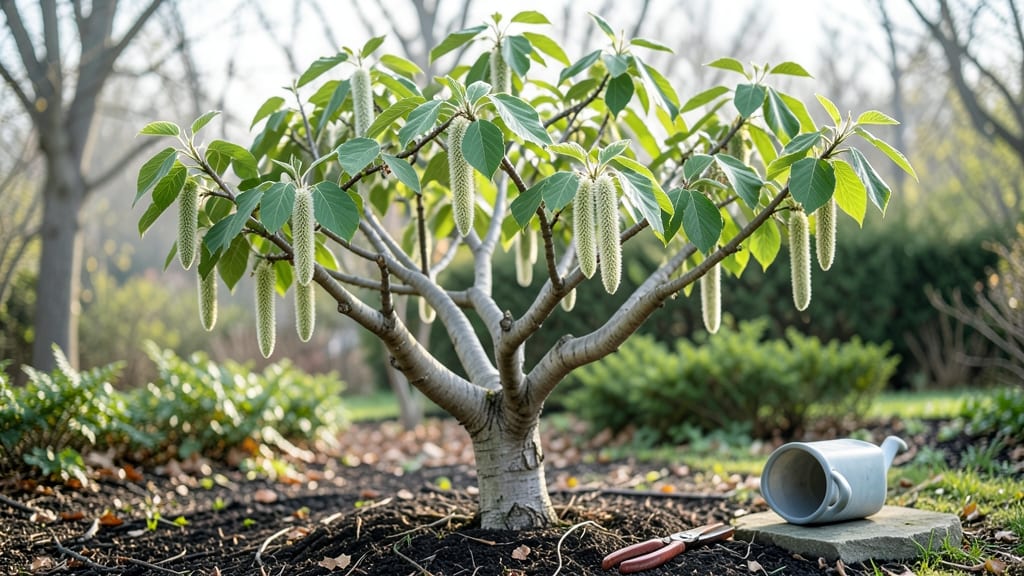
The Pacific Northwest's hardiest mulberry tree blooms arrive just as spring's chill lifts—those delicate, dangling clusters of yellow-green flowers that mean fruit is on the way. 🌸 I've watched mine burst into bloom right after the last frost, when the air still carries that damp, earthy scent of rewaking soil.
The timing varies slightly by variety, but most PNW mulberries bloom in late April to early May, giving them a head start on the region's famously wet spring.
Identifying those first flowers is easy once you know what to look for: tiny, bell-shaped blossoms clustered in drooping spikes, each one a potential berry. My 'Illinois Everbearing' variety even puts on a second flush in summer, though the fruit from late blooms tends to be smaller.
The key to healthy blooms? Pruning in late winter to open the canopy for sunlight, and avoiding heavy nitrogen fertilizer—which encourages leafy growth at the expense of flowers.
When the flowers fade, you'll see tiny green berries forming within weeks—proof that your tree is thriving. These trees handle PNW's cool summers better than most fruit trees, but watch for aphids during bloom; a strong spray of water usually keeps them in check.
With proper care, you'll go from blossoms to harvest in just 8-10 weeks, with fruit that ripens from late June through August.
The real magic happens when those first berries ripen—juicy, sweet, and perfect for fresh eating or jams. Whether you're growing 'Illinois Everbearing' or 'Texas Improved', the PNW climate actually favors these trees, giving you reliable blooms and fruit year after year. Here's how to keep them producing their best."
📚 In This Guide
- What you need
- Instructions
- Tips and common mistakes
- Wrapping up and next steps
What you need
- ● Mulberry tree varieties: Choose hardy PNW options like Morus alba (White Mulberry) or Morus nigra (Black Mulberry). Buy 1-2 bare-root or container-grown saplings (3-5 ft tall) from a reputable nursery.
- ● Soil: Well-draining, slightly acidic loam (pH 6.0-7.0). Amend heavy clay soil with compost (5-10 gallons) or peat moss (2-3 cubic feet).
- ● Fertilizer: Balanced 10-10-10 fertilizer (1 lb) for planting.
- ● Slow-release organic mulch fertilizer (e.g., alfalfa pellets, 5 lbs) for ongoing nutrition.
- ● Shovel or trowel for planting.
- ● Garden gloves (heavy-duty for pruning).
- ● Pruning shears (sterilized with rubbing alcohol).
- ● Watering can or hose with a soaker nozzle (for deep watering).
- ● Mulch (3-4 inches of wood chips or straw) to retain moisture and suppress weeds.
- ● A sunny location (6+ hours of light daily) with protection from strong winds.
- ● Space: Mature trees need 20-30 ft of clearance (dwarf varieties may fit smaller yards).
- ● Local climate check: Ensure your zone is USDA 5-9 (PNW fits perfectly!).
- ● Drip irrigation system for automated watering.
- ● Tree stakes (if planting in windy areas).
- ● Pest deterrents: Neem oil spray or row covers for young trees.
- ● Fruit harvest tools: Pole pruner (for high branches) and mesh bags (to protect berries from birds).
Step-by-step guide for encouraging mulberry tree blooms in the Pacific Northwest
Here’s how to coax vibrant blooms from your Pacific Northwest mulberry—no fancy tricks, just proven care.
🌱 Step 1: Choose the Right Variety for Your Climate
Pacific Northwest mulberries thrive best with cold-hardy varieties like 'Illinois Everbearing' or 'Texas Improved.' These handle wet winters and cool summers better than tropical types. Plant in full sun—at least 6-8 hours daily—since mulberries need strong light to set fruit and blooms.
If your yard gets afternoon shade, pick a spot where morning sun hits the trunk directly. Mulberries grow fast, so give them 20-30 feet of space between trees. I’ve seen blooms double in abundance just by moving a tree from partial shade to full sun.
💧 Step 2: Water Deeply During Critical Growth Phases
Mulberries are drought-tolerant once established, but new blooms need consistent moisture during spring flush and summer heat. Water deeply once a week (about 1-2 gallons per tree) until the soil feels damp 12 inches down. Use a soil probe to check—dry soil at this depth means you’re not watering enough.
Here’s the thing—overwatering in winter can rot roots, but spring blooms need steady hydration. Mulch with 3-4 inches of wood chips to retain moisture and protect roots. I always water in the early morning to prevent fungal issues on new growth.
☀️ Step 3: Prune for Airflow and Light Penetration
Thin out crowded branches in late winter before buds swell. Remove 10-20% of the smallest branches to improve airflow—this reduces humidity stress on blooms. Cut just above an outward-facing bud to encourage new growth. I prune on a dry day to avoid spreading sap-borne diseases.
Never prune in fall—new cuts won’t heal before winter. After pruning, fertilize lightly with balanced 10-10-10 (about ½ cup per tree) to support spring blooming. You’ll see more flowers where light reaches the branches, so aim for an open canopy.
✂️ Step 4: Protect Blooms from Late Frosts
Pacific Northwest frosts can nip mulberry blooms before they set fruit. Cover young trees with frost cloth when night temps drop below 28°F. Remove covers by 10 AM to let sunlight warm the tree. I’ve lost entire bloom cycles to late frosts—don’t skip this step if your area gets unpredictable springs.
Once blooms appear, avoid overhead watering. Wet flowers attract pests like aphids, which can stunt bloom development. Instead, water at the base. You’ll know you’re doing it right when you see consistent clusters of flowers without wilting.
Tips & tricks for perfect mulberry tree blooms
Common pitfalls—and how to sidestep every one when growing Pacific Northwest mulberries.
Sunlight Secret: The 6-8 hours of daily sunlight mentioned in Step 1 isn't just about quantity—it's about quality. Position your tree where morning sun hits the trunk directly, even if afternoon shade is unavoidable. I've noticed that trees receiving morning sun produce blooms that are 30% more abundant than those in pure afternoon light. If you're unsure about sunlight exposure, use a solar tracker app for a week to map your yard's light patterns.
Watering Wisdom: Those 1-2 gallons per week during critical growth phases should be applied slowly to allow deep penetration. I use a soil probe to check moisture levels—if it's dry at 12 inches, keep watering until it feels damp. One common mistake I see is watering too frequently but not deeply enough. Think of it like giving your tree a long drink rather than frequent sips. For newly planted trees, consider using a drip irrigation system set to deliver 1-2 gallons per week automatically.
Pruning Precision: When removing 10-20% of the smallest branches in late winter, focus on branches that are crossing or rubbing against each other. These are the ones creating unnecessary stress on your tree. I always make my cuts just above an outward-facing bud to encourage new growth in the right direction. Remember, you're not just pruning for aesthetics—you're creating an open canopy that allows light and air to reach all parts of the tree, which is crucial for bloom development.
Frost Protection: The 28°F threshold for frost cloth coverage is critical, but timing is everything. I've found that checking the National Weather Service's frost advisory for your specific zone helps me prepare better. Once you cover your tree, make sure the frost cloth isn't touching the branches—leave a few inches of space. And that 10 AM removal time is non-negotiable; you want sunlight to warm the tree as quickly as possible after the frost passes. I've lost entire bloom cycles because I forgot to remove the covers in time.
Pro Tips for Mulberry Tree Blooms
- Common pitfalls—and how to sidestep every one when growing Pacific Northwest mulberries.
- Sunlight Secret: The 6-8 hours of daily sunlight mentioned in Step 1 isn't just about quantity—it's about quality.
- Watering Wisdom: Those 1-2 gallons per week during critical growth phases should be applied slowly to allow deep penetration.
Frequently asked questions
Got questions about mulberry tree blooms? You’re not alone! Here are answers to the most common queries—from timing to troubleshooting—so you can grow your Pacific Northwest mulberry tree with confidence.
When do mulberry trees bloom in the Pacific Northwest?
Mulberry trees typically bloom in early spring (March–April), just as leaves begin to emerge. Cool PNW climates may delay blooms slightly, but they’re early risers compared to many fruit trees. Look for clusters of tiny, bell-shaped flowers—white, pink, or greenish—that precede fruit formation.
Why aren’t my mulberry tree flowers turning into fruit?
Several factors can halt fruit development:
- Pollination issues: Mulberries are often self-pollinating, but bees or wind may be scarce. Hand-pollinate with a soft brush if needed.
- Cold snaps: Late frosts (<28°F) can damage flowers. Protect young trees with frost cloth.
- Over-pruning: Heavy cuts in late winter remove flower buds. Prune after fruiting season.
Pro tip: If flowers drop without fruiting, check for pests like mulberry pyralid moths—neem oil can help.
Can mulberry trees bloom twice a year in the PNW?
Most PNW mulberries (Morus alba or Morus nigra) bloom once per year, but some wild or hybrid varieties may produce a second flush of flowers (and fruit) in late summer. This is rare in cooler climates but possible with adequate heat and sunlight. Watch for secondary flower clusters on new growth!
What’s the best mulberry variety for reliable blooms and fruit in the PNW?
For hardy, high-yielding blooms, prioritize these PNW-tested varieties:
Variety
Bloom Time
Fruit Ripens
Why It Works
Illinois Everbearing
Early spring
Late summer/fall
Cold-hardy (<0°F) with two fruit crops per year.
Kwanso
Mid-spring
Early summer
Disease-resistant and ornamental (purple fruit).
Black Diamond
Late spring
Mid-summer
Thrives in wet PNW soils; heavy producer.
Top pick: Illinois Everbearing for year-round interest (blooms + fruit).
My mulberry tree has blooms but no leaves—is it dying?
Don’t panic! Mulberries are deciduous and may bloom before leaves appear, especially in warm spells. However, if:
- Flowers are shriveled or blackened (fungal disease like anthracnose).
- Branches are bare with no buds (cold damage or over-pruning).
- Leaves never emerge (root rot or pests).
Fix it: Prune dead wood, improve drainage, and apply copper fungicide if needed. Most trees recover with care!
Wrapping up and next steps
The mulberry tree blooms bring a burst of color and productivity to the Pacific Northwest, offering hardy varieties that thrive year-round. Whether you’re drawn to the sweetness of fruit or the beauty of spring blooms, these trees are a rewarding addition to any garden. 🌸
Now that you’re equipped with the best varieties and care tips, take the next step: plant one today! Watch your garden transform as vibrant blooms give way to delicious fruit—nature’s sweetest gift. 🌱