Pruning
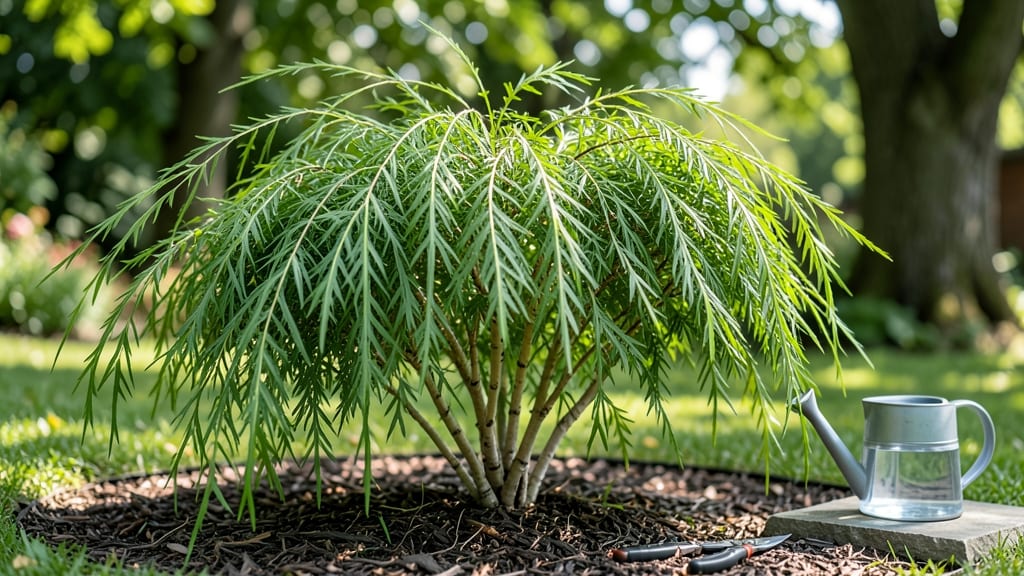
Your Pacific Northwest garden just got a dwarf willow tree upgrade—one that stays lush and manageable year-round with the right pruning. 🌿 I’ve learned the hard way that skipping seasonal trims leads to leggy branches and fewer cascading tendrils, but mastering this technique turns it into a low-maintenance star.
The key? Pruning isn’t just about shaping—it’s about encouraging that signature willow grace while keeping it healthy through wet winters and mild summers.
You’ll need sharp pruning shears, a ladder for taller varieties, and a clear day to work—willows bleed sap when cut, so avoid pruning during active growth spurts. Start with late winter to remove dead wood, then do light maintenance in spring and summer to control growth.
The goal is to maintain that airy, weeping form while preventing overcrowding, which can invite pests in our damp climate.
By summer’s end, your willow will reward you with vibrant green foliage that sways in coastal breezes, and the roots will stay stable even in heavy soils. Prune just above outward-facing buds to encourage fuller growth, and avoid cutting into old wood—it won’t regrow.
The result? A tree that stays compact, thrives in partial shade, and becomes the focal point of any garden corner.
Works perfectly as a privacy screen, container specimen, or accent near ponds—just avoid planting where kids play, as the branches can get brittle. For extra drama, pair it with ferns or hostas that love the same moisture-rich conditions. Let’s get those shears ready!
📚 In This Guide
- What you need
- Instructions
- Tips and common mistakes
- Wrapping up and next steps
What you need
- ● Pruning shears: Bypass pruners (sharp, 5–8 inch blades) for clean cuts on small branches. Pro tip: Sanitize with rubbing alcohol between cuts to prevent disease! 🌡️
- ● Loppers: 1 pair (8–12 inch) for thicker branches (½–1.5 inch diameter).
- ● Pruning saw: 1 curved-tooth saw for stubborn, woody stems.
- ● Gloves: Heavy-duty, cut-resistant gloves (e.g., Mechanix or leather) to protect from thorns and sap.
- ● Ladder: Lightweight aluminum ladder (6–8 ft) for reaching higher branches safely.
- ● Rag or paper towels: 2–3 for cleaning tools and wiping sap.
- ● Rubbing alcohol (70%+) or bleach solution: 1 small spray bottle for sanitizing tools.
- ○ Sealing wax or pruning paint: 1 small bottle (optional, for sealing large cuts > ½ inch).
- ● Trash bags: 1–2 heavy-duty bags (13-gallon) for debris disposal.
- ○ Mulch (optional): 1–2 bags of shredded bark or wood chips to protect roots post-pruning.
- ● Weather check: Prune on a dry, overcast day (PNW’s humidity can promote fungal growth!). ☔
- ● Safety gear: Closed-toe shoes and safety glasses (just in case!).
- ● Plan ahead: Sketch a rough pruning map of your tree’s structure to guide cuts.
Step-by-Step pruning guide for Pacific Northwest dwarf willow trees
Here's the seasonal approach I've used for years to keep these graceful trees healthy and compact.
🌿 Step 1: Late Winter Pruning (Before Bud Break)
Start your pruning in late February to early March when the tree is still dormant but just before new growth begins. This is the most critical time to shape your willow and remove dead wood. I always begin by removing any branches that are completely dead—they'll be brittle and snap easily when bent. Cut these back to the main trunk or to a healthy lateral branch.
Next, look for branches that are crossing or rubbing against each other. These create wounds that invite disease, especially in our damp Pacific Northwest climate. Use sharp bypass pruners to make clean cuts just outside the branch collar. Avoid leaving stubs—they slow healing and create weak points. You'll know you're doing it right when the cut looks smooth and the branch falls away cleanly.
For structural shaping, remove no more than 25% of the tree's total branches in one session. This prevents stress and ensures vigorous spring growth. Focus on opening up the center to improve airflow and sunlight penetration. I like to step back every few cuts to visualize the tree's shape—it helps me see what still needs attention.
☀️ Step 2: Summer Light Pruning (June to August)
During the growing season, I perform light maintenance pruning every 4-6 weeks to keep the tree looking its best. This isn't about major structural changes but rather tidying up. Look for branches that are growing too long or developing weak, leggy growth. These often appear as thin stems with widely spaced leaves.
When pruning in summer, always make cuts just above a leaf node where new growth can emerge. Avoid cutting into old wood—willows respond poorly to heavy summer pruning. If you notice any branches with yellowing leaves or signs of powdery mildew (common in our humid summers), remove those immediately and dispose of them in the trash, not your compost.
Here's the thing—willows are fast growers, and they'll quickly fill in any gaps you create. I usually limit summer cuts to 10-15% of the current season's growth. This keeps the tree compact without overstressing it. Water the base thoroughly after pruning to help the tree recover quickly.
✂️ Step 3: Fall Cleanup (October to November)
As the growing season winds down, focus on sanitation and preparation for winter. Begin by removing any branches that died back during the summer or show signs of disease. Willows are particularly susceptible to canker diseases in our wet climate, so any branches with sunken, oozing areas must be cut back to healthy wood.
Next, trim back any suckers that have sprouted from the base or along the trunk. These aggressive shoots compete with your main tree for nutrients. Cut them at ground level—don't leave any stubs. I also like to lightly shape the outer canopy at this time, removing any branches that are growing inward or creating a dense center.
This is also the perfect time to apply a balanced fertilizer (like 10-10-10) if your soil tests show deficiencies. The tree will use these nutrients to build strong buds for next year's growth. After pruning, give the base a 2-3 inch layer of mulch (but keep it away from the trunk) to protect roots during our wet winters.
⏰ Step 4: Winter Monitoring (December to February)
While willows are dormant, your work shifts to observation. Check monthly for any branches that have died back completely during winter. Cold snaps can sometimes kill tender new growth, especially on young trees. Simply remove these branches in early spring before new buds swell.
This is also when I assess the tree's overall health. Healthy willows have smooth, gray bark with no cracks or oozing sap. If you notice excessive sap flow or bark peeling, it could indicate canker disease—treat immediately with a copper fungicide following label instructions.
I know it seems like winter is a quiet time, but this is when you plan your late winter pruning. Measure your tree's height and spread to track its growth pattern. If it's growing too tall for your space, you'll want to be more aggressive with height reduction next February. The key is patience—willows respond well to gradual shaping over time.
Tips & tricks for perfectly pruned Pacific Northwest dwarf willows
These seasonal secrets will help you maintain your willow's health and beauty without overstressing the tree.
Tool Selection: Invest in a pair of high-quality bypass pruners—these make clean cuts that heal faster than those made with dull tools. I've found that pruners with a 6-8 inch blade work best for our region's thicker willow branches. For larger branches, use a pruning saw with a fine-toothed blade to avoid tearing the bark. Always disinfect your tools with rubbing alcohol between cuts to prevent disease spread, especially important in our damp climate.
Seasonal Timing Strategy: The late February to early March window for Step 1 is critical because it aligns with the tree's natural dormancy period. If you miss this window, wait until the tree shows signs of bud break—this is when new growth begins. For summer pruning in Step 2, I've learned to work on calm, overcast days to reduce stress on the tree. Our Pacific Northwest summers can be unpredictable, so always have a rain plan ready to protect your tools and yourself.
Visual Pruning Cues: When shaping in Step 1, I use the "thirds rule" to guide my cuts: divide the tree into thirds vertically and horizontally, then focus on removing branches that disrupt this balanced structure. For summer pruning in Step 2, look for branches with leaves that are smaller than average—they're often a sign of weak growth that should be removed. The goal is to maintain an open center that allows sunlight to reach the inner branches and improves airflow to prevent fungal issues.
Disease Prevention: In our wet climate, canker disease is a persistent threat, so I always examine branches closely for signs of sunken areas or oozing sap during Step 3. When pruning for disease, cut back to at least 6 inches below any visible symptoms to ensure you remove the entire infected area. After pruning, I apply a thin layer of horticultural sealant to larger cuts to protect against moisture penetration. For smaller cuts, the natural healing process works fine—just make sure they're clean and smooth.
Pro Tips for Dwarf Willow Tree
- These seasonal secrets will help you maintain your willow's health and beauty without overstressing the tree.
- Tool Selection: Invest in a pair of high-quality bypass pruners—these make clean cuts that heal faster than those mad...
- Seasonal Timing Strategy: The late February to early March window for Step 1 is critical because it aligns with the t...
Frequently asked questions
Got questions about keeping your dwarf willow tree thriving in the Pacific Northwest? Here are answers to common concerns—from pruning timing to troubleshooting—so you can enjoy its graceful branches year-round.
When is the best time to prune a dwarf willow tree in the PNW?
The ideal time is late winter to early spring (February–March), just before new growth starts. This encourages vibrant foliage and prevents disease. Avoid heavy pruning in fall—it can stress the tree before winter. For light shaping, you can prune lightly in summer, but avoid cutting into old wood.
How much can I trim back my dwarf willow tree without harming it?
You can safely remove up to one-third of the tree’s height in a single pruning session. Dwarf willows are resilient but benefit from gradual shaping. Never cut into the main trunk—focus on branches and stems. If you’re unsure, start conservatively and observe the tree’s response over a few weeks.
What should I do if my dwarf willow tree looks leggy or sparse after pruning?
Leggy growth often means it needs more sunlight or nutrients. Ensure it’s planted in full sun (6+ hours daily) and amend the soil with compost. Fertilize lightly in spring with a balanced, slow-release formula. If the issue persists, prune back to encourage new, bushier growth from the base.
Are there alternatives to dwarf willow trees for small spaces?
Yes! Consider these low-maintenance PNW-friendly options:
- Dwarf Japanese maple – Compact, ornamental, and cold-hardy.
- Cotoneaster – Drought-tolerant with colorful berries.
- Dwarf ninebark – Fast-growing, pest-resistant, and adaptable.
- Ornamental grasses (like Carex or Miscanthus) – Add texture without pruning.
Why are my dwarf willow branches dying back, even after pruning?
Common causes include over-pruning, root rot (from soggy soil), or pests/disease. Check for:
- Yellowing leaves (nutrient deficiency or overwatering).
- Blackened stems (fungal infection—prune affected areas and sterilize tools).
- Powdery residue (spider mites—treat with neem oil).
Wrapping up and next steps
The dwarf willow tree is a stunning, low-maintenance addition to Pacific Northwest gardens—especially when pruned year-round for optimal health and beauty! 🌿 With the right tools, timing, and techniques, you can keep it thriving while shaping it to fit your landscape perfectly.
Ready to take the next step? Start small—try pruning just one section this month and observe how it responds. Over time, you’ll build confidence and create a willow masterpiece that brings joy year after year!