Pests
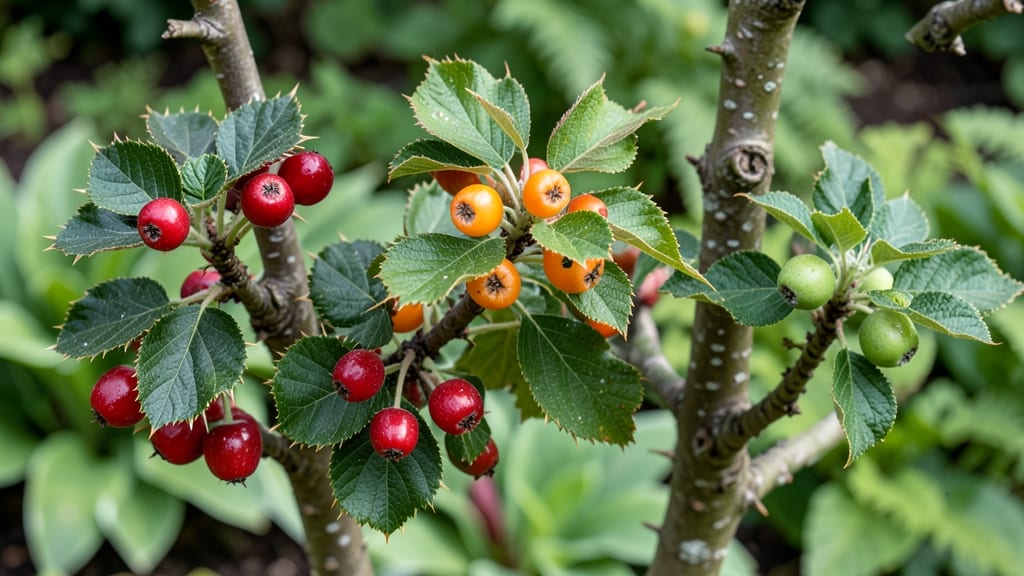
My first apple tree nearly became a deer buffet before I learned how to grow deer-proof fruit trees—sweet, juicy, and low to the ground. 🌳 Deer target fruit trees because they’re easy snacks.
I lost three trees in my first year until I combined repellents, smart planting, and a few clever barriers that actually work.
The good news? You don’t need expensive fences or chemical sprays. Start with deer-resistant varieties like sour cherries or hawthorn, then layer in companion plants (like daffodils or lavender) that deer avoid.
A homemade spray of rotten eggs or garlic also works—just reapply after rain. Physical barriers like tree wraps or flexible fencing (8 feet tall) complete the defense.
By spring, you’ll see new growth where deer once browsed. The trees stay healthy, the fruit ripens undisturbed, and you skip the annual frustration of chewed bark. Even better, these methods protect your whole orchard without harming wildlife. Let’s get your trees growing safely!
Works for any fruit tree—apples, pears, cherries—and adapts to urban yards or rural homesteads. The key is consistency: deer learn patterns, so mix up your deterrents seasonally. Your harvest will thank you!
📚 In This Guide
- What you need
- Instructions
- Tips and common mistakes
- Wrapping up and next steps
What you need
- ● Fencing: 8-foot tall deer-resistant fencing (e.g., woven wire, electric, or heavy-duty plastic mesh) – minimum 50 feet per tree (adjust based on orchard size).
- ● Stakes or posts (T-posts or wooden, spaced every 6–8 feet).
- ● Heavy-duty zip ties or fencing clips (for securing mesh to posts).
- ● Natural Repellents: Commercial deer repellent spray (e.g., Liquid Fence or Deer Out) – 1 gallon per 100 sq. ft.
- ● Homemade repellent mix: 1 part rotten eggs, 1 part hot pepper sauce, 2 parts water (5 gallons total).
- ● Plant-Based Deterrents: Deer-resistant companion plants: Alliums (garlic/onions), lavender, or Russian sage (plant in a 3-foot perimeter around trees).
- ● Thorny shrubs: Barberry, hawthorn, or rose bushes (strategically placed near tree bases).
- ● Motion-activated sprinklers (e.g., ScareCrow) – 1–2 units per large orchard.
- ● Reflective tape or old CDs (hang in tree canopies to deter deer).
- ● Dog or livestock guard (if safe and feasible for your property).
- ● Gloves & safety goggles (for handling fencing materials or repellent sprays).
Step-by-Step guide to creating natural deer barriers for fruit trees
Here's how to protect your orchard without fences or chemicals—just smart plant placement.
🌿 Step 1: Choose the Right Deer-Resistant Companion Plants
Start by selecting plants deer dislike and strategically place them around your fruit trees. I recommend rosemary, lavender, Russian sage, and boxwood—their strong scents deter browsing. Plant these in a 3-foot wide band around the perimeter of your orchard. Deer avoid these plants because their oils irritate their noses and digestive systems.
For extra protection, intersperse alliums (garlic, chives, onions) between fruit trees. The sulfur compounds in alliums create a natural repellent that lingers in the soil and air. Space them 12-18 inches apart so they form a continuous barrier. You'll notice deer avoiding these areas entirely after just a few weeks of growth.
🌱 Step 2: Establish a Physical Plant Barrier with Thorny Species
Create a 4-foot tall living fence using hawthorn, blackberry, or barberry bushes. These plants have sharp thorns that physically deter deer while providing additional habitat for pollinators. Plant them in a double row—one row 2 feet from the fruit trees and another 4 feet out. Space plants 3 feet apart so they grow together to form an impenetrable hedge.
For immediate protection, install young plants in early spring while deer are still dormant. Water them deeply twice weekly until established. The key is maintaining consistent moisture—the first year is critical for root development. You'll see new growth within 6-8 weeks, and by the second year, the barrier will be fully effective.
✂️ Step 3: Prune and Maintain the Barrier System
Regular pruning keeps the barrier dense and uninviting. Trim back any leggy growth in early spring before new shoots emerge. Focus on removing weak or crossing branches to encourage bushier growth. Use clean, sharp shears to avoid damaging the plants—this ensures faster recovery and thicker foliage.
Every fall, cut back any dead or diseased branches immediately. Healthy plants are more resilient against deer pressure. Apply a 2-inch layer of mulch around the base of all barrier plants to suppress weeds and retain moisture. This also creates a physical barrier deer won't cross—think of it as a natural moat.
💧 Step 4: Enhance with Scent-Based Repellents
Complement your plant barrier with natural scent repellents like soapy water spray (1 tablespoon mild soap per gallon of water) or hot pepper solutions. Spray these on the leaves of your fruit trees and barrier plants weekly during deer-active months (spring through fall). The strong smells confuse deer and make your orchard less appealing.
For long-term scent deterrence, plant strongly aromatic herbs like thyme, oregano, and mint at the base of fruit trees. These plants release volatile oils that deter deer while also improving soil health. Replenish any browsed plants immediately—deer learn quickly, and consistent regrowth signals they can't establish a feeding pattern.
Tips & tricks for natural fruit tree protection
Here's what nobody tells you about making these barriers truly effective—details that separate a good defense from a foolproof one.
Layering is Key: In Step 1, don't just plant your deer-resistant companions—create a visual and olfactory gradient. Start with the most aromatic plants (like rosemary and lavender) closest to the fruit trees, then transition to alliums (garlic, chives) in the middle band, and finish with the thorny species (hawthorn, blackberry) as the outer perimeter. This layered approach confuses deer and creates multiple deterrents they'll avoid. Think of it like a natural moat with concentric rings of defense.
Timing Your Planting: The instructions mention installing young plants in early spring, but there's a pro move: order your thorny barrier plants (hawthorn, blackberry) in late winter and keep them in cold storage until planting day. This ensures you get the freshest, most vigorous starts available. For the aromatic plants in Step 1, transplant them in early fall instead—this gives their roots time to establish before the deer become most active in spring. Both timing adjustments give you a head start on deer deterrence.
Soil Prep for Maximum Impact: Before planting any of your barrier species, amend the soil with a 2-inch layer of well-aged compost mixed with a handful of Epsom salt per square foot. The magnesium in Epsom salt helps plants develop stronger, more resilient foliage that deer find less appealing. This is especially important for your thorny species in Step 2—they'll grow denser and more effective with this soil boost. The compost also improves moisture retention, which is critical during those first two weeks of establishment.
Seasonal Maintenance Calendar: Mark these dates on your gardening calendar: early March for first pruning (Step 3), late October for fall cleanup, and mid-May for your first scent repellent application (Step 4). Deer behavior changes with seasons, so your maintenance should too. In late summer, add a second layer of mulch (3 inches total) around your barrier plants—the extra insulation helps roots survive winter and confuses deer that might be scouting for fall forage.
Pro Tips for Deer Proof Fruit Trees
- Here's what nobody tells you about making these barriers truly effective—details that separate a good defense from a ...
- Layering is Key: In Step 1, don't just plant your deer-resistant companions—create a visual and olfactory gradient. S...
- Timing Your Planting: The instructions mention installing young plants in early spring, but there's a pro move: order...
Frequently asked questions
about deer-proof fruit trees—because even the best strategies need a little extra clarity! Here’s what you’ve been wondering:What’s the most effective deer deterrent for fruit trees?
The best combo is physical barriers (like fencing or tree guards) + natural repellents (e.g., deer-resistant plants like daffodils or garlic spray). Fencing 8+ feet tall works best, but motion-activated sprinklers or predator urine (like coyote or fox) can also help. Consistency is key—deer learn quickly!
When should I install deer deterrents for fruit trees?
Start before deer become a problem—ideally in early spring when new shoots emerge. If deer are already snacking, act fast! Baby trees are most vulnerable, so protect them ASAP. For established trees, focus on fall prep (e.g., wrapping trunks) to deter winter browsing.
Are there deer-resistant fruit trees I can plant instead?
Yes! While no fruit tree is 100% deer-proof, some are less appealing. Try hawthorn, crabapple, or mulberry—their thorns or bitter taste often deter deer. For citrus or berries, pair them with strong-smelling herbs (like rosemary) nearby. Location matters too: plant near deer-deterrent plants (e.g., Russian olive or barberry).
What if deer keep eating my trees despite deterrents?
If deer ignore barriers, rotate tactics! Try:
- Spicy sprays (pepper-based repellents—reapply after rain).
- Ultrasonic devices (limited success but worth a try).
- Plant traps (sacrificial trees like sunflowers nearby).
- Check fencing for gaps or damage—deer exploit weaknesses!
How much do deer-proofing solutions cost?
Costs vary:
Solution Estimated Cost 8-foot fencing (per 100 ft) $150–$300 Tree guards (plastic wraps) $5–$15 each Commercial repellent spray $20–$50 per gallon DIY garlic/pepper spray $5–$10 (ingredients)
Start small—test a few methods before committing to full-scale defenses!
Wrapping up and next steps
Protecting your fruit trees from hungry deer doesn’t have to be a battle—it’s all about smart, natural barriers that keep both your harvest and your local wildlife happy! 🌳🦌 Whether you opt for fencing, repellents, or plant-based deterrents, the key is consistency and creativity.
With the right approach, you’ll enjoy bountiful fruit while keeping ecosystems in balance.
Ready to take action? Start by choosing one method from this guide and test it in a small area first. Monitor results, adjust as needed, and soon, your orchard will be a deer-free paradise! 🌟 Your delicious harvest is waiting—go claim it!