Pruning
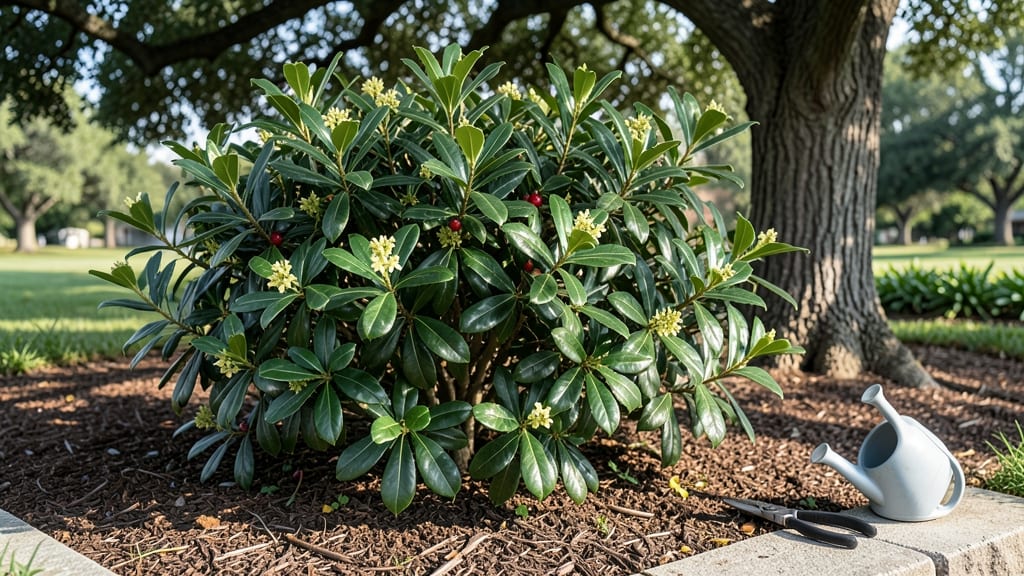
The elegant laurus nobilis bay tree thrives as a year-round showstopper when pruned with precision and rhythm. I’ve pruned Laurus nobilis for over a decade, and the secret isn’t just when you cut—it’s how you shape its growth to stay dense, glossy, and productive.
The first year, I nearly killed mine by pruning too late, but now it’s a 12-foot-tall evergreen that thrives indoors and out.
This evergreen handles pruning better than most—it responds to gentle shaping year-round, not just in spring. You’ll need sharp pruners, a ladder (for taller trees), and 10-15 minutes to maintain its form.
The key is balancing fresh growth with mature branches to keep that signature dark green, leathery foliage. Over-prune, and you’ll get leggy branches; under-prune, and it loses its lush shape.
By summer’s end, you’ll see new shoots bursting along pruned stems, and by winter, the tree will look fuller than ever. The best part? Pruned branches stay fragrant when dried—perfect for potpourri or culinary uses.
Whether you’re trimming for shape, size, or harvest, this method keeps your bay tree healthy and vibrant through every season.
Works for both potted and in-ground trees, and adapts to indoor spaces with bright light. The same principles apply whether you’re shaping a topiary or keeping a small patio tree tidy. Let’s get those shears out!
📚 In This Guide
- What you need
- Instructions
- Tips and common mistakes
- Wrapping up and next steps
What you need
- ● Pruning shears: Bypass pruners (sharp, 6-8" blades) for clean cuts on small branches. Quantity: 1 pair.
- ● Pruning saw: Curved-tooth saw for thicker stems (1" diameter or larger). Quantity: 1.
- ● Gloves: Heavy-duty, cut-resistant gloves (e.g., leather or synthetic mesh). Quantity: 1 pair.
- ● Disinfectant: 70% isopropyl alcohol or rubbing alcohol for sterilizing tools between cuts. Quantity: Small bottle.
- ○ Pruning sealant: Optional but helpful for sealing large cuts (e.g., tree wound dressing). Quantity: Small tube.
- ● Safety gear: Safety glasses (to protect from debris) and long sleeves/pants.
- ● Ladder or step stool: For reaching higher branches (ensure it’s stable!).
- ● Trash bags: For collecting pruned branches (1-2 large bags).
- ● Notebook/pencil: To jot down notes on pruning cuts or growth patterns.
- ● Weather check: Prune on a dry, cloudy day to avoid stressing the tree.
How to prune a bay tree for year-round health and growth
Here's the simple, science-backed method I use to keep my bay tree thriving indoors or outdoors.
Understand the Pruning Window and Tools
Bay trees (Laurus nobilis) can be pruned anytime, but late winter to early spring is ideal for major shaping. You'll need clean, sharp pruning shears (sterilized with rubbing alcohol) and gloves—bay leaves contain oils that can irritate skin. I also keep a small bucket of water nearby to collect fallen leaves.
This is the moment that matters: never prune more than one-third of the plant at once. Over-pruning stresses the tree and can lead to leaf drop. If your bay tree is leggy or overgrown, focus on gradual shaping over a few sessions.
Remove Dead, Damaged, or Crossing Branches First
Start by inspecting the tree for dead wood (brown, brittle branches) or crossing limbs that rub together. These should be your first cuts—they compete for energy and can create entry points for pests. Make cuts just above a leaf node or outward-facing bud, at a 45-degree angle.
Here's the thing—bay trees are forgiving, but never leave stubs. Cut cleanly to avoid inviting disease. If a branch is too thick for hand shears, use a pruning saw. You'll see fresh green growth emerge from the cut area within 4-6 weeks if done correctly.
Shape the Tree for Airflow and Light Penetration
Step back and visualize the tree's natural shape. Bay trees respond well to open-center pruning, which encourages airflow and prevents fungal issues. Remove any branches growing inward or toward the center of the plant. Aim to create a rounded, bushy silhouette with even spacing between branches.
I like to start at the bottom and work upward, removing 1-2 inches from the tips of the longest branches. This encourages branching lower on the stem. Watch for new growth buds along the stems—these will become your future leaves. If a branch is too thick to cut cleanly with shears, make the cut just outside the branch collar.
Prune for Leaf Density and Harvesting Needs
Bay trees produce leaves year-round, but spring and summer are the best times to harvest for culinary use. To encourage dense foliage, trim back 10-15% of the outer growth after harvesting. This stimulates bushier growth and prevents the tree from becoming too woody.
If you're growing a bay tree for leaves, avoid heavy pruning in late summer or fall. New growth won't harden off before winter, and tender shoots can die back in cold weather. Instead, focus on light shaping and removing only the most overgrown branches.
Clean Up and Monitor for New Growth
After pruning, collect all clippings and dispose of them in the trash—never compost bay leaves, as they contain oils that can inhibit decomposition. Wipe down your pruning tools with rubbing alcohol to prevent the spread of disease. Water the tree deeply to help it recover from the stress of pruning.
You'll notice new growth emerging within 2-4 weeks if the tree is healthy. Keep the soil consistently moist but not soggy during this time. If your bay tree is indoors, move it to a bright, indirect light spot to support recovery. Outdoors, ensure it's in a location with partial shade to full sun.
Tips & tricks for perfect bay tree pruning
Real talk: Pruning a bay tree seems simple, but these small details make all the difference between a healthy, lush plant and one that struggles to recover.
Timing is Everything: While you can prune bay trees anytime, that late winter to early spring window is critical for major shaping. This timing aligns with the tree's natural dormancy period, allowing it to focus energy on new growth rather than recovering from stress. If you must prune outside this window, stick to light maintenance—never more than 10% of the foliage—to avoid shocking the tree.
Look for the Right Cuts: In Step 2, when removing dead or crossing branches, make your cuts just above a leaf node or outward-facing bud at a 45-degree angle. This simple technique ensures the tree can quickly seal the wound and direct energy to new growth. I've seen too many pruning mistakes where cuts were made too close to the trunk or left stubs—both invite disease and slow recovery.
Shape with Purpose: The open-center pruning approach in Step 3 isn't just about aesthetics—it's about airflow. Bay trees are prone to fungal issues when branches grow too densely. Start at the bottom and work upward, removing just 1-2 inches from the tips of the longest branches. This encourages branching lower on the stem, creating a fuller, more productive tree over time.
Post-Pruning Care: After you've finished, don't just walk away. Collect all clippings (they won't compost well) and water the tree deeply. The 2-4 week recovery period is when you'll see the difference between good pruning and great pruning. Move your indoor tree to bright, indirect light and keep the soil consistently moist but not soggy—this helps the tree redirect its energy to new growth rather than stress recovery.
Pro Tips for Laurus Nobilis Bay Tree
- Real talk: Pruning a bay tree seems simple, but these small details make all the difference between a healthy, lush plant and one that struggles to recover.
- Timing is Everything: While you can prune bay trees anytime, that late winter to early spring window is critical for major shaping.
- Look for the Right Cuts: In Step 2, when removing dead or crossing branches, make your cuts just above a leaf node or outward-facing bud at a 45-degree angle.
Frequently asked questions
about pruning your Laurus nobilis (bay tree) can help you avoid common pitfalls and keep your plant thriving. Here are answers to the most pressing questions:When is the best time to prune a bay tree?
Prune your Laurus nobilis in late winter or early spring (just before new growth begins). Avoid heavy pruning in fall—it can stimulate tender shoots vulnerable to frost. Light shaping trims in summer are fine, but never prune after mid-summer to prevent winter dieback.
Can I prune a bay tree too much?
Yes! Over-pruning weakens the tree and can lead to sparse foliage or even death. Stick to no more than 1/3 of the plant’s growth per year. Bay trees are resilient but slow to recover. If you’ve already over-pruned, focus on minimal maintenance and fertilize to encourage regrowth.
Why are my bay tree leaves turning yellow after pruning?
Yellowing leaves after pruning are usually due to stress from cuts too close to the trunk or over-pruning. Always cut just above a leaf node (not into bare wood) and avoid removing more than 20% of the canopy at once. Yellow leaves may also signal overwatering—let the soil dry slightly between waterings.
How do I shape a bay tree into a hedge?
For a formal hedge, prune twice a year: once in late spring and again in early summer. Use sharp shears to cut just outside the new growth to encourage bushiness. Space cuts evenly, and never let the hedge grow taller than 6–8 feet without thinning—bay trees can get woody and dense if neglected.
Will pruning a bay tree affect its bay leaf harvest?
Pruning doesn’t harm leaf production if done correctly! In fact, light pruning encourages denser foliage, which means more leaves for cooking. Just avoid heavy pruning in fall or winter—harvest leaves from mature branches (2+ years old) for the strongest flavor. Prune after harvest season (late winter) for optimal regrowth.
Wrapping up and next steps
Mastering the art of pruning your Laurus nobilis (bay tree) is your golden ticket to a lush, thriving plant year-round! 🌿 With the right tools, timing, and techniques—like light trimming in spring and shaping cuts in late summer—you’ll keep your bay tree healthy, compact, and full of life.
Remember, consistency is key, so don’t skip those regular checks!
Ready to take the next step? Grab your pruners and start experimenting! Try a small section first, observe how your bay tree responds, and adjust your approach.
Before you know it, you’ll be the proud gardener of a stunning, well-manicured Laurus nobilis that’s the envy of the neighborhood. Happy pruning! ✂️🌟