Pruning
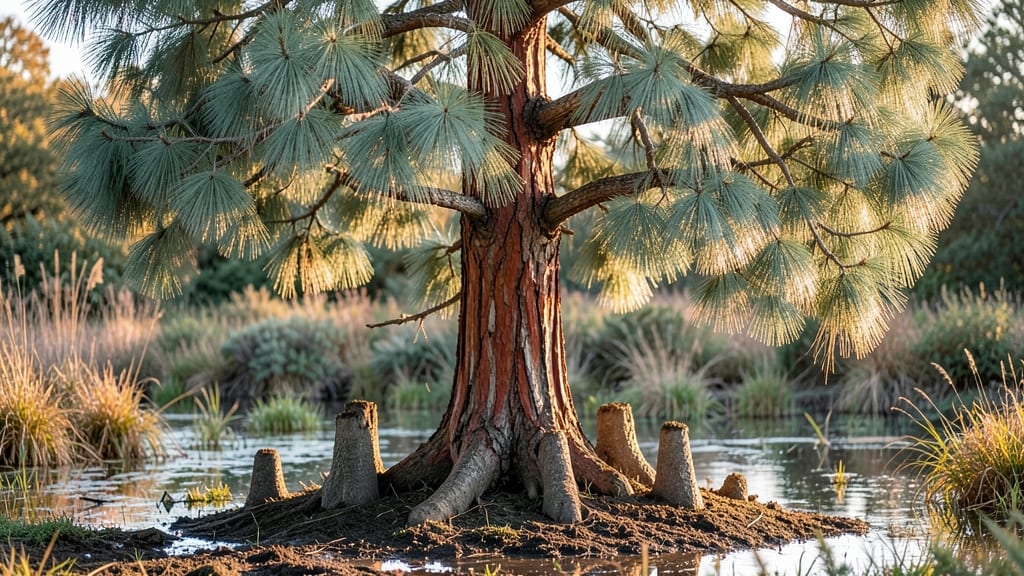
These stunning bald cypress tree images capture how their feathery foliage turns any landscape into a serene retreat. 🌿 I’ve seen them stand tall in swamps and dry gardens alike, their delicate branches swaying like nature’s own curtains.
What makes them special isn’t just their beauty—it’s how they adapt to nearly any setting while keeping that graceful, airy look year-round.
From wetland edges to city streets, these trees thrive where others struggle. Their unique needles turn a stunning bronze in fall, creating a warm contrast against winter skies.
Pair them with azaleas for spring color or use them as a privacy screen—they’ll grow 15-20 feet tall in just a few years, offering both shade and elegance.
Imagine a backyard where your bald cypress becomes the centerpiece, its layered branches framing a water feature or anchoring a mixed border. The foliage stays lush even in drought, and the peeling bark adds texture that catches the light beautifully.
You’ll love how effortlessly they blend into any design while making a statement.
Perfect for both formal gardens and wild landscapes, these trees work as specimen plants, hedges, or even in containers for smaller spaces. Their versatility means you can place them almost anywhere—just give them room to grow. Let’s explore how to make them the star of your outdoor space!
📚 In This Guide
- What you need
- Instructions
- Tips and common mistakes
- Wrapping up and next steps
What you need
- ● Camera or smartphone (with a high-resolution lens for close-ups or wide-angle shots)
- ○ Tripod (optional but helpful for steady shots, especially in low light)
- ● Lighting equipment (softbox or ring light for indoor images or overcast days)
- ● Pruning shears (bypass pruners, sharp and clean, for trimming branches if needed)
- ● Loppers (for thicker branches, 10-12 inch reach)
- ● Gloves (heavy-duty gardening gloves to protect hands from thorns or rough bark)
- ● Pruning saw (for larger branches, 8-10 inch blade)
- ● Disinfectant spray (70% isopropyl alcohol or pruning sealant to prevent disease)
- ● Measuring tape (for assessing branch size or tree height)
- ● Notebook & pen (to jot down pruning notes or tree care observations)
- ● Reflector (5-in-1 photography reflector for adjusting light angles)
- ● Drone (for aerial shots of mature bald cypress groves)
- ● Backdrop or fabric (neutral-colored cloth for studio-style images)
- ● Tree identification guide (to confirm bald cypress features like knees or feathery foliage)
- ● Seasonal props (e.g., autumn leaves or winter snow for thematic shots)
How to capture the beauty of bald cypress trees through photography
Here's how to photograph these striking trees in every season for stunning year-round imagery.
🌿 Step 1: Scout Locations for Seasonal Interest
Bald cypress trees shine in all seasons, but their best features change with the weather. In spring and summer, seek out trees with their signature feathery green foliage—look for specimens near water where their roots can spread dramatically. I always scout in the early morning light when the air is crisp and the foliage is most vibrant.
For fall, hunt for trees with golden-brown needles that create warm, textured backdrops. In winter, their bare branches take on an elegant, skeletal beauty—especially when backlit by soft winter sun. I recommend visiting local parks or botanical gardens where multiple specimens grow together for variety.
☀️ Step 2: Time Your Shots for Optimal Lighting
Bald cypress trees respond beautifully to golden hour light—the hour after sunrise or before sunset. During these times, the light casts long shadows and enhances the tree's natural textures. I set up my tripod and shoot during these windows for the most dramatic results.
On overcast days, the diffused light softens the foliage, making it appear lush and inviting. For winter shots, I often photograph in the midday sun to create sharp contrasts between the bare branches and the sky. Avoid harsh midday sun in summer—it can create unflattering shadows on the feathery needles.
🪴 Step 3: Frame for Texture and Composition
Use the bald cypress's unique feathery branches as a leading line in your composition. I often position the tree slightly off-center to create visual interest while keeping the branches in sharp focus. A wide-angle lens works well for capturing the full grandeur of mature specimens.
In winter, play with the skeletal branches against the sky—try shooting from low angles to emphasize their height. For close-ups of the foliage, a macro lens reveals the intricate details of the needles. Always include a foreground element like a rock or water feature to add depth to your images.
✂️ Step 4: Edit for Seasonal Harmony
In post-processing, enhance the natural colors of each season without over-saturating. For spring and summer, I boost the greens slightly while keeping shadows natural. In fall, I warm up the tones to highlight the golden hues. For winter, I often increase contrast to make the branches stand out against the sky.
Use a soft vignette to draw focus to the tree while keeping the edges of the frame slightly darker. I also apply a subtle sharpening filter to the foliage to emphasize its texture. Avoid heavy editing—bald cypress trees are naturally striking, and their beauty shines best when subtly enhanced.
Tips & tricks for perfect bald cypress tree images
A few simple tricks can transform your bald cypress photos from good to breathtaking. Here's what I've learned after photographing these trees in every season.
Seasonal Lens Selection: The right lens makes all the difference. For grand, sweeping shots of mature trees in spring and summer, a wide-angle lens (16-35mm) captures their full majesty. In winter, switch to a telephoto lens (70-200mm) to isolate the intricate patterns of bare branches against the sky. I keep both lenses handy when I'm out shooting—you never know which season's beauty you'll encounter!
Golden Hour Timing: Those magical golden hour windows are your best friend. In Step 2, when you're planning your shoot, check your local sunrise/sunset times and add 30 minutes before or after. I always arrive 15 minutes early to set up my tripod and frame my shot. Pro tip: Use a sunrise app to get exact timing for your location—it's worth the few bucks to avoid missing that perfect light.
Composition Rule of Thirds: When framing your shots in Step 3, apply the rule of thirds to create more dynamic compositions. Divide your frame mentally into thirds both horizontally and vertically, then position the base of the tree where these lines intersect. This creates natural balance and draws the viewer's eye into your image. For winter shots, I often place the horizon line on the lower third to emphasize the height of the bare branches.
Weather as Your Ally: Don't let cloudy days discourage you! The diffused light on overcast days actually enhances the delicate texture of bald cypress foliage. In Step 2, when you're timing your shots, embrace overcast conditions—they create soft, even lighting that reveals every detail of the feathery branches. I've taken some of my favorite summer shots on cloudy afternoons when the light was especially gentle.
Pro Tips for Bald Cypress Tree Images
- A few simple tricks can transform your bald cypress photos from good to breathtaking. Here's what I've learned after ...
- Seasonal Lens Selection: The right lens makes all the difference. For grand, sweeping shots of mature trees in spring...
- Golden Hour Timing: Those magical golden hour windows are your best friend. In Step 2, when you're planning your shoo...
Frequently asked questions
Got questions about bald cypress trees? You’re not alone! Here are answers to the most common queries—from seasonal care to troubleshooting—so you can keep your tree thriving year-round.
When is the best time to prune a bald cypress tree?
Prune your bald cypress in late winter or early spring (February–March) before new growth begins. Avoid heavy pruning in fall or winter, as it can stress the tree. Light shaping is fine in summer, but skip major cuts during peak heat. Pro tip: Remove dead or diseased branches anytime they appear!
How do I know if my bald cypress tree is overpruned?
Watch for these red flags: sparse foliage, excessive water sprouts (shoots at branch ends), or yellowing needles. Overpruning also weakens the tree’s ability to handle pests or drought. If you’ve trimmed more than 25% of the canopy at once, ease up—let it recover before pruning again.
Can bald cypress trees survive in dry or flooded conditions?
Bald cypress trees are drought-tolerant once established and thrive in wet soils (even standing water). Their “knees” (root protrusions) help them breathe in soggy conditions. However, young trees need consistent moisture—water deeply 1–2 times per week during dry spells.
Why are my bald cypress needles turning brown?
Brown needles usually signal stress from overwatering, underwatering, pests (like spider mites), or nutrient deficiencies. Check the soil moisture and inspect for pests. If the browning is patchy, it’s likely environmental; if uniform, it may be a fungal issue. Adjust care and fertilize lightly in spring if needed.
Are there alternatives to bald cypress for wet landscapes?
Yes! Consider these wetland-friendly trees:
- Water tupelo – Drought-resistant with stunning fall color.
- Swamp white oak – Tolerates flooding and pests well.
- Buttonbush – Compact shrub with fragrant flowers (great for small spaces).
- Eastern red cedar – Handles moisture but prefers well-drained soil.
Wrapping up and next steps
The bald cypress tree is a true marvel of nature, offering year-round beauty with its feathery foliage, striking bark, and adaptable charm. Whether you’re captivated by its seasonal transformations or dreaming of adding one to your landscape, these trees bring timeless elegance to any setting.
Now that you’re inspired, why not take the next step? Plan your own bald cypress haven—research local nurseries, sketch a design, or even share your vision with a trusted gardener. The perfect tree awaits! 🌳✨