Trees
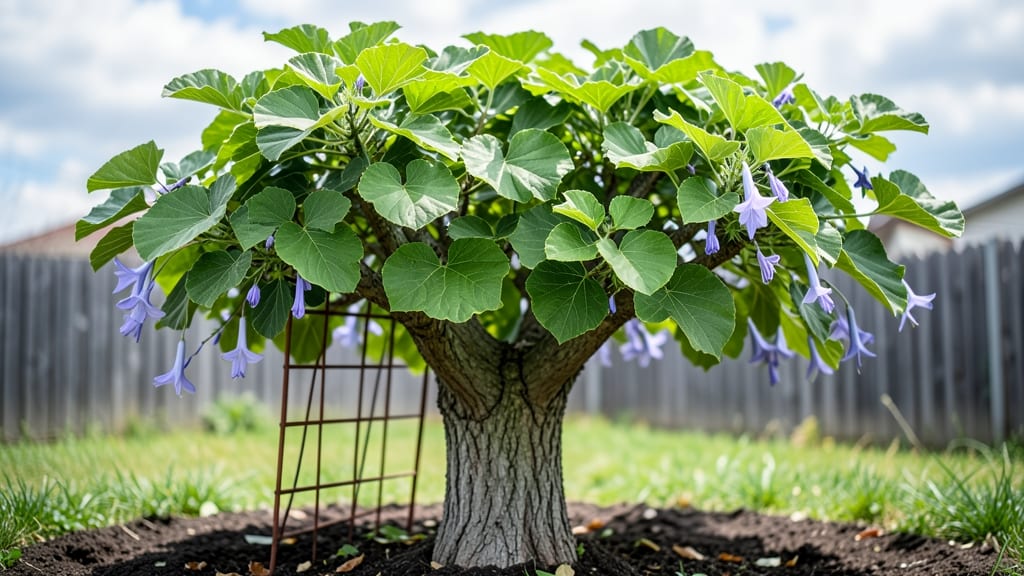
Fast-growing trees in Ohio can transform your yard from bare to lush in just three years—imagine that towering shade tree casting cool relief by summer’s end. 🌳 I’ve planted Silver Maples and Hybrid Poplars myself, and the difference is night and day compared to slow-growers that take decades to deliver.
These trees aren’t just quick—they’re tough, thriving through Ohio’s hot summers and icy winters without fuss.
The real secret lies in matching the right tree to your space. Silver Maples soak up sunlight and moisture like sponges, while Hybrid Poplars handle wetter soils and grow straight as arrows. Both need well-drained soil but adapt to urban conditions where other trees struggle.
Plant them in spring or early fall, and you’ll see 3-5 feet of growth in their first year—no waiting around for shade or privacy.
By year three, you’ll have a 20-foot privacy screen or a canopy that cools your patio by 15 degrees. The trade-off? Regular pruning keeps them manageable, and their roots won’t crack your driveway if you plant them far enough back.
These aren’t just fast—they’re the workhorses of Ohio landscapes, delivering results without the decades-long wait.
Whether you’re blocking nosy neighbors or creating a summer retreat, these trees grow fast enough to see progress every season. Let’s pick the perfect one for your yard—no patience required.
📚 In This Guide
- What you need
- Instructions
- Tips and common mistakes
- Wrapping up and next steps
What you need
- ● Tree saplings: Choose 3–5 fast-growing Ohio-native or adapted species (e.g., Silver Maple, Hybrid Poplar, or Eastern Redbud). Buy 1–2 per tree type, depending on your space.
- ● Shovel: A round-point digging shovel (18–24" wide) for planting holes.
- ● Garden gloves: Heavy-duty, water-resistant gloves (e.g., Wolverine or Felco brand).
- ● Mulch: 2–3 cubic yards of wood chips or pine straw (3" deep layer around the base).
- ● Watering can or hose: With a soaker hose attachment for deep watering.
- ○ Tree stakes (optional but recommended): 2–4 2x4 wooden stakes or metal tree ties per tree (for support).
- ● Pruning shears: Bypass pruners (for trimming dead branches post-planting).
- ● Soil amendment: Compost or peat moss (1–2 bags per tree, if soil is clay-heavy).
- ● Tree guard: Plastic or metal tree collar to protect young trunks from critters.
- ● Slow-release fertilizer: Balanced 10-10-10 (1 lb per tree) for nutrient boost.
- ● Post-hole digger: If staking, a manual auger for deeper holes.
- ● Soil pH test kit: To check if your soil needs lime (for acidic soils) or sulfur (for alkaline).
- ● Eco-friendly weed barrier: Cardboard or landscape fabric to suppress weeds around the base.
Step-by-Step guide to planting fast-growing trees for Ohio shade and privacy
Here’s how to get a lush, private outdoor space in record time—no waiting decades for results.
🌱 Step 1: Choose the Right Fast-Growing Species for Ohio’s Climate
Ohio’s USDA zones 5-6 demand trees that thrive in hot summers and cold winters while growing 3-4 feet annually. Top picks include Green Giant Arborvitae (evergreen privacy screen), Silver Maple (fast shade), Leyland Cypress (salt-tolerant option), and Hybrid Poplar (tolerates wet soil). Check local nurseries for bare-root or container-grown options—these establish faster than balled-and-burlapped trees.
I always verify the tree’s mature height and spread before buying. A 20-foot tall tree planted now will block views in 3 years, but a 40-foot tree might take longer. Dig the hole twice as wide as the root ball but no deeper—this prevents root stress. Ohio’s clay soil? Amend with 3-4 inches of compost mixed into the bottom of the hole for better drainage.
🪴 Step 2: Plant at the Right Time and Prepare the Hole
Spring or early fall are the best times—avoid extreme heat or frost. Start by marking the planting spot with stakes to ensure 6-10 feet of clearance from sidewalks, driveways, and power lines. Use a shovel or post-hole digger to excavate the hole, breaking up any compacted clay with the back of the shovel.
Here’s the thing—don’t fertilize at planting. New roots need to establish before competing with nutrients. Instead, place a 5-gallon bucket of native soil (saved from the hole) at the bottom. This helps roots transition without shock. If planting multiple trees, space them 10-15 feet apart for a dense privacy screen faster.
☀️ Step 3: Position and Stake for Stability
Set the tree in the hole so the root flare (where roots meet trunk) sits 1-2 inches above soil level. This prevents rot and encourages strong root growth. Fill the hole with backfill soil, tamping down gently every 6 inches to remove air pockets. Water deeply to settle the soil—you’ll see the ground level drop about 1 inch as it compacts.
Stake only if needed—windy Ohio sites often require 2 stakes on opposite sides, tied loosely with soft tree ties (not wire, which cuts into bark). Bury stakes 1/3 of their length and angle them outward for support. Mulch with 3 inches of shredded bark, keeping it 6 inches away from the trunk to prevent moisture buildup that causes rot.
💧 Step 4: Water Deeply and Monitor Growth
Water every 2-3 days for the first 2 weeks, then once a week after that—until the top 6 inches of soil feel moist. Overwatering is worse than underwatering; soggy soil suffocates roots. Use a soaker hose or drip irrigation to deliver water slowly at the base, avoiding leaf wetting to prevent disease.
Watch for new leaf growth in 4-6 weeks—that’s your sign the tree is rooting. In Ohio’s first winter, wrap the trunk with tree guard if deer or rabbits are a threat. By year 2, you’ll see 5-6 feet of vertical growth if conditions are right. Prune only to remove dead or crossing branches—never top the tree, as it encourages weak growth.
Tips & tricks for perfect fast-growing trees in Ohio
These simple strategies will help your shade and privacy trees grow faster and healthier in Ohio's unique climate.
Species Selection Matters: When choosing between Green Giant Arborvitae, Silver Maple, or Leyland Cypress, consider your specific needs. For example, Silver Maple grows up to 4 feet annually but has aggressive roots—plant it at least 30 feet from foundations. Leyland Cypress handles Ohio's clay soil better but needs consistent moisture. I always check the mature height before buying—you don't want a 40-foot tree blocking your view in just 5 years!
Soil Preparation Secret: Ohio's heavy clay soil can be tough on young roots. In Step 1, when you're amending with 3-4 inches of compost, mix in a handful of perlite or coarse sand to improve drainage. This prevents waterlogging that can suffocate roots. For container-grown trees, gently loosen the root ball before planting to encourage new root growth into the surrounding soil.
Planting Timing Tip: Spring and early fall are ideal, but if you must plant in summer, do it on an overcast day or in the evening. The instructions mention avoiding extreme heat, but I've found that planting during a brief summer rain shower actually helps—just make sure the hole isn't muddy. For fall planting, aim for at least 6 weeks before the first frost to allow roots to establish before winter dormancy.
Watering Strategy: During the critical first 2 weeks when you're watering every 2-3 days, I recommend using a moisture meter to check soil moisture. Ohio's clay holds water well, but you want the top 6 inches to feel moist—not soggy. If you notice water pooling around the base, that's a sign you need to improve drainage by adding more compost or creating a slight mound around the trunk to encourage outward root growth.
Pro Tips for Fast Growing Trees Ohio
- These simple strategies will help your shade and privacy trees grow faster and healthier in Ohio's unique climate.
- Species Selection Matters: When choosing between Green Giant Arborvitae, Silver Maple, or Leyland Cypress, consider y...
- Soil Preparation Secret: Ohio's heavy clay soil can be tough on young roots. In Step 1, when you're amending with 3-4...
Frequently asked questions
Got questions about fast-growing trees in Ohio? You’re not alone! Here are some of the most common queries—and their answers—to help you plant with confidence.
What’s the fastest-growing tree that provides shade in Ohio?
For quick shade, Silver Maple or Hybrid Poplar are top choices. They can grow 5–8 feet per year and offer dense foliage within 3 years. Just be mindful of their aggressive roots—keep them away from sidewalks or foundations!
Can fast-growing trees really deliver privacy in just 3 years?
Yes! Trees like Leyland Cypress or Green Giant Arborvitae grow 3–5 feet annually and can create a solid privacy screen in that timeframe. Pair them with Empress Tree (a fast-growing deciduous option) for year-round coverage.
Will fast-growing trees survive Ohio’s winters?
Most fast-growing Ohio trees, like Hackberry or Paulownia, are cold-hardy (zones 4–9). However, tender varieties (e.g., Mimosa) may need winter protection. Check the USDA zone map and mulch young trees to boost resilience.
Are fast-growing trees expensive to plant and maintain?
Not necessarily! While larger trees cost more upfront, their rapid growth means fewer replacements. Low-maintenance picks like Black Walnut or Siberian Elm require minimal pruning. Budget for mulch, watering, and occasional pest control—typically $50–$200/year for mature trees.
What if my fast-growing tree fails to thrive?
Troubleshoot with these steps:
- Check soil: Amend clay soil with compost for better drainage.
- Water deeply: New trees need 1–2 inches/week (more in drought).
- Prune properly: Remove dead branches in late winter to encourage growth.
- Test for pests: Japanese beetles or borers can stress trees—use organic sprays if needed.
Wrapping up and next steps
Ohio’s fast-growing trees offer a quick and beautiful way to boost your property’s shade, privacy, and curb appeal—often in just three years! Whether you’re planting hybrid poplars for towering shade or thornless honeylocust for low-maintenance borders, these trees deliver results without the wait.
With the right prep, care, and species, you can transform your outdoor space into a lush, serene retreat faster than you think.
Ready to get started? Take the next step:
- 📝 Sketch a simple plan of where you’d like to plant—consider sunlight, soil, and space!
- 🌱 Pick 1-2 trees from our top picks based on your goals (shade, privacy, or both).
- 🛒 Grab your supplies (gloves, mulch, stakes, and watering tools) and dive in!