Trees
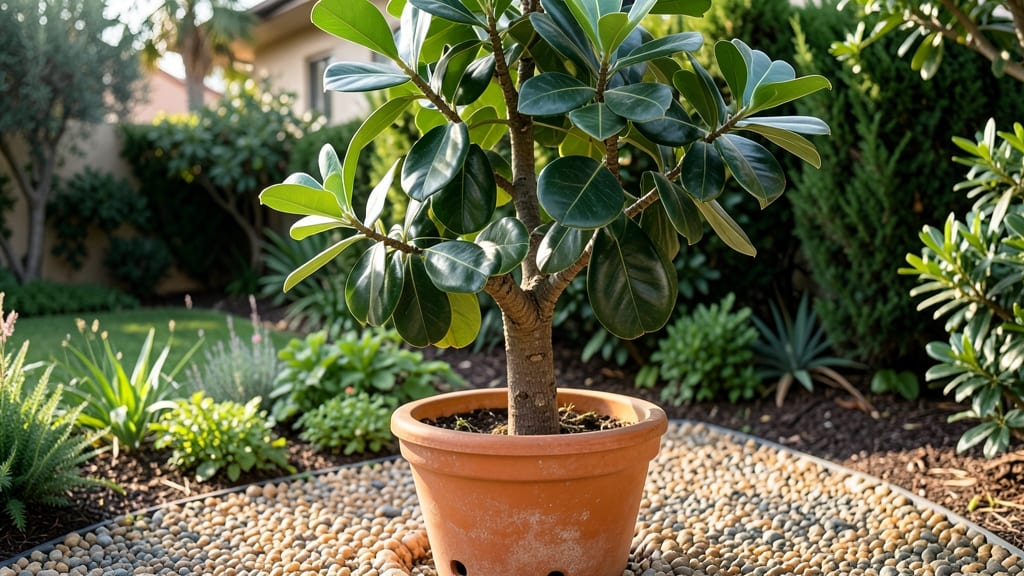
Patio trees in pots bring that same lush, leafy drama to small spaces without the commitment of permanent planting. 🌿 I’ve filled my tiny courtyard with varieties that survive winter chills and still look stunning—no green thumb required.
The key is choosing trees that stay compact, handle temperature swings, and fit your pot size without outgrowing it in two years.
Start with dwarf varieties like Japanese maples (just 6–10 feet tall) or serviceberry trees (under 15 feet), both of which thrive in 15–25 gallon containers. For instant height variation, pair a low-growing boxwood with a taller olive tree—it’s all about creating layers.
And here’s the secret: elevated pots with built-in drainage solve the biggest problem (root rot) while keeping roots cool in summer and insulated in winter.
By midsummer, you’ll have a patio that feels like a mini forest—fragrant foliage, seasonal blooms, and even edible berries if you choose wisely. The best part?
These trees need no staking, no pruning frenzy, and will outlast seasonal rentals or temporary patios. I’ve had mine for five years, and they’re still going strong.
Whether you’re working with a balcony, courtyard, or rooftop deck, the same principles apply: right tree, right pot, right spot. Let’s make your small space unforgettable without sacrificing beauty or practicality.
📚 In This Guide
- What you need
- Instructions
- Tips and common mistakes
- Wrapping up and next steps
What you need
- ● Potted Tree: Frost-resistant varieties like Dwarf Alberta Spruce, Japanese Maple, or Dwarf Lilac (1–3 plants, depending on space).
- ● Containers: Durable pots (15–25 gallons) with drainage holes (1 per tree). Tip: Terracotta or plastic with wheels for mobility!
- ● High-Quality Potting Mix: Well-draining blend (e.g., 60% inorganic + 40% organic, like perlite + peat moss). 1 bag (2–3 cu. ft.) per pot.
- ● Drainage Layer: Pebbles, gravel, or broken pottery (2–3 inches at the pot’s bottom).
- ● Fertilizer: Slow-release granular (10-10-10 ratio) or organic (e.g., worm castings). 1 tbsp per 6-inch pot diameter.
- ● Mulch: Bark chips or pine straw (1–2 inches on soil surface).
- ● Watering Can or Hose: With a gentle spray nozzle.
- ● Pruning Shears: Sharp, sterilized (for shaping/trimming).
- ● Frost Cloth or Bubble Wrap: For extra protection in <10°F temps.
- ● Pot Feet or Caps: To prevent rolling or soil erosion.
- ● Liquid Seaweed Fertilizer: Monthly boost during growing seasons.
- ● Decorative Accents: Solar lights, pebbles, or paint for a cozy vibe!
Step-by-step guide to selecting and planting frost-resistant patio trees
Here's how to choose hardy varieties and set them up for seasonal resilience.
🌱 Step 1: Choose Cold-Hardy Tree Varieties for Containers
Select dwarf or semi-dwarf species rated for your zone's minimum winter temperatures. Japanese maples (Acer palmatum) thrive in zones 5-8, while dwarf Korean lilac (Syringa meyeri) handles zones 3-8. Look for root-bound nursery stock in 5-7 gallon containers—these establish faster than bare-root specimens.
I always check the root flare at the base—it should be visible above the soil line. If buried too deep, gently loosen the roots before planting. Avoid trees with yellowing leaves or brittle branches, as these signs indicate stress from poor growing conditions.
🪴 Step 2: Select the Right Container and Drainage System
Use containers made of UV-resistant plastic or heavy-duty fabric with at least 2-3 drainage holes. Terra cotta pots wick moisture but crack in freeze-thaw cycles, while lightweight plastic holds up better. For a 4-foot-tall tree, plan for a container 18-24 inches deep with a diameter 12-18 inches wider than the root ball.
Line the bottom with 3-4 inches of expanded shale or gravel for drainage, then add a layer of landscape fabric to prevent soil from washing out. I always place pots on casters for winter—rolling them into a sheltered garage or under eaves prevents root damage from prolonged cold.
☀️ Step 3: Plant with Proper Soil and Mulch for Winter Protection
Fill the container halfway with a mix of 50% high-quality potting soil and 50% bark fines or perlite for aeration. Position the tree so the root flare sits 1 inch above the soil line—burying it too deep suffocates roots. Backfill with soil while gently tamping down to eliminate air pockets, then water thoroughly until it drains from the holes.
Top with 2-3 inches of mulch (avoid wood chips—use straw or shredded leaves) to insulate roots. For extra frost protection, wrap the trunk with burlap or tree wrap in late fall, leaving space at the base for air circulation. This prevents sunscald when winter sun hits thawing bark.
⏰ Step 4: Winterize and Transition Through Seasonal Changes
Move containers indoors or to a sheltered spot before temperatures drop below 20°F. If keeping outside, group pots together and cover with bubble wrap or frost cloth during hard freezes. Water sparingly in winter—only enough to keep soil from drying completely, as overwatering encourages rot in cold soil.
In early spring, uncover and reposition trees to bright indirect light for 2-3 weeks before full sun exposure. Prune dead branches in late winter, but avoid heavy pruning until new growth appears—this ensures the tree isn’t stressed when temperatures rise.
Tips & tricks for perfect patio trees in pots
Between us, these little details make all the difference when it comes to keeping your container trees thriving through winter's chill.
Container Size Matters: The 18-24 inch depth recommendation isn't arbitrary—it gives roots room to establish without becoming root-bound. For a 4-foot tree, you'll notice the wider diameter (12-18 inches beyond root ball) prevents wind rock and provides stability. I've seen trees in undersized pots struggle with stunted growth even when given proper care.
Drainage Strategy: That 3-4 inches of expanded shale isn't just for show—it creates an air gap that prevents soggy roots during winter thaws. I've had to rescue too many trees where owners skipped this step, leading to root rot when cold ground water couldn't escape. The landscape fabric layer prevents soil from clogging your drainage holes over time, which is especially important for winter's heavier watering needs.
Root Flare Visibility: The 1-inch above soil line rule is non-negotiable for container trees. When I first started, I buried root flares thinking it would help stabilize the tree—wrong move! Proper flare positioning prevents girdling and allows the tree to access moisture efficiently. Use a pencil to mark the correct depth before planting if you're unsure where the flare should sit.
Winter Watering Wisdom: The "only enough to keep soil from drying completely" guideline means checking soil moisture weekly in winter. I learned this the hard way when a tree I'd watered weekly actually developed rot—turns out the soil was too cold to absorb moisture properly. Let the top inch dry out between waterings, and always water in the morning to prevent overnight freezing.
Pro Tips for Patio Trees In Pots
- Between us, these little details make all the difference when it comes to keeping your container trees thriving through winter's chill.
- Container Size Matters: The 18-24 inch depth recommendation isn't arbitrary—it gives roots room to establish without becoming root-bound.
- Drainage Strategy: That 3-4 inches of expanded shale isn't just for show—it creates an air gap that prevents soggy roots during winter thaws.
Frequently asked questions
Got questions about keeping your patio trees thriving in pots? You’re not alone! Here are answers to the most common queries about frost-resistant patio trees in containers—so you can enjoy lush greenery all year long.
Can patio trees in pots survive winter frost without extra protection?
Many frost-resistant varieties like Dwarf Japanese Maple or Dwarf Korean Lilac can handle light frost, but extreme cold (<20°F) may still damage tender leaves. Move pots to a sheltered spot (like a garage or under an eave) or wrap them in burlap for added insulation. Mulch the soil and avoid overwatering—dry soil insulates roots better!
How often should I water potted patio trees during winter?
Water sparingly! Potted trees dry out faster than in-ground plants, but overwatering in cold weather can drown roots. Check soil moisture weekly—if the top 1–2 inches are dry, water deeply but avoid soggy soil. Pro tip: Use a moisture meter or stick your finger in the soil to test. Reduce watering further if your area gets heavy rain or snow.
What’s the best pot size for small patio trees?
Size matters! A pot should be 2–3 times wider than the tree’s root ball and have drainage holes. For dwarf varieties (3–6 ft tall), a 15–20 gallon container works well. Larger pots (25+ gallons) are better for trees like Olive Trees or Crepe Myrtles. Remember: Bigger isn’t always better—root-bound trees stress easily, so repot every 2–3 years if roots circle the pot.
How do I protect my potted tree from windburn in winter?
Windburn can scorch leaves, even on frost-resistant trees. Place pots near a windbreak (like a fence or wall) or use a tree wrap (like burlap or frost cloth) to shield delicate branches. Avoid plastic covers—they trap moisture and cause rot. If your tree is near a patio heater, keep it at least 3 feet away to prevent heat stress.
What are the best alternatives if I don’t want to deal with frost protection?
If winter care feels like too much work, opt for evergreen patio trees like Dwarf Alberta Spruce or Boxwood, which hold leaves year-round. Another low-maintenance pick: Dwarf Meyer Lemon (zones 9–11) or Olive Trees (zones 8–10). For colder climates, Dwarf Lilac or Potentilla are hardy but may drop leaves in deep freezes—just prune them back in spring!
My potted tree’s leaves are turning brown—what’s wrong?
Brown leaves usually mean overwatering, underwatering, or cold stress. Check the soil: if it smells sour or feels mushy, you’re overwatering. If it’s bone-dry, water thoroughly. For frost damage, trim dead branches in late winter (after the last hard freeze) and fertilize lightly in spring. Warning: If brown spots appear only on leaves facing the sun, it’s likely sunburn—move the pot to partial shade.
Wrapping up and next steps
Transforming your patio into a lush, year-round oasis is easier than you think! With frost-resistant patio trees in pots, you can enjoy vibrant greenery and seasonal blooms—no matter the weather. These low-maintenance varieties bring beauty, shade, and even fresh air to your outdoor space, making every moment outdoors more inviting.
Ready to elevate your patio? Start by choosing the perfect tree—whether it’s a hardy olive, a resilient Japanese maple, or a cheerful dwarf fruit tree—and give your outdoor space the fresh, green upgrade it deserves! 🌿✨