Pruning
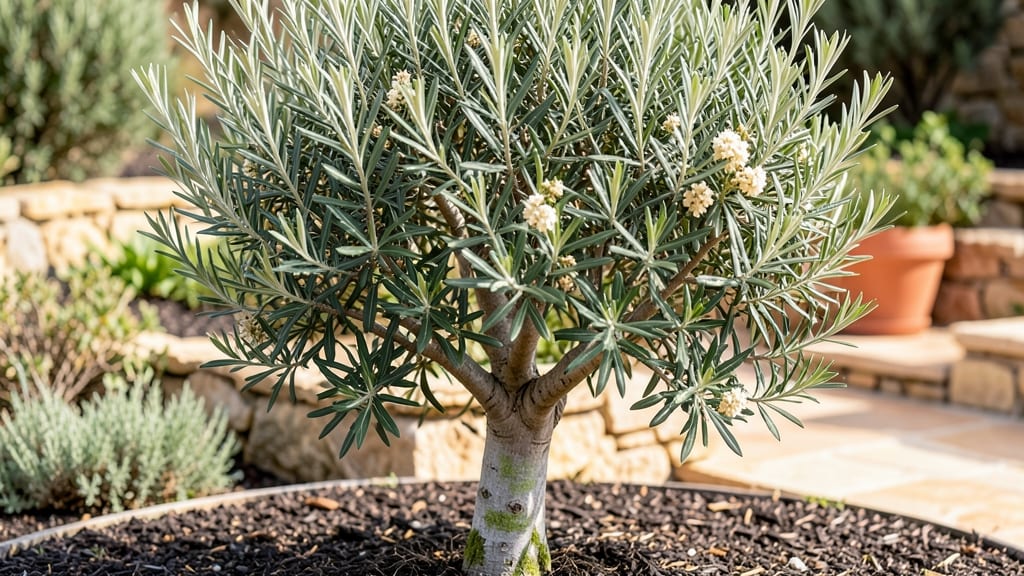
Growing black olive trees in Florida means you can prune year-round without frost worries—something I learned the hard way after a hurricane snapped my first tree. 🌿 These trees thrive in the heat and humidity, but they need the right cuts to stay strong through storms and seasonal shifts.
The key is shaping them early to handle Florida’s unpredictable winds while keeping their dense, silvery foliage looking its best.
You’ll need basic pruning tools—a sharp pair of loppers, gloves, and a ladder if your tree is mature. The goal is to remove dead or crossing branches first, then thin out the canopy by about 20-30% to improve airflow and sunlight penetration.
Florida’s humidity means diseases lurk, so never let branches get too crowded. I prune mine in late winter and early summer, but light trimming after storms keeps them resilient.
What you’ll end up with is a tree that’s both beautiful and practical—its silvery leaves add texture to landscapes, and the wood is prized locally for carving. The pruning process itself is satisfying: every cut you make strengthens the tree’s structure, making it more storm-proof over time.
Plus, the edible olives (if you’re growing Antidesma bunius) are a bonus for those who want dual-purpose trees.
For Florida gardeners, the real secret is consistency. Check your tree monthly for storm damage or pests, and adjust your pruning as needed. Local nurseries like Florida Native Nurseries or Palm Coast Native Plant Nursery carry these trees, so you can start with healthy stock.
With the right approach, your black olive tree will become the sturdy, shade-providing centerpiece of your yard.
📚 In This Guide
- What you need
- Instructions
- Tips and common mistakes
- Wrapping up and next steps
What you need
- ● Pruning shears: Bypass pruners (for small branches, ¼”–¾” thick)
- ● Loppers: 1 pair (for medium branches, ¾”–2” thick)
- ● Pruning saw: 1 (for thick branches, 2”+ thick—look for a curved-tooth blade)
- ● Gloves: Heavy-duty, cut-resistant (e.g., mechanics’ or pruning gloves)
- ● Disinfectant: 70% isopropyl alcohol or horticultural spray (to sterilize tools)
- ● Heavy-duty trash bags: 2–3 (for debris—black olive branches can be thorny!)
- ○ Ladder (optional): Extendable, stable (if tree exceeds 6–8 ft)
- ● Safety glasses: 1 pair (to protect from debris)
- ● Best time to prune: Late winter to early spring (February–March) for Florida’s mild climate.
- ● Weather check: Prune on a dry, overcast day (avoid rain for 24 hours before/after).
- ● Tool prep: Sharpen blades and disinfect tools to prevent disease spread 💡.
- ● Safety first: Wear long sleeves/pants—black olive branches have sharp thorns!
- ○ Optional: Mark branches to remove with colored flags or spray paint for clarity.
How to prune black olive trees for frost resistance in Florida
Here's the pruning method I trust to keep these hardy trees thriving year-round.
🌿 Step 1: Identify and Remove Frost-Damaged Branches
Start by inspecting your black olive tree in early spring, when new growth begins. Look for branches with dead, brown twigs or branches that snap easily when bent—these are clear signs of frost damage. I always check the inner canopy first, as cold air settles there and does the most damage.
Use sharp pruning shears to make clean cuts just above a leaf node or outward-facing bud. Never leave stubs, as they invite disease. If a branch is larger than 2 inches in diameter, use a pruning saw instead. You'll know you're cutting correctly when the cut surface is smooth and the branch falls away cleanly.
✂️ Step 2: Thin the Canopy for Better Air Circulation
Black olive trees need good airflow to prevent fungal diseases, especially in Florida's humid climate. Focus on removing branches that cross or rub against each other—these create entry points for pests and diseases. I also target branches growing straight upward, as they compete with the main structure for energy.
Remove about one-third of the tree's branches in this step, but prioritize weak or crowded growth. Never remove more than 25% of the foliage in a single pruning session, or you'll stress the tree. After thinning, step back and visualize sunlight reaching all parts of the canopy—this is your goal.
☀️ Step 3: Shape for Frost Hardiness and Sun Exposure
Florida's black olive trees handle frost better when their structure is open and sunlight can penetrate deeply. I shape the tree into a broad, rounded form by shortening overly long branches by one-third of their length. This encourages bushier growth that's more resilient to cold snaps.
Use your pruners to make angled cuts just above a bud facing the direction you want the branch to grow. Avoid cutting back to bare wood, as this can kill the branch. If you're unsure where to cut, look for the small swell at the base of a leaf—this is your bud. The goal is to create a balanced silhouette that catches sunlight from all angles.
💧 Step 4: Post-Pruning Care for Recovery
After pruning, water the tree deeply to help it recover. Focus the water at the base, avoiding the foliage to prevent fungal spores from spreading. I always apply 2-3 inches of water in one session, letting it soak into the soil before stopping. This encourages deep root growth, which makes the tree more frost-resistant.
Apply a 2-inch layer of mulch around the base, keeping it 6 inches away from the trunk to prevent rot. This helps regulate soil temperature and retain moisture. Avoid heavy pruning in late summer or fall, as new growth won't harden off before winter. The tree needs time to recover and prepare for Florida's occasional cold snaps.
Tips & tricks for perfect black olive tree pruning
These simple strategies will help you maintain a healthy, frost-resistant black olive tree all year round.
Timing is Critical: Early spring is the ideal time to prune, right when you notice new growth beginning. This timing allows the tree to recover before Florida's summer heat sets in. I've learned the hard way that pruning too early can expose the tree to late frosts, while pruning too late may stress it before winter. Look for those first tender leaves—your cue to start.
Tool Selection Matters: Using the right tool makes all the difference. For branches under 2 inches, sharp pruning shears are perfect—they give you clean cuts without crushing the branch. For thicker branches, a pruning saw is essential. I always sterilize my tools with rubbing alcohol between cuts to prevent spreading any potential diseases from one branch to another.
Visualize the Canopy: Step back frequently during pruning to visualize how sunlight will reach all parts of the tree. In Florida's intense sun, every leaf needs access to light for optimal photosynthesis. Aim for an open, rounded shape that allows air to circulate freely. This not only prevents fungal diseases but also helps the tree recover more quickly after pruning.
Post-Pruning Recovery: After you've finished pruning, focus on recovery. The deep watering (2-3 inches) and mulching (2-inch layer) are crucial for establishing deep roots. I've noticed that trees with proper post-pruning care show significantly better frost resistance the following winter. Just remember to keep the mulch 6 inches away from the trunk to prevent rot.
Pro Tips for Black Olive Tree Florida
- These simple strategies will help you maintain a healthy, frost-resistant black olive tree all year round.
- Timing is Critical: Early spring is the ideal time to prune, right when you notice new growth beginning.
- Tool Selection Matters: Using the right tool makes all the difference.
Frequently asked questions
Got questions about growing, pruning, or caring for your black olive tree (Bucida buceras) in Florida?
You’re in the right place! Here are answers to the most common queries—from frost resilience to pruning hacks—so you can keep your tree thriving year-round.
How cold can a black olive tree handle in Florida?
A black olive tree is highly frost-resistant for Florida’s climate, surviving down to 20–25°F (-6 to -4°C). However, prolonged exposure below 28°F (-2°C) may stress it. If you’re in North Florida or inland areas, consider wrapping the trunk with burlap or using a frost cloth for extra protection during rare freezes.
When is the best time to prune a black olive tree in Florida?
Prune your black olive tree late winter to early spring (February–March) to avoid disturbing its dormant growth cycle. This timing also helps stimulate new growth before Florida’s summer heat. Avoid pruning in fall—it can make the tree vulnerable to cold damage. For light shaping, you can prune lightly in summer (June–July), but avoid heavy cuts.
How do I prune for shape without killing my black olive tree?
Use sharp, sterilized pruners to make clean cuts just above a leaf node or branch collar. Remove dead, crossing, or overcrowded branches first, then thin out the canopy by 20–30% max per year to avoid stress. For a natural, rounded shape, focus on selective pruning—never remove more than 1/3 of the foliage at once.
Can I grow a black olive tree from seed, or should I buy a sapling?
While you can grow a black olive tree from seed, it’s slow (5+ years to mature) and unpredictable. For faster, guaranteed results, buy a 1–3-year-old sapling from a Florida nursery. Saplings are already hardened to local conditions and establish roots quicker. If you’re patient, soak seeds in warm water for 24 hours before planting in well-draining soil.
What pests or diseases should I watch for in Florida’s black olive trees?
Black olive trees are generally pest-resistant, but keep an eye out for:
- Scale insects (sticky residue on leaves)—treat with horticultural oil.
- Root rot (from overwatering)—ensure well-draining soil and avoid soggy roots.
- Leaf spot fungus (brown spots)—prune infected leaves and apply copper fungicide if needed.
Wrapping up and next steps
Growing a black olive tree in Florida is a rewarding journey—especially when you master the art of frost-resistant pruning! 🌳 By following the right techniques, you’ll ensure a healthy, productive tree year-round.
Whether you’re trimming for shape, health, or harvest, your efforts will pay off with lush foliage and delicious olives.
Ready to take the next step? Start small: pick one pruning session this season, and watch your tree thrive. Happy pruning—your black olive tree will thank you! 🍃