
Fertilization
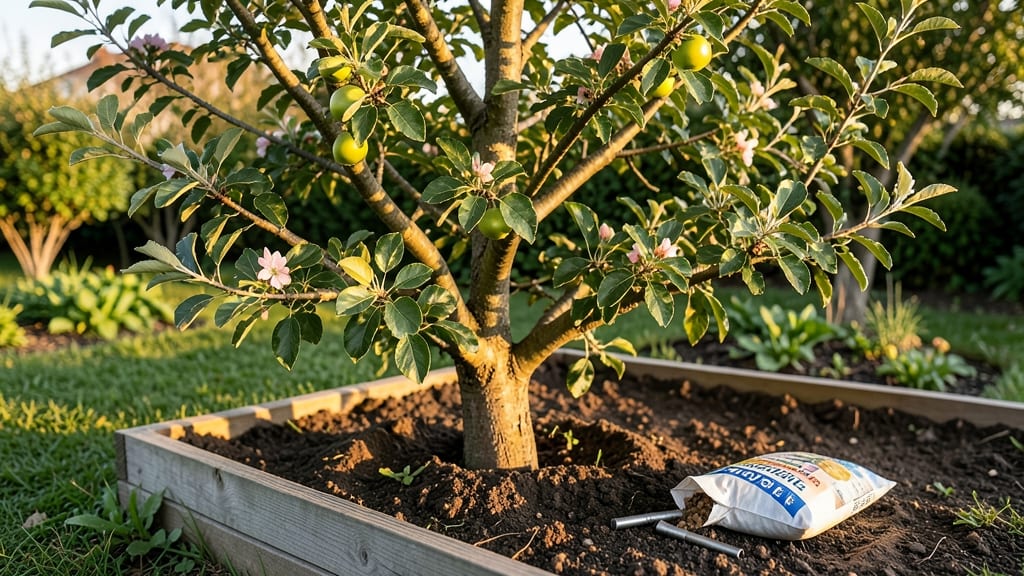
Fertilizer spikes for fruit trees deliver nutrients right where roots need them most—no guessing, no runoff, just steady growth all season long. 🌱 I’ll never forget the first time I saw my peach tree’s leaves go from dull green to vibrant in just three weeks after using them.
The spikes work by slowly releasing nitrogen, phosphorus, and potassium as roots grow toward them, feeding your tree exactly when it needs it.
These aren’t your typical granular fertilizers scattered on the surface. Instead, you plant them 3–6 inches deep near the drip line, where feeder roots thrive.
For citrus, I’ve found high-nitrogen spikes work best in early spring, while apple and peach trees benefit from balanced spikes applied in both spring and late summer. The slow-release formula means fewer applications and less risk of overfeeding—just consistent, targeted nutrition.
What you’ll notice is stronger branches, thicker foliage, and—most exciting—bigger, sweeter fruit by harvest time. My neighbor’s apple tree, once struggling, now produces bushels of crisp, flavorful fruit every year.
The best part? You skip the messy spreading of granules or the worry of leaching. Just plant, water, and watch your tree thrive without the fuss.
Works for dwarf trees in containers or full-sized orchards, though spacing matters—6–12 spikes per mature tree, depending on size. Pair them with compost for even better results, and avoid overdoing it with other fertilizers. Ready to give your fruit trees the boost they deserve?
📚 In This Guide
- What you need
- Instructions
- Tips and common mistakes
- Wrapping up and next steps
What you need
- ● Fertilizer spikes for fruit trees: Slow-release spikes (e.g., Osmocote or Espoma brands) – 10–20 spikes per tree, depending on size (follow package guidelines). Choose spikes with a balanced NPK ratio (e.g., 10-10-10 or 14-14-14) for general fruit tree health.
- ● Garden gloves – A pair to protect your hands from sharp spikes and soil debris. 🧤
- ● Watering can or hose – For hydrating the soil before and after planting spikes.
- ● Hand trowel or small shovel – To create precise holes (about 2–3 inches deep).
- ● Measuring tape or ruler – To ensure even spacing between spikes (6–12 inches apart).
- ● Mulch (wood chips or straw) – To retain moisture and regulate soil temperature.
- ● Soil tester kit – To check pH levels (ideal range: 6.0–7.0 for most fruit trees).
- ● Organic compost or worm castings – For an extra nutrient boost alongside spikes.
- ● Stake or marker flags – To track spike placement in large orchards.
Step-by-step guide to using fertilizer spikes for fruit trees
Here’s how to maximize yields with slow-release nutrition—no guesswork, just steady growth.
🌱 Step 1: Choose the Right Spikes for Your Tree Type
Fertilizer spikes aren’t one-size-fits-all. For young fruit trees, use high-nitrogen spikes (look for 10-10-10 or 12-12-12 ratios) to fuel leaf and root development. Mature trees producing fruit benefit from balanced spikes (like 8-8-8) or low-nitrogen, high-phosphorus (5-10-10) to support flowering and fruiting.
Check the spike label for your tree’s specific needs—citrus trees, for example, need low-nitrogen, high-potassium spikes to prevent leaf burn. I always match the spike type to the tree’s growth stage. A 4-year-old peach tree in my yard thrives on 10-10-10 spikes, while my 10-year-old apple tree gets 8-8-8 for steady production.
⏰ Step 2: Apply Spikes at the Right Time of Year
Timing is everything with fertilizer spikes. For most fruit trees, late winter or early spring (just before buds swell) is ideal. This gives roots time to absorb nutrients before new growth demands them. Avoid applying spikes in summer heat—the spikes release faster when soil is warm, risking root burn.
For ever-bearing fruit trees (like figs or blueberries), split applications: half in early spring and half after harvest. You’ll see stronger regrowth and heavier fruit set the following season. I mark my calendar with the last frost date—spikes go in 2-3 weeks before to sync with root activity.
🪴 Step 3: Insert Spikes Correctly for Maximum Root Uptake
Use a hand trowel or spike applicator to create a 2-inch-deep hole near the tree’s drip line (the edge of the tree’s canopy). Insert the spike vertically, with the pointed end down. Space spikes 6-12 inches apart in a circle around the tree—closer for small trees, wider for mature ones.
Don’t bury spikes too deep (beyond 3 inches), or they’ll release nutrients too slowly. For large trees, use 2-3 spikes per application. Water the soil deeply after insertion to activate the spikes and help roots reach them. You’ll notice new feeder roots growing toward the spikes within 4-6 weeks—that’s your sign it’s working.
☀️ Step 4: Monitor Soil Moisture and Growth Response
Fertilizer spikes release nutrients over 3-6 months, but their effectiveness depends on consistent moisture. Keep the soil evenly damp (not soggy) in the root zone—dry soil slows nutrient release. Mulch with 2-3 inches of organic matter (like wood chips) to retain moisture and regulate temperature.
Watch for visual cues: dark green leaves, vigorous new shoots, and increased flower buds signal success. If leaves yellow between veins, you’ve overdone nitrogen—switch to low-nitrogen spikes next time. I check my trees monthly after application, adjusting watering if the soil feels dry more than 1 inch down.
✂️ Step 5: Adjust for Seasonal Needs and Troubleshoot Issues
If your tree shows slow growth or small fruit, it may need more phosphorus (look for spikes with higher middle numbers, like 5-10-5). For leaf drop or weak branches, reduce nitrogen and increase potassium (try a 5-5-10 spike). Always rotate spike types annually to prevent nutrient lockout.
Here’s the thing—over-fertilizing is worse than under-fertilizing. If you see burnt leaf edges or stunted growth, flush the soil with extra water to leach excess salts. I’ve learned the hard way: less is more with spikes. Start with half the recommended dose for new trees, then adjust based on their response.
Tips & tricks for perfect fertilizer spike application
Real talk: getting the most from fertilizer spikes isn't just about throwing them in the ground. These small details make all the difference between steady growth and wasted investment.
Spike Selection Strategy: The numbers on fertilizer spikes (like 10-10-10) represent nitrogen-phosphorus-potassium ratios. For young trees, I always choose high-nitrogen spikes (10-10-10 or 12-12-12) to build strong roots and foliage. For mature fruit-bearing trees, switch to balanced spikes (8-8-8) or low-nitrogen, high-phosphorus (5-10-10) to support flowering and fruit development. Citrus trees deserve special attention—opt for low-nitrogen, high-potassium spikes to prevent leaf burn, which I discovered the hard way after scorching my lemon tree's edges.
Timing Is Everything: The 2-3 weeks before last frost window is your sweet spot for application. This gives roots time to absorb nutrients before new growth begins. For ever-bearing trees like figs, split your application—half in early spring and half after harvest. I mark my calendar with the last frost date and set reminders, because missing this window means wasted spikes that release too late for the current growing season.
Placement Precision: When creating that 2-inch-deep hole near the drip line, think about root growth patterns. The drip line marks where most feeder roots develop, so this is where spikes will have maximum impact. For large trees, I use 2-3 spikes per application spaced 12 inches apart in a circle. The key is vertical insertion with the pointed end down—this ensures consistent nutrient release as roots grow toward the spike. After placing, I always water deeply to activate the spikes and encourage root development.
Monitoring Made Simple: Track your tree's response with these visual cues: dark green leaves, vigorous new shoots, and increased flower buds all signal success. If you notice leaves yellowing between veins, it's a clear sign of over-fertilization with nitrogen. In this case, switch to low-nitrogen spikes next time. I check my trees monthly after application, adjusting watering when the soil feels dry more than 1 inch down. This consistent moisture check is what separates successful applications from failed ones.
Pro Tips for Fertilizer Spikes For Fruit Trees
- Real talk: getting the most from fertilizer spikes isn't just about throwing them in the ground.
- Spike Selection Strategy: The numbers on fertilizer spikes (like 10-10-10) represent nitrogen-phosphorus-potassium ratios.
- Timing Is Everything: The 2-3 weeks before last frost window is your sweet spot for application.
Frequently asked questions
Got questions about using fertilizer spikes for your fruit trees? You're not alone!
Here are some of the most common queries—plus straightforward answers to help you grow like a pro.
When is the best time to apply fertilizer spikes to fruit trees?
Apply spikes in early spring (just as buds swell) and late summer (after harvest) for best results. Avoid fertilizing in winter (dormancy) or extreme heat (stress). For young trees, stick to one application per year—usually in spring.
How often should I use fertilizer spikes instead of regular fertilizer?
Spikes are slow-release, so they last 3–6 months per application. Unlike liquid fertilizers (which require monthly feeding), spikes cut down on maintenance. For most fruit trees, 2–4 spikes per tree, 2–3 times a year, replaces frequent watering with liquid fertilizer.
What if my fruit tree isn’t responding to fertilizer spikes?
Check these first:
- Soil pH: Test it—spikes work best in 6.0–7.0 range. Adjust with lime or sulfur if needed.
- Watering: Spikes need moist soil to activate. Dry spells can stall nutrient release.
- Overcrowding: Too many spikes? Reduce to 1–2 per application to avoid "burn."
- Pests/disease: Yellow leaves or poor growth? Rule out bugs or root rot first.
Are fertilizer spikes cheaper than other fruit tree fertilizers?
Yes! Spikes are cost-effective for long-term use. A $10 bag (e.g., 50 spikes) covers 10+ trees for a season, while liquid fertilizers require monthly repurchases. Plus, they’re mess-free—no measuring or mixing. Pro tip: Buy in bulk for big savings!
Can I use fertilizer spikes on citrus trees or other sensitive varieties?
Yes, but go easy! Citrus, figs, and avocados are salt-sensitive. Use half the recommended dose (e.g., 1 spike per tree) and water deeply after applying. Organic spikes (like cottonseed meal) are gentler than synthetic options.
How do I know how many spikes to use per tree?
Follow the label!
Generally:
Tree Size
Spikes per Application
Young trees (1–3 years)
1–2 spikes
Mature trees (4+ years)
3–6 spikes
Heavy bearers (e.g., peaches, apples)
4–8 spikes (split into 2 applications)
Wrapping up and next steps
Ready to give your fruit trees the nutrient boost they deserve? Fertilizer spikes are a game-changer for slow, steady growth and bigger harvests—without the hassle of frequent applications. Whether you're a seasoned gardener or just starting, these spikes make feeding your trees effortless and effective. 🌱
Your next step? Pick the right spikes for your tree type, follow the application tips, and watch your orchard thrive! Start small, observe results, and soon you’ll be reaping the rewards of healthier trees and juicier fruit.