
Container Gardens
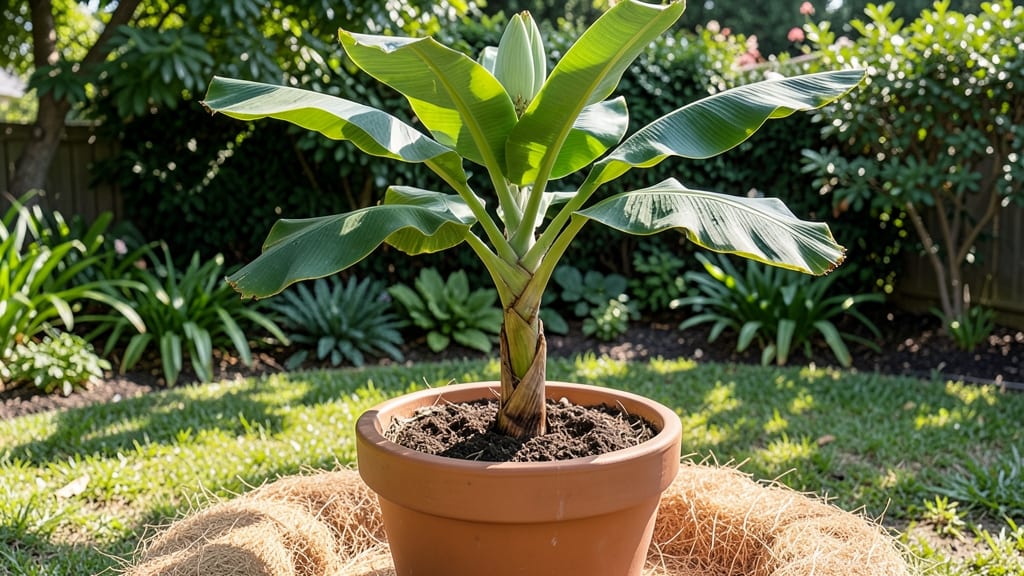
Growing banana trees in containers lets you enjoy tropical fruit even in apartments or small yards. 🌿 I’ve grown them in pots for years, and the secret isn’t just the right soil—it’s the balance of space, warmth, and patience that turns a houseplant into a fruiting powerhouse.
You’ll need a container at least 15-20 gallons, well-draining soil mixed with compost, and a spot that gets 6+ hours of sunlight daily.
Bananas thrive on neglect in some ways but demand consistency in others—like watering only when the top inch of soil feels dry and fertilizing monthly with banana-specific food.
The first year is all about roots and leaves, but with the right care, you’ll see those iconic banana blooms by year two.
Imagine snipping ripe fruit from your patio or balcony—no tropical climate required. The leaves alone bring drama, but the payoff of homegrown bananas (even if they’re small) is worth every bit of attention. These plants also clean the air and repel pests, making them a multi-purpose tropical star.
Outdoor growers can overwinter potted bananas in a garage or shed, while indoor gardeners need bright windows or grow lights. The key is adapting to your space’s limits—because even a 5-gallon pot can grow a dwarf banana variety with proper care. Let’s get those pseudostems growing!
📚 In This Guide
- What you need
- Instructions
- Tips and common mistakes
- Wrapping up and next steps
What you need
- ● Container: A 5-gallon or larger pot (at least 18–24 inches deep) with drainage holes. Pro tip: Terracotta or fiberglass retains heat well! 🌡️
- ● Potting Mix: 10–15 gallons of a well-draining mix (e.g., 50% coconut coir, 30% perlite, 20% compost). Avoid heavy garden soil!
- ○ Banana Plant: A dwarf banana variety (e.g., Dwarf Cavendish or Red Dacca) from a nursery. Optional: Start from a pups (offspring) if you already have a banana plant!
- ● Gloves & Pruners: For handling sharp pseudostems (banana "trunks").
- ● Watering Can or Hose: With a gentle spray nozzle (bananas hate soggy roots!).
- ● Fertilizer: Balanced liquid fertilizer (10-10-10) or organic banana-specific food (apply every 4–6 weeks).
- ● Mulch: 2–3 inches of straw or wood chips to retain moisture.
- ○ Support Stake (Optional): A 3–4 ft bamboo stake to help heavy fruit-bearing plants.
- ● Sunlight: 6+ hours of direct sun daily (south-facing spot or grow lights).
- ● Warmth: Bananas thrive in 70–90°F temps. Pro tip: Move indoors if temps drop below 50°F! ❄️
- ● Space: Allow 3–5 ft of clearance around the pot for growth.
Step-by-step instructions for growing banana trees in containers
Here's how to turn your patio into a tropical oasis with thriving banana plants.
🪴 Step 1: Choose the Right Container and Soil Mix
Banana trees need room to grow—select a container that's at least 24 inches wide and deep for each plant. I use fiberglass or plastic pots because they hold moisture well and won’t crack in freezing temps. Avoid terra cotta; it dries out too fast and can’t handle the plant’s eventual size.
Fill the bottom third with fast-draining material like gravel or broken pottery shards. This prevents root rot, which is a common killer of container-grown bananas. Next, mix equal parts potting soil and coconut coir—this lightweight blend mimics tropical soil while allowing roots to breathe. Avoid garden soil; it compacts and suffocates roots.
🌱 Step 2: Plant the Banana Pup and Set Up for Growth
Banana trees grow from pups—small offshoots at the base of the mother plant. Choose a pup with at least 3-4 inches of roots and a small shoot emerging. Plant it 1-2 inches deep in the soil mix, ensuring the roots aren’t bent or crowded. Gently press the soil around it to secure it without compacting.
Here’s the thing—bananas love warmth. Place your container in a spot that gets full sun (6+ hours daily) and stays above 60°F. If you’re in a cooler climate, move the pot indoors during winter or use a grow light to supplement. I’ve seen bananas bolt (send up flower stalks) even in containers if they get enough light and warmth.
💧 Step 3: Water Deeply and Maintain High Humidity
Banana trees are thirsty but hate soggy roots. Water deeply every 2-3 days until water runs out the drainage holes—this encourages roots to grow downward. Let the top 2 inches of soil dry out between waterings to prevent rot. In hot weather, you might need to water daily, but always check the soil first.
Humidity is key. Mist the leaves 2-3 times a week or place the pot on a pebble tray filled with water to increase moisture in the air. You’ll notice the leaves stay lush and dark green instead of crisping at the edges. If your home has dry air, a small humidifier nearby works wonders.
☀️ Step 4: Fertilize and Support Growth as It Develops
Feed your banana tree every 4-6 weeks with a balanced liquid fertilizer (10-10-10) diluted to half strength. Bananas are heavy feeders, but too much fertilizer burns roots. Start fertilizing 2 weeks after planting and continue until fall. In winter, cut back to once every 8 weeks or stop altogether if growth slows.
As the plant grows, it’ll need support. Install a 3-4 foot bamboo stake or metal rod near the pup when it reaches 12 inches tall. Tie the main stem loosely to the stake with soft plant ties—you don’t want to restrict growth, just guide it. If you’re in a windy area, secure the pot to a stable surface to prevent tipping.
✂️ Step 5: Harvest and Prune for Next Year’s Growth
Banana flowers appear as a large, dramatic arch called a "hand." Once you see the flower, it’s 8-12 months until fruit ripens—patience is key! Harvest bananas when they’re firm but yield slightly to gentle pressure. Cut the bunch with clean pruners, leaving a 2-inch stem attached.
After harvesting, the mother plant will die back. Don’t worry—this is normal! Cut the stem down to 6 inches from the base. The pups at the base will grow into next year’s plants. If you’re in a cold climate, bring the pot indoors before temperatures drop below 50°F. With care, your container banana can produce fruit for years.
Tips & tricks for growing banana trees in containers
Here's what I've learned after growing bananas in containers for years—these small tweaks make all the difference.
Container Size Matters: That 24-inch minimum isn't just a suggestion—it's critical. I've seen banana pups struggle in smaller pots, developing root-bound issues that stunt growth. If you're working with limited space, consider using a half-barrel or large grow bag instead of multiple small containers. The deeper the roots can spread, the more stable and productive your plant will be.
Soil Mix Secrets: The equal parts potting soil and coconut coir blend works wonders, but here's the thing: add a handful of worm castings to the mix. This boosts nutrient availability without over-fertilizing. I also recommend adding a slow-release fertilizer granule at planting time—it gives your banana a steady nutrient supply right from the start.
Light and Temperature Hacks: That 60°F minimum isn't just about warmth—it's about consistent growth. If you're in a cooler climate, consider using a heat mat during winter months to maintain root zone temperatures. For light, supplement with a full-spectrum LED grow light if natural sunlight drops below 4 hours daily. I've had success with a 600-watt LED placed 12 inches above the plant for 12 hours a day.
Support System Strategy: When installing that 3-4 foot stake, don't wait until the last minute. I start supporting my plants at 12 inches tall, but I also add a second stake on the opposite side when the plant reaches 2 feet. This creates a natural trellis effect that helps the leaves spread out, maximizing sunlight exposure. Use soft plant ties that won't cut into the growing stem as it thickens.
Pro Tips for Grow Banana Trees In Containers
- Here's what I've learned after growing bananas in containers for years—these small tweaks make all the difference.
- Container Size Matters: That 24-inch minimum isn't just a suggestion—it's critical.
- Soil Mix Secrets: The equal parts potting soil and coconut coir blend works wonders, but here's the thing: add a handful of worm castings to the mix.
Frequently asked questions
Got questions about growing banana trees in containers? You’re not alone! Here are some of the most common concerns—and their solutions—to help you cultivate your own tropical fruit with confidence.
Can banana trees really grow in containers, or do they need ground planting?
Banana trees thrive in containers as long as the pot is at least 18–24 inches wide and deep with drainage holes. Just ensure the container is sturdy—bananas can get heavy (and windy!). Dwarf varieties like ‘Dwarf Cavendish’ are perfect for pots, while larger types may need larger containers or ground planting.
How long does it take for a banana tree in a container to produce fruit?
Patience is key! With ideal care, a banana tree in a container can produce fruit in 1–2 years, though some varieties may take longer. Factors like sunlight, water, and fertilizer play a huge role. If your plant isn’t fruiting after 2 years, check for sufficient sunlight (6+ hours/day) and balanced nutrients (like potassium and phosphorus).
Why are my banana tree leaves turning yellow or brown?
Yellowing leaves often signal overwatering or poor drainage, while brown edges can mean underwatering or sunburn. Ensure your container has drainage holes and water only when the top 2 inches of soil feel dry. If leaves droop, it might be thirsty—bananas love moisture but hate soggy roots! A slow-release fertilizer can also help prevent nutrient deficiencies.
Do banana trees need to be brought inside during winter?
Most banana trees are tropical and can’t handle frost, but hardy varieties (like ‘Red Dacca’) may tolerate brief cold snaps. For others, move containers indoors (or to a garage) when temps drop below 40°F (4°C). If indoors, place near a sunny window or use grow lights. Reduce watering in winter, as growth slows.
Can I grow banana trees from grocery store bananas?
Yes! Save the organic, unblemished banana stump (with a few eyes), let it dry for 2–3 days, then plant it in moist soil. It’ll take months to years to mature, but it’s a fun experiment. For faster results, buy a potted banana pup (sucker) from a nursery—it’s already primed to grow!
Wrapping up and next steps
Growing banana trees in containers is a rewarding way to enjoy tropical fruit—even in small spaces! 🌱 With the right pot, soil, sunlight, and care, you’ll be harvesting sweet bananas in no time. Remember: patience and consistency are key, so don’t rush the process.
Now that you’re armed with the know-how, take the plunge and start your container banana adventure! Plant your first tree this week and share your progress with fellow gardening enthusiasts. Happy growing!