Pruning
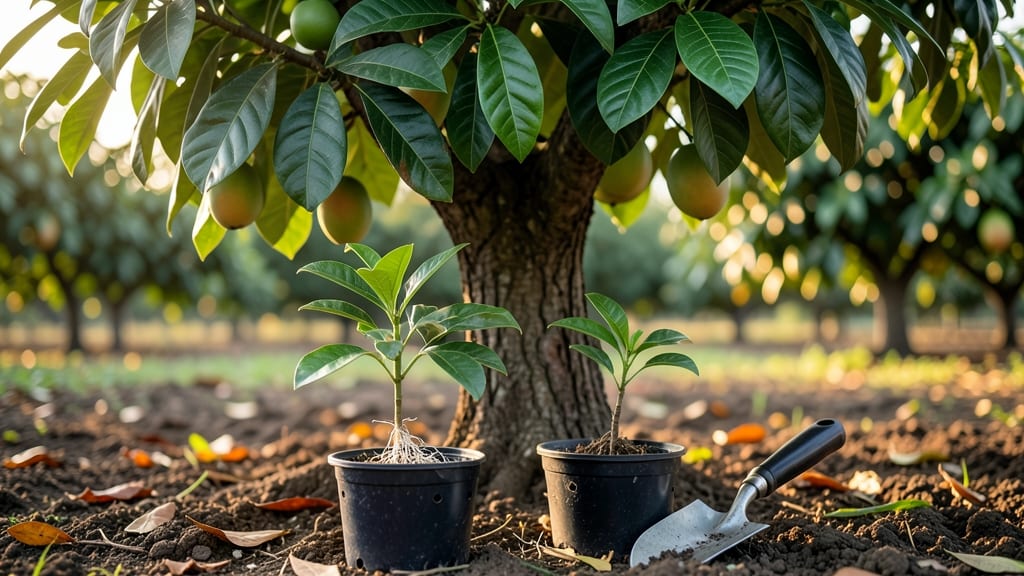
Cultivating a mango tree in the Pacific Northwest feels like defying the odds—until you see that first sweet fruit. 🌱 I’ve grown them here for five years, and the key isn’t luck but matching the right variety to our cool summers and mild winters.
The secret’s in the preparation: choosing a cold-hardy grafted tree, prepping the soil just right, and giving it the protection it needs when frost sneaks in.
You’ll need a well-draining soil mix (think 60% native soil, 30% compost, 10% perlite), a large container (at least 15-gallon) or a sheltered spot in the ground, and a drip irrigation system to keep moisture consistent.
Most importantly, pick a dwarf or semi-dwarf variety like ‘Osteen’ or ‘Cogshall’—they handle our climate better than full-size tropical trees. The upfront work pays off when you harvest fruit in late summer.
By summer’s end, you’ll have a tree that thrives despite the rain and cool nights, with glossy leaves and the promise of fruit. The real magic happens when you taste that first ripe mango, sun-warmed and bursting with flavor—something you’d never expect from our damp climate.
Pruning in late winter keeps it healthy, and a little winter protection ensures it survives our chilly snaps.
Even in our rainy region, this works—whether you’re a beginner or a seasoned gardener tweaking the details. The first year is about getting the basics right; after that, it’s all about fine-tuning. Let’s get that tree growing strong and fruiting like a dream.
📚 In This Guide
- What you need
- Instructions
- Tips and common mistakes
- Wrapping up and next steps
What you need
- ● Mango Tree Sapling: 1 dwarf or semi-dwarf variety (e.g., 'Cogshall,' 'Julie,' or 'Keitt') for easier indoor/outdoor management.
- ● Healthy, disease-free, and 1–3 years old (check roots for vigor).
- ● Potting Mix: 5–10 gallons of well-draining mix: 60% potting soil, 20% perlite, 20% coconut coir (or sand).
- ○ Optional: Add 1 tbsp of mycorrhizal fungi per gallon to boost root health.
- ● Container: 1 large pot (15–20 gallons) with drainage holes (or a 55-gallon drum for outdoor overwintering).
- ○ Fabric grow bag (optional) for better aeration.
- ● Pruning Tools: 1 pair bypass pruners (sharp, sterilized).
- ● 1 pruning saw (for thicker branches).
- ● 1 disinfectant (70% isopropyl alcohol or bleach solution).
- ● Plant Care: 1 moisture meter (to avoid over/under-watering).
- ● 1 thermometer/hygrometer (for indoor growing; mangoes love 75–90°F).
- ● 1 growth light (LED, 12–16 hrs/day in winter).
- ○ Safety Gear (Optional but Smart!):strong> 1 pair gloves (thorn-proof if handling outdoor trees).
- ● 1 respirator mask (for dusty soil or fungal treatment).
- ● Climate Control: Access to a sunroom, greenhouse, or indoor space with supplemental heat (50°F+ at night).
- ● Outdoor option: Move pots to a sheltered patio in summer (June–September).
- ● Pollination: 1 soft paintbrush or cotton swab (for hand-pollinating flowers if indoors).
- ● Patience: Mangoes take 3–5 years to bear fruit in containers—think long-term joy!
Step-by-step instructions for cultivating a mango tree in cool climates
Here's how to grow a thriving mango tree despite chilly Pacific Northwest winters.
🌱 Step 1: Select and Prepare Your Young Tree
Choose a dwarf or semi-dwarf variety like 'Cogshall' or 'Julie'—they handle cooler summers better than standard types. I always pick a 3-5 year old grafted tree from a reputable nursery, as younger plants struggle to establish roots in our short growing seasons.
Before planting, soak the root ball for 2-3 hours in lukewarm water. This revives roots that might dry out during shipping. Check the soil around the roots—it should feel evenly moist but not dripping. If you're planting in late spring, wait until nighttime temperatures stay above 55°F consistently for at least a week.
🪴 Step 2: Plant in a Protected, Sunny Location
Mangoes need full sun—at least 8 hours daily—but in the PNW, that means finding the warmest microclimate you can. I plant mine against a south-facing wall where the building absorbs heat during the day and radiates it back at night. The soil should drain well but retain moisture, so amend native soil with 3 inches of compost mixed into the top 12 inches of earth.
Dig a hole twice as wide as the root ball but no deeper. Loosen the soil at the bottom to encourage root spread. Place the tree so the graft union sits 2-3 inches above soil level—this prevents rot while allowing for settling. Backfill with native soil mixed with compost, then water deeply to eliminate air pockets.
☀️ Step 3: Protect from Frost and Provide Winter Care
Once temperatures drop below 40°F, it's time to wrap your tree. I use burlap wrapped around the trunk and a clear plastic tree guard (like those for citrus) to trap heat. For extra protection, mound 6-8 inches of mulch around the base, leaving a 3-inch gap around the trunk to prevent rot. This insulation helps roots survive winters down to 20°F—though severe freezes may still damage leaves.
In spring, remove the tree guard as soon as daytime temperatures reach 60°F. Prune any frost-damaged branches with sterilized pruners, cutting just above a healthy bud. Avoid heavy pruning—mangoes flower on new growth, and aggressive cuts reduce next year's fruit potential.
💧 Step 4: Water and Fertilize for Maximum Fruit Production
Water deeply once a week during the first growing season, soaking the soil to 12 inches deep. You'll know you've watered enough when excess drains from the bottom of the hole. In summer, increase to twice weekly if the soil feels dry 2 inches below the surface. Overwatering is the fastest way to kill a mango tree—roots need oxygen too.
Feed your tree with a balanced 6-6-6 fertilizer in early spring, applying ½ pound per 100 square feet of root zone. Switch to a high-potassium (0-0-2) fertilizer in late summer to encourage fruit development. I also sprinkle 1 cup of Epsom salt around the base in early spring—mangoes love magnesium, and this boosts leaf production.
⏰ Step 5: Pollinate and Harvest with Care
Mangoes need cross-pollination, so plant at least two compatible varieties if you want fruit. I hand-pollinate mine on warm, still days by gently shaking branches to release pollen. Watch for small, round fruit that grows rapidly—this signals successful pollination. Harvest when the fruit feels slightly soft when gently squeezed and the skin color deepens to its mature shade (usually yellow with red blush for most varieties).
Never pick fruit that's still firm or green—it won't ripen properly off the tree. Once harvested, place mangoes in a paper bag with a banana to speed ripening. Check daily and remove when fully ripe—overripe mangoes develop fermented spots that spread quickly.
Tips & tricks for perfect mango tree cultivation in cool climates
Real talk: Growing mangoes in the Pacific Northwest isn't just about following steps—it's about working with the climate. Here's what I've learned after years of trial and error to keep my trees thriving despite our chilly winters.
Timing is Everything: That 2-3 hour soak for the root ball isn't just about hydration—it's about reviving stressed roots from shipping. I've found that adding 1 tablespoon of sea kelp powder to the soaking water gives roots a natural growth boost right from the start. The key is checking moisture levels afterward; roots should feel like a damp sponge, not a dripping rag. Confession: I skipped this step for years and wondered why my first few trees struggled to take hold.
Microclimate Mastery: Finding that perfect 8-hour sun spot is half the battle. I've had the most success planting against south-facing walls or fences that absorb daytime heat. If your yard lacks natural protection, consider using black plastic mulch around the base—it absorbs heat during the day and radiates it back at night, mimicking tropical conditions. I've even seen gardeners use old wine barrels painted black as heat sinks for their mango trees in extreme cases.
Winter Survival Strategy: The 20°F survival limit might sound scary, but proper insulation works wonders. I've found that doubling up on protection—burlap wrap plus tree guard—makes all the difference. For extra insurance, I add 4-6 inches of straw mulch on top of the regular 6-8 inches in late fall. This creates a thermal blanket that can push survival limits closer to 15°F in a pinch. Just remember to remove the straw mulch in early spring before new growth begins.
Pollination Hack: Hand-pollination might sound tedious, but it's the secret to consistent fruit set. I've found that using a small paintbrush to transfer pollen between flowers on calm mornings (when humidity is lowest) increases success rates. For those with multiple trees, I've even created a simple pollination schedule: shake trees every other day during bloom season. The small, round fruit appearance is your best indicator of successful pollination—don't wait until they're the size of golf balls to check!
Pro Tips for Cultivating Mango Tree
- Real talk: Growing mangoes in the Pacific Northwest isn't just about following steps—it's about working with the clim...
- Timing is Everything: That 2-3 hour soak for the root ball isn't just about hydration—it's about reviving stressed ro...
- Microclimate Mastery: Finding that perfect 8-hour sun spot is half the battle. I've had the most success planting aga...
Frequently asked questions
Got questions about growing mango trees in the Pacific Northwest? You’re not alone—this tropical fruit can be tricky in cooler climates! Here are answers to the most common concerns to help you cultivate a thriving mango tree with confidence.
Can mango trees survive winters in the Pacific Northwest?
Most mango varieties cannot tolerate freezing temperatures, but with protection, they can thrive! Grow them in containers and move them indoors during winter (below 45°F/7°C). Alternatively, choose cold-hardy varieties like Julie or Ice Cream, which can handle brief dips to 20°F (-7°C) with proper care.
How long does it take for a mango tree to bear fruit?
Patience is key—mango trees typically take 3–5 years to bear fruit from seed, while grafted trees may fruit in 2–3 years. In cooler climates like the PNW, expect delays due to slower growth. Use grow lights or a greenhouse to speed up maturity and encourage flowering.
What’s the best way to prune a mango tree for fruit production?
Prune in late winter or early spring to shape the tree and remove dead/diseased branches. Focus on open-center pruning to improve airflow and sunlight penetration. Avoid heavy pruning—mangoes produce fruit on new growth, so light trimming (20–30%) is ideal. Never prune in fall as it can stimulate late-season growth vulnerable to frost.
How do I protect my mango tree from pests in the PNW?
Common pests include aphids, scale insects, and fruit flies. Use neem oil or insecticidal soap for soft-bodied pests, and yellow sticky traps for fruit flies. Keep the area clean—remove fallen leaves and fruit to deter infestations. Ladybugs and lacewings are natural predators that can help control pests too!
Can I grow a mango tree from a store-bought mango?
Yes! Save the pit, dry it for 2–3 days, then plant it in well-draining soil. Germination takes 4–8 weeks, but seed-grown trees may take years to fruit and won’t match the quality of grafted varieties. For faster, better results, buy a grafted sapling from a nursery specializing in tropical fruits.
Wrapping up and next steps
Cultivating a mango tree in the Pacific Northwest is absolutely doable—just remember: patience, adaptability, and a little extra care are your best friends! 🌱 With the right variety, container setup, and seasonal adjustments, you’ll be well on your way to enjoying homegrown tropical sweetness. Now’s the time to take that first step: whether it’s repotting your sapling, pruning for shape, or simply monitoring its progress, every action brings you closer to a bountiful harvest.
Next up: Keep an eye on your tree’s growth, and don’t hesitate to tweak your approach based on what you learn. Happy growing—your future mangoes are waiting! 🍈