
Trees
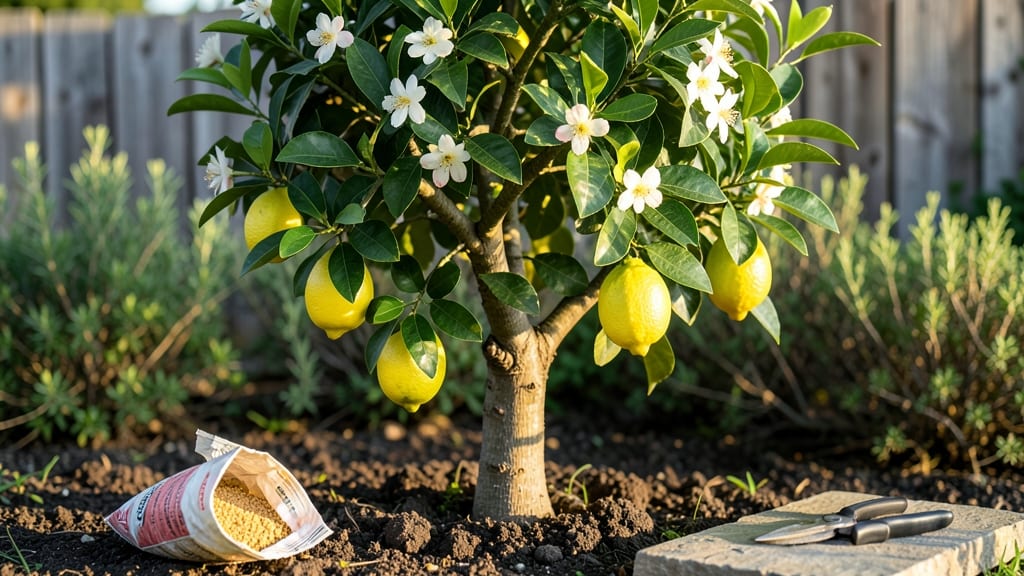
Growing a citrus lemon tree that actually bears fruit isn’t just possible—it’s within reach, even if you’ve killed houseplants before. 🌱 The key is matching the right variety to your climate and giving it the exact conditions it craves: bright light, well-draining soil, and consistent moisture without soggy roots.
My Meyer lemon tree now produces fruit twice a year, and it started as a $15 nursery plant in a 5-gallon pot.
You’ll need a sunny spot—indoors near a south-facing window or outdoors in zones 9-11—plus a pot with drainage holes if container-growing. The soil mix matters: equal parts potting soil, perlite, and compost creates the loose, airy texture lemon trees love.
Overwatering is the #1 killer, so let the top inch dry between waterings, and always use room-temperature water to avoid shocking the roots.
By summer, you’ll see new growth and maybe even tiny blossoms if you’ve nailed the care. The first harvest might take a year or two, but the journey includes fragrant white flowers, glossy leaves, and that first tart-sweet lemon you’ll slice open like a victory.
Pruning in late winter keeps the shape manageable, and a monthly feeding of citrus-specific fertilizer ensures steady fruit production.
Indoor growers in cold climates can extend the season with supplemental grow lights, while outdoor trees in warm zones benefit from afternoon shade in peak summer. The payoff? Fresh lemons year-round, whether you’re making lemonade, preserving slices, or just admiring the tree’s lush green canopy. Let’s get yours thriving.
📚 In This Guide
- What you need
- Instructions
- Tips and common mistakes
- Wrapping up and next steps
What you need
- ● Lemon tree: Choose between a Meyer lemon (hardy, sweet) or a Eureka lemon (classic, tart). Buy a 1–3-year-old sapling from a nursery for best results.
- ● Well-draining potting mix: 5–10 gallons of a blend with 50% peat moss or coconut coir, 30% perlite or pumice, and 20% compost (sterilized). Avoid garden soil—it compacts and causes root rot!
- ● Pot or container: A 15–20 gallon container with drainage holes (terracotta or plastic). For dwarf varieties, a 5–7 gallon pot suffices.
- ● Fertilizer: A balanced citrus fertilizer (6-6-6 or 8-3-9 NPK ratio) or organic options like fish emulsion or citrus-specific granules. Apply every 4–6 weeks during growing season.
- ● Watering can or hose with a gentle spray nozzle: Lemon trees dislike soggy roots—water deeply but infrequently.
- ● Pruning shears: Sharp, bypass pruners (sterilized with rubbing alcohol) for shaping and removing dead growth.
- ● pH testing kit: Aim for a soil pH of 6.0–7.0 (lemon trees prefer slightly acidic to neutral).
- ● Mulch: 2–3 inches of organic mulch (straw or wood chips) to retain moisture and regulate temperature.
- ● Grow lights (if indoors):strong> A full-spectrum LED grow light (12–16 hours/day) for winter months or low-light spaces.
- ● Support stake or trellis: For heavy fruit-bearing branches, use a bamboo stake or wire trellis to prevent breakage.
- ● Pest control: Neem oil, insecticidal soap, or yellow sticky traps for aphids and scale.
- ● Thermometer/hygrometer: Monitor temperatures—lemon trees thrive in 60–85°F and 50–70% humidity.
Step-by-step guide to growing a thriving lemon tree
Here's how I've grown healthy, fruit-bearing lemon trees indoors and outdoors—no green thumb required.
🪴 Step 1: Choose the Right Spot and Container
Lemon trees need bright, indirect light for at least 6-8 hours daily. A south-facing window works indoors, while outdoors they thrive in USDA Zones 9-11 or in large containers moved to sheltered spots in cooler months. I use 15-20 gallon pots with drainage holes—citrus roots hate soggy feet.
Fill the pot with a well-draining citrus-specific potting mix (never garden soil). The mix should feel light and airy—like crumbled cake—when squeezed. Add a 2-3 inch layer of gravel or perlite at the bottom for extra drainage. This prevents root rot, which is the #1 killer of container-grown citrus.
☀️ Step 2: Plant and Provide Ideal Growing Conditions
Remove your lemon tree from its nursery pot and loosen the roots gently if they're circling. Place it in the prepared container so the root flare (where roots meet trunk) sits just above the soil line. Fill around the roots with your citrus mix, pressing lightly to eliminate air pockets.
Water thoroughly until it drains freely from the bottom, then let the top 1-2 inches of soil dry out before watering again. Lemon trees prefer consistent moisture but never soggy soil. I check moisture by sticking my finger in—if it's dry up to my first knuckle, it's time to water. Keep the tree in 65-75°F temperatures and avoid drafts.
💧 Step 3: Feed and Prune for Maximum Fruit Production
Start fertilizing 3 months after planting with a balanced citrus fertilizer (like 6-6-6 or 8-3-9). I apply it every 4-6 weeks during spring and summer, cutting back to monthly in fall and none in winter. Over-fertilizing burns roots—always follow package rates. Yellow leaves often mean too much nitrogen; brown edges mean too much salt.
Prune in late winter or early spring before new growth starts. Remove any dead, crossing, or inward-growing branches with clean, sharp pruners. I also cut back any leggy growth to encourage bushier shape. Never prune more than 25% of the tree at once—this stresses the plant and reduces fruit production.
✂️ Step 4: Encourage Flowering and Protect Your Tree
Lemon trees need good air circulation to flower. If your tree stays too humid (like in a closed room), it may develop fungal issues. I use a small fan on low setting near my indoor tree to keep air moving. For outdoor trees, space them 8-10 feet apart for proper airflow.
Watch for spider mites and scale insects—common citrus pests. I treat early infestations with neem oil spray (mix 1 tsp per quart of water) applied every 7-10 days until pests disappear. For outdoor trees, bird netting protects ripe fruit from pecking. And here's the thing—patience pays off. It takes 3-5 years for a lemon tree to bear fruit, but proper care makes it worth the wait.
Tips & tricks for perfect lemon tree growth
Real talk: Growing a lemon tree isn't just about planting and hoping—it's about creating the perfect environment for that little sapling to thrive. Here's what I've learned after watching my own trees go from struggling seedlings to fruit-bearing powerhouses.
Lighting Strategy: That 6-8 hours of bright, indirect light is non-negotiable, but here's the thing—natural sunlight works best. If you're using grow lights, position them 6-12 inches above the tree and keep them on for 12-14 hours daily to simulate long summer days. I use a timer so I never forget, and my indoor trees get just as much light as my outdoor ones.
Soil Science: The 2-3 inch gravel layer at the bottom isn't just for drainage—it's your first line of defense against root rot. I like to mix in orchid bark with my citrus mix for even better aeration. And here's a pro move: After planting, give the soil a good soak, then let it dry completely before watering again. This helps establish proper moisture patterns from day one.
Temperature Secrets: Those 65-75°F temperatures are ideal, but don't panic if your tree gets slightly cooler—lemon trees can handle down to 40°F for short periods. The real danger is sudden temperature swings. I've seen trees recover from 50°F nights as long as they warm up properly during the day. Just avoid placing them near drafty windows or heating vents.
Fertilizer Timing: The 3-month waiting period before fertilizing is crucial—it lets your tree establish roots without burning them. After that, I've found that applying fertilizer in the morning gives roots 6-8 hours to absorb nutrients before nightfall. And watch those leaves: Yellow between veins means too much nitrogen; brown crispy edges mean too much salt. Both are fixable by flushing the soil with water.
Pro Tips for Citrus Lemon Tree Growing
- Real talk: Growing a lemon tree isn't just about planting and hoping—it's about creating the perfect environment for that little sapling to thrive.
- Lighting Strategy: That 6-8 hours of bright, indirect light is non-negotiable, but here's the thing—natural sunlight works best.
- Soil Science: The 2-3 inch gravel layer at the bottom isn't just for drainage—it's your first line of defense against root rot.
Frequently asked questions
Got questions about growing your own citrus lemon tree?
You’re not alone! Here are answers to the most common queries to help you cultivate a thriving tree with ease.
How long does it take for a lemon tree to bear fruit?
A lemon tree typically takes 3–5 years to produce fruit from seed, but grafted trees (common in nurseries) can bear lemons in as little as 1–2 years with proper care. Patience and consistent sunlight are key—your tree will reward you with zesty harvests!
Can lemon trees survive winter in cold climates?
Lemon trees are tropical and need protection below 20°F (-6°C). In colder zones, grow them in containers and move them indoors near a sunny window or use a greenhouse. If planted outdoors, mulch heavily, wrap the trunk, and consider frost cloth for extra defense.
Why aren’t my lemon tree’s leaves turning yellow?
Yellowing leaves often signal overwatering, nutrient deficiency (like iron or nitrogen), or pests (e.g., spider mites). Check soil moisture—lemon trees prefer well-draining soil—and fertilize with a citrus-specific blend. Inspect leaves for pests and treat with neem oil if needed.
Can I grow a lemon tree indoors year-round?
With a south-facing window or grow lights (12+ hours/day), a dwarf variety (like ‘Meyer’), and regular pruning, indoor lemon trees thrive. Keep humidity high, rotate the pot monthly for even growth, and use a balanced fertilizer every 2–3 months.
What’s the best alternative if I can’t grow lemons?
If lemons aren’t your thing, try lime trees (hardier in cooler climates), calamondins (small, sweet-orange hybrids), or kumquats (edible peel!). All share similar care needs but offer unique flavors—perfect for experimenting!
Wrapping up and next steps
Growing a thriving citrus lemon tree is a rewarding journey that brings fresh, zesty rewards straight to your doorstep! 🍋 With the right location, care, and patience, you’ll enjoy year-round harvests and the joy of nurturing a vibrant plant.
Remember, consistency is key—whether it’s pruning, fertilizing, or protecting your tree from pests.
Now that you’re armed with expert tips, take the next step! Start small—plant a seedling or propagate a cutting—and watch your lemon tree flourish. Before you know it, you’ll be sipping homemade lemonade from your very own homegrown lemons. Happy growing! 🌱