
Pruning
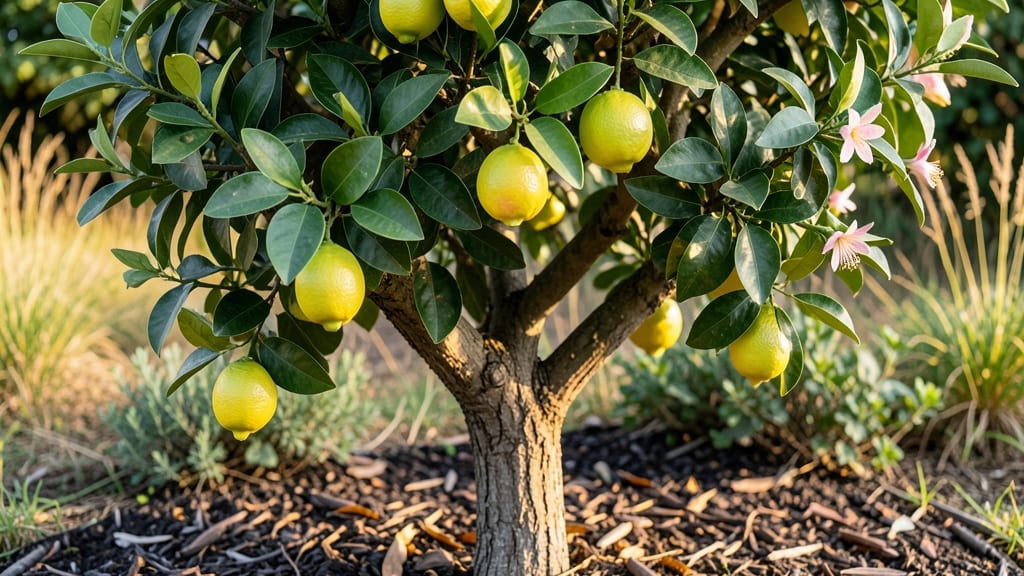
My improved Meyer lemon tree produces fruit even when temps dip to 20°F—something the classic variety can’t do. 🌱 I learned the hard way that winter care makes all the difference between a struggling bush and a productive citrus tree that keeps giving.
The secret isn’t fancy equipment but smart pruning, protective layers, and knowing exactly when to push back against frost.
This tree thrives in USDA Zones 8-11 but with the right tricks, you can grow it in Zone 7 too.
Start with well-draining soil (amend with compost or sand if yours is heavy), plant in a sunny spot with afternoon shade in hot climates, and water deeply once a week—more in summer, less in winter.
The "improved" version also fruits twice a year (spring and fall) instead of just once, and the lemons are sweeter with less bitterness.
By spring, you’ll see bright green leaves and clusters of tiny white flowers that turn into fruit. Prune in late winter to shape the tree and encourage airflow, and harvest lemons when they’re fully yellow (they won’t ripen further off the tree).
The frost-resilient tricks—like wrapping the trunk and using row covers—keep it alive even in cold snaps, so you’re not starting from scratch every year.
Whether you’re a first-timer or a citrus veteran, these methods work. The key is consistency: water, feed, and protect at the right times, and your tree will reward you with year-round abundance—even in colder zones. Let’s get growing!
📚 In This Guide
- What you need
- Instructions
- Tips and common mistakes
- Wrapping up and next steps
What you need
- ● Pruning shears or loppers: Sharp, sterilized (70% isopropyl alcohol), and bypass-style (for clean cuts). Size: 6–8" blades for small branches, 10–12" for thicker limbs.
- ● Hand pruners: For precision trimming of thin stems (≤½ inch). Quantity: 1 pair.
- ○ Gloves: Cut-resistant (e.g., Pip Protection) and gardening gloves (for comfort). Optional: Nitrile-coated for thorny branches.
- ● Disinfectant: Rubbing alcohol (70%+) or hydrogen peroxide (3%) to sterilize tools between cuts.
- ● Pruning sealant: Tree wound dressing (e.g., Tanglefoot Tree Wound Pruning Sealer) for cuts >¼ inch.
- ● Frost cloth or row cover: Lightweight (30g/m²) and breathable (e.g., Agribon). Size: Enough to wrap the tree + 2 ft extra.
- ● Burlap or shade cloth: 50% shade fabric for summer sun protection. Size: 4’x6’ panel.
- ● Stakes and twine: 4–6 wooden stakes (12–18" long) + soft garden twine to secure frost cloth.
- ● Mulch: Organic mulch (e.g., straw, wood chips) 2–4 inches deep, kept 6 inches away from the trunk.
- ● Watering can or hose: With a gentle spray nozzle for post-pruning hydration.
- ● Heating mat or bulb: For container-grown trees in freezing zones (e.g., SunBullet plant heater).
- ● Anti-desiccant spray: Wax-based (e.g., Wilt-Pruf) to protect leaves from winter drying.
- ● Citrus fertilizer: Slow-release (10-10-10 NPK) or organic (fish emulsion) for post-winter recovery.
- ● Potting mix add-ins: Perlite or vermiculite (20% mix) for improved drainage in containers.
- ● Grow lights: LED full-spectrum (12–16 hrs/day) for indoor trees in low-light areas.
Step-by-step guide to cultivating a hardy Meyer lemon tree
Here's how I've adapted Meyer lemons to thrive beyond their tropical roots.
🌱 Step 1: Select and Prepare the Right Container
Choose a 15-20 gallon container with drainage holes—Meyer lemons need room for roots to expand and air to circulate. I use unglazed ceramic because it breathes better than plastic and helps regulate soil moisture. Fill the bottom 2 inches with coarse gravel to prevent root rot from sitting water.
Next, mix 3 parts potting soil with 1 part perlite and 1 part compost—this creates a well-draining yet nutrient-rich medium. The reason we avoid garden soil is that it compacts over time, suffocating roots. Fill the pot halfway and let the mix settle naturally. You'll notice the soil compress slightly when you tap the container gently on the table.
☀️ Step 2: Plant and Position for Optimal Growth
Remove your Meyer lemon from its nursery pot and loosen the roots if they appear tightly bound. Place it in the center of your prepared container, ensuring the graft union (the bulge near the base) sits 1 inch above soil level. This prevents soil from covering the graft, which could cause the tree to revert to less desirable rootstock.
Fill the remaining space with your soil mix, pressing lightly around the base to eliminate air pockets. Water deeply until moisture runs from the drainage holes—this helps settle the soil and removes any remaining air gaps. Position your tree in a spot that gets 6-8 hours of sunlight daily. A south-facing window is ideal, but if you're using grow lights, keep them 12-18 inches above the canopy for 14 hours per day. Here's the thing—Meyer lemons are more forgiving than regular lemons, but they still need consistent light to produce fruit.
💧 Step 3: Water and Fertilize for Frost-Resilient Strength
Water your Meyer lemon when the top 2 inches of soil feel dry to the touch. I use a moisture meter to track this because overwatering is the fastest way to kill a citrus tree. In winter, reduce watering to every 2-3 weeks unless your home has dry heat. The key is to keep the roots slightly moist but never soggy—citrus roots rot faster than they recover.
Start fertilizing 4-6 weeks after planting with a citrus-specific fertilizer (10-10-10 or 8-3-9 ratio), following package instructions. I apply fertilizer every 4-6 weeks during active growth (spring through fall) and monthly in winter to support fruit development. Always water before fertilizing—this prevents root burn. You'll see new growth within 2-3 weeks if the tree is happy, and that's your signal everything is working.
✂️ Step 4: Prune and Protect for Year-Round Productivity
Prune your Meyer lemon in late winter or early spring before new growth begins. Remove any dead, diseased, or crossing branches first—these compete with healthy growth for energy. Then, cut back overly long branches by one-third to encourage bushier growth. The goal is to maintain an open center that allows sunlight to reach all parts of the tree. Real talk: I used to prune too late in the season, and the tree struggled to recover before winter. Now I mark my calendar for February 15th as my hard cutoff.
For frost protection, move your container to a garage or sheltered porch when temperatures drop below 30°F. If you can't move it, wrap the pot and lower trunk in burlap and cover the canopy with a frost blanket. Avoid plastic—it traps moisture and can cause more damage than the cold. Your tree will thank you with earlier blooms and heavier fruit sets the following season.
Tips & tricks for cultivating a hardy Meyer lemon tree
These frost-resilient strategies will help your Meyer lemon thrive year-round—no tropical climate required.
Container Selection Wisdom: While 15-20 gallon containers work perfectly, I've found that terracotta pots actually regulate moisture better than ceramic in humid climates. The porous material helps prevent root rot by allowing excess moisture to evaporate. If you choose plastic, opt for the thickest-walled option available—thin plastic can't handle temperature fluctuations well. Always double-check drainage holes are unobstructed before planting.
Lighting Optimization: The 6-8 hours of sunlight requirement can be tricky in northern climates. I supplement with a full-spectrum LED grow light on a timer during winter months when daylight is limited. Position the light 12-18 inches above the canopy and run it for 14 hours daily to mimic summer conditions. You'll notice new growth within 2-3 weeks of consistent light exposure—this is your tree's way of thanking you for the extra care.
Frost Protection Upgrade: When temperatures drop below 30°F, I go beyond just moving the pot. I wrap the container and lower trunk in double-layered burlap and add insulated foam board around the sides for extra protection. This creates a microclimate that can raise temperatures by 5-10°F around the roots. For extreme cold snaps, I move the entire wrapped pot into an unheated garage where temperatures stay above freezing. The key is to protect both the roots and the canopy—citrus trees can't recover from frozen foliage.
Soil Mix Secret: The 3:1:1 ratio of potting soil to perlite to compost is perfect, but I always add 1/4 cup of Epsom salt to the mix for every 5 gallons. This magnesium boost prevents yellowing leaves (a common citrus deficiency) and supports fruit development. Mix it thoroughly before planting—your tree will show you it's working within 4-6 weeks with darker green foliage and more vigorous growth.
Pro Tips for Improved Meyer Lemon Tree
- These frost-resilient strategies will help your Meyer lemon thrive year-round—no tropical climate required.
- Container Selection Wisdom: While 15-20 gallon containers work perfectly, I've found that terracotta pots actually regulate moisture better than ceramic in humid climates.
- Lighting Optimization: The 6-8 hours of sunlight requirement can be tricky in northern climates.
Frequently asked questions
Got questions about keeping your improved Meyer lemon tree thriving? Here are answers to the most common ones—so you can enjoy year-round lemons with confidence!
How cold can an improved Meyer lemon tree handle?
While Meyer lemons are more frost-tolerant than standard varieties, they still prefer mild winters. Most improved types survive brief dips to 20–25°F (-6 to -4°C) with protection (like frost cloth). For colder climates, grow them in containers and move them indoors when temps drop below freezing.
When is the best time to prune for better fruit production?
Prune your Meyer lemon tree twice a year: late winter/early spring (before new growth) to shape the tree and remove dead wood, and summer (after harvest) to encourage airflow and fruit production. Avoid heavy pruning in fall—it stresses the tree before winter.
Why are my Meyer lemon leaves turning yellow, even with improved frost resistance?
Yellow leaves often signal overwatering or nutrient deficiencies. Check soil moisture—Meyer lemons hate soggy roots. If the soil is dry, water deeply but infrequently. For yellowing between veins, test for iron or nitrogen deficiency and amend soil with citrus-specific fertilizer.
Can I grow an improved Meyer lemon tree in a pot indoors?
Containers are ideal for indoor growing. Use a 15–20 gallon pot with drainage holes and well-draining soil. Place it near a south-facing window (or use grow lights) for 6–8 hours of sunlight daily. Rotate the pot weekly for even growth. Just ensure it’s not drafty—citrus trees dislike sudden temperature swings.
How do I protect my tree during unexpected freezes?
Act fast! Cover the tree with frost cloth or a blanket, securing it tightly. Avoid plastic—it traps moisture and can damage leaves. For container trees, move them to a garage or sheltered porch overnight. If frost hits, prune damaged branches in spring and monitor for signs of recovery.
Are there any low-maintenance alternatives to Meyer lemons?
If you want frost-hardier citrus, consider Improved Meyer lemon hybrids (like ‘Four Seasons’ or ‘Ponderosa’). For even easier care, try kumquats or calamondins—they’re tougher, produce fruit faster, and handle cooler temps better. Just expect smaller harvests!
Wrapping up and next steps
Transforming your Meyer lemon tree into a frost-resilient, year-round fruit powerhouse is totally achievable with the right techniques! Whether you’re pruning for better airflow, protecting it from cold snaps, or optimizing its growth habits, every small step adds up to bigger harvests and a healthier tree. 🌿
Now that you’re armed with the know-how, grab those pruners and get to work! Start with a thorough inspection of your tree—identify weak branches, trim strategically, and shield it from frost. Before you know it, you’ll be enjoying homegrown lemons all year long. Happy gardening! 🍋✨