Pruning
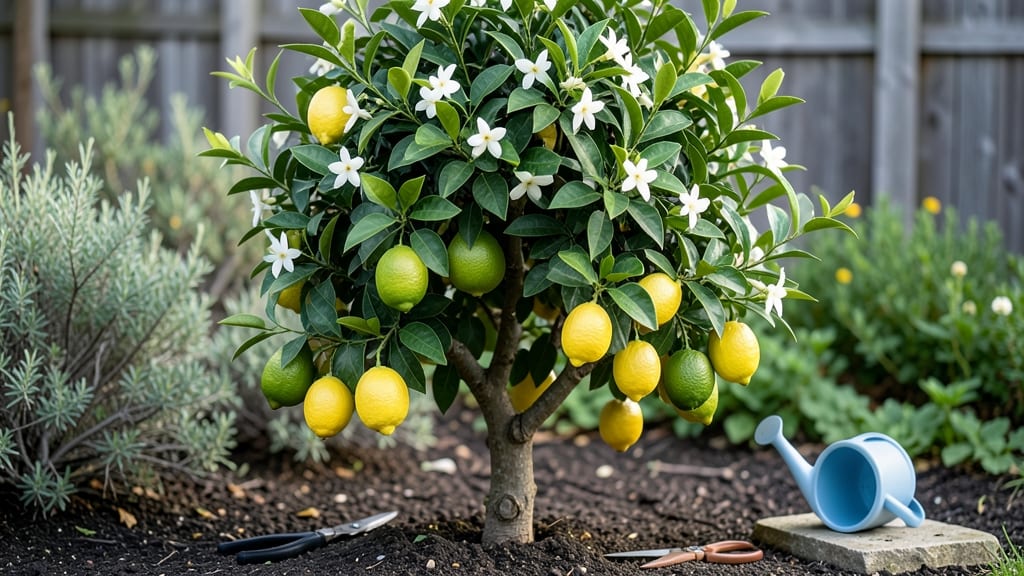
Growing a bear lemon tree in the Pacific Northwest means you can finally enjoy homegrown citrus without worrying about frost. 🌿 I’ve wrestled with these hardy little trees for years—learning which cuts keep them bushy, which branches to sacrifice for fruit, and how to shield them from our damp winters.
The secret isn’t just pruning; it’s timing, technique, and a few tricks to outsmart our climate.
You’ll need sharp pruners, a sunny spot (even indoors works), and patience for the first few years while the tree establishes. My trees now produce dozens of lemons each winter, and they’ve survived temperatures down to 15°F with the right protection.
The key is pruning in late winter—right before new growth starts—to shape the tree while it’s still dormant.
By summer, you’ll see thick, glossy leaves and clusters of tiny white flowers that eventually turn into tart-sweet lemons. The tree stays compact enough for containers, and with proper care, it can live for decades.
The first harvest feels like winning the lottery—especially when you’re used to store-bought lemons that taste like wax.
Whether you’re growing in a pot on your patio or planting in the ground with winter wraps, this blueprint works for our region’s unique challenges. Let’s get those branches trimmed and those lemons growing!
📚 In This Guide
- What you need
- Instructions
- Tips and common mistakes
- Wrapping up and next steps
What you need
- ● Pruning shears: Bypass pruners (for clean cuts on small branches; 5-7" blade, stainless steel). Quantity: 1 pair.
- ● Loppers: Bypass or anvil type (for thicker branches; 18-24" reach, ergonomic grip). Quantity: 1 pair.
- ● Pruning saw: Curved-tooth or folding pruning saw (for branches >1" thick). Quantity: 1.
- ● Gloves: Heavy-duty, cut-resistant (gardening gloves with reinforced palms). Quantity: 1 pair.
- ● Disinfectant: 70% isopropyl alcohol or bleach solution (1 part bleach to 9 parts water). Quantity: Small spray bottle.
- ○ Sealing wax or pruning paste: Optional but recommended for larger cuts (>½") to prevent disease. Quantity: Small jar.
- ● Trash bags or bucket: For collecting pruned branches. Quantity: 1-2.
- ● Ladder or step stool: If your tree exceeds 6 feet. Height: Adjustable or 8-10 ft for safety.
- ● Sharpie or label markers: For marking branches to remove (if planning ahead). Quantity: 1.
- ● Weather check: Prune on a dry, overcast day (avoid frost or rain within 24 hours).
- ● Safety gear: Sunglasses (to protect from debris) and closed-toe shoes.
- ● Tree knowledge: Familiarize yourself with your bear lemon tree’s growth habits and disease history.
- ○ Clean workspace: Lay down tarps or cardboard to catch debris (optional but helpful).
Step-by-step guide for pruning your bear lemon tree in cold climates
Here's the method I've used to keep my PNW bear lemon thriving through winter freezes.
✂️ Step 1: Time Your Pruning for Dormancy
Prune your bear lemon tree in late winter or early spring, just as buds begin to swell but before new growth starts. This timing ensures you're cutting back when the tree is naturally dormant, which minimizes stress and bleeding. In the Pacific Northwest, aim for February to early March when frost danger has passed but before the last frost date.
Look for tight, plump buds along the branches—these signal the tree is preparing to wake up. If you prune too early, you risk encouraging new growth that won't survive late frosts. If you wait too long, you'll remove potential fruit-bearing wood. I always mark the last frost date on my calendar and prune 2-3 weeks after that date.
🌿 Step 2: Remove Dead, Diseased, or Crossing Branches
Start by cutting out any dead, damaged, or diseased branches using clean, sharp pruners. These branches won't produce fruit and can harbor pests or diseases that spread to healthy wood. Look for branches that are brown, brittle, or oozing sap—these are clear signs of trouble.
Next, remove branches that are rubbing against each other or growing inward toward the center of the tree. These "crossing branches" compete for energy and can create wounds where diseases enter. I like to step back and visualize the tree's shape—imagine an open vase form with branches spreading outward. This shape allows sunlight and air to circulate freely, which is crucial for frost resistance.
☀️ Step 3: Thin Out Overcrowded Areas
Focus on thinning branches to improve airflow and sunlight penetration. Bear lemon trees produce fruit on both old and new wood, so you don't want to cut back too aggressively. Instead, aim to open up the canopy by removing 10-20% of the total branches, prioritizing those that are too close together or growing straight upward.
Look for branches that are too dense—these create shaded areas where moisture lingers, increasing the risk of fungal diseases like powdery mildew. I target branches that are less than ¼ inch thick and growing inward. These are the ones that, if left unchecked, will strangle the tree's growth. Use your pruners to make clean cuts just above a leaf bud or outward-facing branch to encourage healthy regrowth.
⏰ Step 4: Shape for Frost Resistance
Give your bear lemon tree a rounded, dome-like shape to help it shed snow and ice more easily. Frost damage often occurs when heavy snow or ice accumulates on horizontal branches, breaking them under the weight. A rounded shape distributes the load more evenly.
Start by identifying the main scaffold branches—these are the thick, sturdy branches that form the tree's framework. Prune any branches that grow at narrow angles (less than 45 degrees) to the main branch, as these are more prone to breaking. Instead, encourage branches that grow at wide, outward angles. This not only improves structural integrity but also allows sunlight to reach all parts of the tree, promoting even growth and fruit production.
💧 Step 5: Clean Up and Protect Wounds
After pruning, clean up all debris and dispose of it away from your tree to prevent disease and pests from taking hold. Use a 1:9 ratio of bleach to water to disinfect your pruners between cuts, especially if you've removed diseased branches. This simple step can save your tree from future infections.
Finally, apply a wound dressing to any large cuts (over ½ inch in diameter) to protect the tree from fungal infections. I use a pruning sealant made from beeswax and tree resin, which allows the wound to heal naturally while keeping moisture and pathogens out. Smaller cuts (under ¼ inch) don't need sealing—they'll heal on their own. Water the base of the tree deeply after pruning to help it recover and establish new growth.
Tips & tricks for pruning your bear lemon tree
Real talk: Pruning your bear lemon tree isn't just about cutting branches—it's about setting your tree up for success through our unpredictable PNW winters. Here's what I've learned after years of trial and error with my own frost-battered tree.
Timing is Everything: That February to early March window is non-negotiable for PNW growers. I've seen trees pruned too early suffer frost damage on new growth, and trees pruned too late miss out on next year's fruit. Mark your last frost date on your calendar now—prune exactly 2-3 weeks after that date. This timing lets the tree heal before summer's heat arrives, which is when it needs to focus on fruit production.
Shape Matters More Than You Think: The rounded, dome-like shape isn't just aesthetic—it's a frost survival strategy. I've watched snow accumulate on horizontal branches and snap them like twigs. When shaping, always cut back to outward-facing branches at wide angles (45 degrees or more). This creates a natural snow-shedding structure while improving airflow to prevent fungal diseases. Think of it as building a tree that can handle our region's heavy winter loads.
Clean Cuts Prevent Big Problems: I used to skip the bleach solution between cuts, and my tree paid the price with repeated infections. That 1:9 bleach-to-water ratio might seem extreme, but it's worth it. For larger cuts over ½ inch, I've found that beeswax sealant creates a protective barrier that actually helps the wound heal faster. Smaller cuts don't need sealing—they'll callus over naturally, but larger wounds benefit from this extra protection against our damp PNW climate.
Pro Tips for Bear Lemon Tree
- Real talk: Pruning your bear lemon tree isn't just about cutting branches—it's about setting your tree up for success through our unpredictable PNW winters.
- Timing is Everything: That February to early March window is non-negotiable for PNW growers.
- Shape Matters More Than You Think: The rounded, dome-like shape isn't just aesthetic—it's a frost survival strategy.
Frequently asked questions
Got questions about growing and pruning your bear lemon tree? You’re not alone! Here are some of the most common queries—and their straightforward answers—to help you keep your frost-resistant citrus thriving in the Pacific Northwest.
How cold can a bear lemon tree handle?
A Citrus × meyeri ‘Bear’ is one of the hardiest citrus varieties, typically surviving temperatures down to 15–20°F (-9 to -7°C). However, prolonged exposure to freezing temps (below 10°F/-12°C) can still cause damage. To protect it, wrap the trunk in burlap, use a frost cloth, or move potted trees indoors during extreme cold snaps.
When is the best time to prune a bear lemon tree?
Prune your bear lemon tree late winter or early spring (February–March), just before new growth begins. Avoid heavy pruning in fall, as it can stimulate tender new shoots vulnerable to frost. Light shaping in summer (after harvest) is fine, but skip major cuts—citrus trees heal slower in heat.
Why aren’t my bear lemon tree’s fruits ripening?
Several factors can delay ripening: insufficient sunlight (6+ hours daily), overwatering (root rot stunts growth), or lack of nutrients (feed with citrus-specific fertilizer in spring/fall). Check for pests like aphids or scale, which sap energy. If indoors, ensure humidity levels (40–50%) and good airflow to prevent stress.
Can I grow a bear lemon tree in a container?
Bear lemon trees thrive in 15–20 gallon pots with drainage holes. Use a well-draining mix (60% potting soil, 30% perlite, 10% compost). Re-pot every 2–3 years and choose a lightweight container (like fabric grow bags) for easy winter moves. Just ensure it gets bright, indirect light—south-facing windows or grow lights work best.
What should I do if my bear lemon tree’s leaves turn yellow?
Yellowing leaves usually signal overwatering, nutrient deficiency, or root issues. First, check the soil—it should be damp but not soggy. Adjust your watering schedule (let the top 1–2 inches dry out between waterings). If the problem persists, test for iron or nitrogen deficiency (common in alkaline soils) and amend with chelated iron or a balanced fertilizer.
Wrapping up and next steps
Growing a thriving bear lemon tree in the Pacific Northwest’s chilly climate is absolutely doable—with the right pruning strategy!
By following this frost-resistant blueprint, you’ll encourage robust growth, protect your tree from winter damage, and enjoy bountiful harvests year after year. Your patience and care will pay off in lemons so sweet, they’ll taste like sunshine! 🌞
Ready to put your newfound skills into action? Grab your pruners and schedule your first pruning session this weekend. Start small, observe your tree’s response, and refine your technique over time. Happy pruning—and may your branches always bear the sweetest lemons! 🍋✨