Flowers
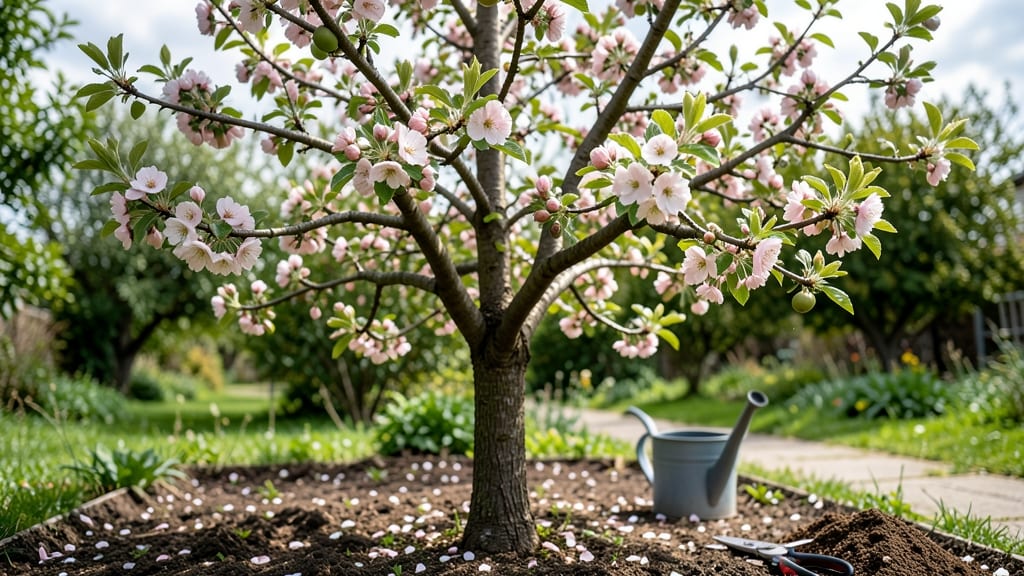
An apple tree with white flowers isn’t just a fruit-bearing tree—it’s a springtime centerpiece that transforms your Pacific Northwest garden into a dreamy, blossom-filled sanctuary. 🌸 The delicate, fragrant blooms of varieties like 'White Angel' or 'Blushing Lady' create a soft, ethereal backdrop that pairs perfectly with the region’s lush greenery.
I planted mine near the patio, and now it’s the first thing guests notice when they arrive, its branches heavy with blossoms that last for weeks.
These trees thrive in mixed borders or as standalone focal points, especially near seating areas where you can enjoy their intoxicating scent.
Pair them with early spring bulbs like daffodils or bleeding hearts for a layered look, or let them stand alone as a dramatic specimen against a dark evergreen hedge. The best part? They deliver both beauty and bounty—crisp apples in fall to cap off the season.
Imagine waking up to branches dusted with snow-white petals, followed by the rich harvest of your own fruit. The contrast of their glossy leaves and fragrant blossoms against the Pacific Northwest’s misty backdrop is pure magic.
With the right placement, you’ll have a tree that’s as functional as it is stunning, year after year.
Whether you’re designing a new garden or refreshing an old one, this tree brings effortless elegance. It’s the kind of plant that makes neighbors stop and ask, “What is that?”—and then keeps giving long after the flowers fade. Let’s make yours the talk of the neighborhood.
📚 In This Guide
- What you need
- Instructions
- Tips and common mistakes
- Wrapping up and next steps
What you need
- ● Apple tree sapling or bare-root tree: Choose a white-flowering variety like Malus 'White Angel' or Crataegus phaenopyrum (Washington hawthorn). Ensure it’s disease-resistant and suited for your USDA Zone (6-9 for PNW).
- ● High-quality potting soil or garden loam: 5-10 bags (2-3 cubic feet each), amended with compost (1 part compost to 3 parts soil) for drainage.
- ● Organic mulch: 2-3 cubic yards of wood chips or straw to retain moisture and suppress weeds.
- ● Slow-release fertilizer: 10-20 lbs of 10-10-10 NPK or a balanced organic fertilizer (e.g., fish emulsion or bone meal).
- ● Watering can or hose with a gentle spray nozzle: For deep, consistent watering.
- ● Shovel or trowel: For digging planting holes (18-24 inches wide/deep).
- ● Pruning shears: Sharp, sterilized shears (or a pruning saw for thicker branches).
- ● Garden gloves: Heavy-duty, cut-resistant (e.g., Mechanix Wear).
- ● Measuring tape: To ensure proper spacing (15-20 feet between trees).
- ○ Stakes and twine (optional): For young trees in windy PNW areas.
- ● Sunlight: A full-sun location (6+ hours/day) with partial afternoon shade in hotter PNW summers.
- ● Well-draining soil: Test pH (ideal: 6.0-7.0). Amend clay soil with sand or perlite if needed.
- ● Water source: Easy access for deep watering 2-3 times/week (first year).
- ● Local nursery or mail-order supplier: For certified disease-free trees (e.g., Nursery Live or Fast-Growing-Trees.com).
How to grow a stunning white-blooming apple tree in the Pacific Northwest
Here’s how to plant and nurture a showstopping apple tree with those dreamy white blossoms—perfect for your PNW garden.
🌱 Step 1: Choose the Right Variety and Planting Location
White-blooming apple trees like ‘White Angel’ or ‘White Winter Pearmain’ thrive in the Pacific Northwest’s climate. Pick a spot with full sun (at least 6-8 hours daily) and well-draining soil—these trees hate soggy roots. I always test soil pH first (aim for 6.0-7.0). If your yard is heavy clay, amend with 2-3 inches of compost before planting.
Dig a hole twice as wide and just as deep as the root ball. Loosen the sides of the hole with a shovel to encourage root spread. Here’s the thing—white-blooming varieties often need cross-pollination, so plant a second compatible tree 20-30 feet away if you want fruit. If you’re growing strictly for flowers, one tree will do just fine.
☀️ Step 2: Plant at the Right Time and Water Deeply
Spring is the best time to plant in the PNW—wait until after the last frost when soil warms to 50°F or above. Remove the tree from its container and gently tease the roots outward if they’re circling. Place it in the hole so the graft union sits 2-3 inches above soil level (this prevents rot). Backfill with native soil, tapping lightly to remove air pockets.
Water deeply right after planting—pour 5 gallons at the base until it drains through. Mulch with 3 inches of wood chips (keep it 6 inches away from the trunk) to retain moisture and suppress weeds. Your tree will need 1-2 inches of water weekly during the first growing season, but check soil moisture first—stick your finger 2 inches deep. If it feels dry, water again.
🌿 Step 3: Prune for Shape and Flower Health
Prune your tree in late winter or early spring (before buds swell) to remove dead wood and shape it. Use clean, sharp pruners to cut just above a bud or branch collar—never leave stubs. Open the center of the tree to improve airflow, which prevents fungal diseases that can ruin those white blooms. Aim to keep the main branches 45-60 degrees apart for structural strength.
Here’s where it gets fun—watch for water sprouts (shoots growing straight up from the trunk or branches). These steal energy from flowers and fruit. Snip them off as soon as they appear. After flowering, thin out some of the fruit clusters if your goal is bigger, showier blooms next year (leave 1 fruit per cluster for best results).
⏰ Step 4: Feed and Protect for Long-Term Blooms
Apply a balanced 10-10-10 fertilizer in early spring (follow label rates) to fuel blooms. I like to top-dress with ½ cup of compost around the drip line every fall—this feeds roots gradually without burning them. White-blooming apple trees are prone to fire blight, so spray with copper fungicide in early spring as a preventative. This is the moment that matters: catch diseases early, and your tree will reward you with years of stunning white flowers.
In the PNW’s rainy climate, watch for powdery mildew on leaves. Improve airflow by pruning and avoid overhead watering. If mildew appears, treat with neem oil spray (mix 1 tbsp per gallon of water). Your tree will thank you with healthier foliage and even more dramatic blooms next spring.
Tips & tricks for perfect white-blooming apple trees
Took me years to learn these secrets—your PNW garden will thank you for these simple adjustments that make all the difference.
Soil Prep is Everything: Before planting, mix 2-3 inches of compost into the bottom of the hole to improve drainage, especially in clay-heavy PNW soils. I also add a handful of bone meal (optional) to boost phosphorus for root development. The goal is to create a loose, airy mix that encourages roots to spread outward rather than downward. Test your soil pH first—if it’s below 6.0, add crushed limestone to raise it gradually over a few months.
Timing Matters More Than You Think: Those 6-8 hours of full sun are non-negotiable for white blooms, but the real secret is morning sun. Plant your tree where it gets direct sunlight from 8 AM to noon—afternoon shade helps prevent heat stress on delicate blossoms. In the PNW’s cooler summers, this positioning also protects flowers from scorching winds that can damage petals before they fully open.
Pruning for Maximum Blooms: When pruning in late winter, focus on creating an open vase shape—this isn’t just about aesthetics. The 45-60 degree branch angles create better airflow, which dramatically reduces fungal diseases that can blacken and drop white blooms. I always make cuts just above a bud that faces outward; this encourages new growth in directions that catch sunlight. And here’s what nobody tells you—water sprouts are the silent bloom-killers. Remove them within 2 weeks of appearance or they’ll steal 30% of your tree’s energy from flower production.
Fertilizer Strategy: That 10-10-10 fertilizer in early spring should be applied in three 2-week intervals rather than all at once. This prevents root burn while giving your tree a steady nitrogen boost for leaf growth that supports those heavy white blossoms. For organic gardeners, I recommend a fish emulsion instead—it’s gentler and provides micronutrients that conventional fertilizers often lack. The key is to fertilize 6-8 weeks before the expected bloom time in your region.
Pro Tips for Apple Tree With White Flowers
- Took me years to learn these secrets—your PNW garden will thank you for these simple adjustments that make all the difference.
- Soil Prep is Everything: Before planting, mix 2-3 inches of compost into the bottom of the hole to improve drainage, especially in clay-heavy PNW soils.
- Timing Matters More Than You Think: Those 6-8 hours of full sun are non-negotiable for white blooms, but the real secret is morning sun.
Frequently asked questions
Got questions about growing or caring for an apple tree with white flowers? You’re not alone! Here are some of the most common queries from gardeners in the Pacific Northwest—and their straightforward answers to help you bloom with confidence.
What’s the best time to plant an apple tree with white flowers in the PNW?
Plant your tree in early spring (March–April) or early fall (September–October) for ideal root establishment. The PNW’s mild winters and wet springs mean avoiding late fall planting—soil can stay too cold, slowing growth. Choose a spot with full sun (6+ hours/day) and well-draining soil to prevent soggy roots.
Are white-flowering apple trees different from regular apple trees?
Yes! While both produce apples, white-flowering varieties (like ‘White Angel’ or ‘Snowdrift’) often have showier blooms and may be pollinator-friendly. Some are ornamental crabapples that prioritize flowers over fruit, while others yield small, tart apples. Check labels—fruit quality varies!
How do I protect my tree’s white flowers from late frosts in the PNW?
Late frosts (common in April–May) can damage blooms. Use frost cloths or row covers on chilly nights, or install a tree wrap to shield buds. Avoid overhead watering before frost—wet flowers freeze faster. Choose late-blooming varieties (like ‘Crabapple ‘Dolgo’) for better resilience.
Do white-flowering apple trees need a pollinator to produce fruit?
Most do! Even if you love the flowers, plant two compatible trees (e.g., ‘White Angel’ + ‘Snowdrift’) for fruit. Bees and butterflies love them, but if pollinators are scarce, hand-pollinate with a soft brush. Ornamental crabapples often skip fruit entirely—focus on the blooms!
Why aren’t my apple tree’s white flowers opening this year?
Check for these issues:
- Cold damage: Freeze-thaw cycles can shock buds. Wait until consistent warmth (50°F+ for days).
- Pests: Aphids or mites suck sap, stunting blooms. Spray with neem oil or introduce ladybugs.
- Nutrient deficiency: Yellow leaves? Add balanced fertilizer (10-10-10) in early spring.
- Overwatering: Soggy soil = root rot. Ensure 6 inches of drainage.
Wrapping up and next steps
An apple tree with white flowers isn’t just a stunning addition to your Pacific Northwest garden—it’s a promise of sweet rewards and seasonal beauty. 🌸 From choosing the right variety to nurturing it with care, every step brings you closer to a flourishing orchard.
Whether you’re drawn to the delicate blossoms or the crisp apples to come, this tree is a showstopper worth growing.
Now that you’re armed with tips and answers, why not take the next step? Plant your tree this spring and watch your garden transform into a fragrant, fruitful paradise. Happy gardening! 🌱