
Trees
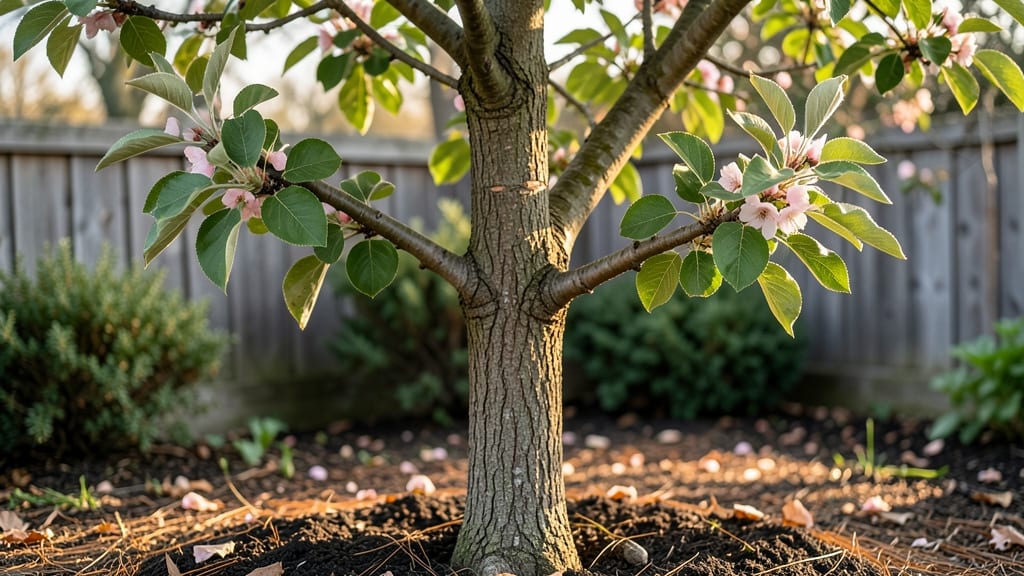
Planting a combination fruit tree—two trees in one—just got easier. Combination fruit trees pair compatible varieties onto a single rootstock, saving space while doubling your harvest potential—no extra pollinators needed.
I learned this trick after watching my first apple tree take up half my backyard while producing just a few dozen fruits. These clever pairings let you grow apples and pears, plums and cherries, or even peaches and nectarines from a single trunk.
The real magic happens in small gardens where every square foot counts. You’ll get two distinct flavors and harvest times from one tree, with proper pruning keeping both varieties healthy.
My neighbor’s apple-pear combination produced enough fruit last year to share with the whole block—all from a tree that fits in a 6-foot diameter circle. The key is choosing varieties that bloom at similar times for natural cross-pollination, even though they’re on the same root.
Imagine biting into a crisp Honeycrisp apple one week and a juicy Bartlett pear the next, both from the same tree. The aesthetic payoff is just as rewarding: layered blooms in spring, summer fruit, and fall color all from one plant.
You’ll also cut maintenance in half by pruning just one trunk instead of two. For small spaces, this is the ultimate fruit tree hack—more harvest, less yard.
Whether you’re working with a 4x4-foot patio or a narrow urban lot, these pairings prove you don’t need acres to enjoy a full orchard’s worth of fruit. The best part?
You can mix and match varieties to suit your taste—just make sure they’re compatible. Let’s dive into which pairings work best and how to keep them thriving together.
📚 In This Guide
- What you need
- Instructions
- Tips and common mistakes
- Wrapping up and next steps
What you need
- ● Combination fruit tree saplings: 1–3 (depending on space; dwarf varieties like Columnar or Semi-Dwarf work best). Choose varieties like Apple-Quince, Plum-Almond, or Peach-Nectarine.
- ● High-quality potting soil: 5–10 gallons (sterile, well-draining mix with compost or coconut coir).
- ● Container or in-ground planting spot: Containers: 5–15 gallon pots (minimum 18" deep) with drainage holes.
- ● In-ground: Space 6–10 feet apart (check tree tags for exact spacing).
- ● Organic fertilizer: Balanced (10-10-10) or fruit-specific blend (e.g., Espoma Fruit Tree Food).
- ● Mulch: 2–3 inches of wood chips or straw (keeps roots cool and retains moisture).
- ● Drip irrigation or hose: With adjustable nozzle for gentle watering.
- ● Pruning tools: Bypass pruners (for small branches).
- ● Loppers (for thicker branches).
- ● Sterilizing solution (rubbing alcohol or bleach).
- ● Tree ties or soft garden twine: To support young trees (avoid plastic ties that can girdle trunks).
- ● Tree guards: Protect young trunks from pests (e.g., Tree Collars or Wire Mesh).
- ● Slow-release fertilizer spikes: For convenient nutrient delivery.
- ● Soil moisture meter: Ensures roots stay hydrated without overwatering.
- ● Pollination aids: If growing self-pollinating varieties, a small hand-held pollinator (like a paintbrush) can help.
- ● Seasonal care kit: Includes frost cloth (for winter) and shade cloth (for summer).
How to plant and care for space-saving combination fruit trees
Here's how to grow four productive trees in the space of one—perfect for small gardens and urban yards.
Choose the Right Varieties and Location
Combination fruit trees are grafted to grow multiple varieties on a single rootstock, saving space while maximizing harvests. Look for dwarf or semi-dwarf rootstocks like M.9 or B.9 for smaller spaces. These trees typically produce apples, pears, plums, or cherries in one trunk, with each variety on its own branch.
Plant in full sun (at least 6-8 hours daily) with well-draining soil. Avoid low spots where water pools—roots need oxygen, not soggy conditions. If your soil is heavy clay, amend it with 2-3 inches of compost before planting. The best time to plant is in early spring or fall, when temperatures are mild and roots can establish without stress.
Here’s the thing—location matters more than you’d think. A south-facing wall or fence provides extra warmth, which helps fruit ripen faster. If you’re in a windy area, plant near a windbreak like a hedge or building to protect delicate blossoms during pollination season.
Plant with Proper Spacing and Support
Dig a hole twice as wide as the root ball but no deeper—this encourages roots to spread horizontally rather than settling too low. Gently remove the tree from its container and loosen any circling roots with your fingers. Place the tree in the hole so the graft union (the bulge where branches meet the trunk) sits 2-3 inches above soil level. This prevents buried unions from rotting or sending up unwanted suckers.
Backfill with native soil mixed with 1-2 gallons of compost to boost fertility. Water deeply to settle the soil and eliminate air pockets. Stake the tree if it’s tall or top-heavy, using a 4-foot wooden stake and soft tie it with tree tie material—not wire, which can girdle the trunk as it grows. Space trees 10-15 feet apart to allow airflow and easy harvesting.
Real talk: Skipping the compost can leave your tree struggling for nutrients, especially in the first year. Think of it as a head start for your tree’s growth—it’ll repay you with stronger branches and better fruit production.
Prune for Structure and Fruit Production
Prune in late winter or early spring before buds swell, using clean, sharp pruning shears. Remove any dead, diseased, or crossing branches first—these compete with healthy growth. Then, shape the tree by cutting back overly long branches by 1/3 to encourage bushier growth. Focus on keeping the center open to allow sunlight and air to reach all branches.
Combination trees need annual pruning to maintain balance between varieties. Thin out water sprouts (shoots growing straight up) and suckers (shoots growing from the base or below the graft). Aim to leave 3-5 main scaffold branches spaced evenly around the trunk. This ensures each variety gets enough sunlight and air circulation to thrive.
This is the moment that matters: Pruning isn’t just about shaping—it’s about directing the tree’s energy. If you leave too many branches, the tree will spread thin, producing small fruit. If you cut back too much, it’ll struggle to recover. Find that middle ground, and you’ll have a tree that’s both beautiful and bountiful.
Water and Fertilize for Optimal Growth
Water deeply once a week during the first growing season, soaking the soil to a depth of 12-18 inches. After the tree is established (about 2-3 years old), reduce watering to every 2-3 weeks, unless you’re in an extremely hot or dry climate. Overwatering can lead to root rot, while underwatering stresses the tree and reduces fruit quality.
Fertilize in early spring with a balanced, slow-release fertilizer (10-10-10 ratio). Apply ½ cup per tree and water it in well. Avoid high-nitrogen fertilizers late in the season—they encourage leafy growth at the expense of fruit development. Mulch around the base with 2-3 inches of organic mulch, like wood chips or straw, to retain moisture and suppress weeds. Keep mulch 6 inches away from the trunk to prevent rot.
I know it seems weird, but you’ll want to water less as the tree matures. Younger trees need consistent moisture to establish roots, but mature trees develop deeper root systems that can access water on their own. The key is to check the soil 6 inches down—if it’s dry, it’s time to water.
Protect and Maintain for Year-Round Harvests
Combination fruit trees produce two to three crops per year, depending on the varieties. Thin fruit when it’s pea-sized to improve size and quality—leave 6-8 inches between fruits on each branch. This might seem cruel, but crowded fruit leads to small, misshapen harvests. Plus, it reduces the risk of disease spreading from overripe fruit.
Watch for pests like aphids, codling moths, or borers, and treat early with neem oil or insecticidal soap. For fungal diseases like apple scab or powdery mildew, apply a copper fungicide in early spring and after rains. Prevention is easier than treating an infestation, so keep an eye out for early signs like yellowing leaves or sticky residue on branches.
Don’t skip this (I learned the hard way): If you notice cracked bark or oozing sap, it could signal borer damage. Act fast—borers tunnel into the wood, weakening the tree. Prune out infested branches and treat the wound with pruning sealant to protect the tree.
Tips & tricks for perfect combination fruit trees
Small spaces shouldn't limit your harvest—here's how to maximize every inch with these game-changing strategies.
Sunlight Strategy: The 6-8 hours of daily sunlight mentioned is non-negotiable, but here's the secret: position your tree so it gets morning sun on its main branches. This helps all varieties ripen evenly, especially if one fruit type (like cherries) needs more warmth than others. I've seen pears on the shaded side stay green and underripe while apples on the sunny side fully color—it's all about that directional sunlight.
Root Ball Revelation: When planting, don't just dig a hole—create a "root zone" by mixing the native soil with compost in layers. Place the tree so the top of the root ball sits just below soil level, then mound soil around it to create a slight well. This prevents water from pooling at the base while encouraging roots to spread outward where they'll find nutrients. I learned this after seeing trees with waterlogged roots despite proper drainage.
Pruning Precision: That 1/3 reduction of overly long branches in Step 3 is your golden rule, but here's what nobody tells you—cut at a 45-degree angle just above an outward-facing bud. This creates a natural shield that protects the cut from rain and promotes new growth. I used to make straight cuts and always ended up with weak regrowth or dead spots. The angle makes all the difference for healthy recovery.
Watering Wisdom: The 12-18 inch deep watering in Step 4 is perfect, but here's the pro move: water slowly over 20-30 minutes to let it soak in properly. Quick watering just creates surface runoff. I also recommend using a soil probe to check moisture—if it's dry at 6 inches, that's your cue to water again. This prevents both underwatering and the root rot that comes from overwatering.
Pro Tips for Combination Fruit Trees
- Small spaces shouldn't limit your harvest—here's how to maximize every inch with these game-changing strategies.
- Sunlight Strategy: The 6-8 hours of daily sunlight mentioned is non-negotiable, but here's the secret: position your tree so it gets morning sun on its main branches.
- Root Ball Revelation: When planting, don't just dig a hole—create a "root zone" by mixing the native soil with compost in layers.
Frequently asked questions
Got questions about combination fruit trees? You’re not alone! Here are some of the most common concerns—plus quick, practical answers to help you grow like a pro.
What exactly is a combination fruit tree, and how does it work?
A combination fruit tree is a single tree grafted with multiple fruit varieties (e.g., apple + pear or cherry + plum). The tree produces all the grafted fruits in one compact form, saving space while offering variety. Think of it as a "fruit buffet" on a single trunk!
Can I grow combination fruit trees in small yards or containers?
These trees are perfect for small spaces, urban gardens, or even large containers (with proper drainage). Just ensure the pot is at least 18–24 inches wide and deep, and use a high-quality potting mix. Dwarf or semi-dwarf varieties are ideal for pots—check the tag for size expectations.
How do I know when to harvest each fruit variety on a combination tree?
Each grafted fruit will ripen at different times, so monitor the tree closely. Apples and pears, for example, may mature weeks apart. Use the "twist test" (gently twist the fruit—if it releases easily, it’s ready!) and refer to variety-specific harvest guides. Label branches or use a journal to track ripening dates.
What if one fruit variety doesn’t produce well? Is the whole tree a failure?
Not at all! Graft compatibility varies, and some varieties may thrive while others lag. Focus on the productive fruits and prune back underperforming branches in late winter. Over time, you might even see improvement—or replace the weak variety with a better-performing graft if needed.
Are combination trees more prone to pests or diseases?
Combination trees aren’t inherently more susceptible, but their complexity can make them slightly trickier to manage. Inspect leaves/fruit regularly for signs of pests (aphids, mites) or disease (spots, mildew). Prune for airflow, use organic sprays if needed, and choose disease-resistant varieties when possible.
Can I cross-pollinate fruits from a combination tree with other trees?
Yes! Even if your combination tree has multiple varieties, some fruits (like apples or cherries) may still need cross-pollination for optimal yields. Plant a second tree with a compatible pollinator nearby—check the variety tags for specifics. For self-pollinating fruits (e.g., peaches), no extra trees are needed!
Wrapping up and next steps
Combination fruit trees are a game-changer for small gardens, urban yards, and homesteaders alike—offering two (or even three!) fruit varieties in one space while maximizing your harvest.
Whether you're drawn to the convenience of apricot-plum hybrids or the tropical allure of citrus-orange combos, these trees deliver year-round rewards with minimal upkeep. 🌱
Ready to transform your space? Start by researching the best varieties for your climate, then visit a local nursery or order grafted trees from a trusted supplier. With a little planning, you’ll soon be enjoying fresh, homegrown fruit—without the footprint!