Pruning
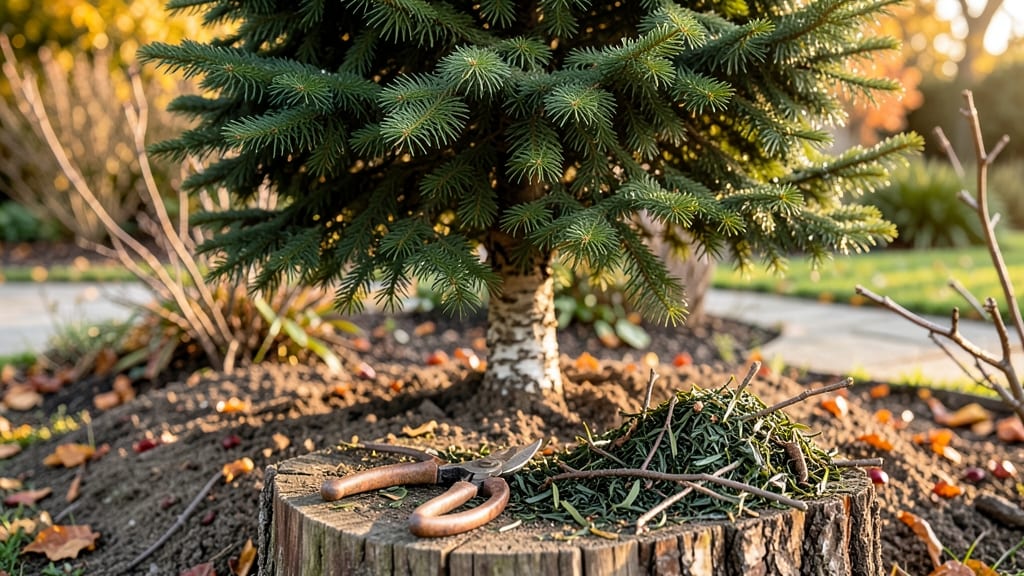
Cutting back yew trees transforms them from scraggly shadows into neat, dense evergreens that stay healthy all year. I’ve spent years wrestling with these stubborn shrubs—until I learned the right timing and technique.
The key? Pruning in late winter or early spring, when the tree isn’t actively growing, and using sharp tools to avoid tearing the delicate foliage.
You’ll need clean pruners, gloves, and a ladder (for taller trees), plus a clear plan to shape the tree without overdoing it. Yews handle pruning better than most evergreens, but they hate harsh cuts—they’ll fill in beautifully if you take just a third of the old growth each year.
The goal is to encourage new, bushy growth while keeping the classic yew silhouette.
After trimming, your yew will reward you with thicker, fuller branches and fewer pests—those tight, healthy leaves deter mites and diseases. The best part? You’ll see results within a season, with vibrant green growth filling in where you cut.
Just avoid pruning in fall, when the tree is stressed, and always step back to check your shape from a distance.
This method works for hedges, topiary, or standalone shrubs, and adapts to both formal and natural styles. Once you master it, your yews will look like they’ve been professionally landscaped—without the hefty price tag. Ready to give them the care they deserve?
📚 In This Guide
- What you need
- Instructions
- Tips and common mistakes
- Wrapping up and next steps
What you need
- ● Pruning shears: Bypass pruners (for small branches, 6–8 inches long) – 1 pair.
- ● Loppers: Bypass or anvil loppers (10–14 inches) for medium branches – 1 pair.
- ● Pruning saw: Curved-tooth saw (for thick branches, 18–24 inches) – 1 saw.
- ● Gloves: Heavy-duty, cut-resistant gloves (e.g., Mechanix or pruning gloves) – 1 pair.
- ● Safety glasses: ANSI-rated for debris protection – 1 pair.
- ● Ladder or step stool: Sturdy, extendable ladder (if trees are tall) – 1 unit.
- ● Disinfectant: 70% isopropyl alcohol or bleach solution (1:9 water ratio) – small spray bottle.
- ● Heavy-duty trash bags: For collecting pruned branches – 2–3 bags.
- ● Rake or broom: For cleanup – 1 unit.
- ○ Pruning sealant (optional): Tree wound paint (for large cuts) – small bottle.
- ● Extension pole pruners: For high branches without a ladder.
- ● Work apron: To keep tools organized and debris contained.
- ● Hand saw: For fine-tuning cuts on smaller branches.
- ● Labeling tags: If you’re propagating cuttings for new plants.
- ● First-aid kit: Just in case of minor scrapes or splinters!
How to prune yew trees for dense, healthy growth
Here's my foolproof method for shaping yews without stressing the plant.
Choose the Right Time and Tools
Late winter or early spring—just before new growth begins—is the ideal time to prune yews. This timing gives the tree time to recover before summer heat stress. I always use sharp, clean pruning shears for clean cuts and a bypass pruner for thicker branches. Avoid dull tools—they crush stems and invite disease.
Disinfect your tools with rubbing alcohol between cuts, especially if your yew shows signs of disease. You'll notice fresh, green growth emerging in early spring, signaling the perfect window to prune without harming the plant.
Remove Dead, Diseased, or Crossing Branches First
Start by identifying branches that are dead, diseased, or rubbing against others. These are your top priorities. Dead branches snap easily when bent, while diseased ones may have discolored bark or fungal growth. Cut these back to the main stem or a healthy lateral branch, making the cut just outside the branch collar.
If you see crossing branches, remove the smaller or weaker one to prevent future damage. This step ensures your yew stays healthy and avoids future issues. You'll see a noticeable improvement in airflow and sunlight penetration after this cleanup.
Shape the Tree with Light, Strategic Cuts
Yews respond best to gradual shaping. I focus on maintaining their natural form while encouraging dense growth. Start by thinning out the interior to allow light to reach the center. Remove no more than 25% of the foliage in one session to avoid shocking the tree.
For formal shapes, make small cuts just above a leaf node or bud. Avoid cutting into old wood—yews heal slowly from deep cuts. Step back occasionally to check your progress. The goal is to create a balanced silhouette that highlights the tree's natural beauty.
Maintain Year-Round with Light Trims
After the main pruning, keep your yew looking its best with light maintenance trims throughout the year. Remove any new growth that disrupts the shape or appears leggy. This encourages bushier, denser foliage.
In late summer, you can lightly trim to shape again, but avoid heavy pruning. The key is to work with the tree's natural growth patterns. You'll notice new, vibrant growth filling in any gaps within a few weeks.
Tips & tricks for perfect yew tree pruning
Mastering the art of yew tree pruning takes patience and precision—here's how to avoid common mistakes and achieve that lush, healthy look.
Timing is Everything: Late winter or early spring is non-negotiable for your first pruning session. This timing aligns perfectly with the tree's natural dormancy period, giving it maximum recovery time before summer's heat stress. I've seen yews stressed by summer pruning develop brown patches or even dieback—don't make that mistake. Mark your calendar for just before those fresh green shoots appear in spring.
Tool Preparation Matters: Sharp, clean tools aren't just about making neat cuts—they're about tree health. Before you start, disinfect your pruning shears and bypass pruner with rubbing alcohol, especially if your yew shows any signs of disease. I learned this the hard way when I skipped this step and accidentally spread fungal spores to a perfectly healthy tree. For thicker branches, use your bypass pruner to make clean cuts just outside the branch collar—this helps the wound heal faster and prevents disease entry points.
The 25% Rule for Healthy Growth: Never remove more than 25% of the foliage in one session, no matter how tempting it is to give your yew a dramatic makeover. Yews are resilient but sensitive, and heavy pruning can shock the tree, leading to stress-related issues. Think of it like giving your tree a spa day—gradual improvements over time yield the best results. When shaping, focus on thinning out the interior first to improve airflow and sunlight penetration, which encourages dense, healthy new growth.
Visual Cues for Perfect Cuts: When making shaping cuts, look for leaf nodes or buds just below your cut point—this ensures new growth will sprout in the right place. For formal shapes, make your cuts at a slight angle just above these nodes. And here's a pro tip: step back every few minutes to check your progress against the tree's natural silhouette. You'll notice how small adjustments make a big difference in the overall shape and balance of your yew.
Pro Tips for Cutting Back Yew Trees
- Mastering the art of yew tree pruning takes patience and precision—here's how to avoid common mistakes and achieve that lush, healthy look.
- Timing is Everything: Late winter or early spring is non-negotiable for your first pruning session.
- Tool Preparation Matters: Sharp, clean tools aren't just about making neat cuts—they're about tree health.
Frequently asked questions
Got questions about cutting back yew trees? You’re not alone! Here are some of the most common concerns—and straightforward answers—to help you trim with confidence.
When is the best time to prune yew trees for optimal health?
The ideal window is late winter or early spring (before new growth starts), but yews are forgiving. Light shaping can happen year-round, though avoid heavy cuts in extreme heat or cold. Pro tip: If you spot dead branches anytime, trim them immediately to prevent disease!
How do I know if I’m over-pruning my yew tree?
Over-pruning shows as sparse foliage, yellowing leaves, or slow regrowth. Yews tolerate up to one-third of their canopy removal in a season, but avoid aggressive cuts—especially on mature trees. If you’re unsure, start with 10-20% of the branches and monitor for stress signs.
Should I use sharp shears or a saw for thick yew branches?
For branches under ½ inch thick, bypass pruners work best. Thicker stems (½–2 inches) need a pruning saw, while anything larger should be handled with a chain saw (safety first!). Always sterilize tools with rubbing alcohol to prevent fungal spread.
Can I shape yew trees into topiaries, and how often should I maintain them?
Yews are perfect for topiaries due to their dense, evergreen growth. For formal shapes, prune 2–3 times per year (spring, summer, and early fall). Light touch-ups between sessions keep edges crisp. Pro tip: Use a hedge trimmer for clean lines and a hand saw for stubborn branches.
Why are my yew tree leaves turning brown after pruning?
Brown tips or leaves often mean over-trimming or drought stress. If cuts are too severe, the tree may struggle to support remaining foliage. Water deeply after pruning, and avoid fertilizing until new growth appears. Watch for pests like spider mites—they thrive on stressed yews!
Are there alternatives to traditional pruning for yew tree maintenance?
Yes! For minimal upkeep, try selective thinning (removing only crowded or dead branches) or natural shaping (letting the tree grow organically with occasional light trims). If your yew is young, training branches early can reduce future work. Just avoid heavy pruning—yews reward patience!
Wrapping up and next steps
Cutting back yew trees doesn’t have to be overwhelming—with the right tools, timing, and technique, you can keep your trees thriving year-round. Remember, precision trimming is key: focus on shaping, removing dead growth, and promoting airflow to prevent disease.
Whether you’re a seasoned gardener or just starting out, confidence grows with practice!
Ready to take the next step? Mark your calendar for late winter or early spring and gather your tools. If your yews need a more complex overhaul, consider consulting a local arborist for expert guidance. Your trees—and your green thumb—will thank you! 🌿✂️