
Trees
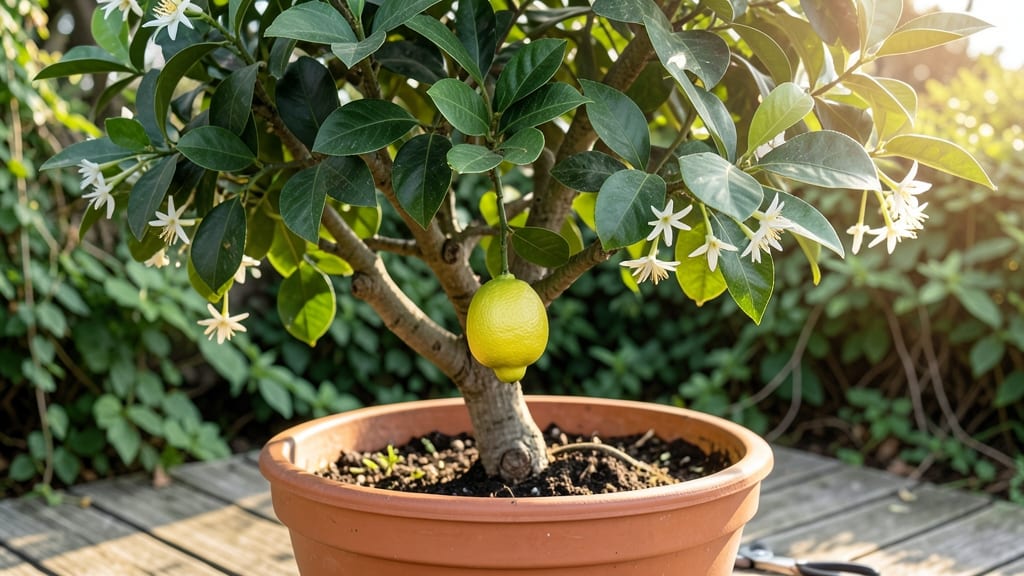
Looking after lemon trees in pots turns your balcony into a sun-drenched citrus grove—something I thought was impossible until I tried it myself. The first time I saw those tiny yellow fruits hanging from my patio container, I knew I’d never buy store-bought lemons again. 🌱
Here’s the secret: these trees need well-draining soil, a large enough pot (at least 15 gallons for dwarf varieties), and bright, direct sunlight for 6+ hours daily.
Most people overwater or underfeed them, but with the right balance, you’ll get lush, productive plants that keep bearing fruit year after year.
What you’ll end up with is a fragrant, evergreen tree that rewards you with sweet, juicy lemons—plus the satisfaction of growing something most people think requires a backyard. The key is consistency: water when the top inch of soil dries, feed monthly in spring/summer, and prune lightly to encourage airflow.
Whether you’re in a small apartment or a cozy courtyard, this method works for anyone willing to give their lemon tree the right conditions. Let’s get yours thriving!
📚 In This Guide
- What you need
- Instructions
- Tips and common mistakes
- Wrapping up and next steps
What you need
- ● Pot: A container with drainage holes, at least 12–18 inches in diameter and depth (bigger is better for mature trees). Terracotta or ceramic works well.
- ● Potting mix: A well-draining blend—50% premium citrus potting soil + 50% perlite, coarse sand, or pumice (avoid garden soil; it compacts and causes root rot!).
- ● Lemon tree: A young dwarf variety (like Meyer lemon) for pots. Check local nurseries for disease-free saplings!
- ● Drainage tray: To catch excess water and prevent messes.
- ● Fertilizer: A balanced citrus fertilizer (e.g., 6-6-6 or 8-3-9 NPK ratio) or organic options like fish emulsion or citrus-specific granules.
- ● Watering can or hose with a gentle spray nozzle: For precise hydration (lemon trees hate soggy roots!).
- ● Pruning shears: Sharp, clean pair for trimming dead or overgrown branches.
- ○ Mulch (optional): A thin layer of orchid bark or straw to retain moisture and regulate soil temp.
- ● Grow lights or a sunny windowsill (south-facing is ideal) if natural light is limited.
- ● Humidity tray or pebble tray to boost moisture in dry climates.
- ● Soil moisture meter to avoid over/under-watering.
- ● Insecticidal soap or neem oil for pest control (aphids and spider mites love lemon trees!).
- ● Support stake or trellis for taller varieties.
Step-by-step guide to caring for potted lemon trees
Here's how to keep your citrus thriving year-round in containers.
🪴 Step 1: Choose the Right Container and Soil Mix
Start with a pot that's at least 12 inches deep with drainage holes—lemon trees hate soggy roots. I like unglazed terra cotta because it breathes and prevents root rot. The 3-gallon capacity works for young trees, but you'll need to upgrade to 5 gallons within a year as roots expand.
Use a well-draining citrus potting mix—never garden soil. I blend equal parts potting mix, perlite, and coarse sand for aeration. The mix should feel light when squeezed but hold together. Add 1 tablespoon of slow-release citrus fertilizer to the bottom layer before planting to give roots an immediate nutrient boost.
☀️ Step 2: Position for Maximum Sunlight and Temperature Control
Lemon trees need 6-8 hours of direct sunlight daily, but they'll scorch in above 90°F temperatures. Place your pot near a south-facing window or under a shade cloth during peak summer hours. I keep mine on a rolling plant stand so I can rotate it weekly—this prevents the tree from growing lopsided toward the light.
During winter, maintain temperatures above 50°F. If your home dips below that, move the pot to a sunny, warm spot like a greenhouse or near a heat source. Watch for yellowing leaves—this often signals cold stress or insufficient light. A simple touch test (feeling the underside of leaves) helps confirm if they're too cold.
💧 Step 3: Water Deeply and Maintain Consistent Moisture
Water when the top 2 inches of soil feel dry—stick your finger in to check. Lemon trees in pots dry out faster than in-ground plants. I use lukewarm water (cold water shocks roots) and pour slowly until it drains from the bottom. Empty the saucer after 10 minutes to prevent root rot.
Overwatering is the #1 killer of potted citrus. You'll know it's time to water again when the soil pulls away from the pot edges and the leaves feel slightly crispy at the tips. During winter, reduce watering to every 10-14 days—the tree's growth slows dramatically in cooler months.
✂️ Step 4: Prune and Fertilize for Healthy Growth
Prune in late winter or early spring before new growth begins. Remove dead, crossing, or inward-growing branches first, then trim back any leggy growth to encourage bushier shape. I use sterilized pruning shears and make cuts just above a leaf node—this promotes new branching.
Fertilize every 4-6 weeks during growing season (spring to fall) with a citrus-specific fertilizer. I mix ½ teaspoon of Epsom salt into the soil monthly to boost magnesium, which prevents yellowing between leaf veins. Reduce fertilizing in winter—too much causes salt buildup in the soil.
🌿 Step 5: Watch for Pests and Adjust Care Seasonally
Check leaves weekly for aphids, scale, or spider mites—these love citrus. I spray with neem oil solution (1 tsp neem oil + 1 quart water) at the first sign of pests. Avoid chemical sprays; they can burn tender new growth. If you see white cottony webs, isolate the plant immediately—mealybugs spread fast.
In fall, reduce watering gradually and stop fertilizing by October. This signals the tree to prepare for dormancy. Move pots to a bright, cool spot (around 60°F) until spring. You'll notice new growth slow down—this is normal. The key is consistency; lemon trees in pots thrive when their care matches their seasonal needs.
Tips & tricks for perfect potted lemon tree care
These practical insights will help you avoid common pitfalls and keep your citrus thriving in containers.
Container Upgrade Strategy: When you reach the 1-year mark with your 3-gallon pot, don't wait until you see root issues to upgrade. Lemon trees grow surprisingly fast—monitor root growth by gently removing the tree from its pot after 6 months. If you see roots circling the bottom or growing through drainage holes, it's time to move up to the 5-gallon size immediately. This prevents root binding, which stunts growth and makes the tree more susceptible to stress.
Soil Mix Science: The equal parts potting mix, perlite, and coarse sand blend isn't just about drainage—it's about creating the perfect air-to-soil ratio. After mixing, press a handful firmly: it should hold together but crumble easily when squeezed. If it sticks together like wet sand, add more perlite; if it falls apart completely, add a bit more potting mix. This texture mimics the Mediterranean soil where lemon trees naturally grow, preventing both waterlogging and compaction.
Light Rotation Hack: That weekly rotation I mentioned isn't just about preventing lopsided growth—it's a growth diagnostic tool. If your tree leans toward one side no matter how you rotate it, it's getting insufficient light from that direction. This often happens with north-facing windows. In this case, supplement with a grow light for 2-3 hours daily during winter months when sunlight is weaker. The goal is even exposure on all sides to prevent weak, leggy growth.
Winter Care Transition: The shift from active growth to dormancy is where most potted lemon trees fail. Start preparing in September by gradually reducing watering—cut back by 25% each week until you reach the winter schedule. This mimics natural seasonal changes and prevents the shock that causes leaf drop. Also, stop fertilizing by October as instructed, but don't stop Epsom salt applications completely. Reduce to every 6 weeks instead of monthly, as magnesium needs remain steady even during dormancy.
Pro Tips for Looking After Lemon Trees In Pots
- These practical insights will help you avoid common pitfalls and keep your citrus thriving in containers.
- Container Upgrade Strategy: When you reach the 1-year mark with your 3-gallon pot, don't wait until you see root issues to upgrade.
- Soil Mix Science: The equal parts potting mix, perlite, and coarse sand blend isn't just about drainage—it's about creating the perfect air-to-soil ratio.
Frequently asked questions
How often should I water my potted lemon tree?
Water your lemon tree when the top 1–2 inches of soil feel dry. In summer, this could mean watering every 2–3 days, while winter may only require weekly watering. Overwatering is worse than underwatering—always check drainage holes to avoid soggy roots.
Can lemon trees survive winter in pots?
Yes, but they need protection! Move potted lemon trees indoors (near a sunny window) when temps drop below 40°F (4°C). If keeping them outside, wrap the pot in bubble wrap or use a frost cloth. Avoid sudden temperature swings, which stress the tree.
Why aren’t my lemon tree leaves turning yellow?
Yellow leaves usually signal overwatering or nutrient deficiency. Check the roots—if they’re mushy, reduce watering. For yellowing with brown edges, it’s likely underwatering. Feed with citrus-specific fertilizer every 2–3 months to boost health.
What’s the best pot size for a lemon tree?
Start with a 12–15 inch pot for young trees, then upgrade by 2–3 inches in diameter every 2–3 years. Lemon trees need room for roots but also good drainage. Terracotta pots help prevent overwatering, while larger pots retain moisture longer.
How do I keep pests away from my potted lemon tree?
Inspect leaves regularly for aphids, spider mites, or scale insects. Spray with neem oil or insecticidal soap for mild infestations. Prune affected branches immediately and isolate the tree if pests spread. Healthy trees (with proper sunlight and water) are less vulnerable!
Wrapping up and next steps
Looking after lemon trees in pots is totally doable—even for beginners! 🌱 With the right container, soil, sunlight, and care, your citrus tree can thrive and reward you with sweet, homegrown lemons.
Start small, stay consistent with watering and pruning, and don’t forget to protect your tree from pests and cold drafts.
Ready to take the next step? Pick your favorite lemon variety and grab a pot—your tiny orchard adventure awaits! 🍋✨