Container Gardens
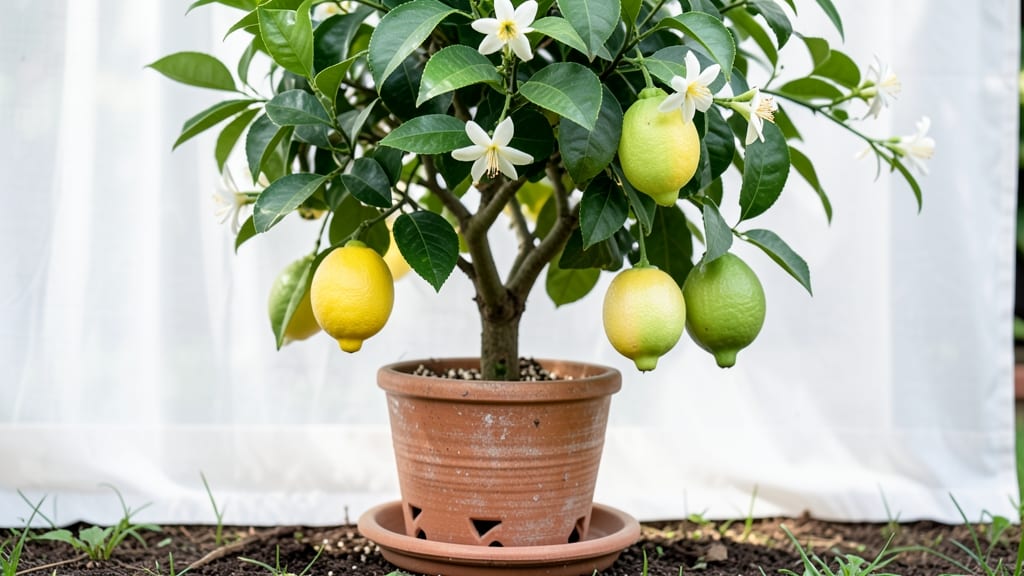
Growing a lemon tree inside isn’t just possible—it’s the secret to fresh, homegrown lemons year-round, even in a tiny apartment. 🌱 I’ve watched my Meyer lemon tree produce fruit indoors for three winters in a row, and the key isn’t some fancy setup but matching its needs to what it craves: bright light, warmth, and just enough pampering to keep it happy.
The right variety makes all the difference—Meyer lemons are the easiest for beginners, producing sweet, fragrant fruit even indoors. You’ll need a 10-15 gallon pot with drainage holes, a well-draining potting mix, and a sunny spot near a south-facing window (or a grow light if natural light is weak).
Most people overwater, so let the top inch of soil dry out between waterings, and keep humidity up with a pebble tray or occasional misting.
By summer, you’ll see tiny blossoms appear, and with patience, those will turn into lemons—small but packed with flavor. The tree stays compact enough for a kitchen counter but thrives when you prune it back after fruiting.
Even in winter, it keeps blooming if you keep the air warm and the light strong.
Here’s the best part: no green thumb required. With these basics, your lemon tree will reward you with fruit every season, and the zesty scent alone makes it worth the effort. Let’s get yours growing!
📚 In This Guide
- What you need
- Instructions
- Tips and common mistakes
- Wrapping up and next steps
What you need
- ● Lemon tree: A healthy Citrus limon sapling (dwarf varieties like 'Meyer' or 'Eureka' work best for indoor growing). Tip: Look for a 1- to 3-year-old tree with firm leaves and no signs of pests.
- ● Pot: A container with drainage holes (12–18 inches in diameter for mature trees; 6–8 inches for seedlings). Pro tip: Terracotta or ceramic pots help regulate moisture.
- ● Potting soil: A well-draining mix like citrus-specific soil or a blend of 60% potting soil + 30% perlite + 10% sand.
- ● Drainage tray: To catch excess water and prevent root rot.
- ● Fertilizer: A balanced citrus fertilizer (e.g., 6-6-6 or 10-10-10 NPK) or organic options like fish emulsion.
- ● Watering can: With a narrow spout for precise watering.
- ● Pruning shears: Sharp, sterilized shears for trimming dead or overgrown branches.
- ● Grow lights: Full-spectrum LED lights (12–16 hours/day) if natural light is limited.
- ● Humidity tray: A pebble tray with water to boost humidity (lemon trees love it!).
- ● Citrus food: Monthly supplements like Epsom salt (1 tsp per gallon of water) for magnesium.
- ● Support stake: For young trees to prevent toppling as they grow.
- ● Misting bottle: To lightly spray leaves and mimic outdoor dew.
Step-by-step instructions for growing a lemon tree indoors
Here’s how to nurture a thriving citrus tree inside—no greenhouse needed.
🌱 Step 1: Choose the Right Variety and Pot
Start with a dwarf Meyer lemon tree, which stays compact and thrives indoors. These varieties are bred for small spaces and produce fruit reliably. Pick a pot with drainage holes—12-14 inches wide is ideal for your first year—since lemon trees hate soggy roots.
Fill the pot with a mix of 50% cactus/succulent soil and 50% perlite to mimic their Mediterranean roots’ need for fast-draining soil. Avoid garden soil—it compacts and suffocates roots. Tap the pot gently after filling to settle the mix without compacting it too tightly.
☀️ Step 2: Position for Maximum Light
Lemon trees crave 6-8 hours of direct sunlight daily. Place your tree near a south-facing window or under a grow light on a 14-hour timer. If leaves start yellowing or stretching toward the light, your tree isn’t getting enough. Rotate the pot a quarter turn weekly so the tree grows evenly.
In winter, supplement with a full-spectrum LED grow light kept 6-12 inches above the tree. You’ll notice new growth within weeks—this is your sign the light is working. Avoid cold drafts; temperatures below 55°F stunt growth.
💧 Step 3: Water and Feed Consistently
Water when the top 2 inches of soil feel dry—stick your finger in to check. Overwatering is the #1 killer of indoor citrus. Let excess water drain completely before adding more. In summer, you might water every 5-7 days; in winter, every 10-14 days.
Feed with a balanced citrus fertilizer diluted to half strength every 4-6 weeks during spring and summer. You’ll see glossy new leaves and buds forming—this means the tree is happy. Flush the soil with water monthly to prevent salt buildup from fertilizer.
✂️ Step 4: Prune for Shape and Health
Prune in late winter or early spring to remove dead or crossing branches. Use clean, sharp pruners to cut just above a leaf node. This encourages bushier growth and better airflow. Never prune more than 25% of the tree at once—lemon trees are sensitive to heavy pruning.
Pinch off flower buds the first year to focus energy on growth. After the tree establishes (usually 2-3 years), let it flower and fruit. If branches grow too long, trim to 12-18 inches to keep the tree manageable. You’ll see fresh, vibrant growth within weeks of pruning.
Tips & tricks for perfect indoor lemon tree growth
Here's what nobody tells you about keeping your citrus thriving indoors—these are the details that make all the difference.
Lighting Strategy: That 6-8 hours of daily sunlight is non-negotiable, but I've found the trick is positioning your tree where it gets morning sun and afternoon shade if your windows face west. Morning light is gentler and prevents leaf scorch. In winter, when natural light fades, keep your grow light on that 14-hour timer—consistency matters more than intensity. I've seen trees struggle when people turn lights off "when it gets dark" instead of sticking to the schedule.
Soil Settlement Secret: After filling your 12-14 inch pot with that 50/50 soil mix, give it a firm tap on your countertop to settle the soil without compacting it. Then, let it sit for 24 hours before planting. This prevents the soil from settling too much after you've planted, which can leave roots exposed. I learned this the hard way after seeing roots poking out of the soil surface within weeks.
Watering Wisdom: The 2-inch dry soil test is perfect, but I've found an even better method: stick your finger in the soil up to your second knuckle. If it feels dry at that depth, it's time to water. This deeper check prevents underwatering while still catching overwatering early. And here's a pro move: always water at the base of the tree rather than from above—this keeps the delicate leaves dry and reduces fungal risks.
Fertilizer Timing: That 4-6 week feeding schedule during spring and summer works, but I've noticed the best results come from fertilizing right after watering. The damp soil helps the nutrients absorb more efficiently. And here's something that'll save you headaches: always flush the soil with plain water after fertilizing—this prevents salt buildup that can actually burn your tree's roots over time.
Pro Tips for Growing A Lemon Tree Inside
- Here's what nobody tells you about keeping your citrus thriving indoors—these are the details that make all the difference.
- Lighting Strategy: That 6-8 hours of daily sunlight is non-negotiable, but I've found the trick is positioning your tree where it gets morning sun and afternoon shade if your windows face west.
- Soil Settlement Secret: After filling your 12-14 inch pot with that 50/50 soil mix, give it a firm tap on your countertop to settle the soil without compacting it.
Frequently asked questions
Got questions about growing a lemon tree indoors? You're not alone! Here are some of the most common concerns—and their solutions—to help you cultivate a thriving citrus tree year-round.
How much sunlight does an indoor lemon tree really need?
A lemon tree thrives on 6–8 hours of bright, indirect sunlight daily. South- or west-facing windows are ideal, but supplement with a grow light (12–14 hours/day) if natural light is limited. Avoid harsh direct sun, which can scorch leaves. Rotate the pot occasionally for even growth!
How long does it take for an indoor lemon tree to bear fruit?
Patience is key! Dwarf varieties (like Meyer lemon) may produce fruit in 3–5 years with proper care, while standard trees can take 5–10 years. Ensure the tree gets enough light, water, and nutrients—consistency is critical. Bonus: Hand-pollinate flowers with a small brush to boost fruit set!
Why are my lemon tree’s leaves turning yellow?
Yellowing leaves usually signal overwatering or nutrient deficiency. Check the soil: it should be slightly dry on top before watering. Also, flush the soil with water monthly to remove salt buildup from tap water. Yellow edges? It might be low humidity—mist leaves or use a pebble tray to help!
Can I grow a lemon tree from a grocery store lemon?
Yes! Sprout a lemon tree from a seed, but know it may not produce true lemons—Meyer lemons are the most reliable for indoor growing. Save a seed, dry it for 2–3 days, then plant it ½-inch deep in moist soil. Germination takes 2–4 weeks. For faster results, buy a grafted dwarf tree from a nursery.
What’s the best temperature for an indoor lemon tree?
Lemon trees love 65–80°F (18–27°C) during the day and 55–60°F (13–16°C) at night. Avoid drafts (like AC vents) or sudden temperature swings, which stress the tree. In winter, keep it away from cold windows. No frost tolerance! If leaves drop, it’s likely too cold.
Do indoor lemon trees need pruning?
Prune in early spring to shape the tree, remove dead branches, and encourage airflow. Use sterilized scissors to trim just above a leaf node. Avoid heavy pruning—focus on light shaping to maintain the tree’s natural form. Pro tip: Prune after fruiting to redirect energy to new growth!
Wrapping up and next steps
Growing a lemon tree indoors isn’t just a dream—it’s a delicious, rewarding reality you can achieve with patience and care! 🌱 Whether you’re drawn to the fragrant blooms, tangy lemons, or the joy of nurturing life in small spaces, your citrus companion will thrive with the right light, love, and a dash of creativity.
Now that you’re armed with tips and answers, take the next step: pick your favorite lemon variety, gather your supplies, and let your green thumb shine! 🌟
Ready to turn your windowsill into a sun-drenched citrus paradise? Start planting today!