
Trees
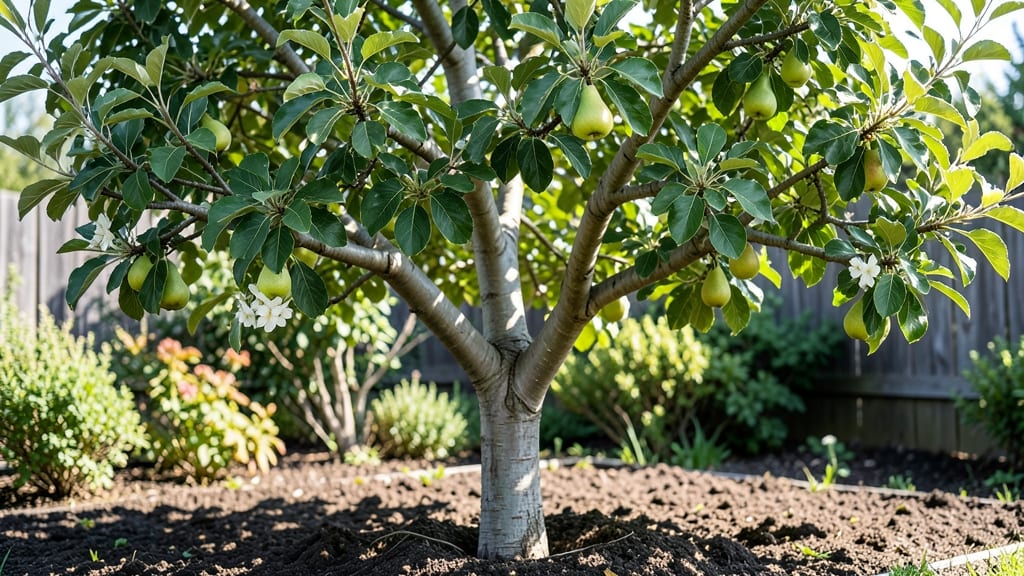
Bartlett pear tree leaves turning yellow or spotted? That’s your tree’s way of saying, "Let’s fix this together." 🌿 The secret to lush, healthy foliage isn’t just about treating symptoms—it’s about pruning at the right time, removing diseased branches early, and giving your tree the care it craves year-round.
Start by inspecting leaves for signs of fire blight (blackened edges), bacterial spot (tiny brown spots), or pest damage (curled, sticky leaves).
A sharp pair of pruners and a 3% hydrogen peroxide spray are your first line of defense—cut out infected branches 6 inches below the damage to stop the spread. I’ve saved multiple trees just by acting fast.
📚 In This Guide
- What you need
- Instructions
- Tips and common mistakes
- Wrapping up and next steps
What you need
- ● Pruning shears: Sharp, bypass-style shears (for clean cuts on branches up to ½ inch thick). Quantity: 1 pair.
- ● Loppers: Long-handled, bypass or anvil type (for thicker branches, ½ to 1½ inches in diameter). Quantity: 1 pair.
- ● Pruning saw: Curved-tooth saw (for branches thicker than 1½ inches). Quantity: 1.
- ● Disinfectant: 70% isopropyl alcohol or diluted bleach solution (1 part bleach to 9 parts water) (to sterilize tools and prevent disease spread). Quantity: Small bottle or spray bottle.
- ● Gloves: Heavy-duty, cut-resistant gloves (to protect hands from thorns and rough bark). Quantity: 1 pair.
- ○ Tree wound dressing (optional but recommended): Pruning sealant or beeswax (to protect larger cuts from pests and disease). Quantity: Small jar.
- ● Ladder or step stool: Sturdy, extendable ladder (if tree exceeds 6 feet in height). Quantity: 1.
- ● Bucket or tarp: Large bucket or heavy-duty tarp (to collect pruned leaves/branches for composting or disposal). Quantity: 1.
- ● Permanent marker: Waterproof, fine-tip marker (to label pruned branches for future reference). Quantity: 1.
- ● Notebook & pen: Small notebook or digital notes app (to record pruning dates, cuts made, and tree observations). Quantity: 1.
- ● Handheld leaf blower: For clearing debris from the tree and work area post-pruning.
- ● Tree growth regulator: Organic or synthetic (to encourage healthier regrowth if needed).
- ● Camera: To document the tree’s condition before and after pruning.
- ● Bird netting: If pruning during bird nesting season (to protect local wildlife).
How to maintain healthy Bartlett pear tree leaves through pruning
Your Bartlett pear's leaves are the lifeline of fruit production—keep them thriving with this seasonal pruning approach.
🌿 Step 1: Assess and Prune in Late Winter (Before Bud Break)
Start in late February or early March when the tree is still dormant but before buds swell. This is the best time to remove dead, diseased, or crossing branches—they compete for energy and invite pests. Look for branches with no leaves, brown bark, or signs of fungal spots. I always make my first cut at a 45-degree angle just outside the branch collar to prevent water pooling.
Use sharp, clean pruning shears to avoid tearing bark. If a branch is thicker than your wrist, use a pruning saw instead. Remove no more than 25% of the tree's canopy in one season—this prevents stress. You'll know you've done well when you can see light filtering through to the inner branches, encouraging new leaf growth.
☀️ Step 2: Thin Out Overlapping Branches in Early Spring
Once new leaves begin to unfurl (around April), focus on thinning the canopy to improve air circulation. Remove branches that rub against each other—they create wounds that attract borers and fungi. I target branches growing inward or downward, as they block sunlight from reaching the center of the tree. These shaded leaves produce less fruit and are more prone to fungal diseases like pear scab.
For each branch you remove, look for water sprouts (fast-growing vertical shoots) and prune them back to a lateral bud. These sprouts steal energy from fruit production. After pruning, wipe your shears with rubbing alcohol between cuts to prevent spreading any pathogens hiding in the tree's bark.
✂️ Step 3: Light Summer Pruning After Harvest
After the July-August harvest, give your Bartlett pear a second look. Remove any suckers (shoots growing from the base or roots) and shoots growing from the trunk—they drain energy from the tree. Also, trim back any branches that grew too vigorously this season, cutting them back to a strong lateral branch or bud. This encourages a balanced shape and prevents the tree from becoming top-heavy.
Watch for leaf curl or yellowing—these are signs of stress or disease. If you see them, prune those branches immediately and dispose of them in the trash (not your compost). A healthy Bartlett pear should have glossy green leaves with minimal signs of damage by late summer. This is when the tree starts storing energy for next year's fruit.
🌱 Step 4: Final Pruning and Leaf Health Check in Fall
In October or November, do a final round of pruning to remove any dead wood or branches that didn't get addressed earlier. This is also the time to thin out the canopy slightly if it looks too dense. A good rule of thumb is to leave 6-8 main branches on a mature Bartlett pear, spaced evenly around the trunk. This ensures sunlight reaches all leaves, promoting even growth.
Before the first frost, give the tree a deep watering to help it prepare for winter. Check the leaves one last time—if they're yellowing prematurely, the tree may need iron or zinc supplements (apply in early spring). A healthy Bartlett pear should have vibrant green leaves even in late fall, signaling it's well-prepared for dormancy.
Tips & tricks for perfect Bartlett pear tree leaf care
These seasonal secrets will help you keep your Bartlett pear thriving year after year without the guesswork.
Seasonal Timing: The late February to early March window for Step 1 is crucial because it's when the tree is fully dormant but still has energy reserves to recover from pruning. If you wait until buds swell, you risk removing flower buds that would produce next year's fruit. I've seen trees lose entire seasons of harvest because pruning was done too late—don't make that mistake!
Branch Angle Matters: When making cuts in Step 1, the 45-degree angle just outside the branch collar isn't just a suggestion—it's essential for proper healing. This angle prevents water from pooling at the cut site, which can lead to rot or fungal infections. Think of it like making a proper haircut: the angle directs growth and healing in the right direction.
Canopy Light Test: After completing Step 1, do this quick check: stand under the tree and look up. You should see light filtering through the branches to the inner canopy. If you can't see light, you've left too many branches. Aim for that "dappled sunlight" effect—it's how you know you've achieved the right balance between removing enough branches and keeping the tree structurally sound.
Disease Prevention: The rubbing alcohol wipe between cuts in Step 2 isn't just about cleanliness—it's your first line of defense against spreading diseases like fire blight. I keep a small bottle of 70% isopropyl alcohol in my pruning toolkit specifically for this purpose. It's a small habit that makes a huge difference in keeping your tree healthy for years to come.
Pro Tips for Bartlett Pear Tree Leaves
- These seasonal secrets will help you keep your Bartlett pear thriving year after year without the guesswork.
- Seasonal Timing: The late February to early March window for Step 1 is crucial because it's when the tree is fully dormant but still has energy reserves to recover from pruning.
- Branch Angle Matters: When making cuts in Step 1, the 45-degree angle just outside the branch collar isn't just a suggestion—it's essential for proper healing.
Frequently asked questions
Got questions about Bartlett pear tree leaves? You’re not alone! Here’s a quick guide to the most common curiosities—from pruning tips to leafy surprises.
When is the best time to prune a Bartlett pear tree for healthy leaves?
Prune your Bartlett pear tree in late winter or early spring (before bud break) to encourage vigorous new growth and leaf production. Avoid heavy pruning in fall, as it can stimulate tender shoots vulnerable to frost damage. Light shaping in summer is fine, but focus on removing dead or diseased branches.
Why are my Bartlett pear tree leaves turning yellow or brown?
Yellowing or browning leaves often signal nutrient deficiencies (like iron or zinc), pests (e.g., pear psylla or aphids), or disease (fire blight or fungal issues). Check the undersides of leaves for pests, and test soil pH—Bartlett pears thrive in slightly acidic soil (pH 6.0–6.5). Apply balanced fertilizer if needed.
How long does it take for new leaves to grow after pruning?
New leaves typically emerge 4–6 weeks after pruning, depending on weather and tree health. Warm, sunny conditions speed up regrowth. If leaves are slow to appear, ensure the tree has adequate water (1–1.5 inches per week) and isn’t stressed by drought or compacted soil.
Can I use Bartlett pear tree leaves for tea or cooking?
While Bartlett pear leaves are not toxic, they’re bitter and astringent—not ideal for culinary use. However, they’re rich in antioxidants! Brew fresh leaves into a light tea (steep 1–2 minutes) for a mild, earthy flavor. Avoid overconsumption, as they contain cyanogenic glycosides in small amounts.
What’s a good alternative if I don’t have a Bartlett pear tree?
If you’re craving pear-flavored leaves, try Asian pear trees (Pyrus pyrifolia) or ornamental pear varieties like ‘Bradford.’ For edible alternatives, consider mulberry or fig leaves, which are milder and safer for cooking. Always confirm leaf safety before use!
Are Bartlett pear tree leaves safe for pets or livestock?
While Bartlett pear leaves aren’t highly toxic, they can cause mild stomach upset if ingested in large quantities. Monitor pets for drooling, vomiting, or lethargy. Livestock like goats or rabbits may nibble them, but avoid feeding them as a primary food source. When in doubt, consult a vet.
Wrapping up and next steps
Cultivating a Bartlett pear tree isn’t just about harvesting sweet fruit—it’s a year-round commitment to nurturing a thriving, healthful tree. By mastering strategic pruning and understanding the role of its leaves, you unlock a treasure trove of benefits: from pest control to natural mulch.
Whether you’re a seasoned gardener or just starting, every snip and observation brings you closer to a sustainable, vibrant garden.
Ready to take the next step? Start small—prune a single branch today, monitor its growth, and build your confidence. Before you know it, your Bartlett pear tree will be a year-round ally in your garden’s health and beauty! 🌿✨