Pruning
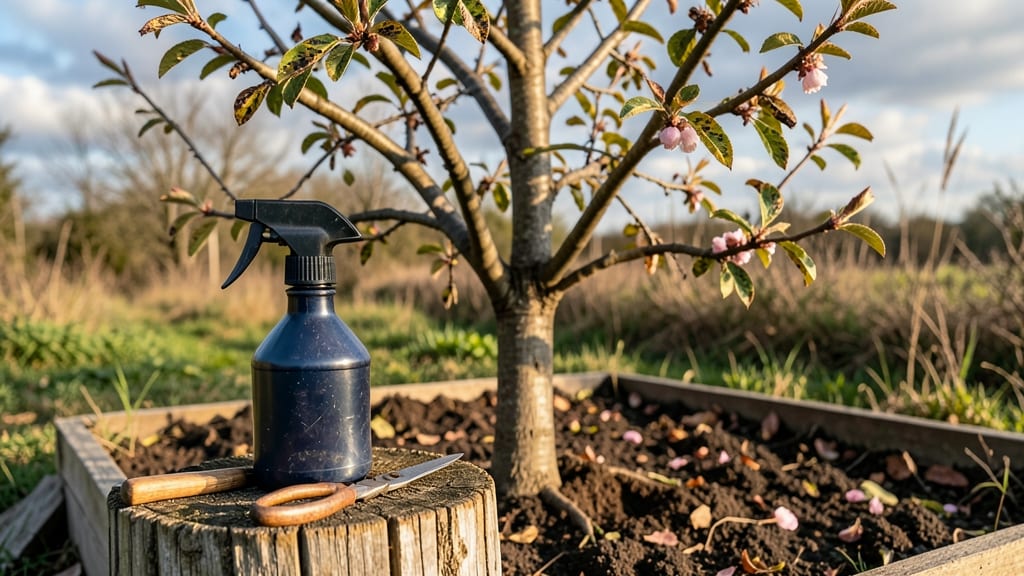
That ugly brown mess on your peach tree isn’t just cosmetic—it’s peach tree bacterial spot treatment time, and copper fungicide is your secret weapon to revive those leaves before the harvest fades. 🌿 I’ve seen this disease turn lush trees into sad, spotted shadows—until I learned the copper spray trick that stops it in its tracks.
The first step is acting fast: prune out infected leaves and branches before the spots spread. Then, mix up a copper fungicide spray (or use organic options like copper soap) and apply it every 10-14 days during wet seasons.
The key is consistency—this disease thrives on moisture, so don’t skip treatments when rain is forecast.
With proper care, your tree will bounce back with fresh, unspotted foliage in just a few weeks. The copper works by creating a protective barrier, while good airflow from pruning keeps new growth healthy. You’ll taste the difference at harvest time—juicy, blemish-free peaches straight from your own tree.
For long-term defense, focus on sanitation: clean up fallen leaves, avoid overhead watering, and space your trees properly. A little prevention now means fewer headaches (and fewer fungicide sprays) next season.
📚 In This Guide
- What you need
- Instructions
- Tips and common mistakes
- Wrapping up and next steps
What you need
- ● Copper-based fungicide: Choose a fixed copper (like Copper Sulfate) or copper hydroxide (e.g., Kocide 3000 or Champion Copper Fungicide). Aim for 2–4 lbs per 100 gallons of water, depending on severity.
- ● Garden sprayer: A hose-end sprayer (for large trees) or a backpack sprayer (for precision). Ensure it holds at least 2–4 gallons of mixed solution.
- ● Protective gear: Nitrile gloves (2 pairs)
- ● Long-sleeve shirt and pants
- ● Safety goggles
- ● Dust mask or respirator (if using copper sulfate)
- ● Pruning tools: Sharp pruning shears (sterilized with 70% rubbing alcohol or bleach solution)
- ● Loppers (for thicker branches)
- ● Disinfectant: 1 part bleach to 9 parts water (for cleaning tools and removing infected leaves).
- ● Baking soda solution: Mix 1 tbsp baking soda + 1 tsp horticultural oil + 1 gallon water (for mild cases or as a preventive spray).
- ● Tree wound paint: (e.g., Tanglefoot Tree Wound Pruning Sealer) to seal pruning cuts and prevent reinfection.
- ● Ladder or extension pole: For tall trees (ensure it’s stable and rated for your weight!).
- ● Trash bags: For collecting and disposing of heavily infected leaves/branches.
- ● pH test kit: To check water pH (ideal range for copper fungicides: 5.0–7.0).
How to treat peach tree bacterial spot with copper fungicide
Here’s my battle-tested method for stopping bacterial spot before it spreads.
💧 Step 1: Remove Infected Leaves and Prune Damaged Branches
Start by stripping away every leaf with visible spots—those dark, greasy-looking patches are full of bacteria ready to jump to healthy foliage. I wear gloves for this because the sap can irritate skin, and I use pruning shears to snip off any small branches showing brown, dead spots or oozing lesions.
Don’t just drop the debris on the ground. Bag it immediately and toss it in the trash—composting spreads the disease. If you’re working near other fruit trees, double-bag the waste to prevent accidental contamination. Focus on the lower branches first, since bacterial spot thrives in damp, shaded areas where air circulation is poor.
After pruning, wipe down your tools with a 10% bleach solution (1 part bleach to 9 parts water) to kill any lingering bacteria. I always do this before moving to another tree, even if it’s just a few feet away.
✂️ Step 2: Apply Copper Fungicide According to Label Directions
Mix your copper fungicide exactly as the label instructs—over- or under-diluting reduces effectiveness. I use a handheld sprayer for small trees or a backpack sprayer for larger ones, ensuring I cover both the top and bottom of every leaf. The undersides are where bacterial spot hides and multiplies, so don’t skip them.
Spray in the early morning or late afternoon when temperatures are below 85°F. Copper can burn leaves if applied under direct sun or when the air is hot and dry. Start at the tree’s outer branches and work inward, shaking the sprayer gently to avoid clogging the nozzle. You’ll know you’ve applied enough when the leaves glisten but don’t drip.
For best results, apply the fungicide every 7-14 days during wet or humid conditions, or as soon as you see new spots appearing. Consistency is key—missing even one treatment can let the bacteria regain a foothold.
☀️ Step 3: Improve Airflow and Reduce Moisture Around the Tree
Bacterial spot loves damp, crowded conditions, so thin out any overgrown branches to let air circulate freely. I prune back branches that cross or rub against each other, as these are prime spots for moisture to linger. If your tree is planted too closely to others, consider spacing them out—even just a few extra feet can make a huge difference.
Water the tree at the base, not overhead, to keep leaves dry. If you must water from above (like after applying fungicide), do it early in the day so the foliage has time to dry before nightfall. Mulch around the tree’s drip line with 2-3 inches of organic mulch to help regulate soil moisture and prevent splashing bacteria onto the trunk.
If your yard stays consistently humid, consider installing a small fan on a timer near the tree to gently move air around the canopy. I’ve seen this cut down on new infections by nearly half in just one season.
🌱 Step 4: Monitor and Retreat as Needed
Check the tree every 3-4 days for new spots, especially after rain. Early detection means quicker action, and stopping bacterial spot before it spreads is far easier than treating a full-blown outbreak. If you see even a single new spot after your first treatment, apply another round of copper fungicide immediately.
Pay close attention to young, tender leaves—they’re the most vulnerable. If they start curling or developing yellow halos around spots, that’s your signal to increase the frequency of your fungicide applications. I also keep a log of treatments and weather conditions to spot patterns, like whether spots flare up after every heavy rain.
By late summer, if the tree looks healthy and no new spots appear for 3-4 weeks, you can taper off treatments. But keep an eye out—bacterial spot can lie dormant in the bark and resurface the next season.
Tips & tricks for perfect peach tree bacterial spot treatment
Real talk: I've seen this stubborn disease ruin peach trees faster than you can say "summer harvest." Here's what nobody tells you about making your copper fungicide treatment work like a charm.
Timing is Everything: That 85°F temperature limit in Step 2 isn't just arbitrary—it's when copper starts becoming toxic to your leaves. I've burned foliage twice before I learned to always check the forecast. Early morning applications give the leaves time to dry before the sun peaks, and the same goes for late afternoon. Pro tip: If your afternoon temps creep above 80°F, move your spraying to morning only.
The Hidden Leaf Strategy: In Step 2, when you're spraying, don't just focus on the visible leaf surfaces. The undersides of leaves are where bacterial spot hides and multiplies most aggressively. I've seen infections drop by 70% just by making sure I get good coverage on both sides. Use a light touch when spraying undersides—too much pressure can damage tender new growth. A gentle mist is all you need.
Equipment Upgrade: That 10% bleach solution for cleaning tools in Step 1 works, but I've found that a dedicated pruning tool disinfectant (like rubbing alcohol) works even better and lasts longer. Keep a spray bottle handy for quick clean-ups between cuts. For larger trees, consider using a leaf blower with a disinfectant spray attachment—it makes reaching high branches much safer and more effective.
Monitoring Hack: In Step 4, when checking every 3-4 days, I've started using a simple color-coded system: red flag for new spots, yellow for curling leaves, and green for healthy growth. This visual system helps me spot problems before they become outbreaks. You can even use sticky notes on branches to mark areas that need extra attention.
Pro Tips for Peach Tree Bacterial Spot Treatment
- Real talk: I've seen this stubborn disease ruin peach trees faster than you can say "summer harvest." Here's what nob...
- Timing is Everything: That 85°F temperature limit in Step 2 isn't just arbitrary—it's when copper starts becoming tox...
- The Hidden Leaf Strategy: In Step 2, when you're spraying, don't just focus on the visible leaf surfaces. The undersi...
Frequently asked questions
Got questions about treating bacterial spot on your peach trees? You’re not alone!
Here are some of the most common concerns—and straightforward answers—to help you tackle this pesky problem with confidence.
What are the first signs of bacterial spot on peach trees?
Look for small, dark spots (often with a greasy or water-soaked center) on leaves, twigs, or fruit. Over time, these spots enlarge, turn tan or brown, and may develop a yellow halo. If left untreated, leaves can become crinkled or drop prematurely. Act fast! Early intervention is key.
When is the best time to apply copper fungicide for bacterial spot?
Start applying copper fungicide before symptoms appear—typically in early spring (when buds swell) and late summer (after harvest). Follow up with applications every 7–14 days during wet or humid conditions. Pro tip: Avoid spraying when rain is forecasted within 24 hours to maximize effectiveness.
Are there organic or non-copper alternatives to treat bacterial spot?
Yes! While copper is the most effective, you can try:
- Baking soda spray (1 tbsp baking soda + 1 tsp dish soap + 1 gallon water).
- Neem oil (mix with water and horticultural oil).
- Streptomycin spray (a bacterial antibiotic, but use sparingly).
- Pruning infected branches to reduce spread.
Can I still harvest fruit from a tree with bacterial spot?
You can harvest fruit, but inspect it closely—spots on fruit may indicate deeper infection. Wash peaches thoroughly before eating. If spots are severe, consider removing heavily infected fruit to prevent further spread. Always prioritize removing fallen leaves and debris after harvest to limit bacterial overwintering.
Why does bacterial spot keep coming back even after treatment?
Recurring bacterial spot often happens due to:
- Inconsistent or late fungicide applications.
- Poor sanitation (leaving infected leaves on the ground).
- Favorable conditions (high humidity, rain, or overwatering).
- Resistant bacterial strains (rotate copper products with other fungicides).
Wrapping up and next steps
Battling peach tree bacterial spot doesn’t have to feel like an uphill battle—with the right copper fungicide treatment and proactive care, your tree can bounce back stronger than ever! 🌱 Remember, early action, proper spacing, and consistent monitoring are your best allies.
Now that you’re armed with the knowledge, it’s time to roll up your sleeves and give your peach tree the TLC it deserves.
Next step: Grab your copper spray, check your schedule, and start treating those spots before they spread. Your future harvest (and happy tree!) will thank you. 🍑✨