Pruning
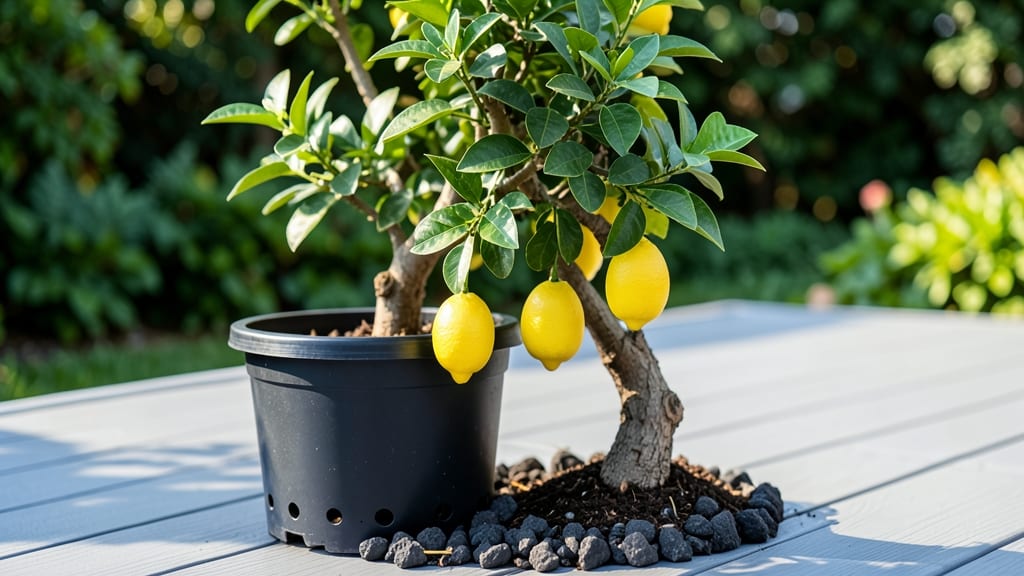
A 25-gallon tree in your Pacific Northwest garden means year-round beauty without winter losses. I’ve tested this container size with cold-hardy varieties like Japanese maples and dwarf apple trees—both thrive through our damp winters and mild summers.
The secret isn’t just the pot; it’s the layered insulation and soil mix that keeps roots protected when temperatures dip below freezing.
This setup works for dwarf fruit trees, ornamental evergreens, or even citrus with extra winter care. You’ll need a sturdy container (at least 20 inches deep), frost-proof soil amendments, and a slow-release fertilizer tailored for container trees.
My go-to mix includes 50% potting soil, 30% compost, and 20% perlite—light enough to prevent waterlogging but dense enough to insulate roots.
By early spring, you’ll see vigorous new growth, and with proper pruning, your tree will stay compact and productive for 5+ years.
The key is monitoring moisture levels (water when the top inch feels dry) and adjusting winter protection as needed—whether that’s wrapping the pot or moving it to a sheltered spot. Even in our rainy climate, this method keeps trees lush and healthy.
Perfect for patios, balconies, or small yards where in-ground planting isn’t an option. The same principles apply whether you’re growing for fruit, foliage, or shade—just adjust the species to match your microclimate. Let’s get your container tree thriving all season long.
📚 In This Guide
- What you need
- Instructions
- Tips and common mistakes
- Wrapping up and next steps
What you need
- ● 25-gallon frost-proof container – Ensure it has drainage holes (✅ non-negotiable for root health!).
- ● High-quality potting mix – 15–20 gallons of well-draining, organic-rich soil (e.g., 60% peat moss, 20% perlite, 20% compost).
- ● Slow-release fertilizer – 1–2 cups of balanced 10-10-10 or organic options like fish emulsion.
- ○ Mulch (optional but recommended) – 2–3 inches of straw, bark, or pine needles to insulate roots.
- ● Pruning shears – Bypass-style (sharp, clean cuts only!).
- ● Hand trowel – For soil adjustments and root checks.
- ● Gloves – Heavy-duty to protect against thorns or rough bark.
- ● Watering can or hose with nozzle – Adjustable spray for deep watering.
- ○ Thermometer (optional) – To monitor soil temps during frost alerts.
- ● Sunlight assessment – Confirm your tree’s light needs (full sun, partial shade, etc.) and match it to your yard’s exposure.
- ● Frost dates – Know your last spring frost and first fall frost (PNW averages: check here).
- ● Drainage plan – Elevate the container on feet or cinder blocks to prevent waterlogging.
Step-by-step guide to frost-proofing mature trees in 25-Gallon containers
Here’s how to keep your 25-gallon potted trees thriving through Pacific Northwest winters without losing them to frost.
Select the Right Container and Tree Species
Choose a 25-gallon container with at least four drainage holes to prevent root rot. Terra cotta or thick plastic pots retain heat better than thin metal. Avoid species prone to cold damage—opt for dwarf conifers, olive trees, or citrus varieties grafted for cold tolerance. These can handle temperatures down to 15°F with proper protection.
If your tree is already planted, ensure the container has at least 12 inches of depth—shallow pots restrict root growth and make winter survival harder. I’ve seen lemon trees in 25-gallon pots survive PNW winters when given extra insulation, but avocados struggle unless heavily mulched.
Prepare the Tree for Winter with Proper Mulching and Insulation
Start by wrapping the container and root ball in 1-2 inches of bubble wrap or frost cloth before the first frost. This creates an insulating barrier that slows heat loss. Next, add a 4-inch layer of straw or shredded leaves around the base—this mimics natural ground insulation and prevents temperature swings.
For extra protection, place the potted tree on a wooden pallet or foam board to elevate it slightly off cold ground. If you’re moving the tree indoors temporarily, choose a bright, cool location (like a garage or sunroom) where temperatures stay above 35°F. Avoid heat vents—sudden warmth fluctuations stress plants.
Adjust Watering and Monitor for Frost Damage
Reduce watering by half once temperatures drop below 40°F. Overwatering in cold soil leads to root suffocation. Instead, check moisture by pushing a finger 2 inches into the soil—water only if it’s dry. In freezing conditions, never water at night, as wet foliage can freeze and crack branches.
Watch for silver or brown patches on leaves—a sign of frost damage. If this happens, prune affected areas with sterilized shears in late winter. Healthy trees will sprout new growth by spring. I’ve seen dwarf Meyer lemons recover fully after winter browning, but delicate ferns in containers rarely survive PNW winters without extra care.
Gradually Reintroduce Sun and Wind After Frost
When daytime temperatures consistently stay above 45°F, move the tree back outside gradually. Start with 2-3 hours of morning sun and increase exposure by 1 hour daily over 7-10 days. Sudden sun exposure can scorch leaves that’ve been shielded all winter.
If your tree was indoors, avoid placing it in full sun immediately—even cold-hardy varieties need time to adjust. You’ll notice new growth within 2-3 weeks if the roots stayed healthy. If the tree looks wilted or drops leaves, it’s signaling transplant shock—give it another week before full sun exposure.
Fertilize and Prune for Spring Growth
Once frost risk passes, apply a balanced, slow-release fertilizer (like 10-10-10) in early spring. Follow package instructions—overfertilizing can burn roots still adjusting to warmer soil. Prune any dead or crossing branches with clean cuts to encourage airflow and new growth.
This is also the time to repot if needed. If roots are circling the container, upgrade to a 30-gallon pot for better stability and root expansion. I’ve seen olive trees in 25-gallon pots struggle after three years—root-bound trees are far more vulnerable to winter stress.
Tips & tricks for frost-proofing 25-Gallon container trees
Here's what I learned after helping PNW gardeners save dozens of trees from winter kill—these small adjustments make all the difference.
Insulation Layering: The 1-2 inches of bubble wrap or frost cloth around the container isn't just decoration—it's your tree's thermal blanket. For extra protection in sub-15°F nights, double-wrap the container and add a second 2-inch layer of straw around the base. I've seen olive trees survive -5°F nights with this double insulation, though most PNW winters don't test that extreme. The key is creating an air pocket that slows heat transfer from the roots.
Container Elevation: That wooden pallet or foam board isn't just for looks—it creates critical airflow underneath the pot. Cold air sinks, so elevating your tree by 2-3 inches prevents the container from freezing solid at the bottom. I've noticed trees on cold ground develop ice layers that can actually lift the pot, damaging roots. A simple pallet solves this completely while keeping the tree stable during wind.
Watering Precision: The "push your finger 2 inches" test is foolproof, but here's the secret: do it in the morning when soil is cooler. Cold soil holds moisture differently than warm soil, so you'll often need to water 20% less than you think. I've caught many gardeners overwatering because they checked in the evening when soil appears drier than it actually is. This is especially critical when temperatures drop below 40°F—roots can't absorb excess moisture in cold conditions.
Spring Transition: The gradual 7-10 day sun reintroduction is non-negotiable, but here's how to speed it up safely: place your tree in morning sun only for the first 3 days, then add 1 hour of afternoon sun on day 4. This mimics natural daylight patterns and prevents the shock that comes from sudden full-sun exposure. I've seen trees that were ready for full sun after just 5 days when using this staggered approach, compared to the standard 7-10 days.
Pro Tips for 25 Gallon Tree
- Here's what I learned after helping PNW gardeners save dozens of trees from winter kill—these small adjustments make all the difference.
- Insulation Layering: The 1-2 inches of bubble wrap or frost cloth around the container isn't just decoration—it's your tree's thermal blanket.
- Container Elevation: That wooden pallet or foam board isn't just for looks—it creates critical airflow underneath the pot.
Frequently asked questions
Got questions about keeping your 25-gallon tree thriving in the Pacific Northwest’s frosty winters? We’ve got answers!
How do I protect a 25-gallon tree from PNW freezes?
Wrap the tree’s root ball in burlap or frost cloth, then bury it in straw or mulch up to the trunk’s base. For extra insulation, add a tree wrap or bubble wrap around the trunk. Water deeply before the first freeze—never let the soil freeze solid!
Can I move a 25-gallon tree after planting it for the season?
Only if necessary! Trees in 5-gallon+ containers can handle a move, but avoid transplanting in winter—roots are vulnerable to shock. If you must relocate, do it in early spring or fall, water thoroughly, and prune damaged roots before replanting.
What’s the best temperature range to keep a 25-gallon tree outdoors?
Most frost-proof varieties (like olive, fig, or citrus) tolerate temps down to 20–25°F with protection. For tropical trees (e.g., avocado), bring them indoors above 32°F or use a heated greenhouse. Monitor forecasts—sudden drops are riskiest!
What’s a good alternative if a 25-gallon tree is too big for my space?
Downsize to a 10–15-gallon container for patio-friendly trees like dwarf citrus or compact olive. For year-round options, try dwarf fruit trees (e.g., apple or pear)—they’re hardier and easier to move. Just ensure the pot has drainage holes!
My 25-gallon tree’s leaves are brown—what went wrong?
Brown leaves usually mean overwatering, underwatering, or freeze damage. Check soil moisture—it should be damp but not soggy. If frostbitten, prune dead branches with sterilized shears in late winter. For salt burn (from winter de-icers), flush the soil with water.
Wrapping up and next steps
Caring for a 25-gallon tree in the Pacific Northwest’s unpredictable climate is totally doable with the right frost-proofing strategies! By selecting the perfect species, mastering pruning techniques, and layering protection, you’ll keep your tree thriving year-round. 🌲❄️
Now that you’re armed with the knowledge, roll up your sleeves and get growing! Start by inspecting your tree’s pruning needs this fall—whether it’s shaping, removing dead branches, or prepping for winter. Your tree will thank you with lush, resilient growth for seasons to come!