Pruning
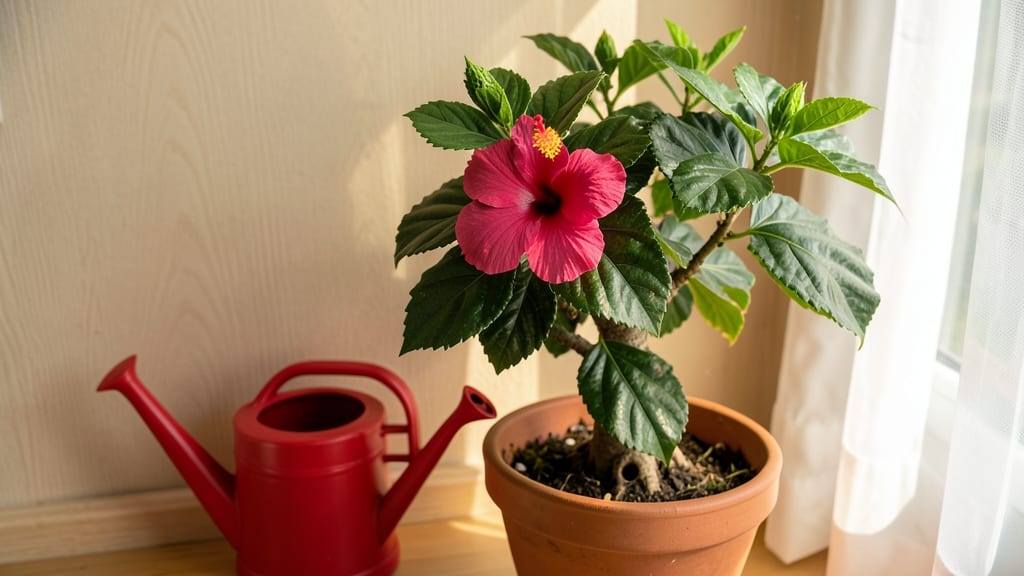
Growing a hibiscus tree indoors starts with the right light—bright, indirect sunlight is non-negotiable, and I’ve learned that even slight shade can turn your plant into a leafy green wall instead of a blooming showstopper.
My first indoor hibiscus spent months sending out leaves but no flowers until I moved it closer to the south-facing window, where it now bursts with vibrant blooms every spring.
The key isn’t just light, though—it’s the balance of water, humidity, and a little strategic pruning that keeps those glossy leaves and bold flowers coming year-round.
You’ll need a few simple tools to get started: a pot with drainage holes (terracotta works best), well-draining potting mix designed for tropical plants, and a spray bottle for humidity boosts.
My hibiscus thrives in 60-70% humidity, so I keep a tray of pebbles and water nearby—it mimics the tropical climate these plants crave.
Fertilizing every 4-6 weeks with a balanced liquid fertilizer during growing season (spring to fall) gives it the nutrients to reward you with those stunning blooms, while winter means cutting back to let it rest.
That first flush of flowers in late spring feels like a victory—deep reds, pinks, or whites that last for weeks if you deadhead spent blooms regularly.
The secret to keeping it blooming isn’t complicated: prune lightly after flowering to shape it and encourage new growth, and watch how it responds to your care.
Even if you’ve struggled before, this plant forgives mistakes—just adjust watering when the soil feels dry an inch down, and avoid letting it sit in soggy soil, which is how I lost my first two.
Whether you’re dealing with yellowing leaves (usually overwatering) or pests like spider mites (a sign of dry air), quick fixes keep your hibiscus happy.
Repot every 2-3 years to refresh the soil, and don’t be afraid to experiment with varieties—dwarf types like ‘Lil’ Kim’ fit small spaces, while larger ‘Disco Belle’ hybrids make a dramatic statement. The payoff? A plant that feels like a tropical escape, no matter how cold it gets outside.
📚 In This Guide
- What you need
- Instructions
- Tips and common mistakes
- Wrapping up and next steps
What you need
- ● Hibiscus plant – Choose a dwarf or patio hibiscus (Hibiscus rosa-sinensis) variety suitable for indoor growing (e.g., ‘Dwarf Red’, ‘Lilac’, or ‘Pink Giant’).
- ● Well-draining pot – A container with drainage holes (12–18 inches in diameter for mature plants). Terracotta or ceramic pots work best.
- ● High-quality potting mix – A blend of 50% peat moss or coco coir, 30% perlite or pumice, and 20% compost or worm castings for aeration and nutrients.
- ● Pruning shears – Sharp, bypass pruners (avoid anvil pruners to prevent crushing stems). Disinfect with rubbing alcohol between cuts.
- ○ Rooting hormone (optional) – A gel or powder to encourage faster growth when propagating cuttings.
- ● Support stake or trellis – A lightweight bamboo or metal stake (3–5 feet tall) to train tall varieties.
- ● Clean gloves – Protect your hands from sap and thorns (latex-free if you have allergies).
- ○ Pruning sealant (optional) – A tree wound dressing to prevent disease in larger cuts (e.g., for older branches).
- ● Spray bottle with water – To mist cuttings or new growth after pruning.
- ● Grow lights or sunny window – A south-facing window or LED grow light (12–16 hours/day) for optimal flowering.
- ● Slow-release fertilizer pellets (e.g., Osmocote) for steady nutrients.
- ● Humidity tray or pebble tray with water to boost moisture levels.
- ● Automatic self-watering system (e.g., a wicking pot) for consistent hydration.
- ● Decorative mulch or bark chips for a polished look (place on top of soil).
Step-by-step instructions for growing a thriving indoor hibiscus tree
Here's how to keep your hibiscus lush and blooming indoors with minimal fuss.
🌱 Step 1: Choose the Right Spot for Light and Airflow
Hibiscus trees need bright, indirect light for at least 6 hours daily. A south- or west-facing window is ideal, but avoid harsh afternoon sun that can scorch leaves. If natural light is weak, supplement with a grow light placed 12-18 inches away for 12-14 hours daily.
Place your hibiscus near an open window or door to ensure good airflow—this prevents fungal issues and encourages blooms. You’ll notice new leaves growing outward toward the light, signaling it’s in the right spot. If leaves yellow or drop, it’s getting too much direct sun or not enough light.
💧 Step 2: Water Deeply and Maintain Consistent Moisture
Water your hibiscus when the top 1-2 inches of soil feel dry to the touch. Stick your finger in the soil—if it’s damp just below the surface, wait another day. Overwatering is the #1 killer of indoor hibiscus, so always check before adding more water.
Use room-temperature water to avoid shocking the roots. Pour slowly until water drains freely from the bottom of the pot, then empty the saucer after 10-15 minutes to prevent root rot. Hibiscus trees thrive when soil stays evenly moist but never soggy—this balance is key to keeping them healthy.
☀️ Step 3: Prune for Shape and Encourage More Blooms
Prune your hibiscus after flowering season (late winter or early spring) to shape the tree and promote bushier growth. Use clean, sharp pruning shears to cut back 1/3 of the oldest stems to encourage new, vigorous branches. This also prevents the tree from becoming leggy.
Pinch back the tips of new growth in early summer to encourage fuller foliage. You’ll see fresh, bright green leaves emerging within 2-3 weeks—this is your sign that pruning worked. Avoid heavy pruning in fall or winter, as the plant needs energy to recover before spring blooming.
✂️ Step 4: Feed and Fertilize for Vibrant Blooms
Use a balanced, water-soluble fertilizer (like 10-10-10) every 4-6 weeks during the growing season (spring through fall). Dilute it to half-strength to avoid burning roots. Hibiscus love nutrients but can’t handle overfeeding—stick to the schedule, and you’ll see more blooms.
In late summer, switch to a low-nitrogen, high-phosphorus fertilizer (like 5-10-10) to boost flowering. You’ll notice buds forming along the stems within 3-4 weeks if the plant is healthy. Reduce fertilizing in winter when growth slows—just keep the soil lightly moist.
🪴 Step 5: Repot and Refresh Soil Every Few Years
Repot your hibiscus every 2-3 years or when roots circle the pot. Choose a container 2-3 inches wider than the current one, with drainage holes. Hibiscus trees grow fast, so they outgrow small pots quickly—watch for roots growing out of the drainage holes as a sign it’s time to upgrade.
Use well-draining potting mix designed for tropical plants. Refresh the top 2 inches of soil annually with fresh mix to replenish nutrients. After repotting, place the tree in a shady spot for 1-2 weeks to reduce stress—you’ll see new growth within 3-4 weeks as it adjusts.
Tips & tricks for perfect indoor hibiscus care
Keeping your hibiscus thriving indoors doesn't have to be complicated—just a few simple adjustments can make all the difference.
The Light Factor: If you notice your hibiscus stretching toward the window with long, sparse leaves, it's starving for light. Rotate the pot quarter-turn every week so all sides get even exposure. This prevents lopsided growth and ensures those 6 hours of bright indirect light reach every branch. In winter, when natural light dims, supplement with a grow light for 12-14 hours daily—just keep it 12-18 inches away to avoid scorching leaves.
Watering Wisdom: The top 1-2 inches dry rule works, but here's the secret: water deeply until it drains freely from the bottom. Then, after 10-15 minutes, empty that saucer—soggy roots are the silent killer of indoor hibiscus. I've learned the hard way that letting the plant sit in water overnight leads to root rot. Pro tip: Use a moisture meter for peace of mind—it takes the guesswork out of watering.
Pruning Payoff: When you're cutting back those 1/3 of oldest stems in late winter, don't just hack away randomly. Look for stems that are bare, weak, or growing inward—they're stealing energy from your blooms. Make clean cuts just above a leaf node or outward-facing bud. You'll see fresh growth within 2-3 weeks, and those new branches will be stronger and more likely to flower. This is when your hibiscus really transforms from a leggy mess to a bushy beauty.
Fertilizer Finesse: That 4-6 week schedule during growing season is non-negotiable, but here's what nobody tells you: hibiscus hate sudden nutrient changes. When you switch to the low-nitrogen, high-phosphorus formula in late summer, mix it with water first, then gradually increase the strength over 2-3 feedings. This prevents root burn while those buds form. And in winter? Just keep the soil lightly moist—your plant's resting, not partying.
Pro Tips for Hibiscus Tree Indoors
- Keeping your hibiscus thriving indoors doesn't have to be complicated—just a few simple adjustments can make all the difference.
- The Light Factor: If you notice your hibiscus stretching toward the window with long, sparse leaves, it's starving for light.
- Watering Wisdom: The top 1-2 inches dry rule works, but here's the secret: water deeply until it drains freely from the bottom.
Frequently asked questions
Got questions about keeping a hibiscus tree thriving indoors?
Here are answers to the most common ones—so you can enjoy lush blooms year-round without the guesswork!
Can a hibiscus tree survive indoors long-term?
A hibiscus tree can thrive indoors long-term with the right care—bright, indirect light (like a south or west-facing window), consistent moisture, and occasional pruning to encourage bushiness. However, they’re tropical plants, so they may need extra humidity (try a pebble tray or humidifier) and may bloom less than outdoor varieties. With patience and attention, many growers keep theirs happy for years!
How often should I water my indoor hibiscus tree?
Water your hibiscus when the top 1–2 inches of soil feel dry to the touch. Overwatering is a common killer—always ensure the pot has drainage holes to prevent root rot. In winter, when growth slows, water less frequently. Pro tip: Stick your finger in the soil; if it’s damp, wait a day or two!
Why isn’t my hibiscus blooming indoors?
Indoor hibiscus trees often skip blooming due to lack of light, stress, or improper care. Boost blooms by:
- Moving it to the brightest spot (even a grow light helps).
- Fertilizing with a balanced, bloom-boosting formula (like 20-20-20) every 4–6 weeks in spring/summer.
- Avoiding drafts or temperature swings (they love 60–80°F).
What’s the best pot size for an indoor hibiscus tree?
Start with a pot that’s 1–2 inches larger in diameter than the root ball to allow growth without overcrowding. Hibiscus trees prefer being slightly root-bound, so avoid oversized pots (they hold too much moisture). Repot every 2–3 years or when roots circle the pot. Pro tip: Terracotta pots help wick away excess moisture—great for hibiscus!
What pests should I watch for on my indoor hibiscus?
Keep an eye out for spider mites, aphids, and mealybugs, which love hibiscus leaves. Check the undersides of leaves regularly—pests thrive in dry indoor air. Treat infestations early with:
- Neem oil (mix with water and spray).
- Insecticidal soap (gentle and effective).
- Wiping leaves with a damp cloth to remove pests manually.
Are there low-maintenance hibiscus alternatives for indoors?
If hibiscus seems too high-maintenance, try these easier indoor tropicals:
- Anthurium – Thrives in bright, indirect light with minimal fuss.
- Schefflera – Hardy and adaptable to indoor conditions.
- Dracaena – Tolerates lower light and infrequent watering.
- Peperomia – Compact, colorful, and drought-tolerant.
Wrapping up and next steps
Growing a hibiscus tree indoors is totally doable with the right care—and pruning is your secret weapon for keeping it lush and thriving year-round! 🌿 By mastering simple trims, you’ll encourage vibrant blooms, stronger growth, and a compact shape that fits your space perfectly.
Whether you’re a pruning pro or just starting, every snip brings you closer to a stunning, healthy plant.
Ready to take the next step? Grab your shears, dust off those pruning tips, and give your hibiscus the love it deserves! Your future blooms will thank you.