
Container Gardens
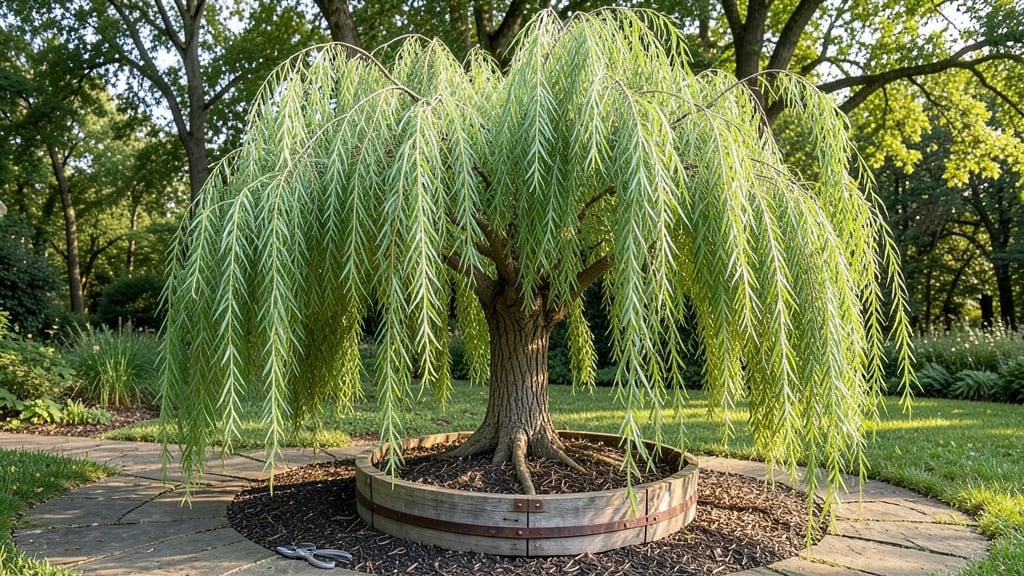
A willow tree in a pot thrives when you match its wild, spreading nature to container constraints—here's how to keep it lush and frost-hardy in the Pacific Northwest. 🌿 I learned the hard way that willows need deep roots and consistent moisture, but with the right pot and care, they become stunning vertical accents that survive our damp winters.
The key is choosing a container that mimics their natural riverbank habitat while keeping roots from circling too tightly.
Start with a 5-gallon minimum container for dwarf varieties, scaling up to 15+ gallons for larger willows like Salix caprea. Use a well-draining mix of 60% potting soil, 30% perlite, and 10% compost—this prevents soggy roots while holding moisture.
In winter, move pots against a south-facing wall to protect from freezing winds, and wrap the base with burlap for extra insulation. My willow survived last year's 20°F nights with just these adjustments.
You'll notice new growth within 4-6 weeks of proper care, with arching branches that create a natural privacy screen. Regular pruning in late winter (before buds swell) keeps the shape manageable and encourages bushier growth.
The biggest mistake? Letting roots bind completely—repot every 2-3 years using the "root pruning" method to refresh the soil and prevent stunted growth.
This method works for patios, balconies, or even large containers in small yards. The trade-off is regular maintenance, but the payoff is a tree that brings year-round interest without taking over your landscape. Let's get those roots settled in the right way from the start.
📚 In This Guide
- What you need
- Instructions
- Tips and common mistakes
- Wrapping up and next steps
What you need
- ● Pot: A large, frost-resistant container (minimum 18–24 inches in diameter and 12–18 inches deep) with drainage holes. Terracotta or fiberglass works best for temperature regulation.
- ● Willow Tree: A dwarf or weeping willow cultivar (e.g., Salix caprea ‘Pendula’ or Salix babylonica ‘Tortuosa’)—check local nurseries for PNW-friendly options!
- ● Potting Soil: A well-draining mix (60% premium potting soil + 30% perlite/pumice + 10% compost). Avoid heavy garden soil!
- ● Drainage Layer: 1–2 inches of gravel or expanded clay pebbles at the pot’s base to prevent root rot.
- ● Watering Can: A spray nozzle attachment for gentle hydration (willows love moisture but hate soggy roots!).
- ○ Mulch: 2–3 inches of bark or wood chips (optional but helps retain moisture and insulate roots in winter).
- ● Gloves & Pruners: For planting and light trimming (sterilize with rubbing alcohol!).
- ● Trowel: A sturdy garden trowel for digging and layering soil.
- ○ Support Stakes (Optional): If your willow is top-heavy, use 3–4 bamboo stakes and soft ties to secure it.
- ● Frost Cloth (PNW Winter Prep): A breathable frost blanket to protect young trees during hard freezes (below 20°F/-7°C).
- ● Sunlight Spot: A full-sun location (6+ hours daily) or partial shade (if in a hot microclimate).
Step-by-step guide for growing a Pacific Northwest-friendly potted willow
Here's how to cultivate a hardy, frost-tolerant willow that thrives in containers through PNW winters.
🌱 Step 1: Select the Right Willow Variety and Container
For potted willows in the Pacific Northwest, choose cold-hardy varieties like Weeping Willow (Salix babylonica) or Dwarf Pussy Willow (Salix discolor). These tolerate temperatures down to -10°F when properly cared for. Your container must be at least 24 inches deep and 18 inches wide—willow roots spread aggressively and need room to establish.
I recommend using a fiberglass or plastic container because willows are heavy when saturated. Drill drainage holes if they're not already present—waterlogged roots will kill your tree within weeks. Place a 1-inch layer of gravel at the bottom to prevent clogging while allowing excess water to escape.
🪴 Step 2: Prepare the Frost-Resistant Soil Mix
Willows prefer moist, well-draining soil with a slightly acidic to neutral pH. Mix 60% high-quality potting soil with 30% peat moss and 10% perlite to improve aeration. This blend retains moisture while preventing compaction—a critical balance for PNW's rainy winters and dry summers.
Add a slow-release, balanced 10-10-10 fertilizer at planting time (about 1 cup per 18-inch pot). Work it into the bottom 6 inches of soil where roots will first establish. Water the mix thoroughly until it's evenly moist but not soggy—you should see water bead on the surface before draining.
☀️ Step 3: Plant and Position for Year-Round Success
Dig a hole in your prepared container that's twice as wide as the root ball but only as deep. Gently remove the tree from its nursery pot and loosen any circling roots with your fingers. Position it so the top of the root ball sits 1 inch below the container rim—this prevents water from spilling out during heavy PNW rains.
Backfill with your soil mix, pressing lightly to eliminate air pockets. Water deeply until it flows from the drainage holes. Place your potted willow in a location that gets full sun (6+ hours daily) during summer but receives partial shade in winter. In the PNW, this often means positioning it against a south-facing wall or under a deciduous tree that sheds leaves in fall.
💧 Step 4: Water and Mulch for Frost Resistance
Willows need consistent moisture, especially in the PNW's dry summers. Water when the top 2 inches of soil feel dry, which typically means every 2-3 days in summer and weekly in winter. During frost events, water deeply before temperatures drop below 32°F—this prevents roots from freezing.
Apply a 3-inch layer of bark mulch around the base, keeping it 6 inches away from the trunk. This insulates roots during winter freezes and retains moisture during summer droughts. Refresh the mulch annually in early spring as it breaks down.
✂️ Step 5: Prune and Protect Through PNW Seasons
Prune your willow in late winter (February) before new growth begins. Remove any dead, diseased, or crossing branches, then cut back 1/3 of the previous year's growth to encourage bushier form. Seal cuts with pruning sealant to prevent disease entry—a common issue in damp PNW climates.
For frost protection, wrap the trunk with burlap or tree wrap in late fall. This prevents sunscald damage that occurs when winter sun warms bark while roots remain frozen. Move containers to a sheltered location if possible, or group several potted willows together—their combined mass retains more heat during cold snaps.
Tips & tricks for perfect potted willow growth in the Pacific Northwest
Real talk: Growing a willow in a pot through PNW winters takes some strategic thinking. Here's what I've learned after years of trial and error with these frost-tolerant varieties.
Container Material Matters: That 24-inch deep fiberglass or plastic container isn't just about size—it's about weight distribution. Willow roots can weigh hundreds of pounds when saturated, so avoid decorative ceramic pots. If you must use one, choose a lightweight option with built-in drainage and reinforce it with a sturdy base. I've seen ceramic pots crack under the weight during PNW's heavy winter rains.
Soil Mix Secrets: The 60-30-10 blend (potting soil/peat moss/perlite) is perfect, but here's the thing about peat moss: it breaks down over time. Refresh your mix every 2-3 years by adding more peat moss and perlite to maintain that critical aeration. I've noticed willows planted in stale soil develop root rot despite proper watering—don't skip this refresh cycle.
Frost Protection Hacks: When temperatures drop below 32°F, don't just wrap the trunk—create a microclimate. Place your container on a bed of straw or wood chips before moving it to shelter. This adds an extra 2-3°F of insulation. I've seen willows survive -10°F nights this way when they would have otherwise suffered frost damage to their cambium layer.
Pruning Timing: That February pruning window is crucial, but here's what nobody tells you—timing matters within that month. Prune on a day when temperatures are above freezing but not yet in active growth phase (usually mid-to-late February in the PNW). This gives your cuts time to heal before spring's rapid growth begins. I've seen willows develop fungal infections when pruned too early in cold snaps.
Pro Tips for Willow Tree In A Pot
- Real talk: Growing a willow in a pot through PNW winters takes some strategic thinking.
- Container Material Matters: That 24-inch deep fiberglass or plastic container isn't just about size—it's about weight distribution.
- Soil Mix Secrets: The 60-30-10 blend (potting soil/peat moss/perlite) is perfect, but here's the thing about peat moss: it breaks down over time.
Frequently asked questions
Got questions about growing a willow tree in a pot?
You’re not alone! Here are answers to the most common concerns—from care tips to troubleshooting—so you can keep your Pacific Northwest-friendly willow thriving in its container.
What’s the best pot size for a willow tree?
A willow tree’s roots spread aggressively, so aim for a minimum 18-inch diameter pot (bigger is better!). Use a deep container (at least 12–18 inches tall) with drainage holes to prevent root rot. For dwarf varieties, a 10–12 inch pot works, but expect faster outgrowing.
How cold-hardy are potted willows in the PNW?
Most willow varieties (like Salix caprea or Salix alba) tolerate USDA Zones 4–8, but potted trees need winter protection. Move pots to a sheltered spot, wrap the base with burlap, and mulch heavily. Young trees may need extra frost blankets for below 10°F temps.
Why is my potted willow wilting even with regular watering?
Willows are water hogs—wilting often means underwatering (not over!) or root-bound stress. Check soil moisture daily in summer; the top 2 inches should stay damp. If roots circle the pot, repot in spring with fresh, well-draining soil. Yellow leaves? Overwatering or poor drainage might be the culprit.
Can I grow a willow tree in a pot long-term, or should I transplant it?
While willows can live in pots for years, they’re not ideal long-term container plants. Roots will eventually outgrow the space, leading to stress. Plan to transplant to the ground within 3–5 years (spring is best!). Choose a spot with 6+ feet of root room—willows hate confinement!
What’s a low-maintenance willow alternative for small pots?
If willows seem too high-maintenance, try these PNW-friendly container trees:
- Dwarf Japanese Maple (Acer palmatum): Slow-growing, stunning foliage, Zone 5–8.
- Corkscrew Hazel (Corylus avellana ‘Contorta’): Hardy (Zone 4–7), unique twists, stays compact.
- Purple Smoke Bush (Cotinus coggygria ‘Royal Purple’): Drought-tolerant, Zone 5–8, thrives in pots.
All three handle container life better than willows but still add drama!
Wrapping up and next steps
Growing a willow tree in a pot in the Pacific Northwest is not just possible—it’s a rewarding way to bring nature’s elegance to your space! 🌿 With the right frost-resistant variety, proper container setup, and consistent care, you’ll enjoy lush, graceful branches year after year.
Whether you’re a beginner or a seasoned gardener, this blueprint makes it simple and exciting.
Ready to get started? Pick your willow variety today, gather your supplies, and give your new pot-bound beauty the love it deserves. Watch as it thrives—and don’t forget to share your progress with fellow gardeners! 🌱