
Blooming
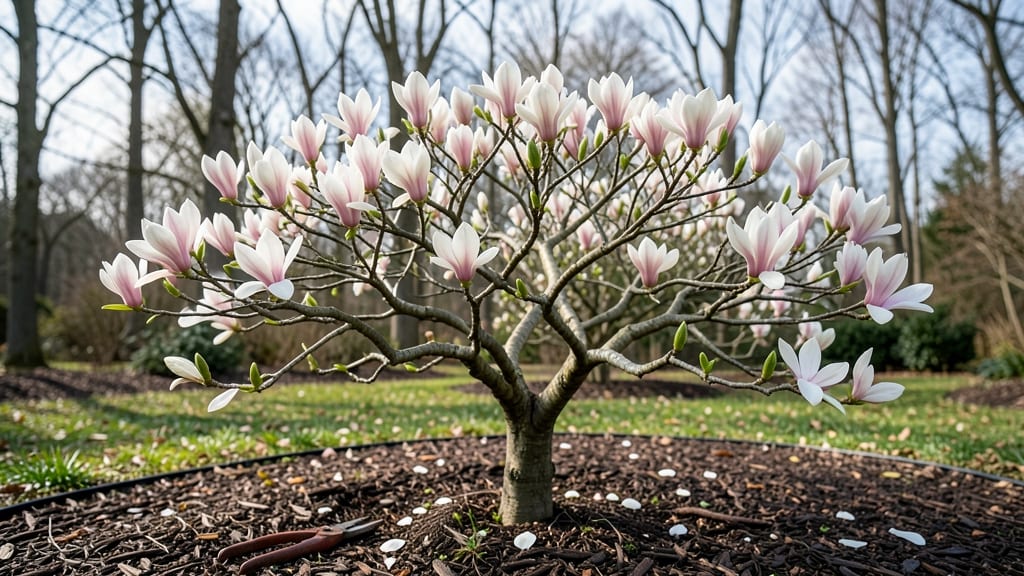
Early blooming spring trees turn your Pacific Northwest garden into a riot of color before summer even arrives. ✨ The first cherry blossoms, magnolias, and dogwoods appear when the air still carries a hint of winter chill, offering pollinators their first feast of the season—and you the first burst of beauty.
These trees don't just brighten landscapes; they create a calendar of color that starts in late winter and peaks by April.
Planting them at the right time is everything: late fall or early spring, when the soil is workable but not frozen. Most thrive in partial shade, though some like dogwoods appreciate morning sun.
The key is moist, well-draining soil—amend heavy clay with compost to give roots a fighting chance. Once established, they reward you with decades of blooms, year after year, with minimal fuss.
Imagine stepping outside in March to find pink cherry blossoms swaying in the breeze or creamy magnolia flowers perfuming the air. These trees attract bees and butterflies early, giving your garden a head start on pollination.
Their seasonal timing makes them the stars of early spring design, whether you're framing a patio, anchoring a border, or simply adding vertical interest.
For the Pacific Northwest's wet climate, choose disease-resistant varieties like 'Weston' cherry or 'Anna's Choice' dogwood. Mulch heavily to protect roots from winter rains, and prune in late summer to shape growth without sacrificing next year's blooms.
With the right placement, these trees become the heart of your garden's seasonal show.
📚 In This Guide
- What you need
- Instructions
- Tips and common mistakes
- Wrapping up and next steps
What you need
- ● Field Guide or App: A printed guidebook (e.g., Pacific Northwest Wildflowers & Trees) or a smartphone app like iNaturalist or PictureThis for tree ID.
- ● Camera or Smartphone: A decent camera (or smartphone with a macro lens attachment) for close-up shots of blooms and bark.
- ● Notebook & Pen: For jotting down observations, bloom times, or tree locations.
- ○ Gloves (Optional but Recommended): Lightweight gardening gloves to protect hands from thorns or rough bark (e.g., Darn Tough or Workrite brands).
- ● Pruners (If Planting/Trimming): Bypass pruners (3–4" blades) for clean cuts on saplings or established trees.
- ● Tree Saplings: 1–3 native species (e.g., Western Redbud, Pacific Dogwood, or Oregon White Oak) from a local nursery.
- ● Compost & Mulch: 2–3 cubic feet of high-quality compost (e.g., Fox Farm Ocean Forest) and 5–10 bags of wood chips for mulching.
- ● Watering Can or Hose: With a gentle spray nozzle for young trees.
- ○ Soil pH Test Kit (Optional): To ensure optimal growing conditions (target pH: 5.5–7.0 for most PNW natives).
- ● Timing is Everything: Visit trees in late February to early April for peak blooms—just after the last frost! ⏰
- ● Native Nurseries Matter: Always source plants from local PNW nurseries to support biodiversity and hardiness.
- ● Safety First: Avoid climbing or disturbing trees in protected areas (e.g., Olympic National Park or Mount Rainier).
How to select and plant early blooming spring trees for the Pacific Northwest
Here's my foolproof approach to bringing vibrant color to your yard before summer even arrives.
🌱 Step 1: Choose the Right Species for Your Climate
Pacific Northwest gardens thrive with trees that tolerate 40-80°F annual temperatures and 40-60 inches of rain. Start with proven performers like Western Redbud (Cercis occidentalis), Oregon Grape Holly (Mahonia aquifolium), or Pacific Dogwood (Cornus nuttallii). These native species bloom reliably and handle the region's damp winters and mild springs beautifully.
I always check the USDA Hardiness Zone for my planting site—most PNW trees do well in Zones 6-8. If you're in a cooler microclimate (like the Olympic Peninsula), opt for Oregon White Oak (Quercus garryana) or Vine Maple (Acer circinatum), which handle cooler springs better. Visit your local nursery and ask for locally grown bare-root trees in early spring—they establish faster than container-grown ones.
☀️ Step 2: Pick the Perfect Planting Spot
Most early bloomers need full sun to partial shade—at least 4-6 hours of direct sunlight daily. In dense PNW forests, Pacific Dogwood thrives under high canopy, while Redbud needs an open area to show off its pink blooms. Observe your yard's sunlight patterns for at least a week before planting—PNW mornings can be foggy, so what looks like full sun might only get 3 hours of real sunlight.
Soil matters just as much as sun. Early bloomers prefer well-draining, slightly acidic soil (pH 5.5-7.0). If your soil is heavy clay (common in Western Washington), amend with 3-4 inches of compost mixed into the top 12 inches of soil. I always dig a hole twice as wide as the root ball but only as deep—planting too deep suffocates roots and causes stress. The top of the root ball should sit 1-2 inches above ground level to prevent rot during heavy winter rains.
🪴 Step 3: Plant with Care for Long-Term Health
Timing is everything—plant bare-root trees in early spring (March-April) when the ground is workable but before buds break. For container-grown trees, plant anytime except in extreme heat or frost. Start by soaking the roots in lukewarm water for 20-30 minutes before handling—this revives dormant roots and reduces transplant shock. I like to add mycorrhizal fungi (available at nurseries) to the planting hole to help roots establish faster in PNW's wet climate.
Position the tree so the trunk faces the direction you want it to grow (usually away from prevailing winds). Backfill with native soil mixed with compost, tamping gently every 4 inches to remove air pockets. Water deeply until the soil is saturated 12 inches down—you'll know it's right when water pools on the surface for 10-15 seconds before draining. Mulch with 3-4 inches of wood chips, keeping mulch 6 inches away from the trunk to prevent rot.
💧 Step 4: Water and Protect Newly Planted Trees
Newly planted trees need consistent moisture for their first 2 growing seasons. Water deeply once a week (or more in summer heatwaves) until the soil is damp 12 inches down. I use a soaker hose to deliver water slowly at the base—this prevents fungal diseases that thrive in wet foliage. Avoid overhead watering, especially in the evening, as damp leaves invite powdery mildew and other fungal issues common in PNW's humid springs.
Stake only if necessary—most early bloomers like Pacific Dogwood have strong root systems that stabilize quickly. If you do stake, use flexible tree ties and remove stakes after 1 growing season to prevent girdling. Watch for yellowing leaves in the first few weeks—this is normal as roots adjust, but if leaves wilt suddenly, your tree might be underwatered or in too much sun. Move it to a shadier spot temporarily until it recovers.
Tips & tricks for perfect early spring bloomers
Here's what I've learned from planting dozens of early bloomers in PNW gardens—these tricks make all the difference.
Species Selection: Don't just grab any tree at the nursery. Western Redbud's delicate pink blooms need full sun, while Pacific Dogwood thrives in partial shade. I've found that Oregon Grape Holly handles both conditions beautifully, making it the most versatile choice for PNW yards. For maximum impact, pair a Redbud with a Dogwood—their blooming cycles complement each other perfectly.
Soil Prep Strategy: The 3-4 inches of compost mixed into your planting hole is non-negotiable for heavy clay soils. I've seen trees struggle for years when planted directly into unamended clay. For extra insurance, add a handful of mycorrhizal fungi to the planting hole—it's like giving your tree a probiotic boost for faster root establishment in our wet climate. The slightly acidic soil (pH 5.5-7.0) is crucial too; test your soil first if you're unsure.
Planting Timing: That 20-30 minute root soaking before planting is one of the most underrated steps. I've seen bare-root trees go from limp to perky in minutes after this treatment. Planting in early spring (March-April) gives roots time to establish before summer heat arrives. Pro tip: If you must plant container-grown trees in summer, do it on a cloudy day and water immediately after planting to reduce stress.
Watering Wisdom: The deep watering until soil is damp 12 inches down is critical, but timing matters too. Water in the morning so foliage dries quickly—this prevents fungal diseases like powdery mildew that thrive in PNW's humid springs. I've had to replace trees that were watered at night, so don't skip this step. For the first two growing seasons, consistency is more important than quantity—better to water deeply once a week than lightly every day.
Pro Tips for Early Blooming Spring Trees
- Here's what I've learned from planting dozens of early bloomers in PNW gardens—these tricks make all the difference.
- Species Selection: Don't just grab any tree at the nursery.
- Soil Prep Strategy: The 3-4 inches of compost mixed into your planting hole is non-negotiable for heavy clay soils.
Frequently asked questions
Got questions about early blooming spring trees in the Pacific Northwest? You’re not alone! Here are some of the most common queries—plus quick answers to help you make the most of this vibrant season.
When do these trees typically bloom in the PNW?
Timing varies by species, but most early bloomers—like Western Redbud or Pacific Dogwood—start as early as late February to March. Warmer microclimates (e.g., coastal areas) may see blooms weeks earlier than inland regions. Check local forecasts for the best viewing windows!
How can I tell if a tree is blooming early?
Look for bud swell (tight, rounded buds) or faint color hints in late winter. Early bloomers often have pink, white, or yellow flowers that stand out against bare branches. Pro tip: Snap a photo weekly—changes happen fast!
Are there any trees I shouldn’t plant if I want early blooms?
Yes! Avoid late-season bloomers like Oregon Grape (spring foliage) or Bigleaf Maple (summer flowers). Stick to native species like Salal (white blooms in April) or Vine Maple for guaranteed early color. Skip invasive species—they disrupt local ecosystems.
Do early bloomers need extra care during late frosts?
Young blooms are frost-sensitive. If a hard freeze (<32°F) is forecast, cover tender trees with frost cloth or mulch the base. Mature trees usually bounce back, but newly planted specimens may need protection. Water deeply before frosts to help roots withstand cold.
What’s the best alternative if I can’t find early bloomers locally?
Try ornamental cherries (e.g., Prunus serrulata ‘Kanzan’) or crabapples—they’re reliable and often available at nurseries. For shade + blooms, Serviceberry (white flowers in April) is a PNW superstar. Check with local arboretums for grafted or heirloom varieties!
| Quick Tip | Why It Matters |
|---|---|
| Mark bloom dates on a calendar. | Helps track climate shifts—critical for gardeners! |
| Plant near windows for indoor enjoyment. | Early blooms brighten spaces before outdoor gardens wake up. |
Wrapping up and next steps
Early blooming spring trees in the Pacific Northwest aren’t just a spectacle—they’re nature’s way of welcoming warmer days with vibrant bursts of color and life. 🌸 From the delicate petals of Western Redbuds to the cheerful clusters of Oregon Grape, these trees remind us that spring is on its way, even when the air still holds a chill.
Whether you’re a gardener, a photographer, or simply someone who loves the magic of renewal, take this season as your cue to explore, plant, or simply pause and appreciate the fleeting beauty around you.
Ready to dive deeper? Plan a visit to a local botanical garden or park to witness these early bloomers in person—or start your own mini spring garden with native species. Every small step helps bring more color (and joy!) to your corner of the world. 🌿