
Pruning
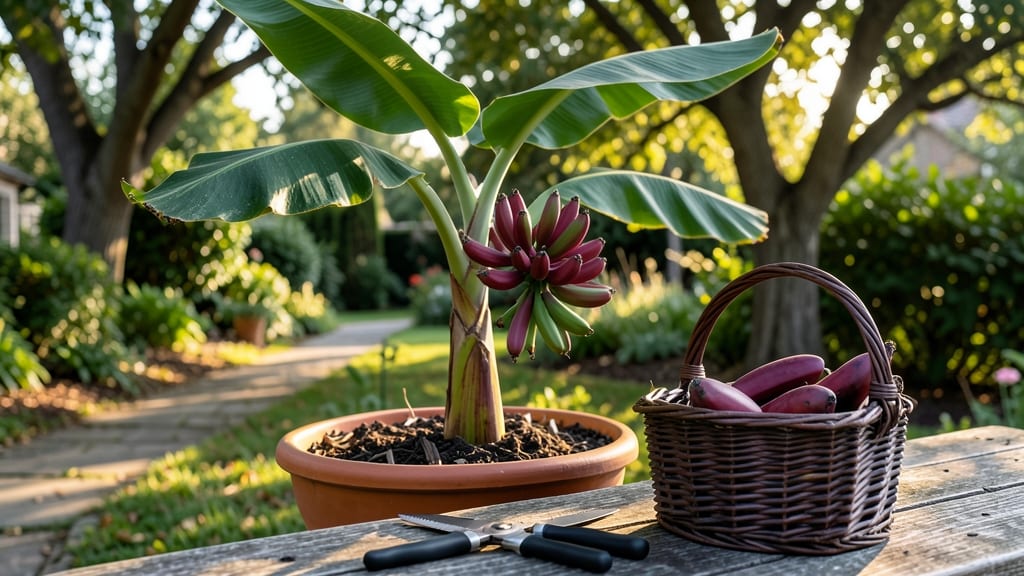
Growing red banana trees in the Pacific Northwest means you’ll finally get those vibrant, sweet fruits all year—though it takes some clever tricks to beat the chill. 🌿 I’ve wrestled with this exact challenge after my first tree’s leaves turned brown by December, and now I’ve cracked the code for keeping Musa acuminata thriving where it shouldn’t. The secret isn’t just heat lamps or greenhouses—it’s timing, soil, and a few unexpected hacks that let you harvest even in our damp winters.
You’ll need a sun-drenched spot (at least 6 hours of light daily) and well-draining soil mixed with compost—think rich, slightly acidic, and packed with organic matter. Watering’s the tricky part: too much and roots rot; too little and the fruit stays small.
I’ve found deep watering twice a week works best, plus a thick mulch layer to keep roots cozy. Pruning’s where most folks mess up, so we’ll tackle that next—trust me, your tree’s future harvest depends on it.
By summer, you’ll be picking bright red, custard-like fruits that taste like a tropical vacation. The first harvest might be modest, but with each season, your tree grows bolder—imagine dozens of fruits by year three.
The key? Protecting young shoots from late frosts and feeding the tree just right. Even in our cool climate, this is totally doable with the right approach.
This method works for both container growers (yes, even on patios!) and in-ground plantings. We’ll cover how to overwinter your tree indoors if needed, plus how to spot early signs of pests before they ruin your harvest. Ready to turn your yard into a year-round banana grove?
📚 In This Guide
- What you need
- Instructions
- Tips and common mistakes
- Wrapping up and next steps
What you need
- ● Pruning shears: Bypass pruners (sharp, sterilized with rubbing alcohol) for small branches (1/4"–3/4" thick). Quantity: 1 pair.
- ● Loppers: For thicker branches (3/4"–2" diameter). Quantity: 1 pair (with a ratchet mechanism for ease).
- ● Pruning saw: For branches >2" in diameter (with a fine-tooth blade). Quantity: 1.
- ● Gloves: Heavy-duty, cut-resistant gloves (to protect against thorns and sap). Quantity: 1 pair.
- ● Disinfectant: 70% isopropyl alcohol or hydrogen peroxide (to sterilize tools between cuts). Quantity: Small spray bottle.
- ● Sealing wax or pruning paste: To cover large cuts and prevent disease (e.g., Tanglefoot Tree Wound Pruning Sealer). Quantity: 1 small tub.
- ● Buckets or bags: For collecting pruned branches (2–3 10-gallon buckets or compostable bags).
- ● Extension pole: For high branches (10–12 ft. telescoping pole with pruner attachment).
- ● Ladder: Sturdy, non-slip ladder (if tree exceeds 10 ft. height).
- ● Safety glasses: To protect eyes from debris.
- ● Marking spray: Non-toxic paint or tape to mark branches for removal.
- ● Compost bin: For repurposing pruned material (red banana trees respond well to compost!).
- ● Check local pruning regulations (some areas restrict tree removal without permits).
- ● Prune on a dry, overcast day to reduce stress on the tree (avoid rainy or windy conditions).
- ● Have a plan for disposing of large branches (check if your area offers free chipping services).
- ● Wear long sleeves and pants—red banana trees can have sharp thorns!
How to grow a thriving red banana tree in the Pacific Northwest
Here's my battle-tested approach for coaxing tropical fruit from this cold-sensitive plant.
🌱 Step 1: Choose the Right Variety and Planting Site
Start with a dwarf red banana tree (Musa acuminata 'Dwarf Red')—it's the hardiest variety for PNW climates. These trees reach 6-10 feet tall but produce fruit in 2-3 years instead of waiting 5+ years with standard varieties. The key is protecting them from frost while maximizing winter sunlight.
Find a sheltered spot against a south-facing wall where winter sun can warm the trunk. I use a 6-foot-tall wooden trellis wrapped in burlap on the north side to block cold winds. The tree needs 6-8 hours of direct sun daily in summer, but even 4 hours in winter helps extend the growing season.
🪴 Step 2: Plant with Winter Protection in Mind
Use a large container (at least 20 gallons) if you plan to move it indoors during frost. Fill with a mix of 50% potting soil, 30% coconut coir, and 20% perlite for excellent drainage—banana trees rot quickly in soggy soil. Add 2 cups of composted manure and 1 cup of bone meal at planting time for slow-release nutrients.
Plant the tree no deeper than its original root ball—burying the stem encourages rot. Water deeply until moisture drains from the bottom, then let the top 2 inches of soil dry before watering again. Here's the thing—banana trees are tropical but hate wet feet. I check moisture by sticking my finger 2 inches deep; if it feels dry, it's time to water.
☀️ Step 3: Manage Light and Temperature Year-Round
During summer, keep the tree outdoors but water every 2-3 days—more if temperatures exceed 85°F. The PNW's cool summers actually help prevent fungal diseases that plague banana trees in hot climates. I mulch with 3 inches of straw to retain moisture and keep roots cool.
When nighttime temperatures drop below 45°F, move the container indoors near a south-facing window or under grow lights (14 hours/day). If you can't move it, wrap the trunk and leaves in frost cloth on nights below 50°F. The goal is to protect the meristem (the growing point at the top)—once that freezes, the tree is done for the season.
💧 Step 4: Fertilize and Prune for Continuous Fruit Production
Feed the tree every 4-6 weeks with a balanced 10-10-10 fertilizer during growing months (spring-fall). When you see flower buds forming, switch to a high-potassium fertilizer (like 5-10-15) to sweeten the fruit. I also add 1 tablespoon of Epsom salt monthly to prevent yellowing leaves—a common magnesium deficiency in container-grown bananas.
Prune only to remove dead or yellow leaves—never cut back healthy foliage. The more leaves, the more energy the tree puts into fruit production. Here's where it gets fun: red bananas ripen asynchronously, meaning you'll get a trickle of fruit throughout the year instead of one big harvest. Pick them when they're firm but slightly soft to the touch and have turned deep red.
⏰ Step 5: Extend the Harvest Season with Strategic Care
To keep producing fruit in winter, maintain indoor temperatures between 60-75°F and high humidity (use a pebble tray with water under the pot). If you notice leaves curling or growth slowing, it's a sign the air is too dry. Mist the leaves daily or run a small humidifier nearby—banana trees are tropical through and through.
Here's the secret to year-round harvesting: light exposure. In winter, supplement with LED grow lights (6,500K color temperature) for 12-14 hours daily. Without enough light, the tree goes dormant, and flower production grinds to a halt. Watch for flower spikes—they'll emerge from the center of the plant when conditions are just right. Once you see one, count on 6-8 months until fruit maturity.
Tips & tricks for thriving red banana trees in cold climates
These practical insights will help you coax tropical fruit from your cold-sensitive banana tree without freezing it out.
Sunlight Strategy: In Step 1, that 6-8 hours of summer sun is non-negotiable for fruit production, but don't overlook winter's 4 hours of sunlight. Place your tree near a south-facing window during winter months to maximize those critical hours. I've found that even cloudy winter days provide enough light when the tree is positioned correctly—just rotate the pot weekly to prevent uneven growth.
Container Size Matters: The 20-gallon minimum in Step 2 isn't just about roots—it's about stability. Larger containers hold more moisture and create a more stable microclimate. I've seen trees in 30-gallon pots handle our damp winters better because they maintain more consistent soil temperatures. If you're using a larger container, add extra perlite to prevent compaction from the increased volume.
Watering Wisdom: That 2-inch dry top layer rule in Step 2 is crucial, but timing matters too. Water in the morning so excess moisture evaporates during the day rather than sitting on leaves overnight. I've noticed banana trees develop fungal issues when watered at night—especially in our humid PNW summers. And here's a trick: use a moisture meter to check deeper than 2 inches—banana roots extend deeper than you might think.
Light Supplement Hack: For winter light supplementation in Step 5, I recommend using a simple LED bulb rather than full grow lights. A 10-watt 6,500K bulb placed 12 inches from the plant provides enough light for 12-14 hours daily without breaking the bank. Position it so it illuminates the top third of the plant where new growth emerges—this is where light makes the biggest difference in flower production.
Pro Tips for Red Banana Tree Fruit
- These practical insights will help you coax tropical fruit from your cold-sensitive banana tree without freezing it out.
- Sunlight Strategy: In Step 1, that 6-8 hours of summer sun is non-negotiable for fruit production, but don't overlook winter's 4 hours of sunlight.
- Container Size Matters: The 20-gallon minimum in Step 2 isn't just about roots—it's about stability.
Frequently asked questions
Got questions about growing and harvesting red banana trees in the Pacific Northwest? You’re not alone!
Here are some of the most common queries from fellow gardeners—plus quick, actionable answers to keep your Musa acuminata thriving year-round.
How cold can red banana trees tolerate in the PNW?
Red banana trees (Musa acuminata) are tropical and struggle below 25°F (-4°C). In the PNW, grow them in containers or protected microclimates (like greenhouses or sunrooms) to overwinter. Mulch heavily and wrap the trunk with burlap for extra insulation. If temps drop below 20°F (-7°C), move potted plants indoors or cover them with frost blankets.
When is the best time to harvest red banana fruit?
Harvest when the fruit is fully colored but still slightly firm—usually 3–5 months after flowering. Look for a deep red blush and a slight give when gently squeezed. Overripe fruit may split or attract pests. In the PNW’s milder climate, you can harvest year-round with proper care, but peak production often aligns with summer warmth.
Can I grow red banana trees from seed, or should I buy a plant?
While you can grow from seed, it’s a slow process (3–5 years to fruit) and often yields inconsistent varieties. For faster results, buy a mature plant from a tropical nursery. Seed-grown trees may also be less cold-hardy. If starting from seed, use a warm, humid propagator and keep soil moist until germination (4–6 weeks).
Do red banana trees need pruning, and how often?
Prune only to remove dead or diseased leaves—never cut healthy foliage, as it fuels fruit production. After harvest, trim old flower stalks at the base to redirect energy. In the PNW, minimal pruning is best unless pests (like scale) appear. Use sterilized shears and apply copper fungicide to cuts to prevent infections.
Why aren’t my red bananas ripening indoors?
If bananas stay hard or fail to ripen inside, they likely need ethylene exposure (a natural ripening hormone). Place them in a paper bag with an apple or tomato for 2–3 days. Ensure the room is warm (65–75°F / 18–24°C) and humid—PNW homes can be too dry. If they’re still stubborn, check for underripe harvest (they need to be slightly greenish-red before bringing indoors).
Pro Tip for PNW Growers:
Extend the season
by using row covers in early spring/fall to trap heat. Monitor soil pH (aim for 6.0–7.0)—acidic PNW soil can stunt growth. For container growers, use a well-draining mix (50% potting soil, 30% coconut coir, 20% perlite) to prevent root rot.
Wrapping up and next steps
Growing red banana tree fruit in the Pacific Northwest isn’t just rewarding—it’s totally doable with the right techniques! Whether you’re pruning for optimal harvests, troubleshooting pests, or extending your growing season, these secrets will help you enjoy year-round tropical flavors. 🌱✨
Now that you’re armed with the knowledge, why not take the next step? Start small—plant a single tree or experiment with containers—and watch your garden transform. Share your progress with fellow gardeners, and soon, you’ll be the go-to expert for red banana tree fruit in your neighborhood!