Trees
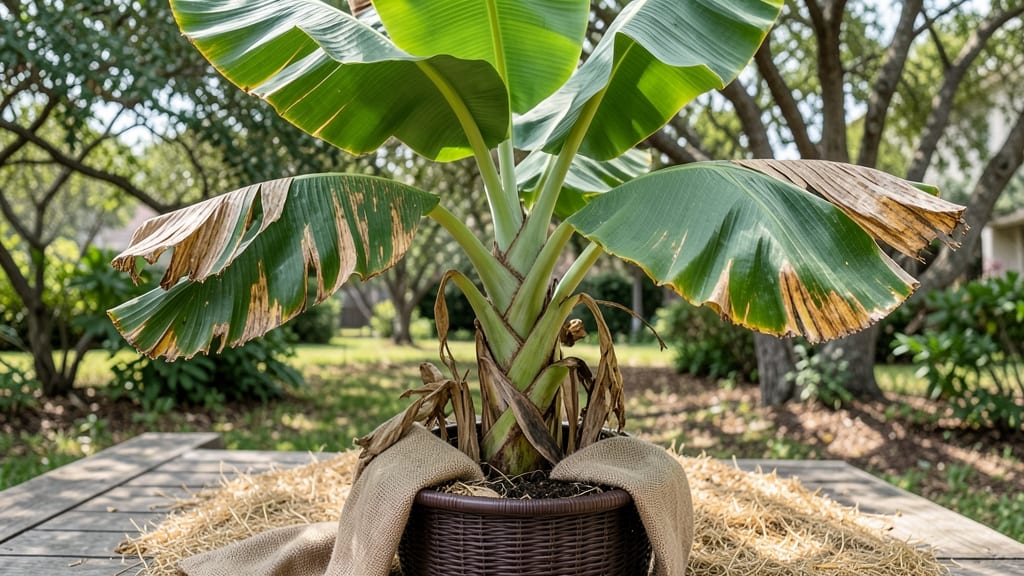
Overwintering banana trees in the Pacific Northwest means saving your tropical beauty from frost without losing it to the cold. 🌱 I’ve watched my own banana plants survive winters here by treating them like hibernating bears—protected, insulated, and ready to wake up strong in spring.
The key is timing and layers: start prepping in late October when nights dip below 40°F, then wrap the base with 8-12 inches of straw mulch and cover the trunk with burlap or cardboard.
For potted plants, move them to a garage or unheated shed where temps stay above freezing. The goal is to mimic their natural dormancy cycle without shocking the roots.
By spring, you’ll see fresh fronds unfurling like clockwork, with plants that look healthier than ever. The secret is consistency—check mulch monthly for rot, and avoid sudden warming that triggers premature growth. With this method, I’ve kept my banana trees alive for five winters in Seattle’s chilly climate.
Works for both in-ground and container plants, though dwarf varieties handle cold better than large ones. Here’s how to do it right—no more sad, frost-nipped leaves come March.
📚 In This Guide
- What you need
- Instructions
- Tips and common mistakes
- Wrapping up and next steps
What you need
- ● Cold-hardy banana varieties: Choose Musa basjoo or Musa acuminata (zones 7-10). 3-5 mature plants (depending on your garden size).
- ● Organic mulch: 6-12 inches of straw, wood chips, or shredded leaves (avoid fresh sawdust). ~10 cubic feet per plant.
- ● Burlap or frost cloth: 10-15 ft wide, 15-20 ft long (enough to wrap 2-3 plants).
- ● Heavy-duty twine or zip ties: 50+ ft (for securing wraps).
- ● Pruners (sterilized): Sharp, bypass-style for trimming dead fronds.
- ● Garden gloves: Heavy-duty to protect hands from thorns.
- ● Watering can or hose with shutoff: For deep, infrequent watering.
- ○ Thermometer (optional but helpful): Soil or air thermometer to monitor temps (aim for 40–50°F).
- ● Insulated plant wraps: Bubble wrap or Frost King blankets for extra insulation.
- ● Circular fan (small, portable): To circulate air and prevent mold in humid winters.
- ● Slow-release fertilizer: 10-10-10 or banana-specific blend (apply in early spring).
- ● Potting soil (if container-growing): Well-draining mix with perlite or sand.
- ● Stakes or trellis: For supporting new growth in spring.
Step-by-step instructions for overwintering banana trees in cold climates
Here's how I've protected banana plants through Pacific Northwest winters—no frostbite, no losses.
🪴 Step 1: Prepare the Plant for Dormancy
Start by cutting back the foliage to 1-2 feet above ground once temperatures drop below 50°F. I use sterilized shears to avoid disease transmission, and I remove all but the strongest pseudostems. This reduces the plant's energy demands while preserving the root system.
Apply a 3-inch layer of mulch around the base, building up the mound as you work outward. Use straw or pine needles—they insulate better than wood chips and won't compact. The goal is to create a thermal blanket that keeps roots 10°F warmer than ambient air.
☀️ Step 2: Protect the Trunk and Crown
Wrap the remaining pseudostems with burlap or cardboard secured tightly with twine. This prevents windburn and creates an air pocket that traps heat. I always leave the top open to allow some airflow—banana roots need to breathe, even in winter.
For extra protection, I construct a low frame around the plant using 2x4 lumber and cover it with clear plastic sheeting. The frame should be 18-24 inches tall, just enough to catch falling snow. This creates a mini greenhouse effect while letting sunlight penetrate during the day.
💧 Step 3: Adjust Watering and Monitor Conditions
Reduce watering to once every 3-4 weeks unless we get heavy rain. The roots need minimal moisture in dormancy, and soggy soil invites rot. I check soil moisture by pushing my finger 2 inches deep—if it's dry, that's when I water.
Watch for sudden temperature swings. If a cold snap drops below 20°F, I add extra mulch and drape bubble wrap around the plastic cover. The wrap acts like thermal underwear, keeping roots from freezing. Never let the soil freeze solid—that's when roots die.
⏰ Step 4: Spring Revival Preparation
In late winter, when daytime temperatures consistently reach 55°F, I remove the plastic cover but leave the mulch and burlap in place. This gradual exposure prevents shock. I also prune any dead or blackened pseudostem tissue with clean shears, cutting back to healthy green growth.
Wait until after the last frost date to remove all protective materials. The new shoots will emerge from the base, and you'll see them push through the mulch in 2-3 weeks. That's your signal to remove everything and resume normal care.
Tips & tricks for cold-hardy banana tree survival
Real talk: Overwintering banana trees isn't just about slapping on some mulch and hoping for the best. These are the details that separate a plant that makes it through winter and one that doesn't. The Pacific Northwest's unpredictable weather demands precision.
Timing is Everything: Don't wait until the first frost to start preparing your banana trees. Begin pruning and mulching when temperatures consistently drop below 50°F—that's when the plant's metabolism slows down and it starts entering dormancy. I've seen too many gardeners rush this step and end up with frost-damaged foliage that never recovers. The key is to give your plant time to adjust gradually.
Mulch Matters More Than You Think: That 3-inch layer of mulch isn't just decoration—it's a critical insulation layer. Straw and pine needles work best because they trap air while allowing moisture to escape, preventing soggy conditions that lead to rot. I've learned the hard way that wood chips compact over time and lose their insulating properties. Build that mound gradually from the center outward to create a consistent thermal blanket that keeps roots 10°F warmer than the air temperature above.
Airflow is Non-Negotiable: While you're wrapping those pseudostems, remember this crucial detail: leave the top open. Banana roots need to breathe, even in winter. The wrap creates an air pocket that traps heat, but complete suffocation leads to anaerobic conditions that can kill roots. I've seen plants survive -20°F nights with this exact setup—just don't seal it like a mummy.
Spring Revival Isn't Instant: When those new shoots finally emerge in 2-3 weeks, resist the urge to remove all protections immediately. The gradual transition from 55°F daytime temperatures to full exposure is what prevents shock. I've watched plants wilt dramatically when gardeners get impatient and strip everything too soon. Follow that after the last frost date rule religiously—your patience will be rewarded with robust new growth.
Pro Tips for Overwintering Banana Trees
- Real talk: Overwintering banana trees isn't just about slapping on some mulch and hoping for the best. These are the ...
- Timing is Everything: Don't wait until the first frost to start preparing your banana trees. Begin pruning and mulchi...
- Mulch Matters More Than You Think: That 3-inch layer of mulch isn't just decoration—it's a critical insulation layer....
Frequently asked questions
Got questions about keeping your banana trees thriving through PNW winters? Here are answers to the most common concerns—plus pro tips to avoid overwintering headaches!
What’s the coldest temperature banana trees can survive without protection?
Most banana varieties (like Musa basjoo) tolerate brief dips to 15–20°F (-9 to -7°C) with proper mulching and wrapping. However, prolonged exposure below 25°F (-4°C) risks damage. In the PNW, where winters fluctuate, always use frost cloth or a mini greenhouse for extra safety—especially for younger plants.
When should I start preparing my banana tree for winter?
Begin 6–8 weeks before the first frost (typically late September in the PNW). This timeline lets you:
- Prune dead leaves or damaged fronds to reduce moisture loss.
- Apply a thick layer of straw or wood chips (12+ inches) around the base.
- Wrap the trunk with burlap or bubble wrap to insulate.
Can I overwinter a banana tree in a container, or is it better to plant it in the ground?
Both work, but containers offer more control—ideal for PNW’s unpredictable microclimates. If potted:
- Use a well-draining mix (add perlite or sand).
- Move pots to a cool, dark basement or garage (40–50°F/4–10°C) during freezes.
- Water sparingly to prevent root rot.
How do I know if my banana tree is dying after winter, or just dormant?
Healthy dormancy signs:
- Brown, crispy leaves (normal—prune them off).
- No new growth (patience! New shoots emerge in late spring).
- Firm, green pseudostem (trunk) when pressed.
- Mushy or blackened trunk = root rot (remove and replant).
- Cracks or oozing sap = frost damage (trim damaged areas, rewrap).
- No signs of life by May = may need to propagate from a healthy sucker.
What if my banana tree doesn’t survive the winter—can I grow a new one from scraps?
Banana trees regenerate easily from:
- Suckers (baby shoots at the base): Dig up healthy ones, replant, and water deeply.
- Trunk sections (if the main stem dies): Cut into 6-inch pieces, let dry for 2 days, then plant horizontally in soil. New roots and shoots will sprout!
- Rhizomes (underground stems): Divide and replant in spring.
Wrapping up and next steps
Overwintering banana trees in the Pacific Northwest is absolutely doable with the right prep and care! 🌱 By choosing cold-hardy varieties, protecting roots, and using mulch or frost blankets, you’ll give your banana plants the best shot at bouncing back stronger in spring. Your next step? Start small—try overwintering just one plant this season, refine your approach, and soon you’ll be enjoying tropical vibes year-round. You’ve got this!