
Trees
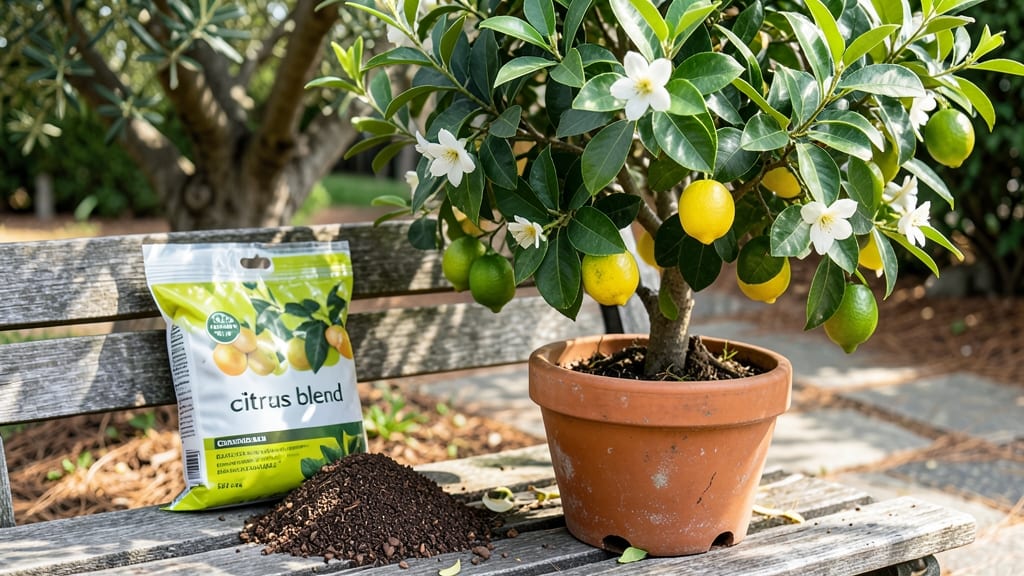
Citrus trees need well-draining potting soil—or they’ll rot from the roots up. 🌱 I learned this the hard way when my Meyer lemon’s leaves turned yellow and dropped faster than a summer storm.
The problem wasn’t overwatering (okay, maybe a little), but the soggy, compacted mix that smothered its roots.
Most store-bought blends are too dense for citrus. You need a 50-50 mix of fast-draining ingredients like perlite or coarse sand with organic matter—think composted bark or worm castings.
This combo keeps roots oxygenated while holding just enough moisture to prevent wilting. Pre-mixed citrus mixes work, but DIY gives you control over texture and fertility.
With the right soil, your citrus will reward you with glossy leaves and fruit that smells like sunshine. The key is repotting every 2-3 years to refresh nutrients and prevent compaction.
I’ve had my lemon tree thriving for five years now—no more sad, droopy branches, just vibrant growth and actual lemons.
Whether you’re starting with a cutting or repotting a mature tree, this blend works for dwarf Meyer lemons, calamondins, and even full-sized citrus in large containers. The secret? Never let it sit in water—citrus roots hate soggy feet, even more than mine hate gardening chores.
📚 In This Guide
- What you need
- Instructions
- Tips and common mistakes
- Wrapping up and next steps
What you need
- ● Potting soil (base): 60% high-quality, peat-free potting mix (e.g., Miracle-Gro Potting Mix or Fox Farm Ocean Forest). Do not use garden soil—it compacts and suffocates roots!
- ● Perlite or pumice: 20% coarse perlite or pumice (for aeration and drainage). Skip the fine perlite—it clumps!
- ● Sand: 10% coarse horticultural sand (not playground sand!). Helps prevent compaction.
- ● Compost or worm castings: 10% orgainc matter (for nutrients). Citrus loves organic goodness!
- ● Large container or wheelbarrow: For mixing ingredients (at least 5-gallon capacity).
- ● Gloves & dust mask: Perlite and sand can be dusty!
- ● Measuring cup or scale: For precise ratios (especially important for drainage!).
- ● Citrus tree pot: At least 12–18 inches in diameter with drainage holes. Terracotta pots work best!
- ○ Optional (but helpful): Slow-release fertilizer (e.g., Osmocote for citrus).
- ● Lime or dolomite (if your soil is acidic).
- ● Moss or bark fines (for extra moisture retention).
How to create the ideal potting mix for citrus trees
Citrus roots need breathable, fast-draining blends—or they’ll suffocate. Here’s my go-to formula.
🪴 Step 1: Start with a Base of Fast-Draining Potting Mix
Use 40% high-quality citrus potting mix as your foundation. This specialized blend already contains perlite or pumice to prevent compaction, which is critical for citrus. If you’re using a generic potting mix, amend it immediately—citrus roots rot in dense soil.
I like to mix in 20% coarse sand (not fine beach sand, which compacts) to improve drainage further. Sift it through a ¼-inch mesh screen to remove any fine particles that could clog pores. The goal is a texture that feels gritty when dry but still holds moisture when damp.
🌱 Step 2: Add Organic Matter for Nutrient Retention
Mix in 20% peat moss or coconut coir to retain moisture and nutrients without becoming waterlogged. Citrus trees are heavy feeders, so this organic matter will slowly release nutrients over time. If using peat moss, pre-moisten it first—dry peat repels water and creates air pockets.
For extra insurance, fold in 10% composted bark fines (not fresh wood chips, which can harbor fungus). This adds porosity while breaking down to feed roots. I like to sift the bark fines through a ½-inch screen to avoid large chunks that won’t decompose quickly.
💧 Step 3: Adjust for Drainage with Perlite or Pumice
Add 10% perlite or pumice to prevent compaction and ensure excess water drains away immediately. Perlite expands when heated, creating tiny air pockets that citrus roots love. If your mix feels too dense after blending, add a little more—citrus trees hate soggy roots.
For extra insurance, I like to include 5% worm castings (just ¼ cup per gallon of mix). This adds beneficial microbes that help roots absorb nutrients and water more efficiently. The castings also improve soil structure over time, making the mix lighter and more aerated.
✂️ Step 4: Test and Refine the Blend
Fill a container with your mix and pour water until it drains from the bottom. It should take 5-10 minutes for water to fully drain—if it drains faster, add a little more peat moss or compost; if it drains slowly, increase the perlite or sand.
Grab a handful of the mix and squeeze it firmly. If it holds its shape but crumbles when released, you’ve got the right balance. If it stays clumped, add more perlite; if it falls apart completely, mix in a little more peat moss. Citrus roots need a blend that’s firm but not compacted—like a well-worn sponge.
Tips & tricks for perfect citrus potting soil
Citrus trees thrive when their roots breathe—here's how to fine-tune your mix for maximum health and drainage.
Texture is Everything: After combining your 40% citrus potting mix with 20% coarse sand, run the blend through a ¼-inch mesh screen twice. This removes any lingering fine particles that could compact over time. I've seen mixes that looked perfect initially but became waterlogged within months because of overlooked grit—don't skip this step! The final texture should resemble damp pumice: firm when squeezed but crumbling easily when released.
Organic Matter Strategy: When adding the 20% peat moss or coconut coir in Step 2, pre-moisten it thoroughly before mixing. Dry peat creates air pockets that prevent water absorption, defeating the purpose of moisture retention. For the 10% composted bark fines, I recommend pre-sifting through a ½-inch screen—this ensures even decomposition and prevents large chunks that won't break down quickly. The goal is to create a balance where water drains efficiently but nutrients remain available.
Perlite vs. Pumice: Both work, but they behave differently. Perlite is lighter and creates more air pockets when heated, while pumice is heavier and improves structural stability. For container-grown citrus, I prefer a 70/30 perlite-to-pumice ratio within the 10% drainage component. If your mix feels too dense after adding perlite, increase to 12-15% total—citrus roots will reward you with faster growth when they're not struggling for oxygen.
Worm Castings Boost: The 5% worm castings (¼ cup per gallon) might seem like a small addition, but they're a game-changer for root health. These castings contain beneficial microbes that help break down organic matter more efficiently, creating a self-sustaining ecosystem. For maximum benefit, mix them in during the final blending stage after all other components are combined—this ensures even distribution throughout the mix.
Pro Tips for Potting Soil For Citrus Trees
- Citrus trees thrive when their roots breathe—here's how to fine-tune your mix for maximum health and drainage.
- Texture is Everything: After combining your 40% citrus potting mix with 20% coarse sand, run the blend through a ¼-inch mesh screen twice.
- Organic Matter Strategy: When adding the 20% peat moss or coconut coir in Step 2, pre-moisten it thoroughly before mixing.
Frequently asked questions
Got questions about the perfect potting mix for your citrus trees? You’re not alone! Here are answers to the most common concerns—so you can keep your lemon, lime, or orange tree thriving without the guesswork.
What’s the best ratio of ingredients for citrus potting soil?
A well-balanced mix typically includes 60% potting soil, 20% perlite or pumice (for aeration), and 20% compost or worm castings (for nutrients). Avoid heavy garden soil—it compacts and suffocates roots. For container-grown citrus, a slightly acidic to neutral pH (6.0–7.0) works best.
How often should I repot my citrus tree to refresh the soil?
Repot young citrus trees every 1–2 years to refresh nutrients and prevent root-bound stress. Mature trees (3+ years) can stay in the same pot for 2–3 years, but top-dress with 1–2 inches of fresh potting mix annually. Spring is the ideal time—right before new growth starts!
Why does my citrus tree’s soil stay soggy even with drainage holes?
Soggy soil usually means poor drainage or overwatering. Double-check your mix—add more perlite or coarse sand (20–30%) to improve airflow. Also, ensure the pot has multiple drainage holes and use a cache pot (with pebbles) to prevent root rot. Let the top 1–2 inches dry out between waterings.
Can I use coconut coir instead of peat moss for citrus potting soil?
Coconut coir is a sustainable, peat-free alternative that holds moisture well while improving aeration. Replace peat moss 1:1 in your mix, but avoid 100% coir—it can compact over time. Pair it with perlite and compost for the best results. Pro tip: Pre-wet coir before mixing to avoid clumping.
What are signs my citrus tree isn’t getting enough nutrients in the soil?
Watch for yellowing leaves (especially older ones), stunted growth, or small, sparse fruit. These often signal nitrogen or micronutrient deficiencies. Flush the soil with chelated iron (for yellow leaves) or use a balanced citrus fertilizer (like 6-6-6) every 4–6 weeks in growing season. Organic options like fish emulsion or seaweed extract work too!
Can I reuse old potting soil for citrus trees?
Reusing soil isn’t recommended—citrus trees deplete nutrients quickly, and old soil can harbor fungi or salts that harm roots. Instead, refresh 50–70% of the mix annually by removing the top layer and adding new potting soil. Sterilize reused soil with baking soda (1 cup per gallon of water) or a hydrogen peroxide solution (3%) to kill pathogens.
Wrapping up and next steps
Choosing the right potting soil for citrus trees is your first step toward thriving, vibrant plants that burst with flavor! 🍊 A well-draining, nutrient-rich blend—like your DIY mix of coconut coir, perlite, and compost—keeps roots happy and prevents root rot.
With the right care, your citrus tree will reward you with years of luscious fruit and lush greenery.
Ready to get growing? Start by selecting a pot with drainage holes and gather your soil mix ingredients. Then, plant with confidence—your citrus tree’s future is in your hands! 🌱