
Pruning
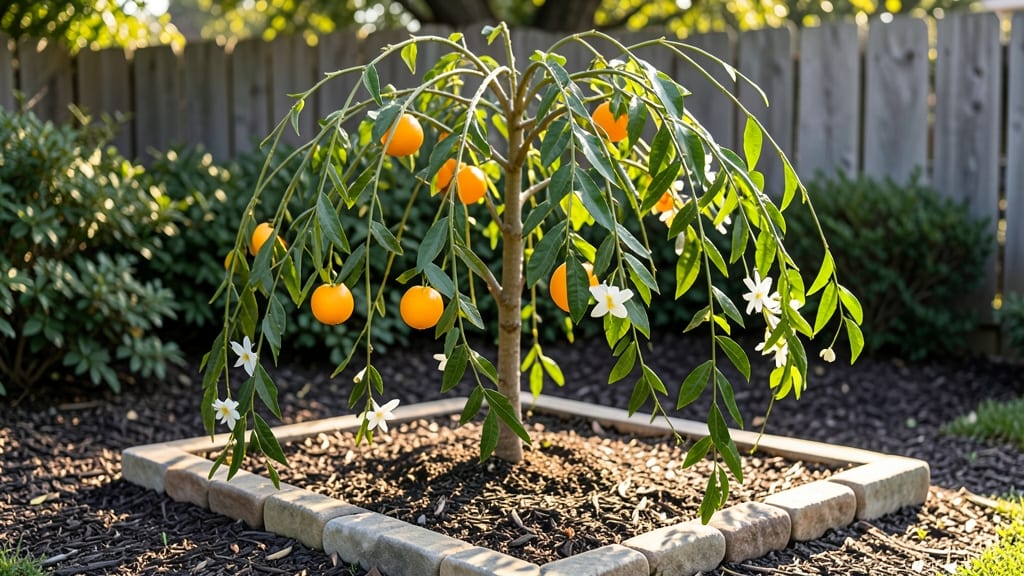
The weeping dragon orange tree transforms any garden into a sunlit grove with its cascading branches and fragrant blossoms. 🌿 I’ve nurtured mine for three years, and the secret to its lush growth lies in mimicking its natural Mediterranean climate—bright light, well-draining soil, and just enough water to keep roots happy without drowning them.
This isn’t your typical citrus—its weeping habit demands gentle pruning to shape those graceful branches while encouraging fruit production. You’ll need sharp shears, a balanced fertilizer, and patience for its slow-but-steady growth.
The payoff? A tree that stays compact enough for containers yet produces sweet, tiny oranges in cooler zones than most citrus.
By winter, you’ll have a tree that thrives indoors near a sunny window or outdoors in frost-free zones, its glossy leaves shimmering like polished coins. The real magic happens when those first blossoms appear in spring—each one a promise of harvests to come.
Whether you’re propagating from cuttings or pruning to encourage fruit, this tree rewards careful attention with beauty and bounty. Let’s get growing—your future grove starts with a single cutting.
📚 In This Guide
- What you need
- Instructions
- Tips and common mistakes
- Wrapping up and next steps
What you need
- ● Pruning shears: Bypass pruners (sharp, clean, and sanitized) for clean cuts on small branches.
- ● Loppers: For thicker branches (up to 1.5 inches in diameter).
- ● Hand pruners: For precision trimming of smaller stems.
- ● Disinfectant: 70% isopropyl alcohol or bleach solution (1 part bleach to 9 parts water) to sterilize tools.
- ○ Pruning sealant: Optional but helpful for larger cuts (e.g., Tree Wound Pruning Seal to prevent disease).
- ● Gloves: Heavy-duty gardening gloves to protect your hands from thorns and sap.
- ● Bucket or bag: For collecting pruned branches (compost or dispose of them).
- ● Timing: Prune in late winter or early spring (before new growth starts). Avoid pruning during summer heat or winter frost.
- ● Weather: Choose a dry, overcast day to minimize stress on the tree.
- ● Knowledge: Familiarize yourself with the tree’s growth habits—Weeping Dragon oranges thrive with open, airy canopies.
- ● 🔥 Sharpen your tools before starting—dull blades tear bark, inviting pests.
- ● 🌡️ Work during cooler hours (morning or late afternoon) to reduce heat stress.
- ● ✨ Label your cuts if grafting or propagating—use waterproof markers for clarity.
Step-by-Step guide for cultivating a thriving weeping dragon orange tree
Here's how to keep your citrus beauty lush and productive through every season.
🪴 Step 1: Choose the Perfect Spot and Container
This tree thrives in bright, indirect light—think east or west-facing windows or under grow lights if indoors. Avoid harsh afternoon sun, which can scorch the delicate foliage. For containers, use a 12-18 inch diameter pot with drainage holes, as the roots need room to spread but also airflow to prevent rot.
I always fill the bottom 2 inches with gravelfine or perlite for drainage, then add a well-draining citrus potting mix. The mix should feel slightly gritty—like damp sand—when squeezed. Here's the thing: Weeping Dragon trees hate soggy feet, so if your mix compacts easily, blend in 20% coarse sand to improve aeration.
☀️ Step 2: Master Light and Temperature Balance
Place your tree within 3-6 feet of a south-facing window or under LED grow lights for 12-14 hours daily. You'll notice the leaves turning pale or stretching toward the light? That's your cue to move it closer or add a stronger bulb. A south-facing window works best in winter when sunlight is weaker.
Keep temperatures between 65-75°F during the day and no lower than 55°F at night. Below 50°F, the tree goes dormant, and flowers/fruit may drop. If you're in a cooler climate, bring it indoors before frost hits. I've seen these trees recover from brief cold snaps, but prolonged chills will stress them.
💧 Step 3: Water with Precision (The Citrus Sweet Spot)
Water when the top 2 inches of soil feel dry—stick your finger in to check. Overwatering is the #1 killer, so never let the pot sit in saucers of water. Instead, water deeply until it drains from the bottom, then empty the saucer after 10 minutes. In summer, you might water every 3-4 days; in winter, every 7-10 days as growth slows.
Here's a trick I learned: Bottom-watering reduces fungal risks. Place the pot in a shallow tray of water for 15-20 minutes, then let it drain completely. The roots will pull up just what they need without wetting the leaves. Watch for yellowing leaves—that’s often a sign of overwatering, not underwatering.
✂️ Step 4: Prune for Shape and Fruitfulness
Prune in late winter or early spring before new growth starts. Use sterilized shears to trim back 1/3 of the longest branches to encourage bushier growth. The weeping habit comes naturally, but you can gently guide branches downward with soft plant ties if they’re growing too upright.
Remove any dead, yellow, or crossing branches first—they compete for energy. After pruning, give the tree a balanced citrus fertilizer (like 10-10-10) to support new growth. Real talk: Don’t over-prune in the first year. Let the tree establish its structure before heavy shaping.
🌱 Step 5: Encourage Blooms and Fruit (The Citrus Secret)
For fruit production, your tree needs consistent care—especially light and fertilizer. In spring, switch to a high-phosphorus fertilizer (like 10-20-10) to boost flowering. You’ll see tiny white blossoms in late spring, and if pollinated, tiny green oranges will form by summer.
Here’s the citrus secret: Hand-pollinate if indoors. Gently shake the branches or use a soft paintbrush to transfer pollen between flowers. Outdoor trees rely on bees, but indoor growers need to help. Once fruit sets, reduce fertilizer slightly to prevent leafy growth at the expense of fruit ripening.
Tips & tricks for perfect weeping dragon orange tree care
These practical insights will help you nurture a thriving citrus tree that rewards you with lush foliage and sweet fruit year after year.
Lighting Strategy: The 12-14 hours of daily light requirement is non-negotiable for these tropical trees. If your natural light falls short—especially in winter—supplement with a full-spectrum LED grow light placed 6-12 inches above the tree. I've found that positioning the light on a timer automates this perfectly and prevents light stress from inconsistent human habits.
Soil Science: That 20% coarse sand amendment in Step 1 isn't just about drainage—it creates air pockets that prevent root rot, which is the silent killer of container-grown citrus. Test your mix by squeezing a handful: if it holds shape like wet clay, add more sand. The gritty texture mimics the tree's natural Mediterranean habitat where water drains quickly through rocky soil.
Temperature Transition: When moving your tree outdoors in spring or back indoors in fall, do it gradually over 7-10 days. The 55°F nighttime minimum is strict—any colder and the tree's metabolic processes slow dramatically. I place my tree near a south-facing window during transitions to buffer temperature swings. Watch for leaf drop as your first warning sign of stress.
Pruning Precision: The late winter/early spring timing for pruning aligns perfectly with the tree's natural dormancy period. When trimming those 1/3 of longest branches, cut just above a leaf node at a 45-degree angle. This encourages outward growth rather than upward, which maintains that beautiful weeping habit. I sterilize my shears with rubbing alcohol between cuts to prevent disease transmission.
Pro Tips for Weeping Dragon Orange Tree
- These practical insights will help you nurture a thriving citrus tree that rewards you with lush foliage and sweet fruit year after year.
- Lighting Strategy: The 12-14 hours of daily light requirement is non-negotiable for these tropical trees.
- Soil Science: That 20% coarse sand amendment in Step 1 isn't just about drainage—it creates air pockets that prevent root rot, which is the silent killer of container-grown citrus.
Frequently asked questions
Got questions about keeping your weeping dragon orange tree thriving? Here are some of the most common concerns—and their answers!
How often should I prune my weeping dragon orange tree?
Prune your weeping dragon orange tree lightly in late winter or early spring (before new growth) to shape it and encourage fruit production. Avoid heavy pruning—just remove dead, crossing, or overcrowded branches. Pro tip: Never prune more than 25% of the tree at once to avoid stress!
Can a weeping dragon orange tree survive winter?
These trees thrive in USDA Zones 9-11 and need protection if temperatures drop below 25°F. Use frost cloth, move potted trees indoors, or mulch heavily. In colder climates, grow them in containers for easier winter relocation. Bonus: Their weeping branches add winter charm!
Why isn’t my weeping dragon orange tree producing fruit?
Fruit production often takes 3-5 years for young trees. Check these fixes:
- Sunlight: Ensure 6+ hours of full sun daily.
- Soil: Well-draining, slightly acidic soil (pH 6.0-7.0) is key.
- Fertilizer: Use citrus-specific fertilizer in early spring and summer.
- Pollination: Hand-pollinate with a soft brush if bees are scarce.
Should I grow a weeping dragon orange tree in a pot?
Yes! Potted trees offer flexibility—great for small spaces or winter protection. Use a large container (15+ gallons) with drainage holes and repot every 2-3 years. Warning: Root-bound trees may struggle to fruit, so prune roots gently during repotting.
What pests should I watch for on my weeping dragon tree?
Common pests include:
- Aphids (sap-sucking insects—blast off with water).
- Scale insects (sticky residue—scrub with soapy water).
- Citrus leaf miners (serpentine tunnels—remove infested leaves).
Prevent issues with neem oil sprays and regular inspections. Early action keeps your tree lush and pest-free!
Wrapping up and next steps
The Weeping Dragon Orange Tree is a stunning, low-maintenance addition to any garden or indoor space—when you give it the right care! With proper pruning, sunlight, and a little patience, you’ll enjoy year-round lush foliage and sweet, fragrant fruit. 🌿✨
Ready to nurture your tree’s full potential? Start by observing its growth habits and adjusting your routine seasonally. Whether you’re trimming for shape, health, or harvest, every small effort brings big rewards!
- Next step: Bookmark this guide and revisit it after each pruning session to track progress.
- Bonus tip: Share your tree’s journey with fellow plant lovers—inspiration spreads faster together! 🌱💬