
Pruning
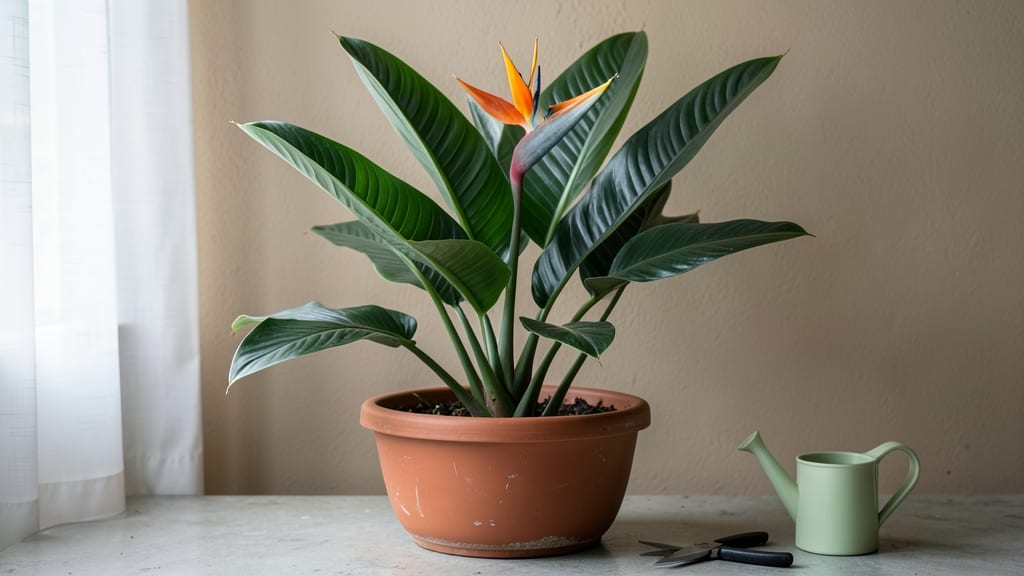
The red bird of paradise tree (Caesalpinia spp.) transforms any landscape with its bold, fiery blooms—but keeping it lush requires a smart pruning rhythm.
I’ve pruned mine every season for years, and the difference between a leggy, sparse plant and one bursting with vibrant flowers comes down to timing and technique.
This tropical beauty thrives in USDA zones 9-11, where it soaks up full sun and tolerates heat like a champ. The key to year-round pruning? Light trims after each bloom cycle to encourage new growth, plus a mid-winter cleanup to shape the tree and remove dead wood.
No shears? No problem—sharp pruners work just as well.
What you’ll end up with is a dramatically bushier tree with brighter blooms and fewer bare stems. The foliage stays dense, the flowers pop against the backdrop, and you’ll spend less time wrestling with overgrowth. Plus, pruning at the right time means fewer pests and diseases creeping in.
Works for both container-grown plants and in-ground specimens, and the same principles apply whether you’re dealing with a mature tree or a young sapling. Let’s get those blooms thriving all year.
📚 In This Guide
- What you need
- Instructions
- Tips and common mistakes
- Wrapping up and next steps
What you need
- ● Pruning shears – Sharp, bypass-style shears (for clean cuts on smaller branches).
- ● Pruning saw – For thicker branches (1+ inch in diameter).
- ● Gloves – Heavy-duty gardening gloves (to protect from thorns and sap).
- ● Disinfectant – 70% isopropyl alcohol or bleach solution (1 part bleach to 9 parts water) to sterilize tools.
- ○ Pruning sealant (optional) – For larger cuts to prevent disease (e.g., tree wound paint).
- ● Ladder – Extendable or sturdy step ladder (for taller trees, 6+ feet).
- ● Trash bags or bucket – For collecting pruned branches and debris.
- ● Garden hose or spray bottle – To clean tools and rinse sap off hands.
- ● Safety first! Wear long sleeves/pants to avoid thorns and sap irritation.
- ● Best timing – Prune after blooming (late winter to early spring) for optimal regrowth.
- ● Weather check – Avoid pruning during wet or windy conditions to reduce stress on the tree.
- ● Tree health – Inspect for pests/diseases (e.g., aphids, fungal spots) before pruning.
- ● 🔥 Sharp tools = happy tree! Dull shears crush branches, inviting infections.
- ● ✂️ Cut at a 45° angle just above a leaf node or bud for best regrowth.
- ● 🌡️ Work in the shade if temperatures exceed 85°F (29°C) to avoid heat stress.
Step-by-Step guide to pruning your red bird of paradise tree
Here’s how to keep your plant thriving with seasonal trims that boost blooms and shape growth.
Prune After Spring Blooms Fade
Once the vibrant red-orange flowers have finished blooming—usually in late spring—cut back spent flower stalks to the nearest leaf node. Use clean, sharp pruners to avoid tearing stems. This redirects energy to new growth rather than seed production. I like to do this within a week of blooms wilting, so the plant doesn’t waste resources on dying flowers.
Look for stems that have lost their color and feel dry to the touch. These are ready for removal. Avoid cutting into healthy green growth—this can stress the plant. If you’re unsure, wait another week before pruning that section. The goal is to maintain the tree’s natural shape while encouraging fresh foliage.
Lightly Trim in Early Summer for Airflow
In early summer, focus on thinning out crowded branches to improve airflow and reduce disease risk. Remove any branches that cross or rub against each other, as these can create wounds where pests or fungi enter. I target branches that are growing inward toward the center of the plant, as they block sunlight from reaching inner leaves.
Keep cuts at a 45-degree angle just above a leaf node or outward-facing bud. This encourages new growth to sprout in the right direction. Avoid over-pruning—never remove more than one-third of the plant’s foliage at once. Your bird of paradise is resilient, but drastic cuts can weaken it for the next blooming season.
Shape and Maintain Through Fall
As temperatures cool in fall, use this time to refine the tree’s shape rather than remove large sections. Trim any leggy or overgrown branches that disrupt the plant’s balanced form. I often focus on the lower branches first, as these can become too dense and block sunlight from reaching the base.
Watch for branches that grow at sharp angles or appear weak. These are prime candidates for removal before winter. Make cuts just above a healthy bud or leaf node to promote even regrowth. Avoid heavy pruning now—wait until spring for major structural changes. The goal is to prepare the plant for dormancy with a clean, aerodynamic shape.
Minimal Winter Pruning for Health
In winter, limit pruning to removing only dead, damaged, or diseased branches. The plant is semi-dormant, so it’s best to avoid stressing it further. Look for brown, crispy leaves or branches that snap easily when bent—these are clear signs of dead wood. Cut these back to the nearest healthy growth.
If you notice any branches with blackened or mushy spots, prune these immediately to prevent fungal spread. Sterilize your pruners with rubbing alcohol between cuts to avoid cross-contamination. Winter is also a good time to clean up fallen debris around the base, as this can harbor pests or diseases that affect new growth in spring.
Tips & tricks for pruning your red bird of paradise tree
Here's what I've learned after years of keeping these striking plants—small adjustments make all the difference in keeping your bird of paradise thriving.
Timing is Everything: In Step 1, don't rush to prune those spent blooms. The key is waiting until they've completely faded and dried out—usually about a week after they wilt. This ensures you're not cutting into any hidden buds that might still be developing. I've seen people prune too early and accidentally remove potential next-season flowers.
Tool Preparation Matters: Before you start any pruning, sterilize your pruners with rubbing alcohol. This is especially important in Step 4 when dealing with diseased branches. I keep a small bottle of alcohol in my gardening toolkit and wipe down blades between cuts. Clean tools prevent spreading fungal infections that can weaken your plant over time.
Visual Cues for Healthy Cuts: When making those 45-degree angle cuts in Step 2, look for the bright green leaf node just above where you'll cut. This is where new growth will emerge. The node should be plump and firm—not shriveled or brown. If you're unsure, make a small test cut on a less visible branch first to see how your pruners perform.
Seasonal Pruning Strategy: Remember that fall pruning in Step 3 is all about refinement, not drastic changes. I like to think of it as giving my plant a "haircut" rather than a "haircut and shave." Focus on removing only the branches that are truly disrupting the plant's shape or blocking light. This approach maintains the plant's natural energy reserves for winter.
Pro Tips for Red Bird Of Paradise Tree
- Here's what I've learned after years of keeping these striking plants—small adjustments make all the difference in keeping your bird of paradise thriving.
- Timing is Everything: In Step 1, don't rush to prune those spent blooms.
- Tool Preparation Matters: Before you start any pruning, sterilize your pruners with rubbing alcohol.
Frequently asked questions
When is the best time to prune for blooms?
The ideal time to prune for vibrant blooms is right after flowering (late spring to early summer). This encourages new growth and prepares the tree for its next bloom cycle. Light trimming can also be done in early fall to shape the tree without stressing it before winter.
Can I prune my Red Bird of Paradise Tree in winter?
Minimal winter pruning is fine, but avoid heavy cuts during dormancy (Dec–Feb). Cold weather slows healing, increasing disease risk. If you must prune, remove only dead or damaged branches. Wait until early spring for major shaping or bloom-stimulating cuts.
How much can I trim without harming the tree?
You can safely remove up to 25–30% of the tree’s foliage in one session, but avoid over-pruning. Focus on:
- Dead or crossing branches
- Overcrowded growth
- Leggy stems to encourage bushiness
For dramatic reshaping, spread trims over two seasons to reduce stress.
Why are my leaves turning yellow after pruning?
Yellowing leaves post-pruning are often normal as the tree adjusts. However, if it’s widespread or paired with wilting, check for:
- Overwatering (let soil dry slightly between waterings)
- Pests (inspect for aphids or spider mites)
- Nutrient deficiency (add balanced fertilizer in spring)
Give the tree 4–6 weeks to recover before pruning again.
Are there drought-tolerant alternatives to Red Bird of Paradise?
If you love the bold blooms but need low-maintenance options, consider:
- Desert Bird of Paradise (Caesalpinia mexicana) – Drought-resistant with similar orange-red flowers.
- Texas Ranger (Leucophyllum frutescens) – Thrives on neglect, blooms after rain.
- Bougainvillea – Vibrant, heat-loving, and minimal-pruning.
All three handle pruning similarly but require less frequent cuts than Red Bird of Paradise.
Wrapping up and next steps
The Red Bird of Paradise Tree is a stunning addition to any garden, and with the right pruning techniques, you can keep it thriving year-round! 🌿 By mastering seasonal pruning, deadheading, and shaping, you’ll ensure vibrant blooms and robust growth.
Remember, patience and consistency are key—your tree will reward you with breathtaking beauty!
Ready to take the next step? Grab your pruners and schedule a quick check-in with your tree every few months! Whether you’re a beginner or a seasoned gardener, every little trim makes a difference. Happy pruning—your garden will thank you! 🌸