
Pruning
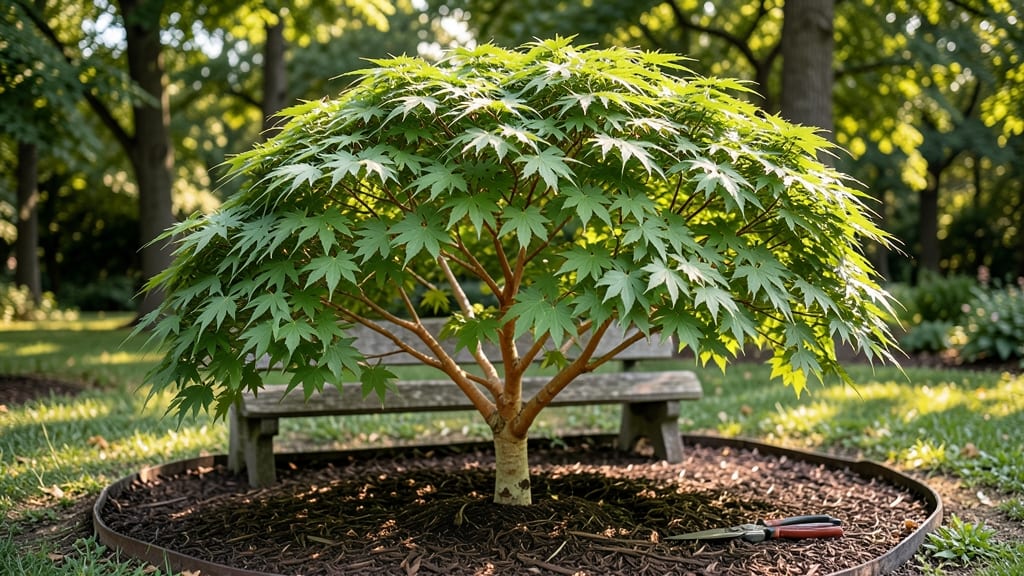
The green leaf maple tree thrives in the Pacific Northwest’s chilly winters, and I’ve learned its secret to staying vibrant through frost—pruning at the right time.
This tree isn’t just hardy; it’s a showstopper with its brilliant fall colors and lush foliage, but only if you prune it correctly to encourage strong growth and prevent disease. My first winter nearly killed mine until I discovered the frost-resistant pruning blueprint that keeps it thriving year after year.
You’ll need sharp pruning shears, a ladder for taller branches, and a clear day when the tree isn’t stressed by heat or drought—typically late winter or early spring before new buds swell. The soil should be damp but not soggy, and the branches should feel firm, not brittle from cold.
This tree loves well-draining, slightly acidic soil and at least 6 hours of sunlight daily, though it tolerates partial shade if the climate is hotter than the PNW’s typical damp chill.
With the right cuts—just above a bud or branch collar—you’ll see new growth emerge within 4-6 weeks, and the tree will reward you with dense, glossy green leaves that turn fiery red and orange in fall.
The key is thinning out crowded branches to improve airflow, which prevents fungal issues common in wet winters. Once you master this, your green leaf maple becomes the standout tree in any yard, offering shade, beauty, and minimal fuss.
This method works for all green leaf maple varieties, whether you’re growing the classic Acer palmatum or a hybrid like ‘Bloodgood.’ The same principles apply whether your tree is a young sapling or a mature specimen—just scale the pruning tools accordingly.
Let’s get your tree looking its best for seasons to come.
📚 In This Guide
- What you need
- Instructions
- Tips and common mistakes
- Wrapping up and next steps
What you need
- ● Bypass pruners: Sharp, clean pair (for cuts under ½ inch thick). Pro tip: 💡 Lubricate blades with oil to prevent rust!
- ● Loppers: 6–8 inch bypass or anvil type (for branches ½–2 inches thick).
- ● Pruning saw: Curved-tooth saw (for branches 2+ inches thick). Pro tip: 🔥 Sanitize with rubbing alcohol between cuts!
- ● Extension pole: 6–10 ft (for high branches).
- ● Gloves: Heavy-duty, cut-resistant (protects from thorns and sap).
- ● Rubbing alcohol (70%+) or bleach solution: 1 part bleach to 9 parts water (for sterilizing tools).
- ○ Pruning sealant (optional): Tree wound dressing (for large cuts > 2 inches).
- ○ Ladder (optional): Sturdy, extendable (if branches exceed 10 ft).
- ● Disposable bags or bucket: For collecting debris.
- ● Timing: Prune in late winter or early spring (before buds swell) or summer (after flowering). Avoid pruning in fall—it invites disease!
- ● Weather: Choose a dry, calm day (no rain forecasted for 24 hours).
- ● Safety gear: Safety glasses (to shield from falling debris).
- ● Tree health check: Inspect for diseased or dead branches before starting.
Instructions for planting and pruning green leaf maple trees in the Pacific Northwest
Here’s how to establish your maples for long-term resilience against our region’s frosts and wet winters.
Choose the Right Planting Site and Prepare the Soil
Green leaf maples thrive in well-draining soil with partial to full sun—at least 6 hours of sunlight daily. In the Pacific Northwest, morning sun and afternoon shade work best to prevent leaf scorch. Avoid low spots where cold air pools, as these trees are frost-sensitive when young.
Test your soil’s drainage by digging a 12-inch hole and filling it with water. If it drains in under 30 minutes, the site is suitable. If not, amend the soil with 2 inches of compost and 1 inch of coarse sand to improve aeration. I always mix these in a 3-foot radius around the planting area to ensure roots have room to spread.
Plant Your Sapling at the Correct Depth and Stake for Stability
Dig a hole twice as wide as the root ball but only as deep—never deeper—to prevent root suffocation. Gently remove the sapling from its container and loosen any circling roots with your fingers. Place it in the hole so the top of the root ball sits level with the surrounding soil (no burying the trunk).
Backfill with native soil, tamping lightly every 2 inches to eliminate air pockets. Water deeply to settle the soil, then stake the tree if needed—especially in windy PNW sites. Use two stakes placed 6 inches from the trunk and tie loosely with soft tree ties (never wire). This prevents stem damage as the tree matures.
Prune for Structure and Frost Resistance in Early Spring
Wait until late March or early April, after the last frost but before leaves emerge, to prune. Remove dead, crossing, or weak branches first—these are the biggest frost risks. Cut just outside the branch collar (the swollen area where the branch meets the trunk) using clean, sharp pruners. I always sterilize my tools with rubbing alcohol to prevent disease spread.
Thin the canopy to allow sunlight to reach the center, which improves air circulation and reduces frost pockets. Aim for a balanced shape with no branches growing straight upward—these are prone to winter breakage. Never remove more than 25% of the foliage in one season, or the tree’s energy reserves will be depleted.
Mulch and Water to Protect Roots Through Winter
Apply a 3-inch layer of mulch (wood chips or shredded bark) in a 3-foot-wide ring around the base, keeping it 6 inches away from the trunk. This insulates roots from temperature swings and retains moisture. In the PNW’s wet climate, mulch also prevents soil compaction from heavy rains.
Water deeply once a month during the first growing season (unless rain provides 1 inch weekly). After establishment, maples are drought-tolerant but still need consistent moisture during dry spells. In winter, avoid overwatering—let the soil dry slightly between waterings to prevent root rot in cold, saturated soil.
Monitor for Frost Damage and Adjust Pruning Annually
In early spring, check for brown, crispy leaves or blackened twigs—signs of frost damage. Prune these out immediately, as dead wood attracts pests. If the tree loses more than 50% of its leaves, it may need extra care that season, like fertilizer (use a balanced 10-10-10 in early spring).
Every 2–3 years, reassess the tree’s structure. Remove water sprouts (fast-growing vertical shoots) and suckers (shoots from the base) to maintain energy for strong growth. In the PNW, this keeps your green leaf maple healthy, frost-resistant, and beautiful for decades.
Tips & tricks for perfect green leaf maple tree planting and pruning
These practical tips will help you establish a thriving green leaf maple that thrives in our region's challenging climate.
Site Selection Insight: When evaluating your planting spot, pay close attention to microclimates. The Pacific Northwest's coastal areas often experience milder winters than inland locations, but even within a yard, some spots get more frost protection. I've found that planting near south-facing walls or fences can add valuable warmth during cold snaps, especially important for young trees that are more frost-sensitive.
Root Health Strategy: During Step 1 when preparing your soil, consider adding a layer of coarse perlite to the bottom of your planting hole—about 1 inch mixed with the compost. This creates better drainage at the root level, which is crucial in our wet climate. The 30-minute drainage test is critical, but remember that even well-draining soil can become compacted over time, so I like to add a handful of perlite to the backfill soil as well.
Pruning Precision: In Step 3 when pruning, look for branches that form a "V" shape where they meet the trunk—these are called "included bark" branches and should be removed immediately. They create weak points where disease can enter. Also, when thinning the canopy, aim to create an open center that's about 20-30% of the tree's diameter—this allows sunlight to reach the inner branches while maintaining the tree's natural shape.
Winter Protection Technique: For Step 4's mulching, consider using a two-layer mulch system in particularly cold winters. Start with a 1-inch layer of coarse wood chips closest to the trunk, then add your 3-inch layer of finer mulch. This creates better insulation against temperature swings. Also, in windy areas, I've found that wrapping young trees with tree guards during the first winter helps prevent frost damage to the bark.
Pro Tips for Green Leaf Maple Tree
- These practical tips will help you establish a thriving green leaf maple that thrives in our region's challenging climate.
- Site Selection Insight: When evaluating your planting spot, pay close attention to microclimates.
- Root Health Strategy: During Step 1 when preparing your soil, consider adding a layer of coarse perlite to the bottom of your planting hole—about 1 inch mixed with the compost.
Frequently asked questions
Got questions about nurturing your green leaf maple tree in the Pacific Northwest? You’re not alone! Here are answers to the most common concerns—from pruning to pests—so you can keep your tree thriving with confidence.
When is the best time to prune a green leaf maple tree?
Prune your green leaf maple in late winter or early spring (February–March) before new growth begins. This timing minimizes stress and reduces disease risk. Avoid pruning in fall or summer, as late cuts can expose the tree to frost damage or pest invasions. Pro tip: If you must prune in summer, do it on a cool, overcast day to protect the tree.
How much can I trim without harming the tree?
Never remove more than 25% of the tree’s canopy in a single pruning session. Green leaf maples are resilient, but aggressive pruning can weaken the tree or invite disease. Focus on dead, diseased, or crossing branches first, then shape lightly. For mature trees, spread pruning over 2–3 years if heavy cuts are needed.
What pests or diseases should I watch for in PNW green leaf maples?
The most common threats include:
- Aphids or spider mites: Look for sticky residue (honeydew) or webbing on leaves. Treat with neem oil or a strong water spray.
- Verticillium wilt: Yellowing leaves and wilting (often fatal). Remove infected trees immediately to prevent spread.
- Tar spot fungus: Black tar-like spots on leaves. Prune infected foliage and apply copper fungicide in spring.
Inspect your tree monthly during growing season for early signs.
Are green leaf maples truly frost-resistant in the PNW?
Yes! Green leaf maples (Acer palmatum ‘Green Cascade’) are hardy to USDA Zones 5–8, making them ideal for PNW winters (down to -20°F/-29°C). However, young trees or newly pruned branches may need winter protection (e.g., burlap wraps) if your area dips below -10°F/-23°C. Avoid heavy pruning in late fall to prevent frost damage.
Can I grow a green leaf maple in a container or small yard?
Green leaf maples thrive in 15–25 gallon containers with well-draining soil. Choose a dwarf cultivar (like ‘Green Cascade’) if space is limited—they max out at 6–8 feet tall. Use a large pot with drainage holes and repot every 2–3 years. Place in partial shade to avoid leaf scorch, and water deeply when the top inch of soil dries.
Wrapping up and next steps
The green leaf maple tree is a stunning, low-maintenance addition to your Pacific Northwest landscape—especially when you master its pruning!
With the right tools, timing, and techniques, you’ll keep it healthy, vibrant, and frost-resistant for years. Your next step? Grab your pruners, mark your calendar for late winter or early spring, and give your tree the care it deserves. Happy pruning—your future shade will thank you! 🌿✂️