
How To
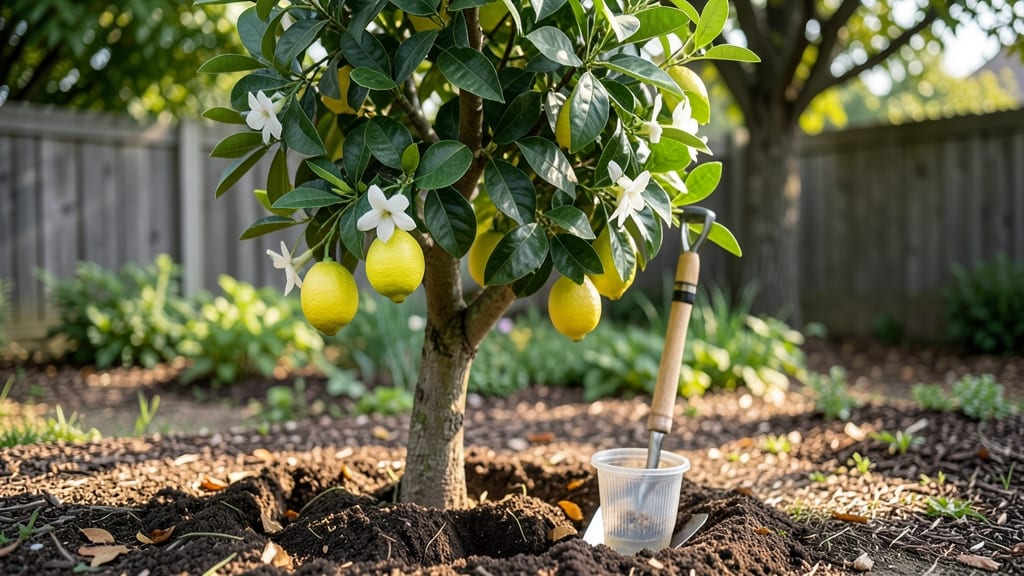
Transplanting a lemon tree feels like moving a temperamental roommate—get it wrong, and you’ll deal with months of recovery. 🌱 The key is timing, soil prep, and handling those delicate roots like they’re made of glass.
I’ve moved three lemon trees in the last five years, and the ones I transplanted in early spring with the right soil mix are now thriving while the others took a year to bounce back.
Start with the basics: a container 2-3 inches larger than the root ball, well-draining citrus soil mix, and a sunny spot that gets at least 6 hours of light daily.
The real work happens when you loosen the roots gently—never force them—and bury the tree just as deep as it was before. Water deeply right after transplanting, and keep the soil moist but not soggy for the first two weeks. That’s when roots establish or fail to.
📚 In This Guide
- What you need
- Instructions
- Tips and common mistakes
- Wrapping up and next steps
What you need
- ● New pot or garden space: Choose a container 2-4 inches larger in diameter than the current root ball (or a sunny, well-draining garden spot if planting outdoors). Ensure it has drainage holes!
- ● High-quality potting mix: Use a blend specifically for citrus or acid-loving plants (or mix 50% cactus/succulent soil with 50% perlite or sand for DIYers). Avoid garden soil—it’s too dense!
- ● Pruning shears or sharp knife: Sterilize with rubbing alcohol to prevent disease. Bonus: A hand saw if roots are deeply tangled.
- ● Garden trowel or spade: For digging and loosening roots gently.
- ● Watering can or hose with a gentle spray nozzle: Lemon trees hate soggy roots—avoid heavy pressure!
- ● Organic fertilizer (balanced or citrus-specific): Look for a 10-10-10 or 8-3-9 NPK ratio to kickstart growth post-transplant.
- ○ Root stimulator (optional but helpful): Products like mycorrhizal fungi or seaweed extract can boost recovery.
- ● Mulch (pine bark or straw): Apply a 2-inch layer around the base (not touching the trunk) to retain moisture.
- ● Support stake or trellis: If your lemon tree is top-heavy, a bamboo stake can prevent tipping.
- ● Plant hormone rooting gel: Dab on cut roots if your tree looks extra stressed.
- ● Gloves and knee pads: Because citrus thorns and dirty knees are no joke! 😉
Step-by-Step instructions for transplanting a lemon tree
Here's how to move your lemon tree with minimal shock and maximum success.
🪴 Step 1: Prepare the New Location
Choose a spot with full sun exposure (6-8 hours daily) and well-draining soil. Lemon trees hate soggy roots, so if your yard has heavy clay, amend the area with 1-2 inches of compost mixed into the top 12 inches of soil. Dig a hole twice as wide as the root ball but only as deep as the container your tree currently sits in—this prevents burying the graft union, which causes rot.
Water the hole thoroughly before planting. You'll know it's ready when the soil feels moist but not waterlogged. I like to add a handful of slow-release citrus fertilizer to the bottom of the hole—this gives the tree a nutrient boost right when it needs it most. Real talk: Skipping this step means your tree will struggle for weeks while it recovers.
🌿 Step 2: Carefully Remove the Tree from Its Current Pot
Water the tree the day before transplanting to reduce root damage. Gently squeeze the sides of the pot while tilting it to loosen the root ball. If the tree is stuck, slide a knife around the inside edges to break the seal. Once free, inspect the roots—healthy roots should be white or light tan, not brown or mushy. If you see circling roots (roots growing in a tight circle), tease them apart gently with your fingers.
Here's the thing—don't rush this part. If the root ball crumbles easily, it's been root-bound. In that case, spread the roots outward slightly before placing the tree in the hole. This encourages them to grow outward instead of staying compacted. If a few roots break, don't panic—it's better than forcing a massive root ball into a small hole.
💧 Step 3: Plant and Water Deeply
Place the tree in the hole so the top of the root ball sits 1 inch above ground level. This prevents water from pooling around the stem. Fill the hole with native soil, pressing lightly to remove air pockets but not compacting too firmly. A slight depression around the base helps direct water to the roots during watering.
Water deeply right after planting—1-2 gallons for a small tree, more for larger ones—until water drains from the bottom of the hole. This settles the soil and eliminates air gaps. Mulch the base with 2-3 inches of organic mulch, keeping it 3 inches away from the trunk to prevent rot. The mulch keeps roots cool and retains moisture, which is critical during the first few weeks.
☀️ Step 4: Provide Support and Monitor Recovery
Stake the tree if it's top-heavy or in a windy area. Use soft ties to secure the trunk without constricting growth. Lemon trees are sensitive to stress, so avoid heavy pruning for at least 4-6 weeks. Instead, focus on keeping the soil consistently moist—water when the top 2 inches of soil feel dry. You'll see new growth within 4-8 weeks if everything goes well.
Watch for signs of transplant shock: yellowing leaves, wilting, or leaf drop. These are normal at first, but if they persist beyond 2-3 weeks, your tree may need extra care. A light application of fish emulsion fertilizer can help if growth stalls. Here's where it gets fun—once the tree establishes, you'll notice new leaves emerging with a vibrant green color, signaling it's thriving.
Tips & tricks for perfect lemon tree transplanting
Moving a lemon tree successfully isn't just about digging a hole—it's about understanding what your tree needs to thrive after the stress of transplanting.
Root Health First: In Step 2, when you're removing the tree, pay special attention to the roots. Healthy roots should be white or light tan—never brown or mushy. If you notice circling roots (common in container-grown trees), gently tease them apart with your fingers. This prevents the roots from growing in a tight circle and encourages outward growth once planted. Don't be afraid to trim any severely damaged roots—they won't recover and could harm the rest of the tree.
Soil Preparation Matters: The instructions mention amending heavy clay soil with 1-2 inches of compost, but here's what nobody tells you—test your soil first. If you're unsure about drainage, do a simple test: Dig a small hole, fill it with water, and see how long it takes to drain. If water pools for more than an hour, you definitely need to improve drainage. Adding perlite or coarse sand to the amended soil can make a world of difference for lemon trees that hate soggy feet.
Timing is Everything: The 6-8 hours of daily sun mentioned in Step 1 is non-negotiable, but here's the secret: Morning sun is more important than afternoon sun for lemon trees. They prefer gentle morning sunlight that warms them gradually. If you're transplanting in summer, consider providing afternoon shade for the first week or two while the tree recovers. You can use shade cloth or even a temporary structure to protect it from intense afternoon rays.
Post-Transplant Care: After planting, the instructions recommend watering deeply with 1-2 gallons for small trees. Here's my pro move: Water again in 3-4 days, then again in 7-10 days. This establishes a consistent moisture pattern that helps roots establish without creating waterlogged conditions. Think of it like giving your tree a drink schedule—consistency is key during those critical first few weeks.
Pro Tips for Transplant A Lemon Tree
- Moving a lemon tree successfully isn't just about digging a hole—it's about understanding what your tree needs to thrive after the stress of transplanting.
- Root Health First: In Step 2, when you're removing the tree, pay special attention to the roots.
- Soil Preparation Matters: The instructions mention amending heavy clay soil with 1-2 inches of compost, but here's what nobody tells you—test your soil first.
Frequently asked questions
Got questions about transplanting your lemon tree?
You’re not alone! Here are answers to the most common concerns—from timing to troubleshooting—to ensure your citrus thrives after the move.
When is the best time to transplant a lemon tree?
The ideal window is late winter or early spring (before new growth starts) or early fall (6–8 weeks before frost). Avoid extreme heat or cold—root systems are most resilient in mild weather. If you must transplant in summer, do it on a cloudy day to reduce stress.
How do I know if my lemon tree is ready to be transplanted?
Look for these signs:
- Root-bound roots: Circling or tightly packed roots peeking from drainage holes.
- Slow growth: Fewer leaves or flowers than usual.
- Pot size: Roots fill 70–80% of the container (time for an upgrade!).
Can I transplant a lemon tree that’s already fruiting?
Yes, but proceed with caution! Mature trees with fruit are more vulnerable to stress. Prune back 20–30% of the canopy before transplanting to reduce water needs. Expect a temporary pause in fruiting—patience pays off as roots establish (usually 4–6 weeks).
What if my lemon tree’s leaves turn yellow after transplanting?
Yellowing leaves are normal for 2–4 weeks post-transplant due to transplant shock. However, if it persists or spreads:
- Check for overwatering (soggy soil = root rot).
- Inspect for pests (aphids, spider mites) or nutrient deficiency (add citrus-specific fertilizer).
- Ensure proper sunlight (6+ hours daily) and well-draining soil.
Is it better to transplant a lemon tree in its pot or bare-root?
It depends on the tree’s size and health:
- Potted trees: Easier to handle and less root damage. Gently loosen roots before planting.
- Bare-root trees: Best for large or mature trees (3+ years old). Soak roots in water for 1–2 hours before planting to revive them.
How can I help my lemon tree recover faster after transplanting?
Boost recovery with these pro tips:
- Shade cloth: Use 30–50% shade for 1–2 weeks to reduce sun stress.
- Deep watering: Water slowly until it drains from the bottom (no puddles!).
- Temperature control: Avoid drafts or temperature swings (keep between 60–85°F).
- Root stimulator: Add a mycorrhizal fungus or seaweed extract to the planting hole.
Wrapping up and next steps
Transplanting your lemon tree doesn’t have to be intimidating—with the right timing, tools, and care, you can give it a fresh start for years of luscious fruit and vibrant growth. 🌱 Remember, patience and gentle handling are key, whether you’re moving a potted sapling or an established tree.
Now that you’re armed with these stress-free steps, take the plunge and watch your citrus companion thrive!
Ready to see your lemon tree flourish? Start by monitoring its progress—adjust watering, sunlight, and soil as needed, and soon, you’ll be harvesting sweet lemons of your own! 🍋