
Pruning
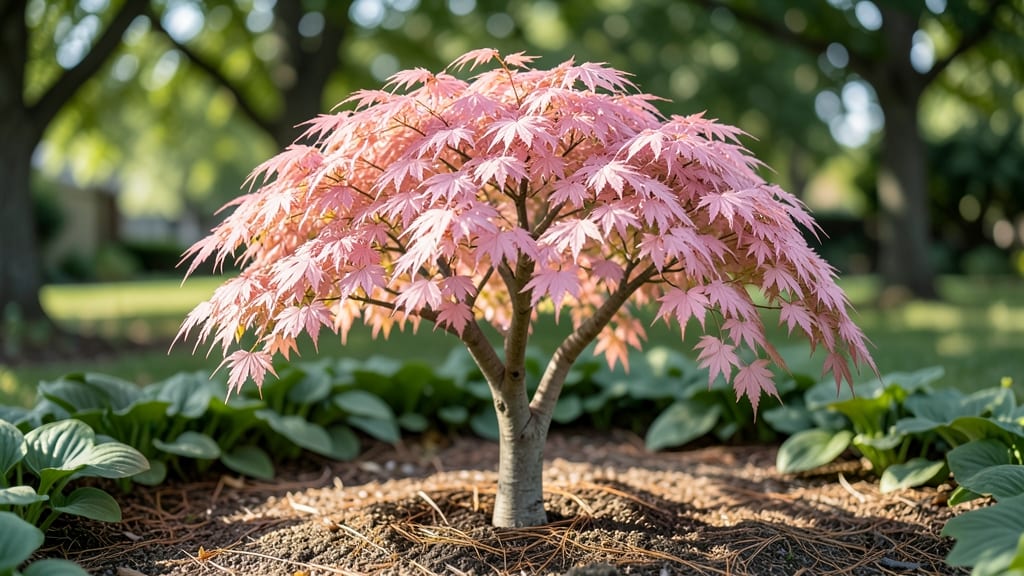
The stunning pink Japanese maple tree transforms every season into a postcard moment—year-round color without the fuss of constant pruning. I still remember the first time I saw one in full spring bloom, its delicate leaves unfurling like stained glass catching morning light.
This isn’t just a tree; it’s a living centerpiece that works as hard as it looks, thriving in partial shade where other plants struggle.
The real magic lies in its versatility—whether you tuck it into a shady corner, plant it in a large container on your patio, or use it as a focal point near a water feature.
Pair it with hostas for contrast or mossy rocks to highlight its graceful form. Even in winter, its peeling bark and burgundy tones add structure to the garden, proving beauty doesn’t need to be seasonal.
Minimal pruning means less work for you and more drama for your landscape. A light trim in late winter keeps its natural shape, while strategic placement ensures it steals the show without stealing sunlight from neighbors.
The result? A tree that feels like a masterpiece, not a chore—one that rewards you with color from snowy winters to golden autumns without demanding your attention.
For small spaces, dwarf varieties like 'Pink Fantasy' fit perfectly in containers, while larger cultivars anchor garden beds like a living sculpture. The key is letting it grow its own way—just step back and admire how it transforms your outdoor space into a serene, ever-changing tableau.
Here’s how to make it the star of your garden effortlessly.
📚 In This Guide
- What you need
- Instructions
- Tips and common mistakes
- Wrapping up and next steps
What you need
- ● Pruning shears: Bypass pruners (sharp, clean, and disinfected with rubbing alcohol or a 10% bleach solution). Quantity: 1 pair (for small branches).
- ● Loppers: For thicker branches (½"–1.5" diameter). Quantity: 1 pair.
- ● Hand saw: For stubborn, larger branches (1.5"+ diameter). Spec: Pruning saw with a fine-toothed blade.
- ● Gloves: Heavy-duty gardening gloves (cut-resistant for safety). Quantity: 1 pair.
- ● Disinfectant: 70% isopropyl alcohol or diluted bleach (1 part bleach to 9 parts water). Quantity: Small spray bottle or cloth.
- ○ Pruning sealant: Optional but helpful for larger cuts (e.g., Tanglefoot Tree Wound Pruning Sealer). Quantity: Small bottle.
- ● Ladder or stool: If your tree is taller than 6 feet. Spec: Sturdy, non-slip model.
- ● Trash bags: For collecting debris. Quantity: 1–2 large bags.
- ● Timing: Prune during dormant season (late fall/winter) or early spring (before buds swell). Avoid pruning when the tree is stressed (e.g., extreme heat or drought).
- ● Weather check: Choose a dry, overcast day (humidity slows healing).
- ● Tree health assessment: Inspect for diseased or dead branches (they’ll be brittle and may snap easily).
- ● Safety first: Wear long sleeves/pants to avoid scratches from thorns, and avoid working alone if the tree is large.
- ● Extension pole pruners: For high branches without a ladder.
- ● Tree paint: Water-based sealant for large cuts (controversial but some gardeners swear by it).
- ● Notebook & pen: To sketch your pruning plan or track progress.
- ● Mulch: Shredded bark or wood chips to protect the root zone post-pruning.
How to care for a pink Japanese maple tree for stunning year-round color
This graceful tree thrives with simple attention—just a few key steps keep its delicate pink foliage vibrant all season.
🌱 Step 1: Choose the Perfect Planting Spot for Sun and Shelter
Pink Japanese maples need dappled sunlight—at least 4-6 hours of morning sun and afternoon shade. Too much direct afternoon sun scorches their leaves, while too little light dulls the pink hues. I always plant mine near a building or under taller trees to filter harsh midday rays.
Shelter from strong winds is critical—these trees have delicate branches that can snap in gusts. A spot near a fence or hedge works perfectly. Test your location by observing how sunlight moves across the area throughout the day. If the ground stays dry and warm, it’s likely too exposed.
☀️ Step 2: Plant with Proper Soil and Watering for Strong Roots
Use well-draining, slightly acidic soil (pH 5.5-6.5). Amend heavy clay with 2-3 inches of compost mixed into the top 12 inches of soil. Pink Japanese maples hate soggy roots, so avoid low-lying areas where water pools. If your soil drains poorly, raise the planting area by 2-3 inches with a mound of soil.
Water deeply right after planting—soak the root ball until water runs out the drainage holes. Then, water every 2-3 days until new growth appears. After establishment (about 6 weeks), water once a week unless rainfall provides 1 inch of moisture. Overwatering causes yellow leaves, while underwatering leads to crispy edges.
✂️ Step 3: Prune for Shape and Health—Only When Necessary
Pink Japanese maples need minimal pruning—just remove dead, crossing, or rubbing branches in late winter or early spring before new growth starts. Never prune in fall, as this encourages tender new growth that won’t survive winter. Use clean, sharp pruners to make cuts just above a bud or branch collar.
For shaping, focus on opening the canopy to allow light to reach the center. Remove no more than 25% of the foliage in one season—these trees respond poorly to heavy pruning. If you notice weak, leggy growth, it’s a sign of too much shade or over-fertilizing. A light trim in spring keeps the tree’s natural grace intact.
🪴 Step 4: Protect and Nourish for Year-Round Beauty
Mulch around the base with 2-3 inches of organic mulch (like shredded bark) to retain moisture and regulate soil temperature. Keep mulch 6 inches away from the trunk to prevent rot. In winter, add a 4-6 inch layer of mulch to insulate roots from freezing temperatures.
Fertilize once in early spring with a balanced, slow-release fertilizer (10-10-10). Avoid high-nitrogen fertilizers, which promote leafy growth at the expense of vibrant color. If your tree looks pale or grows slowly, a light application of iron chelate can restore lush pink hues. Test soil every 2-3 years to monitor pH and nutrient levels.
⏰ Step 5: Watch for Pests and Diseases Early
Pink Japanese maples are relatively pest-resistant, but aphids, spider mites, and scale can appear. Spray with neem oil if you spot sticky residue (honeydew) on leaves or tiny webs. For fungal issues like powdery mildew, improve airflow by pruning dense branches and avoid overhead watering.
Yellowing leaves often signal overwatering or poor drainage. If the soil stays soggy for days, the roots may rot. Brown leaf edges usually mean underwatering or dry air—increase humidity with a pebble tray or misting in dry climates. Act quickly if you see wilting, as these trees recover slowly from stress.
Tips & tricks for perfect pink Japanese maple tree care
These simple yet game-changing tips will help you keep your pink Japanese maple thriving with vibrant color all year.
Sunlight Strategy: The 4-6 hours of morning sun in Step 1 is non-negotiable for that stunning pink color. If your yard only gets afternoon sun, consider planting near a north-facing wall or using sheer curtains on a patio to diffuse light. I've seen trees in full afternoon sun lose their pink hue within months—it's worth testing locations before planting.
Soil Preparation Secret: For the well-draining soil in Step 2, I recommend mixing in 1 part perlite to the 2-3 inches of compost when amending heavy clay. This creates tiny air pockets that prevent root suffocation. If you're unsure about your soil's pH, grab a test kit from your local garden center—it's the difference between vibrant foliage and dull green.
Pruning Precision: When removing those dead branches in Step 3, cut at a 45-degree angle just above a bud or branch collar. This helps water run off and prevents disease. I always sterilize my pruners with rubbing alcohol between cuts—it keeps infections from spreading. And remember, those delicate branches can't handle heavy pruning, so think of it as sculpting rather than trimming.
Winter Protection: That extra 4-6 inch layer of mulch in winter is your tree's best friend in cold climates. I've seen trees survive -20°F winters with proper mulching, but without it, the roots can freeze. For extra insulation, wrap the trunk with tree guard or even burlap if you're in a particularly harsh zone. Just remove it in early spring before new growth starts.
Pro Tips for Pink Japanese Maple Tree
- These simple yet game-changing tips will help you keep your pink Japanese maple thriving with vibrant color all year.
- Sunlight Strategy: The 4-6 hours of morning sun in Step 1 is non-negotiable for that stunning pink color.
- Soil Preparation Secret: For the well-draining soil in Step 2, I recommend mixing in 1 part perlite to the 2-3 inches of compost when amending heavy clay.
Frequently asked questions
How often should I prune a pink Japanese maple tree?
Prune your pink Japanese maple once a year—ideally in late winter or early spring (before buds swell) to avoid stressing the tree. Light maintenance (removing dead branches) can be done anytime, but avoid heavy pruning in summer or fall, as it may reduce vibrant fall color. Pro tip: Use sharp, sterilized tools (like bypass pruners) to prevent disease.
Can pink Japanese maples survive winter in cold climates?
Yes! Most pink Japanese maples (like ‘Pink Cloud’ or ‘Emperor I’) thrive in USDA Zones 5-8. For colder areas (Zone 4), mulch heavily and wrap the trunk with burlap to protect from frost cracks. Avoid pruning in late fall—wait until late winter to prevent winter dieback. Bonus: Their pink hues glow beautifully against snow!
Why are the leaves on my pink Japanese maple turning yellow or brown?
Yellowing leaves often signal overwatering or poor drainage, while brown edges can mean underwatering or sunburn. Check soil moisture (it should stay consistently moist but not soggy) and ensure the tree gets morning sun + afternoon shade. Troubleshoot: Test soil pH (ideal: 5.0–6.5) and fertilize lightly in spring with acid-loving plant food.
Are there dwarf varieties of pink Japanese maples for small gardens?
Consider these space-saving options:
- ‘Pink Cloud’ – 10–15 ft tall, rounded shape, disease-resistant.
- ‘Emperor I’ – 10–12 ft, upright form, bright pink foliage.
- ‘Shishigashira’ – 6–8 ft, weeping branches, stunning fall color.
How do I prune a pink Japanese maple to encourage more pink leaves?
To enhance color, prune selectively to open the canopy for better light penetration. Remove sparse or crossing branches and thin out dense areas. Avoid shearing (which can dull color). Timing matters: Prune after the tree blooms in spring to preserve flower buds (if applicable). Result: Brighter pink hues in summer!
Wrapping up and next steps
The pink Japanese maple tree is a stunning, low-maintenance addition to any garden, offering vibrant color and delicate foliage with minimal pruning effort. Whether you're a seasoned gardener or just starting out, its resilience and beauty make it a perfect choice for year-round interest.
Ready to bring this botanical gem into your outdoor space? Start by gathering your tools, reviewing the steps, and scheduling your first pruning session—your tree (and your neighbors!) will thank you. 🌸✂️