
Orchid Care
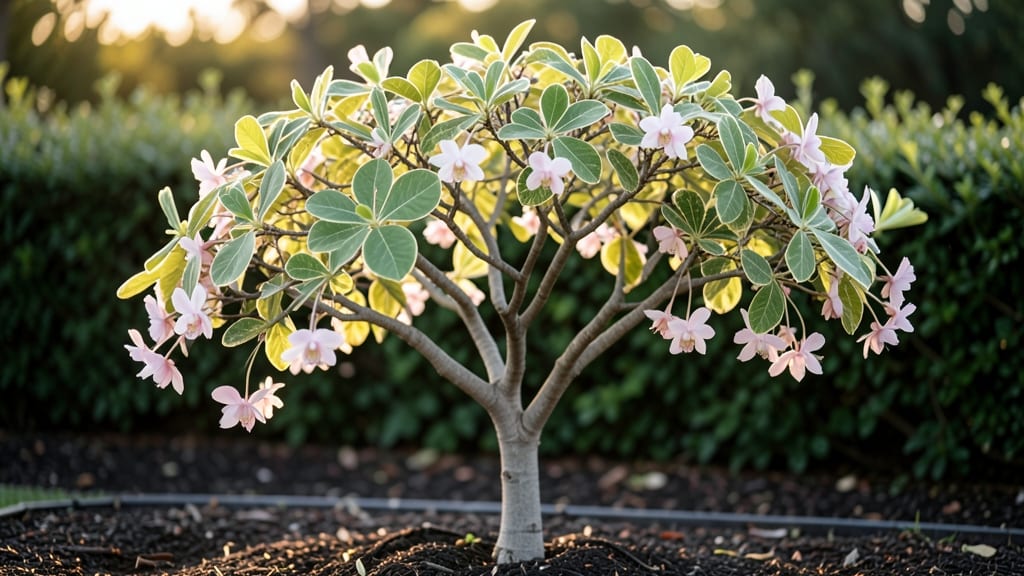
Growing an orchid tree in Florida isn’t just possible—it’s a showstopper that thrives in the heat and humidity. 🌿 I’ve watched mine explode with pink and white blooms from spring through fall, proving these trees love the Sunshine State’s climate more than many natives.
The key? Mimicking their natural habitat with well-draining soil and just enough shade to keep them from wilting under the midday sun.
Your orchid tree needs fast-draining soil—think 60% potting mix, 30% perlite, and 10% sand—to prevent root rot, which is a real risk in Florida’s heavy rains.
A morning sun, afternoon shade spot works best, and watering only when the top inch of soil feels dry keeps roots happy without drowning them. Native varieties like Bauhinia purpurea handle humidity like a champ, but even tropical species adapt well with the right care.
By summer’s end, you’ll have a tree heavy with fragrant blooms that attract butterflies and hummingbirds—something store-bought plants can’t compete with. Pruning after blooms fade keeps the shape tidy and encourages even more flowers next season.
The only real challenge? Watching for scale insects in the heat, but a quick spray of neem oil keeps them in check.
Whether you’re planting in a container for patio charm or in the ground for a tropical vibe, this tree delivers year-round interest with minimal fuss. Florida’s heat and humidity become its superpowers when you give it the right conditions. Let’s get yours thriving!
📚 In This Guide
- What you need
- Instructions
- Tips and common mistakes
- Wrapping up and next steps
What you need
- ● Orchid Tree (Bauhinia spp.): Choose a Bauhinia variegata (orchid tree) or Bauhinia purpurea (purple orchid tree) from a local nursery. Opt for a 2-3 gallon container for mature plants or a 1-gallon for younger saplings.
- ● Well-Draining Soil Mix: 50% native Florida soil + 30% perlite/pumice + 20% compost (or a cactus/succulent mix for better drainage). Pro tip: Avoid heavy clay!
- ● Pot or Planting Hole: Container option: 15-20 gallon pot with drainage holes (terracotta or fabric pots work best).
- ● In-ground option: Dig a hole twice as wide and slightly shallower than the root ball.
- ● Mulch: 2-3 inches of pine bark or wood chips to retain moisture and regulate soil temp.
- ● Watering Can or Hose with Showerhead: For gentle, deep watering (avoid overhead sprinklers to prevent fungal issues).
- ● Balanced Fertilizer: 6-6-6 or 8-3-9 NPK ratio (diluted to ½ strength during Florida’s summer).
- ● Garden Gloves: Protect your hands from thorns and rough bark.
- ● Hand Trowel or Spade: For planting and soil amendments.
- ○ Pruning Shears: Sterilized, sharp shears for trimming dead blooms or shaping (optional but helpful!).
- ● pH Test Kit: Ensure soil pH is 6.0–7.0 (orchid trees prefer slightly acidic to neutral).
- ○ Shade Cloth (30-50%): Optional but critical for young trees or harsh afternoons (Florida sun can scorch tender leaves!).
- ○ Support Stake or Trellis: Optional for climbing varieties (e.g., Bauhinia variegata) to guide growth.
- ● Full Sun to Partial Sun Spot: 6+ hours of direct sunlight daily (morning sun + afternoon shade in peak summer).
- ● Heat Tolerance: Orchid trees thrive in Florida’s heat (80–100°F) but need protection from extreme drought.
- ● Drought-Resistant Mindset: Once established, these trees are drought-tolerant, but young plants need weekly watering.
- ● Patience for Blooms: Mature trees (3–5 years old) produce the most spectacular orchid-like flowers!
Step-by-Step guide for growing orchid trees in Florida's humid climate
Florida’s heat and humidity are perfect for orchid trees—here’s how to keep yours lush year-round.
🌱 Step 1: Choose the Right Location and Soil
Orchid trees thrive in partial shade—think dappled sunlight or filtered light from a sheer curtain. In Florida’s intense sun, direct afternoon rays will scorch leaves. I plant mine under a mature oak tree where they get morning sun and afternoon shade. The soil needs to drain fast—orchid trees hate soggy roots.
Use a well-draining potting mix (or amend native soil with 30% perlite or sand). If planting in the ground, raise the tree in a mounded bed to prevent water pooling. A quick test: Press your finger into the soil—if water pools after 10 minutes, it’s too dense. Amend with orchid bark mix (available at nurseries) to improve aeration.
☀️ Step 2: Water Deeply but Infrequently
Florida’s humidity means orchid trees need less water than you’d think. Water only when the top 2-3 inches of soil feel dry—stick your finger in; if it’s damp, wait. Overwatering is the #1 killer of orchid trees in humid climates. I water mine once every 7-10 days during summer, less in winter.
When you water, soak the soil thoroughly until water runs out the drainage holes. Empty the saucer afterward—orchid trees despise sitting in water. Mulch with 2-3 inches of pine bark to retain moisture and regulate temperature. This keeps roots cool in summer and prevents drying in winter’s dry spells.
🌿 Step 3: Fertilize Lightly During Growing Season
Orchid trees grow slowly, so feed lightly—too much fertilizer burns roots. Use a balanced, water-soluble fertilizer (like 20-20-20) diluted to half-strength every 4-6 weeks from spring to early fall. Florida’s heat speeds up growth, so I cut back to once a month in summer to avoid salt buildup.
Stop fertilizing in late fall and winter—orchid trees rest during cooler months. A quick tip: If new leaves turn yellow, flush the soil with plain water to remove excess salts. You’ll know it’s working when the tree produces bright green, glossy leaves without brown tips.
✂️ Step 4: Prune to Encourage Bushier Growth
Pruning isn’t just about looks—it keeps orchid trees healthy. Trim dead or yellowing leaves anytime, but save major pruning for early spring before new growth starts. Cut back leggy stems by one-third to encourage branching. Use clean, sharp pruners to avoid tearing the bark.
After pruning, reduce watering for a week to help wounds heal. You’ll see new shoots forming at the base within 4-6 weeks. If your tree flowers, deadhead spent blooms to redirect energy into foliage. Real talk: Orchid trees rarely rebloom in Florida’s heat, so focus on keeping the leaves vibrant.
🪴 Step 5: Protect from Pests and Florida’s Elements
Orchid trees in Florida face scale insects and spider mites—check leaves weekly for sticky residue or tiny webs. Wipe leaves with neem oil solution (1 tsp per quart of water) if you spot pests. Florida’s humidity also attracts fungus gnats, so let the soil dry slightly between waterings to deter them.
In summer, watch for sunburn—if leaves turn yellow with brown edges, move the tree to more shade immediately. In winter, if temperatures dip below 30°F, cover the tree with frost cloth or move it indoors temporarily. A healthy orchid tree in Florida should look perpetually green, even in the dog days of summer.
Tips & tricks for perfect orchid tree care in Florida's heat
Here's what nobody tells you about keeping orchid trees thriving in Florida's relentless humidity.
Location Secret: That "partial shade" isn't just about avoiding sunburn—it's about creating the perfect microclimate. I've seen orchid trees under oak trees with morning sun and afternoon shade grow twice as fast as those in full shade. If you don't have mature trees, use sheer curtains or shade cloths that block 30-50% of light during peak afternoon sun (around 12-3pm). The key is preventing leaf scorch while still giving enough light for photosynthesis.
Soil Test Trick: The 10-minute water test in Step 1 is your best friend. If water pools after 10 minutes, you need more perlite or sand—aim for soil that drains so quickly it feels like water running through sand. I've had orchid trees die from soggy roots even when I thought I was watering properly. Pro move: Mix in some orchid bark mix (about 30% of your soil volume) to create air pockets that prevent waterlogging. This mimics their natural epiphytic growing conditions.
Watering Wisdom: Those 7-10 days between waterings in summer might feel excessive, but trust me—your orchid tree's roots need that drying period. The top 2-3 inches should feel bone dry before watering again. Here's my foolproof method: Stick your finger in the soil at the same time each week. If it feels damp, wait another day. Overwatering causes root rot faster than any other factor in Florida's heat. And always empty that saucer—stagnant water is a death sentence for orchid trees.
Fertilizer Strategy: The half-strength 20-20-20 every 4-6 weeks is perfect, but here's the real secret: Florida's heat changes the timing. I switch to monthly feeding in summer (as mentioned) but also reduce to every 6-8 weeks in fall when temperatures drop below 80°F. The goal is to match the tree's natural growth cycle. If you see yellowing leaves, it's usually a sign of over-fertilizing—flush the soil immediately with plain water to remove excess salts. You'll notice the difference in just a few days with bright green, glossy leaves.
Pro Tips for Orchid Tree Florida
- Here's what nobody tells you about keeping orchid trees thriving in Florida's relentless humidity.
- Location Secret: That "partial shade" isn't just about avoiding sunburn—it's about creating the perfect microclimate.
- Soil Test Trick: The 10-minute water test in Step 1 is your best friend.
Frequently asked questions
Got questions about growing orchid trees in Florida’s humid heat? You’re not alone!
Here are answers to the most common queries to help you nurture a lush, year-round orchid tree.
Can orchid trees survive Florida’s extreme humidity and heat?
Orchid trees (like Bauhinia or Cassia) thrive in Florida’s climate when planted in well-draining soil and given partial shade during peak summer heat. Mulch helps retain moisture while preventing root rot—just avoid waterlogging. Pro tip: Prune leggy growth in late winter to encourage bushier, heat-resistant foliage.
How long does it take for an orchid tree to bloom in Florida?
With ideal conditions, expect blooms within 1–3 years after planting. Florida’s warm winters and long growing season speed up growth, but patience is key—young trees focus on root establishment first. Boost blooms by fertilizing lightly in spring with a balanced 10-10-10 formula and deadheading spent flowers.
What’s the best alternative if I can’t grow a traditional orchid tree?
If orchid trees seem tricky, try Florida-friendly alternatives like Tabebuia (pink trumpet tree) or Caesalpinia (bird of paradise). Both handle humidity, bloom prolifically, and attract pollinators. For shade tolerance, Mimosa pudica (sensitive plant) adds texture and whimsy with minimal care.
Why are my orchid tree leaves turning yellow or dropping?
Yellow leaves often signal overwatering or nutrient deficiency. Check soil moisture—orchid trees prefer it slightly dry between waterings. Drop leaves? It could be stress from transplant shock or pests like spider mites. Fix it: Trim affected leaves, repot if roots are soggy, and spray with neem oil if pests are present.
Do orchid trees need extra care during Florida’s hurricane season?
Yes! Stake young trees to prevent wind damage, and prune weak branches before storms. Mature orchid trees are tougher, but mulch heavily to protect roots from flooding. After a storm, inspect for broken limbs and treat any wounds with fungicide to prevent disease. Bonus: Hurricane-proof by planting near a fence or wall for windbreak support.
Wrapping up and next steps
The orchid tree (Bauhinia) in Florida is a stunning symbol of resilience and beauty, thriving even in the state’s humid heat with the right care. Whether you’re a seasoned gardener or a beginner, this tropical gem rewards patience with vibrant blooms and lush foliage year-round. 🌺
Ready to bring home your own orchid tree? Start by choosing a healthy plant from a local nursery, then gather your supplies and follow the steps above. With a little love and attention, your Florida orchid tree will flourish—adding color, charm, and tropical vibes to your outdoor space!
Next step: Pick a sunny spot, plant with care, and watch it grow! 🌿