
Container Gardens
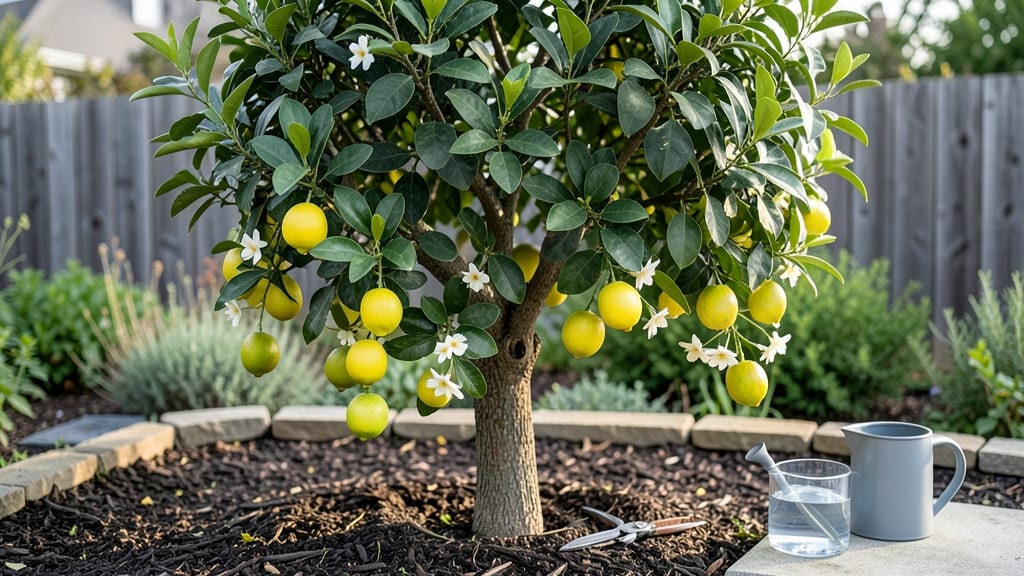
The ideal lemon tree growing conditions—bright sun, well-draining soil, and water only when needed—are easier to master than you think: my first tree nearly died from overwatering before I cracked the balance. ✨ when the top inch feels bone-dry.
The key isn’t babying the plant but giving it exactly what it craves—warmth, air, and occasional thirst-quenching.
Outdoor trees need USDA Zones 9-11 or container moves indoors when temps dip below 30°F. Indoor growers should place them near south-facing windows, supplementing with grow lights in winter.
The soil mix matters too—sandy loam with perlite keeps roots happy, while heavy clay suffocates them. Most failures come from ignoring these basics, not from "bad luck."
You’ll know you’ve nailed it when fragrant white blooms appear in spring, followed by bright green lemons by fall. Even in containers, mature trees produce 50-100 lemons yearly with proper care.
The citrus scent alone makes the effort worth it—imagine fresh lemons anytime, not just grocery store disappointments. Let’s get those roots settled.
Whether you’re battling frost, humidity swings, or impatient watering, lemon trees forgive mistakes if you correct them fast. The real secret? Patience. First fruit takes 2-3 years, but once established, they’re nearly indestructible. Here’s how to keep yours thriving through every season.
📚 In This Guide
- What you need
- Instructions
- Tips and common mistakes
- Wrapping up and next steps
What you need
- ● Container: A 5-gallon pot or larger (minimum 12–18 inches in diameter) with drainage holes. Opt for terracotta or fabric grow bags for better airflow.
- ● Well-draining potting mix: A blend of 50% cactus/succulent mix, 30% perlite or pumice, and 20% compost (avoid heavy garden soil).
- ● Lemon tree: Choose a dwarf Meyer lemon (best for containers) or a young grafted tree from a nursery.
- ● Fertilizer: A balanced citrus fertilizer (e.g., 6-6-6 or 8-3-9 NPK ratio) or organic options like fish emulsion or worm castings.
- ● Mulch: Pine bark fines or straw (1–2 inches thick) to retain moisture and regulate temperature.
- ● Gloves (to protect hands from thorns and soil).
- ● Trowel or small shovel (for planting and repotting).
- ● Watering can with a rose attachment (for gentle, deep watering).
- ● Spray bottle (to mist leaves and increase humidity).
- ○ pH testing kit (optional but helpful—lemon trees thrive in slightly acidic soil (pH 6.0–7.0)).
- ● Self-watering system (e.g., a wicking bed or drip irrigation) for consistent moisture.
- ● Citrus-specific fungicide (like copper fungicide) to prevent leaf spot diseases.
- ● Grow lights (if indoor growing limits sunlight—12–14 hours of LED grow lights work well).
- ● Support stake or trellis (for heavier fruit-bearing branches).
Step-by-Step guide to optimal lemon tree cultivation
Here's how to create the perfect environment for your citrus tree to thrive.
🌿 Step 1: Select the Ideal Sunny Location
Lemon trees demand at least 6-8 hours of direct sunlight daily—no compromise here. A south-facing window or patio gets them closest to their Mediterranean origins. I always check for bright, unfiltered light by observing how shadows move across the space; the spot should receive sunlight from mid-morning through early afternoon.
If growing outdoors, choose a location protected from harsh afternoon winds. Young trees need gentle breezes to strengthen stems, but mature trees can handle more airflow. Watch for leaves curling or yellowing—this signals either too much sun (scorch) or insufficient light (leggy growth). Move the tree gradually if needed, about 2 feet per day to avoid shock.
☀️ Step 2: Maintain Proper Temperature and Humidity
Lemon trees thrive in 65-85°F during the day, with nighttime temperatures never dipping below 50°F. I keep mine near a heat source in winter, using a small space heater set to 60°F if indoor temps drop. Avoid cold drafts from windows or doors—citrus trees are tropical at heart and wilt when shocked by sudden temperature swings.
Humidity matters too. If your home runs dry (below 40%), mist the leaves lightly 2-3 times weekly or place the pot on a tray of pebbles with water. You'll notice new growth becoming glossy and vibrant when humidity is right. In summer, outdoor trees benefit from occasional light misting at dawn to prevent sunburn on tender leaves.
💧 Step 3: Master the Watering Balance
Drought-resistant doesn't mean drought-loving—lemon trees need consistent moisture but hate soggy roots. Water deeply once weekly in summer, letting 2-3 inches of soil dry between waterings. Check by sticking your finger 1 inch down; if it feels dry, it's time. Overwatering causes root rot, which smells foul and turns leaves black.
In winter, reduce watering to every 10-14 days, matching the tree's dormancy period. Always water at the base, avoiding leaves to prevent fungal diseases. You'll see drooping leaves when thirsty—give it a drink and watch them perk up within hours. Yellowing leaves? That's often overwatering or poor drainage.
✂️ Step 4: Prune for Shape and Airflow
Prune in late winter or early spring before new growth begins. Remove any dead, diseased, or crossing branches first—these compete for energy. I use clean, sharp pruners to make cuts just above a leaf node at a 45-degree angle. This encourages bushier growth and prevents water from pooling on wounds.
Shape the tree by trimming back overly long branches to maintain a balanced form. Aim for an open center that allows sunlight to reach all leaves. Never remove more than 25% of the foliage in one session—this stresses the tree. After pruning, apply a light layer of citrus-specific fertilizer to support recovery.
Tips & tricks for perfect lemon tree cultivation
Here's what nobody tells you about keeping your lemon tree thriving—these details make all the difference.
Sunlight Strategy: The 6-8 hours of direct sunlight in Step 1 should be unobstructed—even partial shade from nearby plants or buildings can reduce fruit production by up to 40%. I test potential spots by placing a white piece of paper in the location for a full day; if shadows appear for more than 1-2 hours, move the tree. Morning sun is gentler, so position your tree to receive the most intense afternoon light without direct exposure to hot windows.
Temperature Transition: When moving lemon trees indoors during winter, don't rush the transition. Acclimate them over 7-10 days by gradually reducing outdoor exposure while increasing indoor light. The 60°F minimum at night is critical—any colder, and you'll see leaf drop within days. I use a small thermometer near the tree to monitor temperature swings, especially near drafty windows.
Watering Wisdom: The 1-inch soil check in Step 3 is your best indicator, but timing matters too. Water in the morning so excess moisture evaporates during the day, preventing fungal growth. In summer, I water my tree at 9 AM, and by 3 PM, the top 2 inches of soil are dry again—this mimics natural Mediterranean rainfall patterns. Overwatering is the #1 killer, so if your tree's leaves feel spongy when gently squeezed, you've gone too far.
Pruning Precision: When shaping your tree in Step 4, focus on creating an open canopy by removing branches that grow inward. I make my cuts just above a leaf node at a 45-degree angle to maximize healing and prevent water pooling. After pruning, I always apply a thin layer of citrus-specific fertilizer to compensate for the temporary stress—this helps the tree recover faster and encourages new growth within 3-4 weeks.
Pro Tips for Lemon Tree Growing Conditions
- Here's what nobody tells you about keeping your lemon tree thriving—these details make all the difference.
- Sunlight Strategy: The 6-8 hours of direct sunlight in Step 1 should be unobstructed—even partial shade from nearby plants or buildings can reduce fruit production by up to 40%.
- Temperature Transition: When moving lemon trees indoors during winter, don't rush the transition.
Frequently asked questions
Got questions about growing your own lemon tree? You’re not alone! Here are answers to the most common concerns—from sunlight needs to troubleshooting—so you can cultivate a thriving citrus tree with confidence.
How much sunlight does a lemon tree really need?
A lemon tree thrives in full sun (6–8+ hours daily). In containers, place it near a south- or west-facing window or use a grow light for 12–14 hours/day in winter. Pro tip: Yellowing leaves? It might be stretching for light—rotate the pot weekly for even growth!
How long does it take for a lemon tree to bear fruit?
Patience is key! Dwarf varieties (like ‘Meyer’) may produce fruit in 2–3 years, while standard trees take 3–5 years. Ensure consistent care (water, fertilizer, and temperature) to speed things up. Fun fact: Young trees focus on foliage first—don’t panic if blooms appear early but no fruit follows!
Can I overwater a lemon tree, and how do I tell?
Yes! Overwatering is a top killer—check soil moisture by sticking your finger 1–2 inches deep. If it’s damp, wait. Signs of overwatering: yellow leaves, root rot (mushy stems), or mold. Use well-draining soil and pots with drainage holes to prevent soggy roots.
What’s the best temperature range for a lemon tree?
Lemon trees love warmth (65–85°F) but can tolerate brief dips to 30°F. Below freezing? Move potted trees indoors or use frost cloth. Hot tip: Avoid cold drafts (like AC vents) and sudden temperature swings, which stress the tree. →
What if my lemon tree’s leaves turn yellow?
Yellow leaves usually mean overwatering, nutrient deficiency, or pests. Check these fixes:
- Watering: Let soil dry between waterings.
- Nutrients: Feed with citrus-specific fertilizer every 2–3 months.
- Pests: Inspect for aphids or mites (spray with neem oil if needed).
Wrapping up and next steps
Growing a lemon tree thrives on sunlight, well-draining soil, and patience—but with the right conditions, you’ll soon enjoy fresh lemons straight from your container! Remember, these citrus friends love bright spots, moderate water, and occasional pruning to stay healthy.
Whether you’re a beginner or a seasoned gardener, your lemon tree’s journey is well worth the effort.
Ready to take the next step? Plant your tree today and watch it flourish—your kitchen (and taste buds) will thank you! 🌱🍋