Pruning
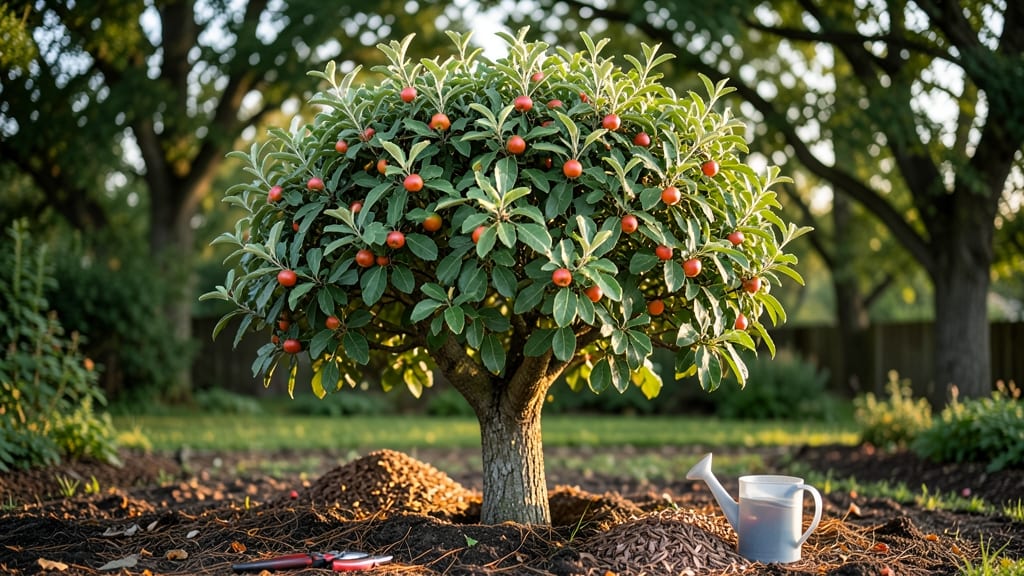
Growing a Malus 'Evereste' crab apple tree means frost-proof blooms that outshine most spring gardens. 🌸 I planted mine last autumn, and by February, the pink buds were already pushing through—while neighbors’ roses were still asleep.
This tree isn’t just hardy; it’s a showstopper from winter’s last chill through autumn’s fiery finale.
The secret to its year-round appeal? Smart pruning—not just cutting back, but shaping it to maximize blooms and fruit (yes, the tiny apples are edible, though tart). Start with well-drained soil in full sun, water deeply the first year, and prune in late winter when the tree’s still dormant.
The goal? Open the center so light and air circulate, preventing disease while encouraging those cascading blossoms.
By summer, you’ll have glossy green leaves and clusters of pink flowers that last weeks, followed by bright red berries that birds adore. Then comes autumn—when the foliage turns crimson and gold, rivaling any maple.
Even in Zone 3, this tree thrives where others falter, proving frost resistance isn’t just a claim, it’s a performance.
Here’s the kicker: Prune too late, and you risk losing next year’s flowers. Too aggressive early, and you stunt growth. Balance is key—but once you nail it, your tree becomes the garden’s unsung hero, blooming when others are still bare.
Let’s get those shears sharp and turn your yard into a four-season spectacle.
📚 In This Guide
- What you need
- Instructions
- Tips and common mistakes
- Wrapping up and next steps
What you need
- ● Pruning shears: Bypass pruners (sharp, 6–8" blades) for clean cuts on small branches.
- ● Loppers: Bypass or anvil type (18–24" handles) for thicker branches (½–2" diameter).
- ● Pruning saw: Curved-tooth hand saw for branches >2" thick.
- ● Disinfectant: 70% isopropyl alcohol or bleach solution (1 part bleach : 9 parts water) to sterilize tools between cuts.
- ● Gloves: Heavy-duty, cut-resistant (e.g., leather or reinforced fabric) to protect hands.
- ● Ladder or step stool: Sturdy, non-slip (extendable if tree is tall).
- ● Tarp or drop cloth: Medium-sized to collect debris and protect the ground.
- ● Marking twine or flags: Colored string or small stakes to tag branches for removal.
- ● Rake or broom: For cleaning up pruned branches and leaves.
- ● Hand pruners with ratchet: For effortless cutting of medium branches.
- ● Pruning sealant: Tree wound dressing (e.g., Tanglefoot Tree Wound Pruning Seal) for large cuts (controversial but useful in some climates).
- ● Safety glasses: To shield eyes from debris.
- ● Work boots: With ankle support for stability on uneven ground.
- ● Notebook & pen: To sketch a quick pruning plan or note branch angles.
- ○ Tree growth regulator: Optional post-pruning (e.g., Bonide Fruit Tree Spray) to encourage healthy regrowth.
Step-by-step pruning guide for Malus 'Evereste' crab apple trees
This hardy cultivar thrives with precise seasonal cuts—here's how to shape it for maximum frost resistance and continuous blooms.
✂️ Step 1: Late Winter Cleanup (Dormant Season)
Prune immediately after last hard frost when the tree is still dormant. Remove any dead, diseased, or crossing branches first—they're easy to spot as they lack buds or show dark, shriveled wood. I always start with these because they won't regrow, and removing them improves airflow through the canopy.
Use sharp bypass pruners to make clean cuts just outside the branch collar (the swollen area where the branch meets the trunk). Avoid tearing the bark—this creates wounds that invite fungal infections. For branches thicker than ½ inch, switch to loppers and make the cut on the underside of the branch to prevent bark from peeling.
☀️ Step 2: Summer Light Pruning (Post-Bloom)
After the spring flush of blooms fades, inspect the tree for water sprouts (fast-growing vertical shoots) and suckers (shoots growing from the base). These compete with flowering branches for energy. Remove them completely—water sprouts grow aggressively and can reduce next year's bloom count by up to 30% if left unchecked.
Thin the canopy by selectively removing branches that rub against each other. These create wounds that weaken the tree over time. Look for branches growing inward—they'll eventually block sunlight from reaching inner blooms. Step back every few cuts to visualize the tree's shape; you're aiming for an open vase-like form that lets light penetrate to the center.
⏰ Step 3: Fall Structural Pruning (Pre-Winter)
In late fall, focus on structural balance to prepare for winter. Remove any branches that grew excessively during summer, cutting them back to a lateral bud or side branch. This prevents them from becoming too heavy with snow and reduces the risk of winter damage. I like to leave 3-4 main scaffold branches
Thin out crowded areas by removing one-third of the weakest branches in each cluster. This improves air circulation, which is critical for preventing fungal diseases like apple scab. Avoid heavy pruning now—you don't want to stimulate new growth that won't harden off before winter. Instead, make precise cuts that maintain the tree's natural form. After the spring bloom cycle ends, perform a light maintenance prune to remove any spent flower clusters and any branches that grew during winter. These cuts encourage new growth for next year's blooms. I typically remove no more than 10-15% of the tree's total branches in this step—this keeps the tree's energy focused on fruit development rather than recovery. Inspect for any dieback (dead branches that appeared healthy last season). These often result from winter damage or disease. Cut these out completely, then disinfect your tools with 70% isopropyl alcohol to prevent spreading pathogens. This is also the time to adjust the tree's height if needed—'Evereste' responds well to height control, so you can shape it to fit your landscape without sacrificing blooms.🌿 Step 4: Spring Bloom Maintenance (Post-Flowering)
Tips & tricks for frost-resistant pruning of Malus 'Evereste' crab apple trees
These precision-focused strategies will help you maintain a healthy, blooming 'Evereste' crab apple tree that thrives through winter and beyond.
Seasonal Timing is Everything: The instructions emphasize pruning after the last hard frost, but here's the key detail: always check your local frost dates—some regions experience late frosts into April. I've seen 'Evereste' trees in Zone 5 bloom as early as late March, so timing your late winter cleanup just right prevents accidental damage to emerging buds. Mark your calendar for the average last frost date in your area and schedule your pruning accordingly. This single adjustment can mean the difference between a tree that blooms vigorously and one that struggles to recover.
Tool Precision Prevents Damage: While the instructions mention using bypass pruners for branches up to ½ inch thick, I can't stress enough how critical tool sharpness is. A dull blade tears bark and creates jagged wounds that invite disease. Before you start, test your pruners on a scrap piece of bark—if it doesn't cut cleanly, sharpen or replace them. For branches thicker than ½ inch, I recommend using loppers with a 6-inch cutting head, which gives you better leverage and cleaner cuts. Always clean your tools between cuts with rubbing alcohol to prevent spreading any potential pathogens from diseased branches.
Visualizing the Canopy Shape: The summer light pruning instructions mention aiming for an open vase-like form, but here's how to actually achieve it: step back every 5-10 cuts and mentally trace the tree's silhouette. You're looking for a balanced shape where light can penetrate to the center—imagine sunlight streaming through the branches on a clear day. I find it helpful to sketch a rough outline on paper first, marking where branches should be removed to create that ideal open structure. This prevents over-pruning in one area while leaving too many branches in another, which can create dense, shaded areas that reduce bloom production.
Winter Damage Prevention: The fall structural pruning instructions warn about removing branches that grew excessively during summer, but here's the follow-up: pay special attention to branches growing on the north side of the tree. These receive less sunlight and are more vulnerable to winter dieback. When making your cuts in fall, focus on maintaining a balanced structure where all branches have good exposure to sunlight. This simple adjustment can dramatically improve your tree's ability to withstand winter temperatures and produce abundant blooms the following spring.
Pro Tips for Malus Evereste Crab Apple Tree
- These precision-focused strategies will help you maintain a healthy, blooming 'Evereste' crab apple tree that thrives...
- Seasonal Timing is Everything: The instructions emphasize pruning after the last hard frost, but here's the key detai...
- Tool Precision Prevents Damage: While the instructions mention using bypass pruners for branches up to ½ inch thick, ...
Frequently asked questions
Got questions about growing and maintaining your Malus Evereste crab apple tree? Here are answers to the most common ones—from frost-proofing to pruning hacks!
How cold can a Malus Evereste handle?
The Malus Evereste is a true frost warrior, thriving in USDA Zones 3–8 (as low as -30°F/-34°C). Its compact size and hardy nature make it ideal for northern climates. Just avoid late spring frosts—new blooms are tender until fully hardened off.
When’s the best time to prune for maximum blooms?
Prune late winter or early spring (before buds swell) to encourage vibrant blooms. Avoid heavy pruning in fall—it can stress the tree and reduce winter hardiness. Light cleanup pruning in summer (after flowering) is fine, but keep it minimal.
Can I grow Malus Evereste in containers?
Yes! This dwarf variety (12–15 ft tall) thrives in large containers (15+ gallons) with well-draining soil. Use a mix of potting soil and compost, and repot every 2–3 years. Just ensure it gets 6+ hours of sunlight daily—containers dry out faster than ground soil.
What pests should I watch for?
Common issues include apple maggots, aphids, and fire blight. Monitor leaves for holes or sticky residue (aphids). For fire blight, prune infected branches 6 inches below the damage and sterilize tools with rubbing alcohol.
Will this tree produce edible apples?
Nope! While Malus Evereste has stunning blooms and tiny, ornamental fruits, they’re inedible (bitter and hard). It’s grown purely for its pink/white spring flowers, glossy foliage, and fall color. Bonus: The fruits attract birds—great for wildlife gardens!
What’s a good alternative if I want edible apples?
Try ‘Liberty’ or ‘Enterprise’ apple trees—they’re disease-resistant, cold-hardy (Zone 4), and produce tasty fruit. For ornamental + edible hybrid options, consider Malus ‘Evereste Shimmer’ (small, sweet crabapples).
Wrapping up and next steps
The Malus Evereste crab apple tree is a stunning, low-maintenance choice for year-round beauty and resilience—especially in colder climates.
With the right pruning techniques, you’ll encourage vibrant blooms, healthy growth, and long-term vitality. Now’s the perfect time to roll up your sleeves! Grab your tools, follow the steps you’ve learned, and give your tree the care it deserves. Watch it thrive and reward you with breathtaking color season after season! 🌸✂️
- Next step: Schedule your first pruning session—spring or early fall is ideal!
- Need a refresher? Bookmark this guide or share it with fellow gardeners!