Light Requirements
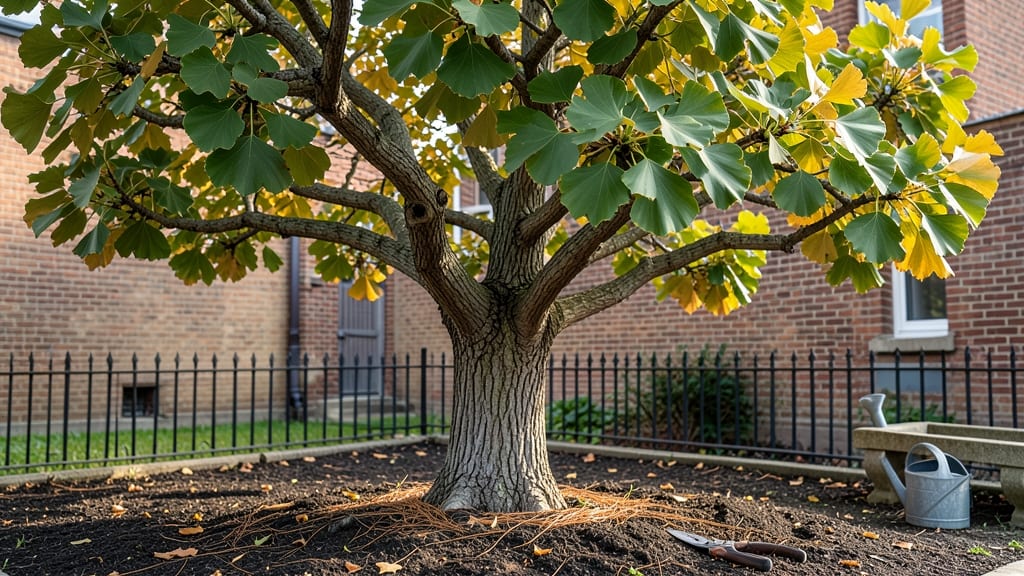
A tree with dark and light green leaves, like the Japanese maple’s delicate lace or the bold variegation of a Silver Birch, instantly becomes the showstopper—whether you plant them as a statement focal point or weave them into borders for layered texture.
Their foliage doesn’t just stand out; it moves with the seasons, shifting from spring’s freshest hues to autumn’s deeper tones.
What makes these trees so special is how they work with other plants. Pair a Japanese maple’s fine texture with the bold structure of a conifer, or let a Silver Birch’s silvery bark echo the lighter leaf edges of hostas or ferns.
They thrive in partial shade, making them perfect for understory plantings or shaded patios where most trees struggle. The key? Placing them where their leaves catch dappled sunlight—where the contrast pops against the background.
You’ll love how these trees bring drama without demanding constant attention. Their year-round interest means fewer seasonal replacements, and their slow, graceful growth makes them low-maintenance stars.
Imagine the way sunlight filters through those leaves in summer or how they glow in winter’s muted palette—it’s the kind of beauty that makes neighbors pause and ask, “What’s that tree?”
Whether you’re designing a small courtyard or a sprawling landscape, these trees adapt effortlessly. For shade gardens, the Japanese maple’s elegance shines; for open spaces, the Silver Birch’s height and movement create dynamic contrast.
Start with one as your centerpiece, and watch how the rest of your garden begins to harmonize around it.
📚 In This Guide
- What you need
- Instructions
- Tips and common mistakes
- Wrapping up and next steps
What you need
- ● Tree Variety: Choose a cultivar known for variegated foliage, such as: Dwarf Japanese Maple (Acer palmatum ‘Dissectum’) – Dark green with light green/pink edges
- ● Variegated Holly (Ilex crenata ‘Golden Gem’) – Dark green with golden-yellow leaves
- ● Emerald Green Arborvitae (Thuja occidentalis ‘Smaragd’) – Deep and light green hues
- ● Well-Draining Soil: 5-10 bags (1 cubic foot each) of a mix of garden soil (60%), peat moss or coconut coir (20%), and perlite or sand (20%) for aeration.
- ● Organic Mulch: 2-3 bags of pine bark fines or shredded leaves (3-4 inches thick) to retain moisture and regulate temperature.
- ● Fertilizer: Slow-release balanced fertilizer (10-10-10 or 20-20-20), 1-2 pounds per tree.
- ● Organic option: Composted manure or worm castings (5 gallons).
- ● Garden trowel or spade
- ● Pruning shears (sharp and sterilized)
- ● Wheelbarrow or large bucket (for soil/mulch)
- ● Garden gloves (for protection)
- ○ Optional but helpful: Soil pH tester (to ensure ideal 6.0-7.0 range)
- ● Tree stake and ties (for young/small trees)
- ● Drip irrigation kit (for consistent moisture)
- ● Sunlight assessment: 6+ hours of direct sun (varies by species; check tags!).
- ● Space: Ensure the tree has 3-10 feet of clearance (depending on maturity) from structures and other plants.
- ● Water source: Hose or watering can for initial planting and first 2 weeks.
How to grow and care for a variegated tree with stunning foliage
Here’s how to keep your two-tone tree thriving year after year.
🌱 Step 1: Choose the Right Tree for Your Climate
Variegated trees like the Emerald 'n' Gold Euonymus or Variegated Holly thrive in USDA Zones 6-9, but always check your specific variety’s hardiness range. I always pick a tree that matches my local winter lows—nothing worse than a sad, browned plant after the first frost. Look for young trees with even variegation (equal parts dark and light green) rather than patches of solid green or yellow, which can indicate stress or poor growing conditions.
If you’re planting in containers, opt for dwarf varieties like Variegated Boxwood or Dwarf Golden Privet—they handle pot life better and still deliver that striking contrast. Just make sure the container is at least 18 inches wide with drainage holes to prevent root rot. The key here is balance: too much pot means wasted space, too little means cramped roots.
☀️ Step 2: Plant in the Perfect Spot for Light and Airflow
Most variegated trees need full sun to partial shade—typically 4-6 hours of direct sunlight daily. Too much shade dulls the variegation, while too much harsh afternoon sun can scorch the lighter leaves. I always plant mine where they get morning sun and afternoon shade, especially in hotter climates. Test the spot for a week before planting by observing how the area behaves—if leaves wilt by noon, it’s too intense.
Spacing matters too. For small trees, keep them 6-10 feet apart to allow airflow and prevent disease. Crowding leads to fungal issues like powdery mildew, which turns leaves gray and ruins that gorgeous contrast. If planting in the ground, dig a hole twice as wide as the root ball but no deeper—burying the trunk too far invites rot. Amend the soil with 2-3 inches of compost to improve drainage and nutrient uptake.
💧 Step 3: Water Deeply and Consistently
Newly planted trees need 1-2 gallons of water per week, depending on rainfall. I always water deeply once a week rather than light daily sprinkles—this encourages roots to grow downward, making the tree more stable. Stick your finger 2 inches into the soil; if it’s dry, water again. Overwatering is the fastest way to kill variegated trees, so always check the soil before adding more moisture.
Mulch around the base with 2-3 inches of organic mulch (like shredded bark) to retain moisture and regulate soil temperature. Keep the mulch 6 inches away from the trunk to prevent rot. In containers, water when the top inch of soil feels dry, but never let the tree sit in standing water. Variegated trees are drought-tolerant once established, but they’ll show stress with crispy edges or drooping leaves if neglected.
✂️ Step 4: Prune for Shape and Health
Prune in late winter or early spring before new growth starts. I always use clean, sharp pruners to make cuts just above a leaf node or bud. Remove any dead, diseased, or crossing branches first—they weaken the tree and disrupt that beautiful foliage pattern. For shaping, trim back no more than 25% of the tree’s branches in one season to avoid shock.
Watch for reversion, where a variegated tree starts producing solid green leaves. This often happens if the tree gets too little light. If you see it, prune those green shoots back immediately—they’ll regrow with variegation if conditions improve. Fertilize lightly in spring with a balanced 10-10-10 formula to support new growth, but avoid heavy feeding, which can lead to excessive (and unvariegated) foliage.
🌿 Step 5: Protect and Maintain Year-Round
In winter, mulch heavily (up to 4 inches) to insulate roots from freezing temperatures. If you’re in a cold climate, wrap young trees with burlap to shield them from windburn. Variegated trees are generally low-maintenance, but I always check for pests like scale or spider mites—they love the tender new growth and can turn leaves yellow or sticky.
Fertilize again in early summer with a slow-release granular fertilizer to keep the tree vibrant. Variegated trees are stunning but can be finicky about nutrients—too much nitrogen leads to lush green growth at the expense of variegation. Finally, rotate container trees every few months so they grow evenly toward the light. With the right care, your tree will stay a showstopper for decades.
Tips & tricks for perfect variegated foliage trees
These simple strategies will help you maintain that stunning two-tone appearance for years to come.
Selection Tip: When choosing your tree, pay special attention to the variegation pattern in Step 1. The ideal tree should have an even distribution of dark and light green leaves—about 50/50. I always avoid trees with large patches of solid green or yellow, as these often indicate stress or poor growing conditions. For container varieties, check that the pot is at least 18 inches wide to prevent root binding, which can stress the tree and affect its variegation.
Lighting Strategy: The 4-6 hours of sunlight mentioned in Step 2 is crucial for maintaining vibrant variegation. If your tree starts looking dull, it's likely not getting enough light. I recommend placing it where it receives morning sun and afternoon shade, especially in hot climates. You can test potential spots by observing how nearby plants react—if they wilt by noon, that spot is too intense for delicate variegated leaves.
Watering Wisdom: In Step 3, the deep watering technique is key. Instead of frequent shallow watering, aim for 1-2 gallons once a week. This encourages roots to grow deeper, creating a more stable tree. Always check soil moisture by sticking your finger 2 inches deep—if it's dry, water again. For container trees, wait until the top inch feels dry, but never let water pool at the bottom, which can cause root rot.
Pruning Precision: When pruning in Step 4, remember that less is more. Never remove more than 25% of the branches in one season, as this can shock the tree. Focus on removing dead, diseased, or crossing branches first. For shaping, make cuts just above a leaf node or bud, and always use clean, sharp pruners. If you notice reversion (solid green leaves), prune those shoots immediately—they'll regrow with variegation if light conditions improve.
Pro Tips for Tree With Dark And Light Green Leaves
- These simple strategies will help you maintain that stunning two-tone appearance for years to come.
- Selection Tip: When choosing your tree, pay special attention to the variegation pattern in Step 1. The ideal tree sh...
- Lighting Strategy: The 4-6 hours of sunlight mentioned in Step 2 is crucial for maintaining vibrant variegation. If y...
Frequently asked questions
Got questions about those gorgeous trees with dark and light green leaves? You’re not alone! Here are some of the most common queries—and their answers—to help you care for (or spot) these stunning foliage stars.
Why do some trees have leaves with two different shades of green?
This striking contrast is often due to variegation, a natural genetic trait where chlorophyll isn’t evenly distributed in the leaves. Darker green areas have more chlorophyll for photosynthesis, while lighter patches may lack it—or contain pigments like yellow or white. Some trees, like the Ginkgo biloba or Japanese maple, develop this look seasonally due to sunlight exposure or nutrient levels.
Do these trees change color in fall, or do they stay the same?
It depends! Many variegated trees (like the Sweet Gum or London Plane) retain their two-tone green well into autumn, but others—such as Japanese Zelkova—may shift to golden or bronze hues. Trees with partial shade tolerance (like Dwarf Ficus) often hold their color longer. Check your tree’s species for clues!
Can I grow a tree with dark and light green leaves in full shade?
Some can thrive! Trees like the Dwarf Japanese Maple or Variegated Boxwood adapt well to low light, though their variegation may become less vibrant. For full shade, opt for species like Fatsia japonica (Aralia) or Schefflera, which tolerate dimmer conditions. Just avoid placing them in deep, dense shade where they’ll struggle to photosynthesize.
What should I do if my tree’s leaves turn all dark green (no light patches)?
This could signal stress! Check for over-fertilization (too much nitrogen), root damage, or pests like spider mites. Prune any affected branches and adjust care: water deeply but less frequently, and ensure it gets filtered sunlight (not harsh afternoon sun). If the issue persists, a soil test can rule out nutrient imbalances.
Are there any low-maintenance trees with this foliage look?
Try the Crape Myrtle (variegated varieties), Smoke Tree (Cotinus), or Hornbeam—all drought-tolerant and pest-resistant. For smaller spaces, Dwarf Ninebark or Variegated Holly are great picks. These trees need minimal pruning and handle urban pollution better than fussy species.
Wrapping up and next steps
Discovering a tree with dark and light green leaves can transform your space into a vibrant, ever-changing masterpiece! These stunning foliage focal points thrive with the right light—whether basking in bright, indirect sunlight or adapting to lower-light conditions.
With the knowledge you’ve gained, you’re ready to nurture a thriving, eye-catching tree that brings year-round beauty to your garden or home.
🌿 Next step: Pick your favorite variety, gather your supplies, and start planting! Whether you’re a seasoned gardener or just beginning, these trees are a rewarding choice for adding color and life to any setting. Happy growing! 🌱