
Pruning
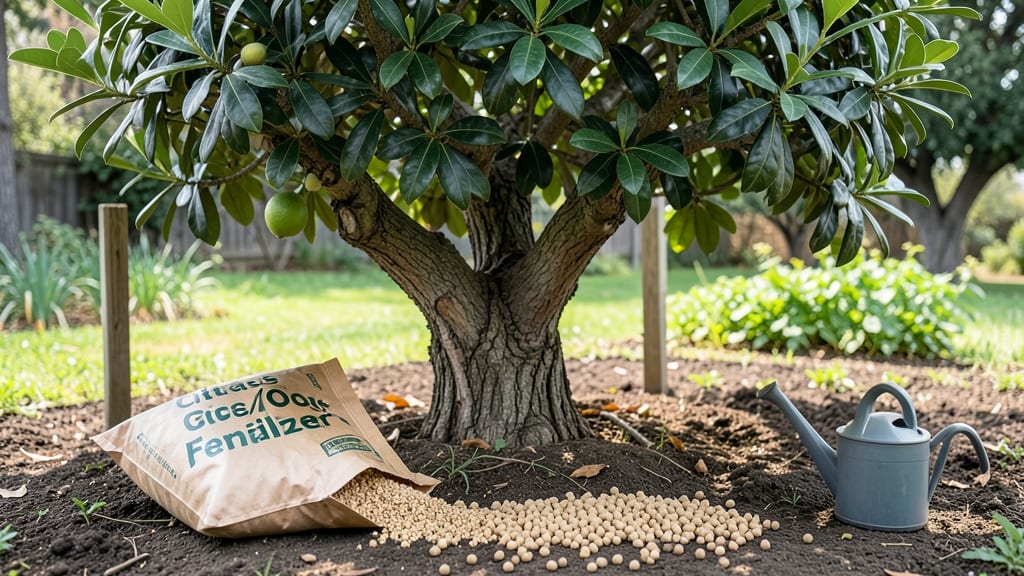
Fertilizing your avocado tree isn’t just about feeding the roots—it’s the secret to those heavy, creamy fruits you’ve been dreaming of. 🌱 I’ve watched my own tree go from struggling to producing pound-after-pound of avocados in just two seasons, and the difference came down to smart feeding, not just throwing fertilizer at it.
The key? Matching what your tree needs at every stage—whether it’s a young sapling or a mature fruit-bearing giant.
Most gardeners overdo it with synthetic fertilizers, burning roots and stunting growth, but the right approach is simple: balanced organic feedings every 6-8 weeks, with extra care during flowering and fruiting.
You’ll need basic supplies—a 10-10-10 or 6-6-6 fertilizer (organic or synthetic), compost, and a watering can—but the real trick is timing. Too much too soon? You’ll get leaf burn. Too little? Your tree will stay small and fruitless.
By the end of the season, you’ll see shiny, dark-green leaves, strong new growth, and—if you’re lucky—those first fat avocados hanging heavy on the branches. The best part?
This method works for container trees just as well as in-ground plants, and you’ll cut down on waste by using what your tree actually absorbs. Let’s get those roots fed right.
Whether you’re in Zone 9’s heat or a cooler Zone 10, we’ll adjust for your climate. Young trees need gentle feeding, while mature ones can handle a bit more punch—here’s how to tell the difference and keep your avocado thriving year after year.
📚 In This Guide
- What you need
- Instructions
- Tips and common mistakes
- Wrapping up and next steps
What you need
- ● Balanced fertilizer (10-10-10 or 20-20-20 NPK ratio) – 2–4 tbsp per tree (adjust based on tree size). Look for organic or slow-release options for steady nutrition.
- ● Citrus/avocado-specific fertilizer – Follow label instructions (e.g., Espoma Citrus-Tone). Rich in micronutrients like zinc and iron!
- ● Compost or well-rotted manure – 5–10 lbs per tree (work into top 6 inches of soil). Boosts soil health naturally!
- ● Garden gloves – 1 pair (to protect hands from soil/fertilizer).
- ● Watering can or hose – With a gentle spray nozzle (for even moisture distribution).
- ○ Soil pH test kit – Optional but recommended (avocados thrive in slightly acidic soil (pH 6.0–7.0)).
- ● Mulch (straw, wood chips, or pine bark) – 2–3 inches (retains moisture and regulates temperature).
- ● Epsom salt (magnesium sulfate) – 1 tbsp per gallon of water (for yellowing leaves). 💡 Sprinkle around roots monthly during dry spells.
- ● Seaweed extract or fish emulsion – Diluted as a foliar spray (boosts growth hormones).
- ● Slow-release fertilizer spikes – 2–4 spikes per tree (for hassle-free feeding).
- ● Soil moisture meter – Ensures you’re watering at the right depth (avocados hate soggy roots!).
Step-by-Step guide to feeding your avocado tree for optimal growth
Here's how to keep your avocado tree thriving with the right nutrients year-round.
🌿 Step 1: Understand Your Tree's Nutritional Needs
Avocado trees require a balanced approach to fertilization, focusing on nitrogen, phosphorus, and potassium in specific ratios. Young trees need more nitrogen for leaf growth, while mature fruit-bearing trees benefit from higher phosphorus and potassium to support flowering and fruiting. I always check the soil test results first—this tells me exactly what's missing before adding anything.
If you haven't tested your soil, assume it's deficient in key nutrients. Avocados are heavy feeders, especially in sandy or fast-draining soils. The goal is to maintain a steady supply of nutrients without overloading the tree, which can lead to salt buildup in the root zone and burn delicate roots.
💧 Step 2: Apply Fertilizer Seasonally with Precision
Start feeding in early spring when new growth begins, using a balanced fertilizer (like 6-6-6 or 8-3-9) applied every 4-6 weeks until mid-summer. This timing aligns with the tree's natural growth cycle—you'll see fresh leaves unfurl within weeks of application. For mature trees producing fruit, switch to a lower-nitrogen, higher-phosphorus fertilizer (like 3-12-6) starting in late summer to encourage flowering.
Always water the tree deeply 24 hours before applying fertilizer. This prevents salt buildup and ensures the nutrients reach the root zone rather than sitting on the soil surface. After fertilizing, water again to help distribute the nutrients evenly. I use a drip irrigation system for large trees to avoid runoff and ensure consistent moisture.
☀️ Step 3: Supplement with Organic Matter for Long-Term Health
Avocado trees thrive with organic matter that improves soil structure and provides slow-release nutrients. Work 2-3 inches of compost into the topsoil around the tree's drip line (the area where branches extend outward) every 3-4 months. This isn't just about feeding the tree—it's about creating a healthy root environment where beneficial microbes can flourish.
For established trees, top-dress with a layer of well-aged manure or worm castings in early spring and again after harvest. Avoid piling organic matter directly against the trunk, as this can attract pests or cause rot. Instead, spread it in a 3-foot-wide band around the tree's perimeter and lightly scratch it into the top inch of soil.
✂️ Step 4: Monitor and Adjust Based on Tree Response
Watch for signs of nutrient deficiencies or excesses. Yellowing leaves between the veins often signal iron deficiency, while dark green leaves with slow growth may mean too much nitrogen. If you notice new growth stunted or leaves curling, reduce nitrogen and increase phosphorus. I keep a simple chart to track leaf color, growth rate, and fruit production—it helps me adjust fertilizing schedules year to year.
In late fall, reduce fertilization to allow the tree to prepare for dormancy. A light application of potassium-rich fertilizer (like greensand or wood ash) helps strengthen cell walls and improve cold tolerance. Always follow the manufacturer's guidelines for application rates—over-fertilizing can harm your tree more than under-fertilizing.
⏰ Step 5: Plan for Year-Round Care with Special Considerations
Avocado trees in containers or urban settings need more frequent feeding because their root systems are limited. Use a liquid fertilizer every 2-3 weeks during the growing season, diluted to half-strength to avoid root burn. For outdoor trees, mulch heavily with straw or wood chips to retain moisture and regulate soil temperature—this reduces the need for frequent watering and fertilizing.
Real talk: I've seen avocado trees decline when growers switch fertilizers mid-season without transitioning gradually. If you're changing fertilizer types, do so over 4-6 weeks, mixing the old and new fertilizers to avoid shocking the tree. Consistency is key—your avocado tree will reward you with lush foliage and abundant fruit when you feed it thoughtfully.
Tips & tricks for perfect avocado tree fertilization
These precision strategies will help you avoid common mistakes and maximize your tree's potential.
Soil Testing First: Before applying any fertilizer, conduct a soil test to identify specific deficiencies. I've seen avocado trees suffer from over-fertilization because growers assumed they needed more nutrients. A simple test costs about $20 and reveals exact NPK ratios—this prevents costly mistakes. The goal is to match the fertilizer's ratios to what your soil actually needs, not what you think it needs.
Seasonal Transition Strategy: When switching from the balanced 6-6-6 fertilizer in spring to the lower-nitrogen 3-12-6 in late summer (as mentioned in Step 2), do it gradually over 4-6 weeks. I blend equal parts of both fertilizers during the transition period—this mimics natural nutrient shifts and prevents stress. The tree's foliage will show you when it's ready for the full switch: look for new leaves that are slightly darker green than the older ones.
Organic Matter Application Technique: For the 2-3 inches of compost mentioned in Step 3, use a garden fork to create small holes around the drip line before adding it. This aerates the soil and helps the compost integrate more effectively. I also recommend working in a thin layer of biochar (about 1/2 inch) beneath the compost—it improves nutrient retention and microbial activity in the root zone. The key is to keep organic matter at least 6 inches away from the trunk to prevent rot.
Container Tree Care: If your avocado tree is in a container, the 2-3 week liquid fertilizer schedule in Step 5 requires extra attention. Always dilute the liquid fertilizer to half-strength and apply it directly to the soil surface, then water thoroughly. I've found that container trees benefit from a monthly foliar spray of diluted seaweed extract (1 tablespoon per gallon of water) during the growing season—this provides micronutrients that soil applications might miss.
Pro Tips for Fertilise Avocado Tree
- These precision strategies will help you avoid common mistakes and maximize your tree's potential.
- Soil Testing First: Before applying any fertilizer, conduct a soil test to identify specific deficiencies.
- Seasonal Transition Strategy: When switching from the balanced 6-6-6 fertilizer in spring to the lower-nitrogen 3-12-6 in late summer (as mentioned in Step 2), do it gradually over 4-6 weeks.
Frequently asked questions
Got questions about fertilizing your avocado tree? You’re not alone! Here are answers to the most common concerns—from timing to troubleshooting—so you can keep your tree thriving and fruitful.
When is the best time to fertilize an avocado tree?
Fertilize your avocado tree twice a year: once in early spring (before new growth starts) and again in late summer or early fall (after harvest). Young trees (under 3 years) may need lighter, more frequent feedings. Avoid fertilizing in winter when the tree is dormant—it won’t absorb nutrients well!
How often should I fertilize my mature avocado tree?
For mature trees, stick to the twice-a-year schedule (spring and fall). Over-fertilizing can harm roots and fruit quality. If your soil is nutrient-poor (e.g., sandy or clay-heavy), you might add a slow-release fertilizer in spring for steady nutrition. Always water deeply after applying fertilizer to help roots absorb it.
What if my avocado tree isn’t producing fruit? Can fertilizer help?
Fertilizer alone won’t guarantee fruit, but balanced nutrition (especially nitrogen, phosphorus, and potassium) supports growth. If your tree is healthy but not fruiting, check for:
- Age: Trees need 3–5 years to mature.
- Pollination: Avocados need cross-pollination (plant two trees if possible).
- Stress: Too much/wrong fertilizer or pests can stunt growth.
Can I use organic fertilizers instead of synthetic ones?
Organic options like compost, worm castings, or fish emulsion work well for avocados. They improve soil health over time but require more frequent applications. For a quick boost, mix alfalfa meal (high in nitrogen) or bone meal (phosphorus for roots) into the soil. Just ensure organic fertilizers are well-balanced to avoid nutrient imbalances.
What do I do if my avocado tree’s leaves turn yellow or brown after fertilizing?
Yellow/brown leaves often signal over-fertilization or root burn. Act fast:
- Flush the soil with water to dilute excess salts.
- Stop fertilizing for 2–3 months and focus on watering deeply.
- Test your soil’s pH (avocados prefer 6.0–7.0); adjust with sulfur or lime if needed.
Wrapping up and next steps
Growing a thriving avocado tree is all about consistent care and smart fertilizing—and you’ve got the know-how! 🌱 By understanding your tree’s needs, choosing the right nutrients, and timing applications wisely, you’re well on your way to a fruit-filled future.
Remember, patience and observation are key; your tree will reward you with lush growth and delicious avocados over time.
Ready to take the next step? Monitor your tree’s progress after each fertilization, adjust as needed, and celebrate the little victories along the way. Happy gardening—your avocado tree is counting on you! 🥑✨