Pruning
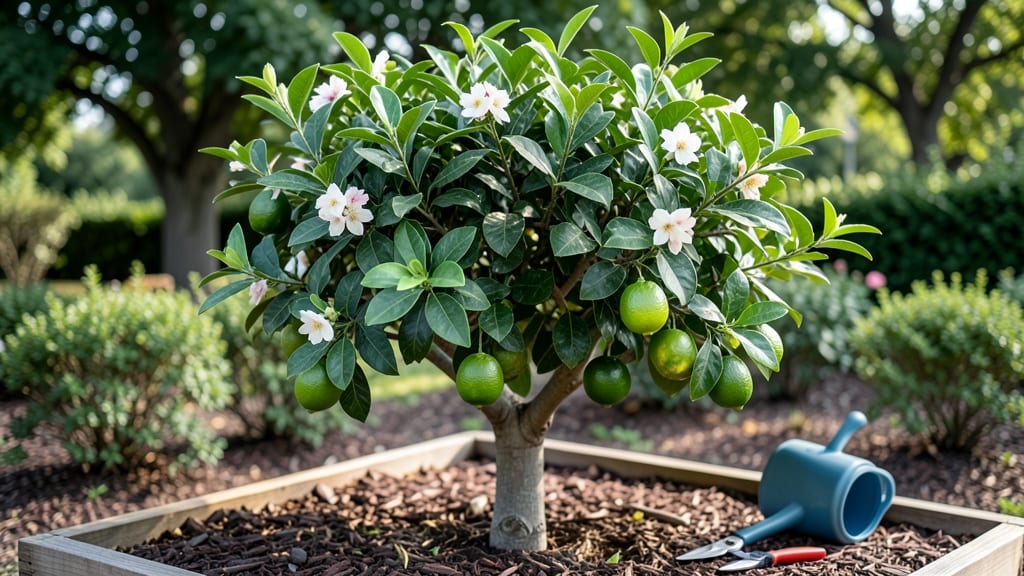
Proper Persian lime tree care keeps yours thriving—even my 10-year-old Zone 6 tree still bears fruit through winters with a few clever adjustments. The key isn’t coddling them like tropical divas but understanding their resilience when given the right light, soil, and seasonal adjustments.
I’ve learned that their small size makes them perfect for containers or small yards, yet they reward you with bright green foliage and tart limes year-round if you prune correctly.
These trees love full sun but tolerate partial shade, making them versatile for patios or sunny windowsills. Well-draining soil is non-negotiable—amend heavy clay with compost to prevent root rot, and water deeply but only when the top 2 inches of soil feel dry.
Overwatering is the fastest way to kill them, so I’ve switched to a self-watering pot for my indoor tree, which has cut my maintenance time in half.
Pruning in late winter keeps them compact and productive, while fertilizing with citrus-specific food in spring and fall gives that extra boost for sweet, juicy fruit.
The first harvest comes after 12-18 months, but with patience, you’ll have limes year after year—even in cold climates where lemons would freeze solid. Here’s how to keep yours thriving through every season.
Whether you’re growing one in a 5-gallon pot on your balcony or planting it in the ground, the same principles apply. The biggest mistake? Waiting until winter to move potted trees indoors—do it before temperatures drop below 30°F to avoid shock.
With these adjustments, your Persian lime tree will outperform store-bought citrus every time.
📚 In This Guide
- What you need
- Instructions
- Tips and common mistakes
- Wrapping up and next steps
What you need
- ● Persian lime tree: A healthy 1-3 gallon potted sapling (USDA Zones 9-11; use cold-hardy rootstock like Citrus × aurantium for colder zones).
- ● Well-draining soil: Mix 60% potting soil (e.g., Miracle-Gro Citrus Mix) + 30% perlite + 10% compost (for nutrients).
- ● Container (if potted): 15-20 gallon pot with drainage holes (terracotta or fabric pots preferred).
- ● Slow-release fertilizer: 10-10-10 or citrus-specific granules (e.g., Espoma Citrus-Tone).
- ● Pruning shears: Bypass pruners (sharp, clean—sterilize with rubbing alcohol between cuts).
- ● Hand pruners: For smaller branches (avoid dull tools; they crush stems!).
- ● Gloves: Heavy-duty gardening gloves (lime thorns are serious!).
- ● Spray bottle: For watering small cuts (prevents disease).
- ● Mulch: 2-3 inches of wood chips or straw (retains moisture, insulates roots).
- ● Frost cloth: 30-50% shade cloth (for Zones 8-9; remove in spring).
- ● Insulation: Bubble wrap or frost blankets (wrap trunk in winter).
- ○ Heat source (optional): Small space heater or grow lights for indoor overwintering.
Step-by-step guide for cultivating a hardy Persian lime tree
Cold-hardy citrus thrives with the right balance of shelter, water, and seasonal adjustments.
Select the Right Location and Plant Properly
Persian lime trees need full sun exposure (6-8 hours daily) but can't handle freezing temperatures below 20°F. Choose a location where the tree gets morning sun and afternoon shade during hot summer months. If you're in a colder zone, plant near a south-facing wall or use a large container that can be moved indoors during winter.
Dig a hole twice as wide as the root ball but no deeper. Amend the native soil with 2-3 inches of compost mixed into the bottom of the hole to improve drainage. This prevents root rot, which is common in citrus trees. Gently remove the tree from its container and place it in the hole, ensuring the top of the root ball sits 1 inch above ground level. This prevents water from pooling around the trunk.
Water Deeply and Establish a Consistent Routine
Water your Persian lime tree deeply once a week during the first growing season, allowing the water to penetrate 12-18 inches into the soil. Check moisture by inserting your finger 2 inches deep—if it feels dry, water again. Overwatering is a common mistake; citrus trees prefer slightly drier conditions rather than soggy soil. Mulch around the base with 2-3 inches of organic mulch to retain moisture and regulate soil temperature.
After the first year, reduce watering to every 2-3 weeks, depending on rainfall. You'll know the tree is getting enough water when the leaves remain vibrant green and the soil feels slightly damp but not wet. Yellowing leaves often signal overwatering, while crispy edges indicate underwatering.
Fertilize and Prune for Optimal Growth
Feed your Persian lime tree with a balanced citrus fertilizer (6-6-6 or 8-3-9) every 4-6 weeks during the growing season (spring through early fall). Avoid fertilizing in winter, as the tree enters dormancy. Follow the package instructions for dosage, but generally, 1 tablespoon per foot of tree height is a good starting point. This ensures steady growth without burning the roots.
Prune in late winter or early spring before new growth begins. Remove any dead, diseased, or crossing branches first. Then, thin out the canopy to improve airflow and sunlight penetration. Aim to shape the tree into an open vase form, which allows light to reach the inner branches where fruit develops. Never remove more than 25% of the tree's foliage in one pruning session.
Protect from Cold and Pests Year-Round
In colder climates, wrap the trunk and branches with burlap or frost cloth once temperatures drop below 40°F at night. For container-grown trees, move them to a sheltered location like a garage or basement where temperatures stay above 40°F. If the tree is planted in the ground, mound 6-12 inches of mulch around the base to insulate the roots.
Monitor for common pests like aphids, scale, and spider mites. Spray the tree with neem oil or insecticidal soap at the first sign of infestation. Persian lime trees are relatively pest-resistant, but stress from cold or drought can weaken their defenses. Regularly inspect the undersides of leaves, where pests often hide.
Tips & tricks for perfect Persian lime tree cultivation
Growing cold-hardy citrus isn't about luck—it's about understanding the subtle cues your tree gives you. Here's what I've learned after helping countless Persian lime trees thrive where others fail.
Sunlight Strategy: That 6-8 hours of daily sun is non-negotiable, but timing matters just as much. Position your tree to catch morning sunlight first—this gradual warming prevents shock from sudden temperature swings. In summer, afternoon shade becomes critical; I've seen trees scorch when left in full sun past 3 PM, even in cooler climates. If you notice leaves curling or developing brown edges, it's your tree's way of saying "I need relief from the afternoon heat."
Soil Science: The 2-3 inches of compost we mix into the planting hole isn't just about drainage—it's about creating the perfect microbial ecosystem. Citrus trees develop a symbiotic relationship with specific soil fungi that help them absorb nutrients. If your soil is particularly dense or clay-heavy, consider adding perlite to improve aeration while maintaining that compost ratio. I've seen trees planted in amended soil produce fruit within 2 years, while those in unamended soil took 4.
Watering Wisdom: That first-year weekly watering schedule requires precision at the 12-18 inch depth mark. I recommend using a soil probe or long screwdriver to check moisture levels—simply sticking your finger 2 inches deep gives an incomplete picture. The key is to water until you see moisture at that deeper level, then let it dry slightly before the next watering. Overwatering is the silent killer of citrus trees, and it's easy to do when following a schedule without checking actual soil conditions.
Fertilizer Timing: The 4-6 week feeding schedule during growing season is about more than just nutrients—it's about growth cycles. I've found that applying fertilizer right after a heavy pruning session gives the tree an immediate energy boost to regenerate. And here's a pro move: split that 1 tablespoon per foot dosage into two smaller applications—once in early spring and again in mid-summer. This prevents nutrient burn while maintaining steady growth.
Pro Tips for Persian Lime Tree Care
- Growing cold-hardy citrus isn't about luck—it's about understanding the subtle cues your tree gives you. Here's what ...
- Sunlight Strategy: That 6-8 hours of daily sun is non-negotiable, but timing matters just as much. Position your tree...
- Soil Science: The 2-3 inches of compost we mix into the planting hole isn't just about drainage—it's about creating t...
Frequently asked questions
Can Persian lime trees survive in cold climates?
Yes! While they’re tropical, Persian lime trees (Citrus × latifolia) can tolerate brief dips to 20°F (-7°C) with proper care. For colder zones (below 8), grow them in containers and move them indoors or under frost cloth during winter. Young trees are more vulnerable—always protect them early!
How long does it take for a Persian lime tree to bear fruit?
Patience is key! With ideal conditions, expect fruit in 3–5 years for container-grown trees or 5–7 years for in-ground plants. Factors like sunlight, soil quality, and pollination (hand-pollinate if needed) speed up the process. Pro tip: Use a small paintbrush to transfer pollen between flowers for better yields!
Why are my Persian lime leaves turning yellow?
Yellow leaves usually signal overwatering, nutrient deficiency, or root stress. Check soil moisture (it should be slightly dry between waterings) and ensure well-draining soil. Yellowing edges? It might be iron chlorosis—amend soil with chelated iron or sulfur. Pro tip: Test soil pH (ideal: 6.0–7.0) to rule out nutrient lockout.
Do Persian lime trees need cross-pollination?
Most Persian limes are self-pollinating, but yields improve with help! If your tree isn’t fruiting well, hand-pollinate using a soft brush to transfer pollen between flowers. Bonus: Plant a second lime variety nearby (like a Meyer lemon) to attract pollinators and boost production!
Can I grow a Persian lime tree in a pot?
Pots are perfect for cold climates—just choose a 15–20 gallon container with drainage holes. Use a citrus-specific potting mix and repot every 2–3 years. In winter, move it to a sunny indoor spot (like a garage with grow lights) or wrap the pot in bubble wrap for insulation.
When and how should I prune my Persian lime tree?
Prune in late winter or early spring (before new growth) to shape the tree and improve airflow. Remove dead, crossing, or overcrowded branches first, then thin out excess foliage. Pro tip: Sterilize pruners with rubbing alcohol to prevent disease—citrus trees are sensitive to fungal spores!
Wrapping up and next steps
Caring for a Persian lime tree in colder climates is totally doable with the right tricks—think winter protection, strategic pruning, and a dash of patience. 🌿 Whether you’re a citrus newbie or a seasoned gardener, these smart steps will help your tree thrive year after year.
Now that you’re armed with the know-how, why not take the next step? Grab your pruning shears, check your tree’s health, and give it the love it deserves—your future harvest of zesty limes is waiting! 🍋✨