
Fertilization
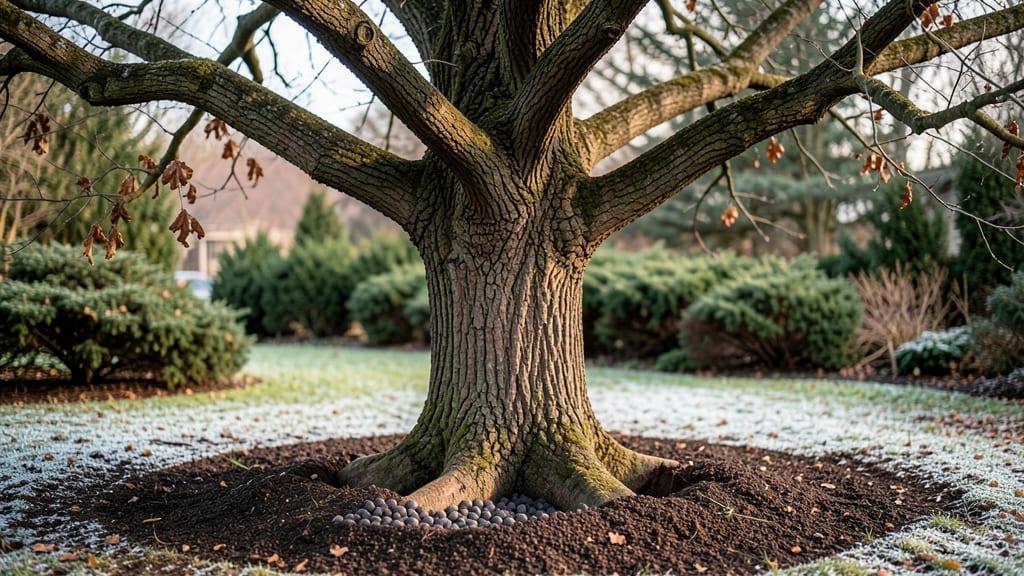
Fertilizing trees in winter is a question that stumps even experienced gardeners—because most of us assume dormant trees don’t need feeding when they’re not growing.
But here’s the thing: winter nourishment actually sets the stage for next year’s vibrant growth by replenishing nutrients the tree used up during the previous season. The key? Timing and technique matter more than most people realize.
Trees in dormancy aren’t actively absorbing nutrients, but their roots are still alive and working to store energy for spring. A light application of slow-release fertilizer in late winter (just as buds begin to swell) gives roots a jumpstart without overloading the system.
Think of it like prepping for a marathon—you wouldn’t skip leg day just because race day isn’t today. For most climates, February or early March is the sweet spot, but regional frost dates can shift that window by weeks.
What you’ll achieve is a stronger root system that supports healthier foliage and fruit production come summer. The right approach avoids common pitfalls like burning roots from over-fertilizing or wasting nutrients on frozen soil.
Plus, you’ll save money by avoiding last-minute spring rushes for amendments. Ready to give your trees the winter boost they deserve?
This method works for both young trees establishing roots and mature specimens that need a seasonal tune-up. Just adjust the fertilizer type based on your tree species—evergreens and fruit trees have slightly different needs. Let’s break down the exact steps to do it right.
📚 In This Guide
- What you need
- Instructions
- Tips and common mistakes
- Wrapping up and next steps
What you need
- ● Slow-release fertilizer: Choose a balanced, organic fertilizer (e.g., 10-10-10 or 5-5-5 NPK ratio) or a tree-specific blend designed for dormant season use. Aim for 1–2 pounds per inch of tree trunk diameter (e.g., 2 lbs for a 2-inch trunk). Granular or pellet forms work best.
- ● Broadcast or drop spreader: A handheld spreader (capacity: 10–20 lbs) for even distribution. Adjust settings based on fertilizer type.
- ● Garden hose with shutoff nozzle: For wetting the soil post-fertilization (avoid overwatering—just dampen the area).
- ● Gloves and long sleeves: Protect your skin from fertilizer dust or sharp tools.
- ● Measuring tape or ruler: To determine trunk diameter and calculate fertilizer amounts accurately.
- ○ Watering can (optional): For spot-watering around smaller trees or delicate roots.
- ● Soil test kit: Test your soil’s pH and nutrient levels before fertilizing to tailor the mix (ideal pH for most trees: 6.0–7.0).
- ● Mulch (compost or wood chips): Apply a 2–4 inch layer around the tree’s drip line (but keep it 6 inches away from the trunk) to retain moisture and nutrients.
- ● Tree fertilizer spikes: Pre-measured spikes for smaller trees (follow package instructions for placement).
- ● Knee pads or a small stool: For comfort when working near the base of trees.
- ● Label markers: To tag fertilized areas if you have multiple trees or varieties.
Step-by-step guide for winter tree fertilization
Here's how to give your trees the right nutrients when they're resting—without overdoing it.
⏰ Step 1: Time Your Fertilization Correctly
Winter is the perfect time to feed trees because they're dormant and won't burn from sudden nutrient surges. I always fertilize between late fall and early winter, ideally 6-8 weeks before the last frost date in your area. This timing ensures nutrients are stored in the roots for spring growth.
Check your local frost dates—most regions experience their last frost in late February or early March. If you're unsure, err on the earlier side. Cold soil slows nutrient absorption, so applying fertilizer too late won’t help and could waste money.
🌿 Step 2: Choose the Right Fertilizer Type
For winter feeding, I recommend a slow-release, balanced fertilizer with equal parts nitrogen, phosphorus, and potassium (look for a 10-10-10 or 20-20-20 ratio). Avoid high-nitrogen fertilizers, which can promote new growth that won’t survive winter’s chill. Organic options like compost or well-rotted manure also work well—they release nutrients gradually as soil temperatures rise.
Spread the fertilizer evenly over the root zone, which is the area under the tree’s dripline (the edge of its canopy). Don’t pile it near the trunk—this can cause root burn. For larger trees, use about 1 pound of fertilizer per inch of trunk diameter. For smaller trees, halve that amount.
💧 Step 3: Water the Fertilizer In
After applying the fertilizer, water the area deeply and slowly to help nutrients penetrate the soil. I use a soaker hose or drip irrigation to avoid washing fertilizer away. Aim for 1-2 inches of water—enough to moisten the soil 6-12 inches deep. This ensures the nutrients reach the roots where they’re needed most.
If your soil is very dry, water the area again in 3-5 days to encourage the fertilizer to move deeper into the soil. Overwatering now won’t help, but keeping the soil consistently moist (not soggy) is key. You’ll know it’s right when the top 2-3 inches of soil feel damp but not wet to the touch.
☀️ Step 4: Monitor and Adjust for Spring
Once the fertilizer is applied, there’s little else to do until spring. However, keep an eye on the soil’s moisture level—dormant trees still need hydration, especially in dry winters. If you notice the ground around the tree cracking or feeling bone-dry, give it a light watering to prevent stress.
In early spring, when new growth appears, you can apply a second, lighter feeding to support that flush of activity. But for now, just let the nutrients you’ve added work their magic underground. You’ll see stronger roots and healthier foliage come growing season.
Tips & tricks for perfect winter tree fertilization
Timing and technique make all the difference when feeding trees during their dormant phase.
Timing Secret: The 6-8 week window before last frost is critical because cold soil slows nutrient absorption. Double-check your local frost dates—most regions experience their last frost in late February or early March. If you're unsure, apply fertilizer in November to ensure it's in place before winter sets in. Real talk: I've seen people apply fertilizer too late, and it just sits there, useless until spring.
Fertilizer Selection Tip: For winter feeding, stick with slow-release, balanced fertilizers (10-10-10 or 20-20-20 ratios). These provide steady nutrition without promoting unwanted growth. Organic options like compost or well-rotted manure work beautifully too—they release nutrients gradually as soil temperatures rise. Don't make my mistake: I once used a high-nitrogen fertilizer in winter, and it caused new growth that froze back later.
Application Technique: Spread fertilizer evenly over the root zone, which is the area under the tree's dripline (the edge of its canopy). Avoid piling it near the trunk—this can cause root burn. For larger trees, use about 1 pound of fertilizer per inch of trunk diameter. For smaller trees, halve that amount. I use a spreader for even distribution, especially for larger trees.
Watering Wisdom: After applying fertilizer, water deeply and slowly to help nutrients penetrate the soil. Aim for 1-2 inches of water to moisten the soil 6-12 inches deep. If your soil is very dry, water again in 3-5 days. I've learned this the hard way after seeing fertilizer wash away during heavy watering—it's a waste of money and effort.
Pro Tips for Fertilizing Trees In Winter
- Timing and technique make all the difference when feeding trees during their dormant phase.
- Timing Secret: The 6-8 week window before last frost is critical because cold soil slows nutrient absorption.
- Fertilizer Selection Tip: For winter feeding, stick with slow-release, balanced fertilizers (10-10-10 or 20-20-20 ratios).
Frequently asked questions
Got questions about winter tree fertilization? You’re not alone! Here are some of the most common concerns—plus clear, actionable answers to help you fertilize with confidence.
Is it safe to fertilize trees in winter?
Yes! Winter is a great time to fertilize because trees are dormant, so nutrients absorb more efficiently without stressing the roots. Just avoid extreme frost or frozen ground—wait for temperatures above 40°F (4°C) and thawed soil. Cold-hardy trees (like oaks, maples, and pines) thrive with winter feeding!
What’s the best type of fertilizer for winter?
Opt for a slow-release, balanced fertilizer (like 10-10-10 or 20-20-20) or organic options such as compost, manure, or bone meal. Avoid high-nitrogen fertilizers (like lawn food), which can promote spring growth too early and leave trees vulnerable to frost damage. Pro tip: Look for labels with "dormant season" or "winter" recommendations!
How long before spring should I fertilize?
Apply fertilizer 6–8 weeks before your last expected frost date—this gives roots time to absorb nutrients before active growth resumes. For most climates, late winter (February–March) is ideal. Check your local frost calendar to time it perfectly!
What if I miss winter fertilization?
No worries! Spring or early summer are still great times to fertilize, though winter is ideal for nutrient uptake. If you skip it, focus on soil health (mulch, compost) and fertilize in late spring (after leaves emerge) instead. Just avoid fertilizing in summer heat, which can stress trees.
Can I fertilize newly planted trees in winter?
Newly planted trees (especially those in bare-root form) benefit from winter fertilization to establish roots. Use a low-nitrogen, high-phosphorus fertilizer (like 5-10-10) to encourage root growth. Water thoroughly after applying to help nutrients reach the soil.
How do I know if my tree needs fertilizer?
Watch for these signs:
- Yellowing leaves (even in winter—check last year’s leaves if dormant).
- Stunted growth or sparse foliage compared to similar trees.
- Thin, weak branches or dieback.
- Slow recovery after stress (drought, pests, or disease).
Wrapping up and next steps
Fertilizing trees in winter may seem counterintuitive, but it’s a game-changer for long-term health and growth!
By nourishing your trees during their dormant season, you’re giving them the head start they need to thrive when spring arrives. 🌱 Whether you’re a seasoned gardener or just starting out, this simple practice can make a huge difference in your landscape’s future.
Now that you’re armed with the how-to and why, why not take action? Grab your gloves, pick a sunny winter day, and give your trees the love they deserve. Your future garden will thank you! 🌿