
Pruning
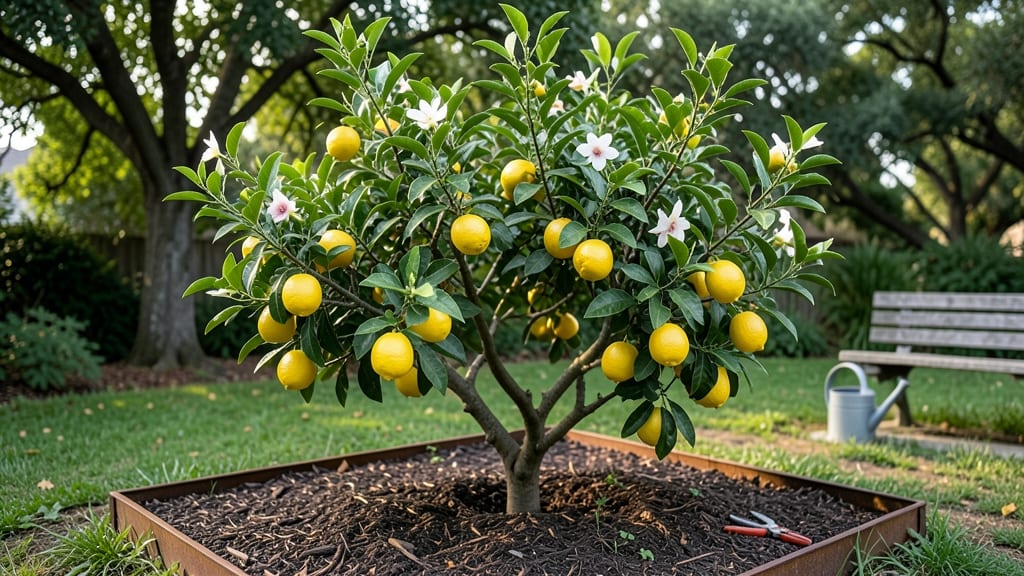
That sharp citrus fruit tree with thorns isn’t just protective—it’s the key to frost-resistant fruit production. 🌱 I’ve wrestled with these spiky guardians for years, and I’ve learned how to prune them to create a strong canopy that survives winter while still yielding sweet lemons or oranges.
The secret lies in strategic cuts that balance protection with growth.
Most gardeners avoid thorny citrus because they fear the spines, but these plants thrive in zones 8-10 when given the right care. You’ll need sharp pruners, a ladder for taller trees, and a plan to thin out dense growth while preserving the natural structure.
The goal is a sunlit canopy that ripens fruit evenly, even after a light frost.
With proper pruning, you’ll end up with a tree that produces fruit year-round (like the ‘Four Seasons’ lemon) while keeping its defensive thorns in check. The branches become sturdy enough to hold heavy fruit, and the tree resists winter damage better than unpruned varieties.
Plus, fewer thorns means safer harvesting when the fruit is ready.
This method works for both dwarf varieties in containers and full-sized trees in the ground. Whether you’re dealing with sour orange or Meyer lemon, the same principles apply—just adjust the timing based on your local frost dates. Let’s get those branches shaped for success!
📚 In This Guide
- What you need
- Instructions
- Tips and common mistakes
- Wrapping up and next steps
What you need
- ● Pruning shears: Bypass shears (8–10 inches) for clean cuts on smaller branches.
- ● Loppers: 16–24 inches for thicker branches (up to 2 inches in diameter).
- ● Pruning saw: Curved-tooth blade for stubborn, woody branches.
- ● Heavy-duty gloves: Thick, cut-resistant (12+ gauge) to protect against thorns.
- ● Safety glasses: ANSI-rated to shield eyes from debris.
- ● Disinfectant (70% isopropyl alcohol or bleach solution): 1 part bleach to 9 parts water to sterilize tools between cuts.
- ○ Pruning sealant (optional): Tree wound paste for large cuts (over ½ inch) to prevent disease.
- ● Weather check: Prune on a dry, overcast day (avoid frost or extreme heat).
- ● Tree assessment: Identify dead, diseased, or crossing branches first.
- ● Ladder (if needed): Sturdy, extendable for tall trees (secure with stabilizers).
- ● Cleanup supplies: Heavy-duty trash bags for pruned debris (thorns included!).
- ● Water source: Hose or bucket to rinse tools and tree wounds post-pruning.
- ● Wear long sleeves/pants: Extra protection against thorns (think gardening apron or arm guards).
- ● Use a pole saw: For high branches, a 10–12 ft. extension pole saves ladder time.
- ● Mark cuts: Use chalk or tape to outline pruning spots before cutting.
- ● Sharpen tools: Dull blades tear wood—hone shears/saws for precision cuts.
Step-by-step pruning guide for frost-resistant citrus canopy
Here's how to shape your thorny citrus tree for resilience and fruit production.
✂️ Step 1: Time Your Pruning for Frost Protection
Prune your citrus tree in late winter or early spring, just as new growth begins but before the last frost date. This timing ensures the tree has time to heal wounds before cold snaps. I always wait until temperatures stay above 40°F for at least a week—cold stress makes cuts heal poorly and invites disease.
Use a sharp bypass pruner (not dull shears) to make clean cuts at a 45-degree angle, about ¼ inch above a bud or branch collar. Avoid cutting flush with the trunk—this creates entry points for rot. If your tree is young, focus on removing water sprouts (thin, upright shoots) first—they drain energy from fruit production.
🌿 Step 2: Open the Canopy for Airflow and Sun
Citrus trees need good airflow to prevent frost damage and fungal issues like citrus greening. Start by thinning out crossing branches—these rub together and create weak points. I look for branches growing inward and remove one of the two, cutting back to the branch collar to avoid stubs.
Next, target overcrowded areas in the canopy. Aim to create an open vase shape with 6-8 main scaffold branches spaced evenly. Remove any branches growing directly downward—they block sunlight from lower limbs. You'll see the difference immediately: sunlight reaches the inner canopy, which warms faster in cold snaps and produces more fruit.
☀️ Step 3: Protect Thorns While Shaping the Structure
Thorny citrus varieties like trifoliate orange or sour orange need careful handling—those spines make pruning a challenge. I wear thick gardening gloves and use long-handled loppers to reach higher branches safely. Cut just above a thorn-free section where possible, but never sacrifice structural integrity to avoid thorns.
For stubborn thorny growth, I make smaller cuts over time rather than one aggressive prune. Remove only 10-20% of the canopy in a single session to avoid shocking the tree. Watch for new shoots emerging from old wood—these often produce fewer thorns and are ideal candidates for future growth. If a branch is too thorny to prune safely, leave it and focus on shaping other areas first.
⏰ Step 4: Post-Pruning Care for Frost Recovery
After pruning, water deeply to help the tree recover. I give my citrus trees 1-2 gallons of water per 4-6 inches of trunk diameter, applied at the base. Avoid wetting the leaves—this can spread fungal spores through fresh cuts. Follow up with a balanced fertilizer (10-10-10) to support new growth, but hold off until new shoots appear (usually 4-6 weeks after pruning).
Monitor the tree for signs of stress: yellowing leaves, wilting, or oozing sap at cuts. If you see these, reduce watering slightly and avoid fertilizing until the tree stabilizes. In frost-prone areas, wrap the trunk with tree wrap to protect it from sunscald during winter. The goal is to give your citrus tree the best chance to harden off before cold weather hits again.
Tips & tricks for frost-resistant citrus canopy pruning
Here's what nobody tells you about keeping your thorny citrus tree healthy through winter.
Timing is Everything: The late winter/early spring window for pruning is your best defense against frost damage. I learned this the hard way after pruning too early—my tree struggled to heal before the next cold snap. Always check your local frost date calendar and wait until temperatures stay consistently above 40°F for at least a week before you start. This gives the tree time to form protective callus tissue over cuts before winter returns.
Thorny Tree Safety: Those painful spines aren't just annoying—they make pruning dangerous. I always wear heavy-duty gardening gloves and use long-handled loppers to reach higher branches. For stubborn thorny branches, I work in sections, cutting just above a thorn-free section when possible. Remember, you can always leave a thorny branch alone if it's not compromising the tree's structure—safety first!
Canopy Structure Secrets: The open vase shape isn't just aesthetic—it's critical for frost resistance. I focus on removing crossing branches first (always remove one of the two), then target downward-growing limbs that block sunlight. This creates air channels that prevent frost pockets from forming in the center of the tree. You'll know you've done it right when sunlight reaches all the way to the inner branches.
Post-Pruning Recovery: After pruning, the 4-6 week waiting period before fertilizing is crucial. I monitor my trees closely during this time, looking for signs of stress like yellowing leaves or oozing sap. If you see these, cut back on watering and hold off on fertilizer until the tree shows new growth. Deep watering at the base (1-2 gallons per 4-6 inches of trunk) helps the tree recover without wetting the leaves, which can spread disease through fresh cuts.
Pro Tips for Citrus Fruit Tree With Thorns
- Here's what nobody tells you about keeping your thorny citrus tree healthy through winter.
- Timing is Everything: The late winter/early spring window for pruning is your best defense against frost damage.
- Thorny Tree Safety: Those painful spines aren't just annoying—they make pruning dangerous.
Frequently asked questions
Got questions about pruning your citrus fruit tree with thorns? You’re not alone! Here are answers to the most common concerns—from safety to timing—to help you grow a thriving, frost-resistant canopy.
Why does my citrus tree have thorns, and should I remove them?
Thorns are a natural defense mechanism for many citrus varieties (like Citrus × aurantium or sour orange). While they can be prickly, don’t prune them all off—they deter pests and provide structural support. Focus on shaping the canopy and thinning dense branches instead. If thorns are in the way, use leather gloves and prune selectively during dormant seasons.
When is the best time to prune for frost resistance?
Prune late winter or early spring (just before buds swell but after frost risk has passed). This timing balances frost hardiness with new growth. Avoid heavy pruning in fall—it stimulates tender shoots vulnerable to cold. Pro tip: If frost damage occurs, wait until spring to assess and prune dead wood.
How do I prune thorns safely without getting hurt?
Safety first! Wear long sleeves, gloves, and eye protection. Use bypass pruners (not anvil pruners) for clean cuts. For thick thorns, cut from the underside of the branch to avoid pinching. If thorns are excessive, consider training the tree on a trellis to redirect growth away from high-traffic areas.
Can I prune a citrus tree with thorns the same way as a thornless variety?
Mostly, yes! The core pruning principles (removing dead wood, thinning for airflow, shaping for sunlight) apply to both. However, thorny trees often need less aggressive thinning to retain their natural defenses. Focus on opening the canopy to reduce humidity (which attracts fungal diseases) while preserving thorn clusters for protection.
Will pruning affect my citrus tree’s fruit production?
Pruning boosts fruit quality and yield by improving airflow and sunlight penetration. However, avoid heavy pruning in fruiting years—it can reduce harvests temporarily. Instead, prune lightly in alternate years or focus on removing water sprouts and crossing branches to redirect energy to fruit production.
What if my tree gets frost damage after pruning?
If frost hits post-pruning, don’t panic! Assess damage in spring: brown, mushy branches are dead (prune them out), while dry, crispy branches may recover. Apply a light layer of mulch around the base to protect roots. For next year, prune earlier and consider frost cloth for young trees.
Wrapping up and next steps
Growing a thorny citrus tree that thrives in frost isn’t just possible—it’s rewarding! With the right pruning techniques, you’ll shape a resilient canopy that produces bountiful fruit year after year. Remember, patience and consistency are key, so don’t rush the process.
Now that you’re armed with the blueprint for success, roll up your sleeves and get pruning! Start small, observe your tree’s growth, and adjust as needed. Before you know it, you’ll be harvesting juicy citrus straight from your own frost-hardy tree—what’s not to love? 🍊✨