
Pruning
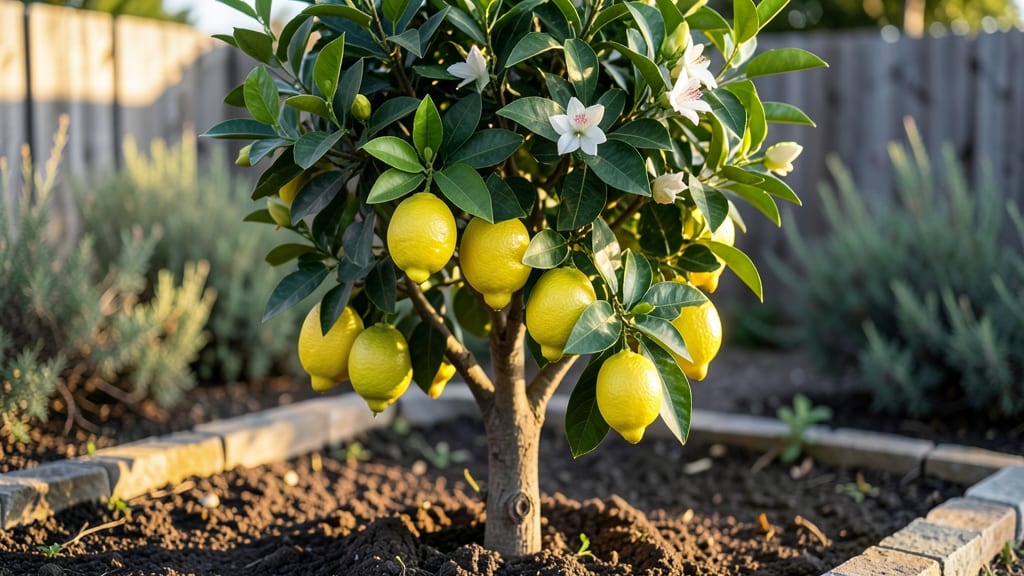
Pruning your citrus limon tree isn't just about shaping branches—it's about creating a frost-resistant canopy that keeps producing fruit even when temperatures dip. 🌿 I learned this the hard way after my first winter pruning left half my tree vulnerable to cold snaps.
The right cuts encourage dense growth at the base while letting sunlight reach inner branches, which is where the magic happens for year-round harvests.
You'll need sharp bypass pruners, rubbing alcohol for sterilizing cuts, and a clear day when temps are above 50°F. The goal is to remove dead wood first, then thin out crowded branches to improve airflow—this prevents fungal diseases that thrive in humid citrus groves.
Most importantly, focus on the lower third of the tree where frost damage starts, and avoid heavy pruning in late summer when new growth is still tender.
What you end up with is a tree that looks like a lush, symmetrical umbrella but produces fruit from top to bottom. The first harvest after proper pruning will be noticeably heavier, with lemons ripening even in cooler months when neighboring trees go dormant.
Plus, the structure becomes easier to maintain year after year.
This method works equally well for container-grown lemon trees (just use smaller pruners) and outdoor specimens in frost-prone zones. The key is consistency—prune lightly every 3 months instead of waiting for one big session. Ready to transform your tree into a frost-fighting fruit factory?
📚 In This Guide
- What you need
- Instructions
- Tips and common mistakes
- Wrapping up and next steps
What you need
- ● Pruning shears: Bypass pruners (sharp, clean, and sterilized with rubbing alcohol to prevent disease). Specs: 6–8" blades for medium branches.
- ● Loppers: For thicker branches (½"–1½" diameter). Specs: Long-handled, 18–24" reach.
- ● Pruning saw: Curved-tooth saw for branches >1½" thick. Specs: 10–12" blade, non-serrated teeth.
- ● Disinfectant: 70% isopropyl alcohol or 10% bleach solution (1 part bleach to 9 parts water) for tool sterilization.
- ● Garden gloves: Heavy-duty, cut-resistant (e.g., nitrile-coated) to protect hands from thorns and sap.
- ● Rag or paper towels: For wiping tools between cuts and cleaning sap.
- ○ Pruning sealant: Optional but recommended (e.g., Tanglefoot Tree Wound Pruning Sealer) for large cuts to prevent disease entry.
- ● Bucket or trash bag: For collecting pruned branches (1–2 gallons capacity).
- ● Ladder or step stool: If your tree exceeds 6–8 ft tall. Specs: Sturdy, non-slip base.
- ● Reflective mulch: Light-colored mulch (e.g., straw or gravel) to insulate roots during cold snaps.
- ● Frost cloth or row cover: Lightweight fabric (e.g., Agribon) to drape over the canopy if frost is forecasted.
- ○ String lights or heat lamp: Battery-operated LED lights (optional) to gently warm the canopy on cold nights.
- ● pH test kit: To check soil pH (ideal range: 6.0–7.0) post-pruning for frost resilience.
- ● Check the weather forecast—prune on a dry, cloudy day (avoid extreme heat or frost warnings).
- ● Wear long sleeves and closed-toe shoes to protect from sap and thorns.
- ● Have a first-aid kit handy for minor cuts or sap irritation.
- ● Confirm your tree’s variety (e.g., Meyer lemon vs. Eureka lemon)—some respond better to aggressive pruning.
Step-by-Step guide to pruning a citrus limon tree for frost resistance
Here’s how to shape your lemon tree for hardier growth and better fruit production.
🌿 Step 1: Identify and Remove Weak or Damaged Branches
Start by inspecting your tree for branches that are crossing, rubbing, or growing inward—these compete for energy and can cause wounds. Use sharp, clean pruning shears to cut these out at the branch collar, the swollen area where the branch meets the trunk. This prevents disease from entering the tree.
Next, look for dead, diseased, or broken branches. These are easy to spot—they’ll be brown, brittle, or lacking leaves. Remove them completely down to the main trunk or a healthy lateral branch. If you’re unsure whether a branch is dead, scratch the bark with your fingernail. Green underneath means it’s still alive; brown means it’s gone.
✂️ Step 2: Thin Out the Canopy for Better Airflow
Your goal is to create an open, airy structure that lets sunlight penetrate to the inner branches. Focus on removing about 20-30% of the smallest, inner branches first. These are often shaded and produce less fruit. Cut them back to a healthy lateral branch or bud, making your cuts at a 45-degree angle just above a leaf node.
Real talk: Don’t overdo it. If you remove too much foliage at once, your tree will struggle to recover. Instead, spread out pruning over 2-3 sessions if needed. You’ll see the difference in fruit quality—more light means sweeter, juicier lemons.
☀️ Step 3: Shape the Tree for Frost Hardiness
Lemon trees are sensitive to cold, so pruning to encourage a compact, rounded shape helps protect the center from frost damage. Focus on lifting the canopy by cutting back overly long branches to a bud or lateral branch that faces outward. This opens up the tree and reduces the risk of frost pockets forming in the dense center.
If your tree has leggy growth reaching outward, trim back the tips to encourage bushier growth. You’ll notice new shoots forming within 4-6 weeks—these will be stronger and better equipped to handle cooler temperatures. Avoid heavy pruning in late fall or winter, as new growth won’t harden off in time for cold snaps.
🪴 Step 4: Clean Up and Protect the Tree
After pruning, collect all the clippings and dispose of them in a sealed bag or burn them. This prevents fungal spores from lingering and infecting your tree. If you’re in a frost-prone area, consider wrapping the trunk with burlap or tree wrap to protect it from cracking in freezing temperatures.
Finally, give your tree a light fertilizer application (if using) to help it recover. Water deeply at the base to reduce stress. You’ll know you’ve done it right when new growth appears within 2-3 weeks—strong, green, and full of potential for next season’s harvest.
Tips & tricks for frost-proofing your lemon tree canopy
Here's what I learned after years of trial and error with my own lemon trees—these little adjustments make all the difference for winter survival.
Timing is Everything: The best time to prune for frost resistance is in late winter or early spring, just before new growth begins. This gives your tree time to recover before summer heat arrives. I avoid pruning in fall because new growth won't have time to harden off before winter—it's like sending your tree into frost unprepared. The 4-6 week recovery period mentioned in Step 3 is crucial for developing frost-resistant shoots.
Branch Angle Matters: When making your 45-degree cuts in Step 2, pay attention to which way the bud faces. Always cut just above a bud that's facing outward—this encourages growth that opens up the canopy further. I learned this the hard way when my tree developed a dense center that collected frost. Think of it like creating a dome shape that sheds snow and ice more easily.
Tool Sharpness Can't Be Overstated: Dull pruning shears crush branches instead of making clean cuts, which invites disease and weakens the tree. I keep a dedicated pair of shears just for citrus trees and sharpen them annually. The branch collar technique in Step 1 only works properly with sharp tools—dull blades can tear the bark, leaving wounds that won't heal properly before winter.
Frost Pocket Prevention: The compact rounded shape mentioned in Step 3 is your best defense against frost pockets. I recommend spacing your cuts so you remove about 10% of the canopy in each of the 2-3 sessions. This gradual approach prevents shock while still creating that open center. You'll know you've succeeded when you can see sunlight reaching the trunk during winter months.
Pro Tips for Citrus Limon Tree
- Here's what I learned after years of trial and error with my own lemon trees—these little adjustments make all the difference for winter survival.
- Timing is Everything: The best time to prune for frost resistance is in late winter or early spring, just before new growth begins.
- Branch Angle Matters: When making your 45-degree cuts in Step 2, pay attention to which way the bud faces.
Frequently asked questions
Got questions about pruning your citrus limon (lemon) tree for frost resistance and year-round fruit? You’re not alone! Here are answers to the most common queries—from timing tips to troubleshooting—so you can keep your tree thriving.
When is the best time to prune a lemon tree for frost protection?
Prune your Citrus limon tree in late winter or early spring (just before new growth starts) to remove weak branches and shape the canopy. Avoid heavy pruning in fall—it leaves the tree vulnerable to frost damage. Light maintenance pruning can happen year-round, but never prune during frost season (winter in colder climates).
How do I protect my lemon tree from frost if I can’t prune in time?
If frost is forecast, act fast! Cover the tree with a frost blanket or burlap at dusk, securing it tightly. Use string lights or a heat lamp near the canopy for extra warmth. Water the roots deeply the day before to help insulate them. Never use plastic sheeting—it traps cold air. Prune damaged branches after the frost threat passes.
Can I prune a lemon tree too much? What are the signs?
Yes! Over-pruning stresses the tree, leading to fewer lemons, yellowing leaves, or stunted growth. Never remove more than 25% of the canopy in one session. Signs of over-pruning include bare branches, excessive leaf drop, or slow recovery. If you’ve pruned too aggressively, reduce watering temporarily and fertilize lightly to encourage regrowth.
Will pruning my lemon tree reduce fruit production?
Not if done correctly! Strategic pruning actually boosts fruit quality by improving airflow and sunlight exposure. Focus on removing dead, crossing, or overcrowded branches—this redirects energy to healthier growth and more lemons. Avoid cutting back fruit-bearing branches unless they’re diseased. Pro tip: Prune after harvest (late summer) to encourage a second flush of blooms!
What if my lemon tree doesn’t have enough branches to prune?
If your tree is young or underdeveloped, prioritize training over heavy pruning. Use support stakes to guide growth upward and remove only suckers (shoots at the base). For mature trees with sparse canopies, fertilize with citrus-specific nutrients (high in nitrogen) and ensure it gets 6+ hours of sunlight daily. If the issue persists, test for nutrient deficiencies or pests.
Wrapping up and next steps
Mastering the art of pruning your citrus limon tree unlocks a world of year-round fruitfulness and resilience—even in chilly climates! 🌿 With the right tools, timing, and techniques, you’ll cultivate a thriving, frost-hardy canopy that keeps producing vibrant lemons.
Whether you’re a seasoned gardener or just starting, every snip brings you closer to a bountiful harvest.
Ready to take the next step? Grab your pruners, mark your calendar, and start pruning with confidence—your citrus tree (and taste buds) will thank you! 🍋✨