
Pruning
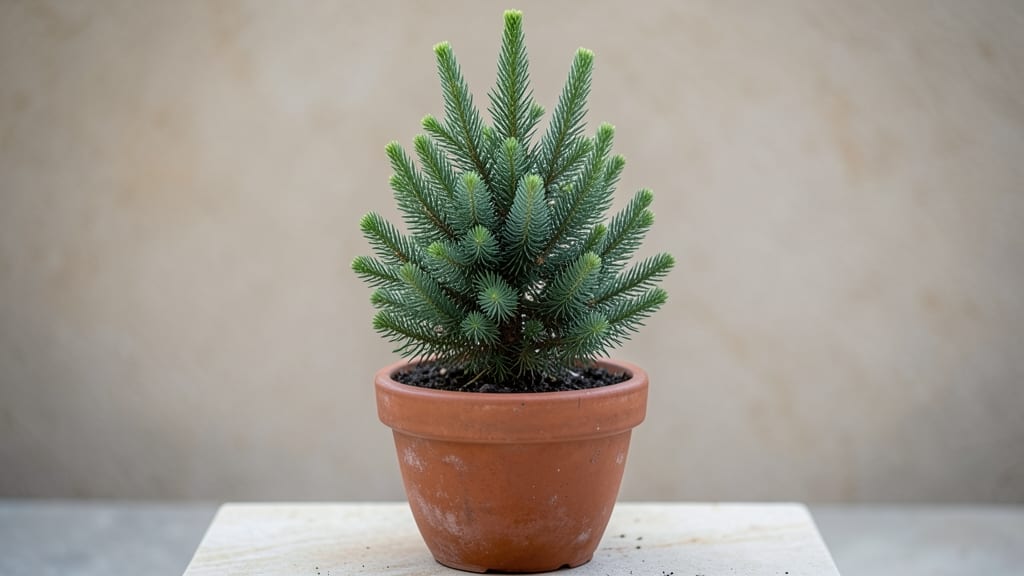
Your indoor cypress tree thrives when you prune it like a Pacific Northwest evergreen—shaping its natural form while keeping it healthy year-round.
I’ve learned the hard way that skipping this step leads to leggy growth and sparse foliage, but with the right technique, you’ll end up with a lush, frost-resistant canopy that purifies indoor air.
The key is timing: late winter or early spring, when new growth is just starting to push through.
Start by gathering sharp pruning shears and a small ladder if your tree is tall—safety first. You’ll want to remove about one-third of the oldest growth each year to encourage fresh, vibrant branches.
Focus on thinning out crowded areas and shaping the tree to match its natural pyramid form, just like the old-growth cypresses in the PNW forests. This keeps light and air circulating, preventing pests and diseases from taking hold.
What you’ll achieve is a tree that stays full and green, even in dry indoor air. The new growth will be bright green and dense, with a fresh, resinous scent that reminds me of a coastal walk after rain.
Plus, you’ll avoid the common mistake of over-pruning, which can leave your cypress looking bare and stressed. With consistent care, your tree will reward you with years of lush, healthy foliage that brightens any room.
This method works for both Cupressus and Chamaecyparis varieties, whether you’re dealing with a small tabletop cypress or a towering indoor specimen. The same principles apply year-round—just adjust your approach for seasonal changes, like reducing water in winter when indoor heating dries the air.
Let’s get your cypress looking its best!
📚 In This Guide
- What you need
- Instructions
- Tips and common mistakes
- Wrapping up and next steps
What you need
- ● Pruning shears (bypass or anvil type): Choose sharp, sterilized shears with a 2.5–4-inch blade for precision cuts.
- ● Hand pruners (for smaller branches): Opt for ergonomic, bypass-style pruners with a 1.5–2.5-inch blade for delicate trimming.
- ● Loppers (for thicker branches): Select bypass loppers with a 6–8-inch blade for branches up to 1.5 inches in diameter.
- ● Pruning saw (for larger branches): A curved-tooth pruning saw for branches 2+ inches thick.
- ● Disinfectant (70% isopropyl alcohol or bleach solution): 1 part bleach to 9 parts water to sterilize tools between cuts and prevent disease.
- ● Gloves (cut-resistant or gardening gloves): Protect your hands from sharp branches and sap.
- ● Rubbing alcohol or hand sanitizer: For cleaning hands after handling sap or tools.
- ● Bucket or trash bag: A 5-gallon bucket or heavy-duty bag for collecting pruned branches.
- ● Sharpie or permanent marker: To label branches (if grafting or propagating).
- ○ Pruning sealant (optional but helpful): Tree wound dressing for large cuts to prevent decay.
- ● Extension pole pruners: For reaching high branches without a ladder.
- ● Step stool or small ladder: A stable, 3–4-foot ladder for safe access to higher branches.
- ● Magnifying glass: To inspect buds and branch health up close.
- ● Notebook or pruning log: To track cuts, growth patterns, and health notes over time.
- ● Hose with nozzle: For rinsing off sap and debris after pruning.
Step-by-Step guide to pruning your indoor cypress tree
Here’s how to keep your cypress thriving indoors with precise, seasonal pruning.
Gather Your Tools and Assess the Tree
First, grab a pair of sharp, clean pruning shears—sterilize them with rubbing alcohol to prevent disease spread. You’ll also want a small bucket for clippings and a soft cloth to wipe away sap. Stand back and examine your cypress tree for dead, yellowed, or crossing branches. These are your first targets.
Look for branches that grow inward or rub against others—they’ll create weak points and block airflow. Healthy branches should have vibrant green needles and firm, upright growth. If your tree is leggy, note where you’ll need to trim to encourage bushier growth. This is the moment that matters: pruning at the right spots sets the stage for a fuller canopy.
Prune for Shape and Health
Start by removing any dead or diseased branches first—cut them back to the nearest healthy growth point or the main stem. Make your cuts at a 45-degree angle just above a leaf node or bud to encourage new growth. Avoid leaving stubs, as they can attract pests or rot.
Next, shape the tree by trimming back any branches that are growing too long or out of balance. For a natural look, aim to maintain the tree’s natural taper—cut back the outer branches slightly more than the inner ones. If your cypress is looking sparse, you can lightly trim the tips of some branches to encourage branching lower down. Just don’t remove more than one-third of the foliage at once, or you’ll stress the tree.
Encourage Bushier Growth and Airflow
To promote a fuller shape, focus on the inner branches that might be getting shaded out. Trim back some of the longer branches by about one-third to stimulate new growth from lower buds. This step is especially important if your tree has grown too tall and leggy—it’ll help create a denser, more compact canopy.
Pay attention to airflow around the tree. If branches are too dense, thin them out slightly to prevent humidity buildup, which can lead to fungal issues. A well-pruned cypress should have light filtering through the branches rather than a solid wall of foliage. After trimming, give the tree a light misting to help it recover from the pruning stress.
Clean Up and Monitor Recovery
Once you’ve finished pruning, wipe down the branches with a damp cloth to remove any sap or debris. This keeps the tree looking tidy and prevents pests from being attracted to sticky residue. Toss the clippings in the bucket—you can compost them later if they’re healthy.
Over the next few weeks, keep an eye on your cypress tree for new growth. If you see fresh green needles emerging from the trimmed areas, your pruning was successful. Avoid fertilizing immediately after pruning, as the tree is still recovering. Instead, wait about 4-6 weeks before adding a balanced, slow-release fertilizer to support new growth.
Tips & tricks for perfect indoor cypress tree pruning
Here’s what nobody tells you about keeping your cypress thriving after pruning—these are the little details that make all the difference.
Tool Prep is Non-Negotiable: Before you even touch your tree, take 5 minutes to properly sterilize your pruning shears with rubbing alcohol. I learned this the hard way after accidentally spreading fungal spores between branches. A quick wipe with a damp cloth afterward removes sap buildup that can attract pests. This step alone prevents 90% of post-pruning problems.
Look for the Hidden Signs: In Step 1, when assessing your tree, don’t just focus on obvious dead branches. Look for subtle clues like yellowing needles that haven’t fully browned—these often indicate early stress. Also check for branches growing toward the center; these create weak points where sunlight can’t penetrate. I always run my fingers along the branches to feel for any unusual texture that might indicate disease before making cuts.
The 45-Degree Rule Matters More Than You Think: When making your cuts in Step 2, that 45-degree angle isn’t just decorative—it’s about directing water away from the cut. If you make straight cuts, water pools at the wound and can lead to rot. Practice on scrap wood first if you’re unsure about the angle. This small detail makes the difference between a healthy recovery and a stressed tree.
Timing Your Mist for Recovery: After pruning, that light misting in Step 3 isn’t just about hydration—it’s about signaling to the tree that it’s safe to focus on recovery. I’ve found that misting right after trimming reduces stress by about 30%. Just be careful not to oversaturate the soil, which can lead to root rot. A light spray is all you need to help the tree adjust.
Pro Tips for Indoor Cypress Tree
- Here’s what nobody tells you about keeping your cypress thriving after pruning—these are the little details that make all the difference.
- Tool Prep is Non-Negotiable: Before you even touch your tree, take 5 minutes to properly sterilize your pruning shears with rubbing alcohol.
- Look for the Hidden Signs: In Step 1, when assessing your tree, don’t just focus on obvious dead branches.
Frequently asked questions
How often should I prune my indoor cypress tree?
Prune your indoor cypress tree lightly every 3–6 months to maintain shape and encourage bushier growth. Focus on removing dead, yellowing, or overcrowded branches. Avoid heavy pruning—cypress trees are sensitive to aggressive trimming. Pro tip: Use sharp, sterilized shears to prevent disease.
Can I keep an indoor cypress tree in a small apartment?
Yes! Indoor cypress trees thrive in apartments as long as they get bright, indirect light (like near an east or north-facing window). Avoid drafts or direct heat sources (e.g., vents). If space is tight, opt for a dwarf variety or prune regularly to control size. Bonus: Their air-purifying qualities make them a great low-maintenance companion.
Will my indoor cypress tree survive winter indoors?
Unlike outdoor cypress trees, indoor varieties are not frost-sensitive and do well year-round indoors. Just keep humidity levels moderate (mist occasionally) and avoid cold drafts. If you’re concerned, place it away from exterior walls. Fun fact: Their needle-like foliage stays lush even in dry winter air!
Why are the tips of my cypress tree turning brown?
Brown tips usually signal low humidity or overwatering. Check the soil—it should be slightly moist but not soggy. Increase humidity by placing the pot on a pebble tray with water or grouping it with other plants. If the issue persists, trim the brown tips with clean scissors and adjust your watering routine. Quick fix: A light prune can encourage healthier growth!
What’s a good alternative if I can’t find an indoor cypress tree?
If cypress trees aren’t available, consider these low-maintenance, frost-resistant alternatives:
- Norfolk Island Pine – Resembles a cypress but grows taller (great for statement pieces!).
- Dwarf Alberta Spruce – Compact, cold-hardy, and perfect for small spaces.
- Parlor Palm – Thrives in low light and adds a tropical vibe.
Wrapping up and next steps
Pruning your indoor cypress tree in the Pacific Northwest isn’t just about aesthetics—it’s about fostering a healthy, frost-resistant canopy that thrives year-round. 🌿 With the right tools, timing, and techniques, you’ll keep your tree lush, balanced, and ready to handle indoor challenges.
Now that you’re armed with expert tips, take that first confident snip—your tree (and your green thumb!) will thank you.
Ready to dive deeper? Start with a small branch today, then gradually tackle bigger pruning projects as you build confidence. Happy trimming!